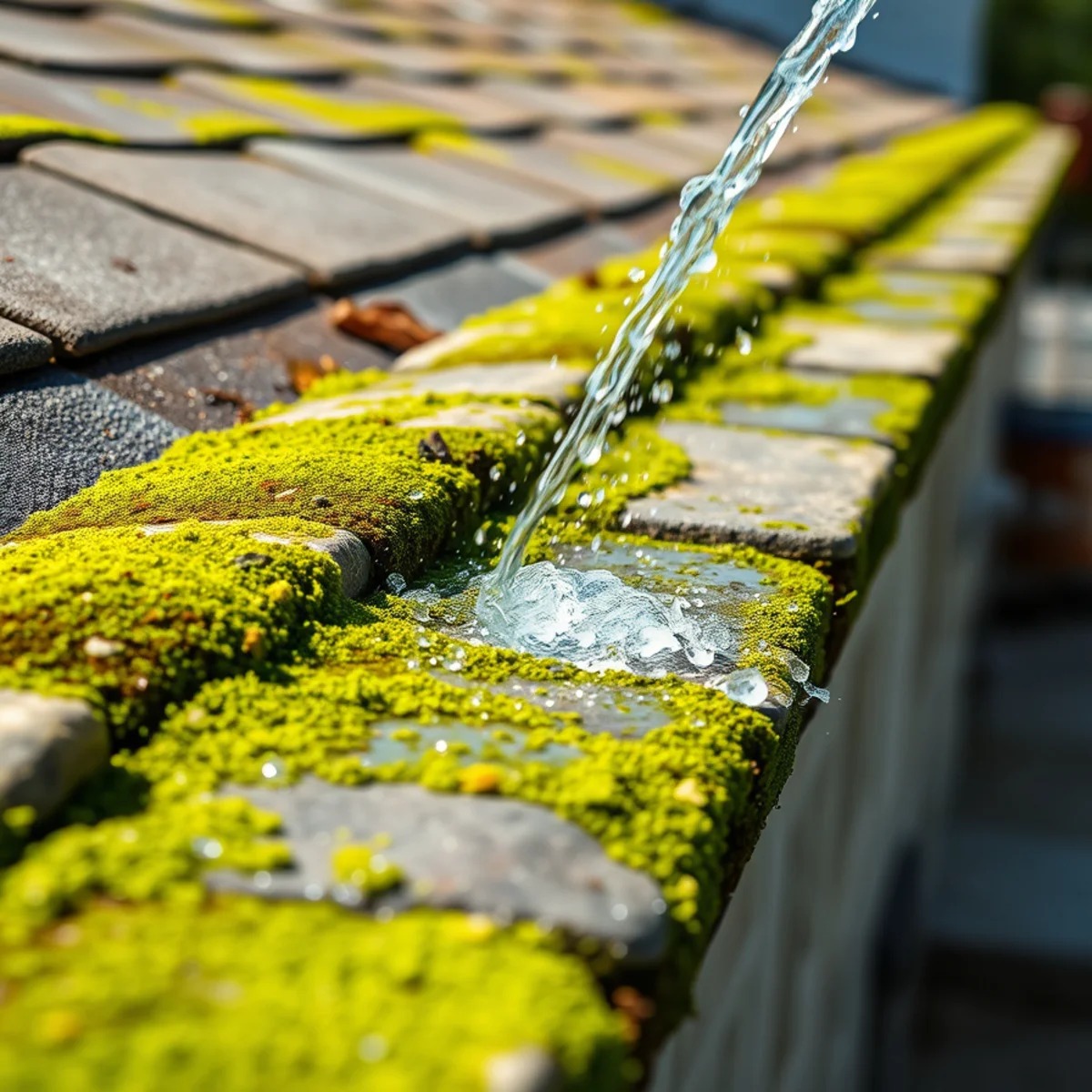
A Massachusetts contractor's guide to safely killing moss and lichen at the root, surface by surface, plus prevention, costs, and when to call a pro.
Moss and lichen are two of the most stubborn growths you'll find on a New England property, and left alone they slowly eat into roofs, walkways, decks, and stone. This guide shows you how to tell them apart, remove them safely without wrecking the surface underneath, and keep them from coming back. We'll cover the right chemistry, surface-by-surface methods, realistic costs, and exactly when it pays to call a pro.
Moss vs. Lichen vs. Algae: How to Tell Them Apart (and Why It Matters)
People lump these three together, but they are different organisms that call for different handling. Identify what you have before you reach for any cleaner.
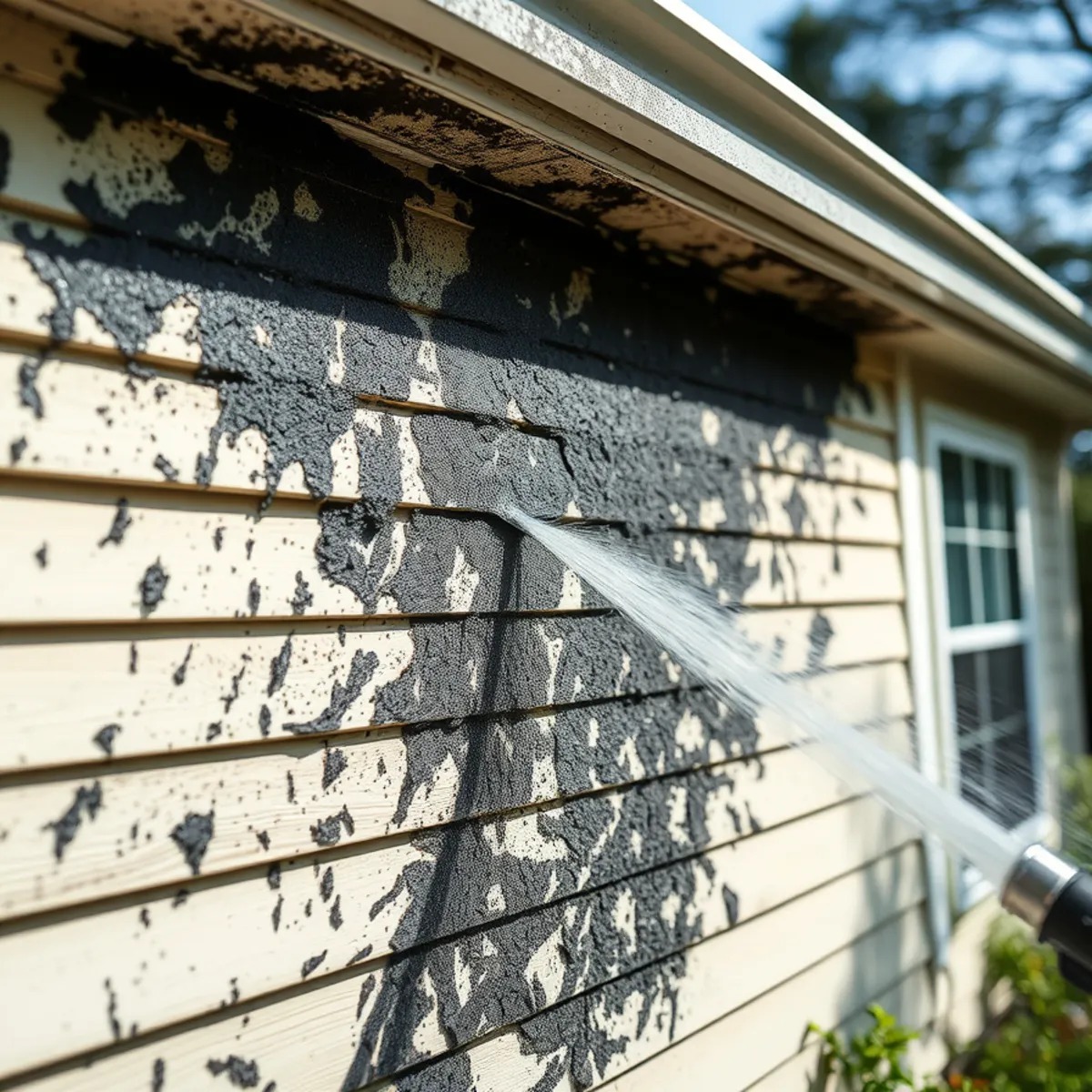
- Algae is the flat green or black staining you see first, often as long black streaks running down a roof. The most common culprit in Massachusetts is Gloeocapsa magma, a blue-green algae that feeds on the limestone filler in asphalt shingles. Algae itself does little structural harm, but it holds moisture and sets the table for moss and lichen.
- Moss is a true plant. It's soft, green, and spongy, and it anchors with thread-like rhizoids (root-like structures) rather than real roots. Moss acts like a sponge, holding water against whatever it grows on. It loves roof valleys, the gaps between pavers, and the shaded edges of decks and stairs.
- Lichen is the toughest of the three. It's a symbiotic fungus and algae living as one crusty organism, usually gray, pale green, or yellow, often in a flat circular pattern. The fungus secretes acids and grips so tightly that scraping it off can pull shingle granules with it or pit stone.
Why does the distinction matter? Because lichen bonds far more aggressively. Brute force that might knock loose surface algae will tear up a roof if lichen is the real problem. The safe answer for all three is the same in principle: kill the biological growth at the root with the correct chemistry, then let it release on its own.
What Causes Moss and Lichen to Grow on Outdoor Surfaces
Three ingredients drive growth: moisture, shade, and an organic food source. Take away any one and growth slows dramatically.
- Moisture retention. Surfaces that stay damp for days, north-facing roof planes, shaded patios, low spots that pool, are prime real estate. Moss can't survive long stretches of dryness.
- Shade. Tree canopy shade and overhanging branches block the sun that would otherwise dry a surface and kill spores. A north-facing roof gets the least direct sun and grows the thickest colonies.
- Organic food and spores. Wind carries spores everywhere. When they land on a damp, shaded surface coated in pollen, leaf litter, or gutter cleaning and debris, they take hold and spread.
Once a colony establishes, moss holds even more water, which invites more growth. That feedback loop is why a small green patch can blanket a roof plane in a couple of seasons.
Why Moss and Lichen Are So Common on Massachusetts Homes
The New England climate is close to ideal for moss and lichen, and our landscape makes it worse.
We get year-round moisture, damp springs, humid summers, rainy autumns, and snow that lingers for days. Heavy tree canopy shade from oaks, maples, and pines drops debris and keeps surfaces wet long after a storm. Spring pollen and fall leaf litter add a steady organic staining food source. In winter, snow load and ice sitting on a mossy roof prolong the damp conditions that accelerate decay.
Geography piles on. Coastal humidity on the South Shore and Cape keeps the air wet, while inland shaded valleys across Worcester County and the MetroWest hold moisture in low light. Older and historic homes often wear aged asphalt shingles or clay tile fragility that lichen colonizes readily. If your home sits under mature trees, growth isn't a question of if, it's when.
Why You Shouldn't Ignore Moss and Lichen: The Damage They Cause
It's tempting to call moss charming and rustic. On most surfaces it's quietly destructive.
- Premature roof decay. Moss traps moisture against shingles and works under their edges, causing curling lifting shingles and accelerating granule loss. Lichen feeds on the limestone filler, loosening the granules that shield the asphalt from UV.
- Attic mold and rot. Moisture held on the roof surface drives attic mold and rot and shortens the life of decking and framing.
- Slip hazards. Moss-covered walkways, stairs, and pool decks turn dangerously slick when wet, a real liability for families and businesses alike.
- Surface staining and pitting. On stone, brick, and concrete, lichen leaves dark anchor points and etched marks that linger after the growth is gone.
- Trapped moisture on wood. Decks and fences hold dampness under moss, inviting rot and premature board failure.
The longer growth sits, the harder it is to remove cleanly. Early action is almost always cheaper than restoration. Good exterior maintenance protects both the surface and your curb appeal.
Which Outdoor Surfaces Are Most Affected (Roofs, Siding, Decks, Patios, Pavers, Fences)
Moss and lichen aren't picky, but some surfaces suffer more than others:
- Roofs. The biggest concern and the easiest to damage. Shaded, north-facing roof planes and the ridge cap collect the worst colonies.
- Vinyl siding. Algae and mildew streak shaded walls; lichen shows up on rough or weathered sections.
- Wood decks. Porous, shaded, and slow to dry, a perfect moss host.
- Composite decking (Trex). Marketed as low-maintenance, but the textured surface still grows mold and moss in shade.
- Pavers and concrete. Joints and porous surfaces hold moisture and feed growth between the stones.
- Fences. Wood, composite, and even vinyl fence panels grow lichen on their shaded, north-facing sides.
Each surface has its own tolerance for pressure and chemistry, which is why a one-size-fits-all approach causes so much damage. We go surface by surface below.
How to Remove Moss and Lichen From a Roof Safely
Your roof is the single most important surface to get right. The safe method is chemistry first, pressure never.
- Pick the right day. Work on a dry, overcast, calm day. Direct sun evaporates the solution before it can work, and wet roofs are dangerous to walk.
- Protect the landscaping. Pre-soak shrubs and plants below with water, and rinse them again afterward. Sodium hypochlorite solutions can scorch vegetation, so runoff containment and a good pre-soak matter, especially on well-water properties.
- Apply a roof-safe solution. A properly diluted bleach solution (sodium hypochlorite) with a surfactant to help it cling, or a commercial moss killer, kills moss, lichen, and algae at the root.
- Let it dwell. Give the solution its full dwell time. The chemistry does the work; you are not trying to blast anything off.
- Rinse gently and let nature finish. A low-pressure rinse with a garden hose is plenty. Over the following weeks, rain washes away the dead growth. Resist the urge to scrape, which strips granules.
For asphalt shingles, keep any rinse under 100 PSI, the level professional soft washing uses. Metal roofs tolerate 500 to 800 PSI, but they still don't need pressure to kill growth. If you'd rather not climb up at all, our roof cleaning team handles it from ladders with the right equipment. For background, see our guide on why roof cleaning is important for Massachusetts homes and what causes those black streaks on roofs.
Why You Should Never Pressure Wash Moss Off a Roof
This is the single most expensive mistake homeowners make, so it gets its own section.
High-pressure water aimed at asphalt shingles strips the shingle granules that protect the asphalt from UV. Once those granules are gone, the shingle ages fast and starts to fail. Worse, pressure can drive water up under the shingles and into the deck, causing exactly the attic mold and rot you were trying to prevent. And here's the part that stings: most manufacturers and the ARMA (Asphalt Roofing Manufacturers Association) explicitly warn against high-pressure cleaning. Doing it can mean a manufacturer warranty void on a roof you paid five figures for.
Here's the key message, and it applies to every surface on your home: you don't need more pressure; you need the right chemistry. Pressure does not kill rhizoids or the symbiotic fungus and algae of lichen. Biodegradable surfactants and a measured bleach solution do. On clay or slate, clay tile fragility makes high pressure even more reckless, cracked tiles cost far more than the cleaning ever would.
Soft Washing: The Safe Way to Kill Moss and Lichen at the Root
Soft washing is the professional standard for any surface that can't take pressure, and it's exactly what a roof needs.
The method is simple in concept. Apply a cleaning solution, usually sodium hypochlorite with a clinging surfactant, or a milder benzalkonium chloride algaecide where bleach isn't appropriate, and let it dwell long enough to kill the organism down to its roots. Then a gentle low-pressure rinse carries away the dead matter. Because soft washing kills the biological growth at the source rather than shearing it off the top, results last far longer than a quick blast that leaves living roots behind.
Done right, soft washing is also more eco-friendly than people expect: the solution is diluted, applied deliberately, and paired with landscape pre-soak and runoff containment. Wash Bros uses ARMA-aligned low-pressure methods safe for Massachusetts asphalt shingles and vinyl siding. Learn more about our soft washing approach, and see how it compares in pressure washing vs. soft washing.
How to Remove Moss and Lichen From Decks, Patios, and Pavers
Hardscapes and decks tolerate more than a roof, but lichen still demands patience and the right touch.
Concrete, pavers, and stone
- Clear debris. Sweep off leaves and dirt so the cleaner reaches the growth.
- Pre-treat. A solution of oxygen bleach (sodium percarbonate) and water is effective and gentler on plants than chlorine. For heavy lichen, a stronger mix may be needed.
- Dwell, then scrub. Let it sit, then work stubborn lichen with a stiff brush. The crusty texture takes elbow grease.
- Rinse at the right pressure. Solid concrete cleaning tolerates 2,000 to 3,000 PSI, but pavers and concrete with sand joints need a lighter touch, or you'll blow out the joint sand and have to re-sand.
Wood and composite decks
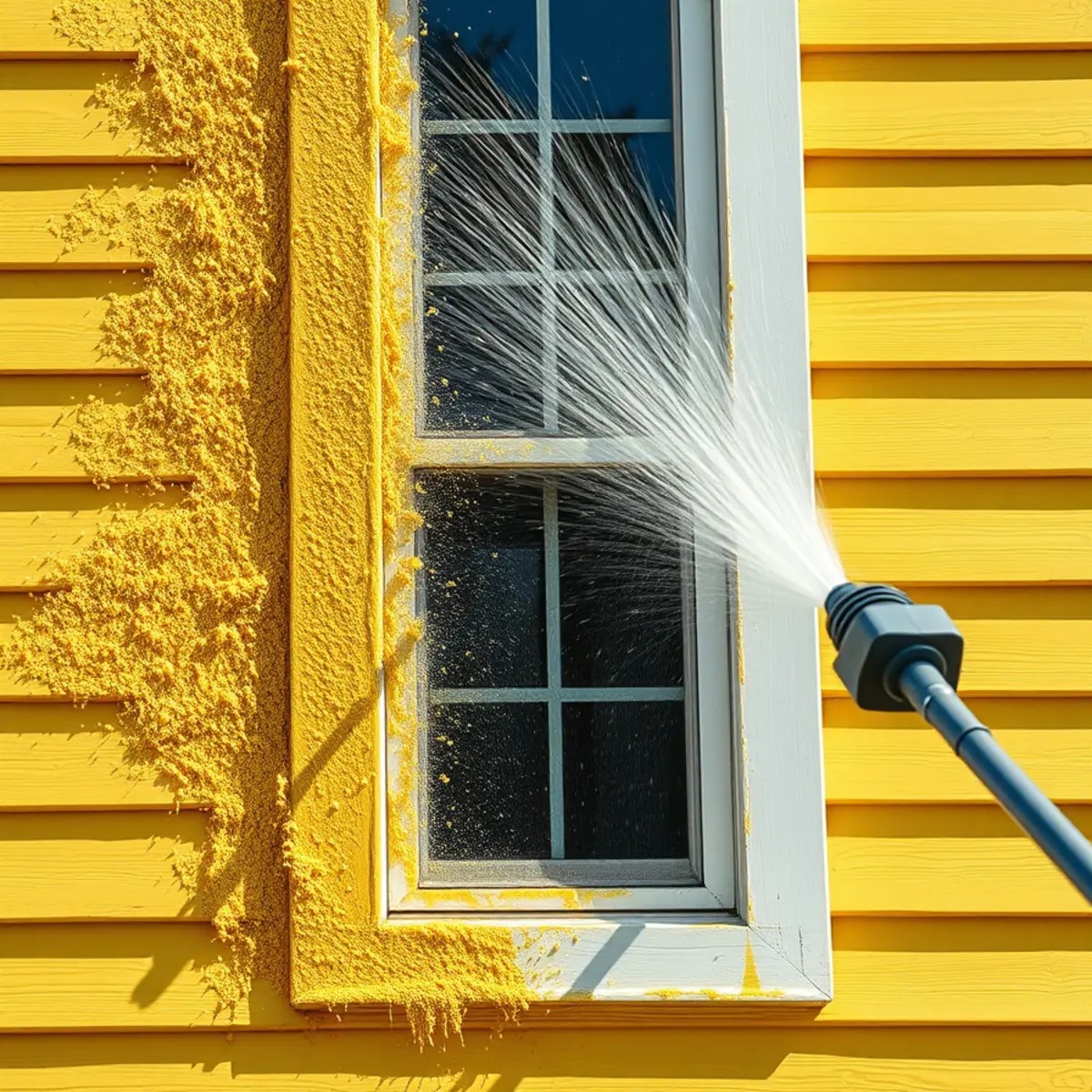
Wood is porous and easily gouged, so skip high pressure. Use a wood-safe or oxygen-bleach cleaner, apply and let it dwell, brush gently along the grain, and rinse with a low-pressure rinse, keeping cedar under 200 PSI. For composite decking (Trex), never use chlorine bleach or hot water; a mild deck cleaner and a soft brush at 500 to 1,000 PSI is the safe window. Let any wood dry fully before sealing.
Get the pressure wrong on pavers and you'll be re-sanding, so it pays to read the best way to clean pavers without damage. Our deck cleaning and paver cleaning services handle prep, treatment, and finish correctly the first time, and our patio cleaning crew does the same for stone and concrete.
How to Remove Lichen From Wood, Composite, and Vinyl Fences
Fences grow lichen on their shaded, north-facing sides, and the fix depends on the material.
- Wood fences. Treat them like a deck. Use an oxygen-bleach or wood-safe cleaner, let it dwell, brush along the grain, and rinse gently. Avoid harsh chlorine, which dries and lightens the wood.
- Composite fences. A mild cleaner and soft brush only. No chlorine bleach, no hot water, and low pressure.
- Vinyl fences. The easiest of the three. A diluted cleaner kills the lichen and a low-pressure rinse (100 to 500 PSI) clears it. Vinyl handles soft washing well.
For lichen that has bonded hard, scraping vs chemical treatment is the wrong frame, let chemistry loosen the grip first, then a gentle brush finishes the job without tearing the surface. Our fence cleaning service protects the material while clearing growth.
Cleaning Solutions That Work: Bleach, Vinegar, and Commercial Moss Killers
Not every cleaner is right for every surface. Here's what actually works.
- Sodium hypochlorite (bleach solution). The workhorse for roofs, siding, and concrete. Properly diluted and paired with a surfactant and dish soap surfactant to help it cling, it kills moss, lichen, and algae at the root. Always pre-soak landscaping.
- White vinegar (acetic acid). A milder, eco-leaning option for small patio or paver spots. White vinegar acetic acid works on light growth but struggles with established lichen and can etch some stone, so spot-test first.
- Commercial moss killers. Products based on potassium soap of fatty acids, zinc sulfate, or benzalkonium chloride are formulated for roofs and follow a clear dwell time. They're a solid choice when you want a labeled, predictable result.
A quick word on safety: never mix bleach with vinegar or ammonia, the combination releases toxic gas. Match the cleaner to the surface, respect the dilution, and let dwell time, not pressure, do the work.
Step-by-Step DIY Removal Process
For a ground-level surface, here's the reliable sequence:
- Identify the growth (moss, lichen, or algae) and check the surface's safe PSI range.
- Choose and dilute your solution correctly.
- Pre-soak surrounding plants and set up runoff containment.
- Apply with a garden sprayer, working top to bottom and saturating evenly.
- Let it dwell the full time, never let it dry out in direct sun.
- Brush gently with a pole brush or soft-bristle brush only where needed.
- Rinse at low pressure, matched to the surface.
- Let it finish. On roofs especially, let rain carry away dead growth over the following weeks.
Patience beats power. If a patch resists the first pass, re-treat rather than reaching for more PSI pressure.
Tools and Safety Gear You'll Need
Have everything ready before you start:
- Garden sprayer or pump sprayer for even application
- Pole brush or soft-bristle brush for gentle agitation
- Your chosen cleaner (bleach, oxygen bleach, or commercial moss killer)
- Garden hose for the low-pressure rinse
- Eye protection, chemical-resistant gloves, and old clothes
- Non-slip footwear, surfaces get slick during cleaning
- Plastic sheeting or pre-soaked plants for landscape protection
For any roof work, add proper fall protection and a stable ladder. If reaching the roof means standing on it, that alone is reason enough to consider a pro. A ground-applied garden sprayer with a pole keeps you off the surface on lower roofs.
How to Prevent Moss and Lichen From Coming Back (Zinc & Copper Strips, Trimming, Drainage)
Removal is half the battle. Our climate keeps reseeding growth, so prevention is what keeps surfaces clean for years.
- Install zinc strips or copper strips along the ridge cap. When it rains, trace copper ions and zinc wash down the roof and inhibit new growth, a slow, steady regrowth prevention built on simple oxidation chemistry.
- Increase sunlight and airflow. Trim overhanging branches so surfaces dry faster. Moss struggles in dry, sunny conditions.
- Improve drainage. Keep gutters clear and direct water away from walkways and decks instead of letting it pool. Stay on top of gutter cleaning and debris, clogged gutters keep a roof edge perpetually wet.
- Schedule periodic maintenance. A gentle preventive wash every couple of years stops growth before it damages the surface.
- Address algae early. Since algae precedes moss and lichen, our algae removal and dedicated moss & lichen removal services target the problem at its source, and routine gutter cleaning keeps the roof edge draining.
Staying on a simple rhythm costs far less than restoring a roof or replacing rotted deck boards.
Best Time of Year to Treat Moss and Lichen in Massachusetts
Timing matters in New England. The best treatment window is late spring through early fall, when the weather is dry and mild enough for solutions to dwell and surfaces to dry afterward.
Avoid treating in freezing temperatures, cleaning solutions don't work well, and water can freeze on the surface. For most homes, late May through June is ideal for roof and siding work, after the spring pollen drop. Decks and fences clean up nicely in early fall before leaf litter accumulates. For a season-by-season plan, see our spring exterior cleaning checklist and our broader take on the best time of year to pressure wash in Massachusetts.
DIY vs. Hiring a Professional Pressure Washing Company
Plenty of light, ground-level cleaning is a reasonable weekend project. But some jobs clearly belong with a pro:
- Roofs and any work at height, where a fall or a voided warranty is a serious risk.
- Widespread or deeply rooted lichen that resisted your first attempt.
- Large commercial properties, HOAs, or rentals where slip liability and appearance matter.
- Delicate surfaces like natural stone, older brick, or stained wood, where one mistake is costly.
Professionals bring commercial soft-wash systems, the right chemistry for each surface, and the experience to dial in pressure precisely. Wash Bros is fully insured (certificate of insurance available on request), a baseline any homeowner should confirm before letting anyone on their roof. For a fuller breakdown, read DIY vs. professional pressure washing. We serve homeowners and businesses from Boston and Worcester to the Plymouth South Shore.
How Much Does Professional Moss and Lichen Removal Cost?
Cost depends on the surface, the severity, access, and pitch. As a general industry estimate, professional roof moss and lichen removal commonly runs in the $450 to $700 range for a typical single-family home, with steep, complex, or heavily colonized roofs costing more. Treat that as an estimate, not a quote, every property is different.
The factors that move the price are straightforward: roof size and pitch, how thick the growth is, ease of access, and whether prevention like zinc strips is added. Whatever the number, weigh it against the alternative. A premature roof replacement runs many thousands of dollars, so a periodic cleaning is cheap insurance. For more on what drives pricing locally, see how much pressure washing costs in Massachusetts. Wash Bros gives free, no-obligation estimates so you know the real number for your home.
How Often Should You Treat Outdoor Surfaces for Moss and Lichen?
For most Massachusetts homes, a roof and exterior soft wash every two to three years keeps growth in check, more often on heavily shaded, tree-covered lots, less often on sunny, open properties.
Watch the warning signs between cleanings: returning green or black streaks, soft spongy patches in roof valleys, or lichen's telltale crusty circles. Shaded north-facing planes will always need attention first. Pair regular cleaning with prevention, zinc or copper strips, trimmed branches, clean gutters, and you stretch the interval and protect the surface at the same time. Consistent exterior maintenance is the difference between a roof that lasts its full rated life and one that fails early.
Get Professional Moss and Lichen Removal in Massachusetts
If moss or lichen has taken hold on your roof, siding, deck, walkway, or stonework, Wash Bros will remove it safely with the right chemistry, not reckless pressure, and help keep it from coming back. Founded in 2023 by brothers Louis and Dominic, our family-run, fully insured team has earned a 5.0 average across 130 reviews by doing the job right the first time. Call us at +1 (351) 242-0666 or contact us for a free, no-obligation estimate, and let's protect your property the right way.
Frequently Asked Questions
Need Professional Exterior Cleaning?
Wash Bros provides affordable, dependable pressure washing across Massachusetts. Get your free estimate today.
Get a Free Estimate