Pressure Washing Before & After Gallery
Real results from real Wash Bros jobs across Massachusetts. See the difference professional exterior cleaning makes.
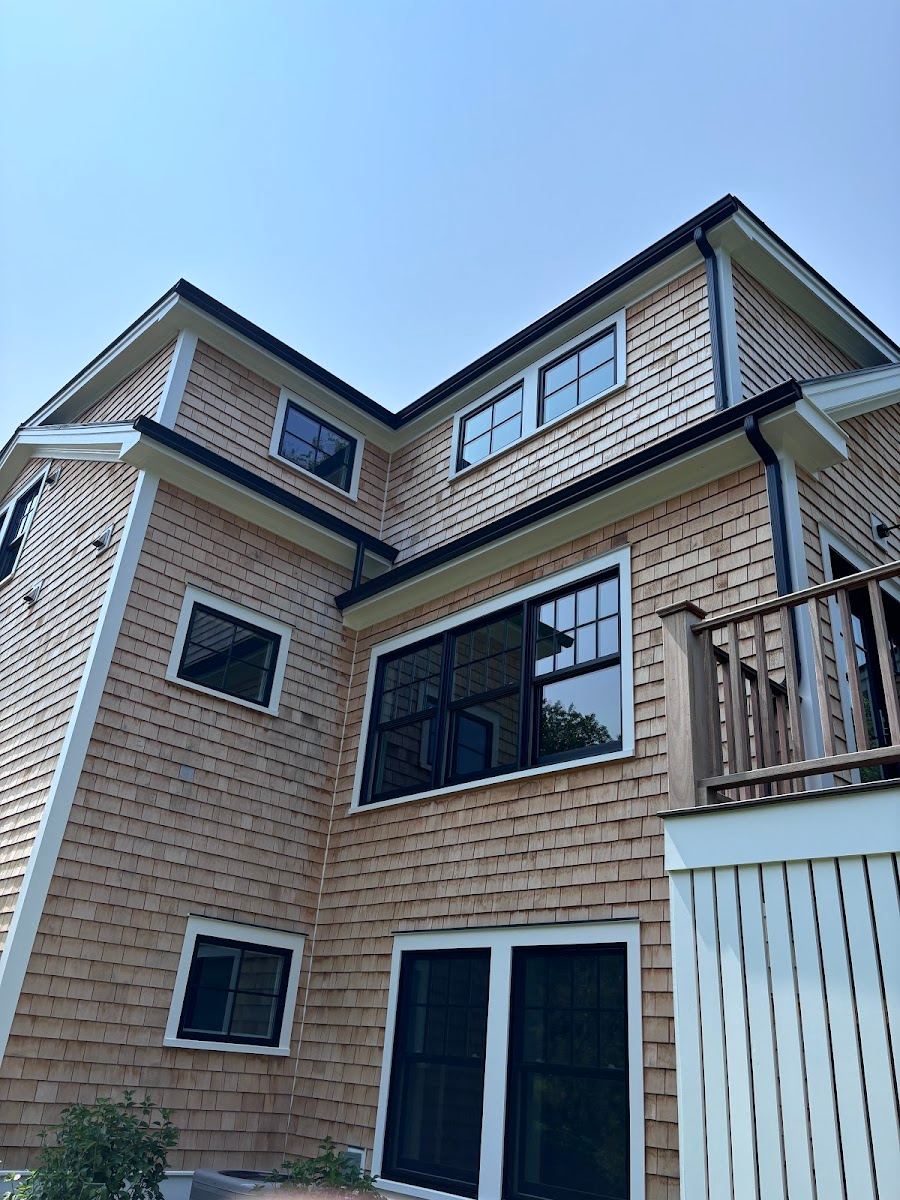
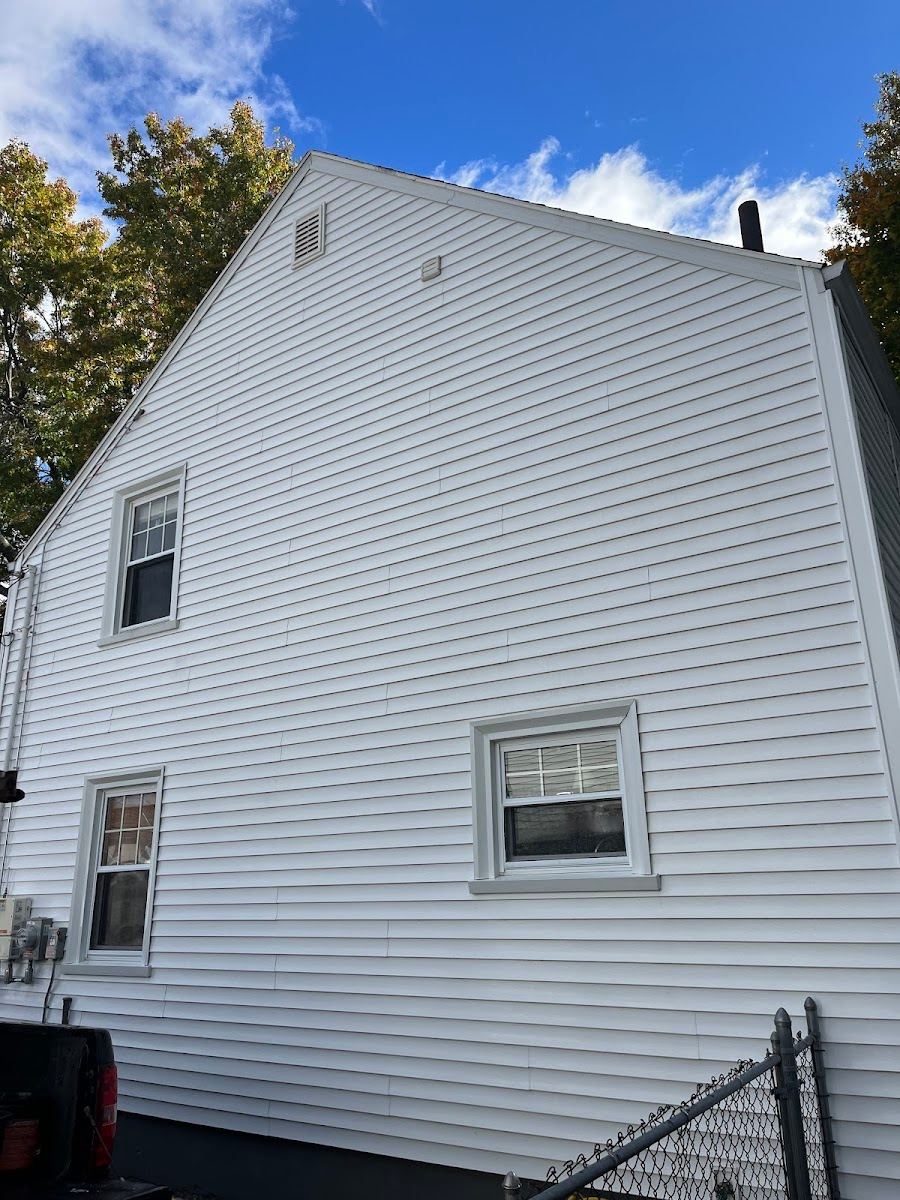
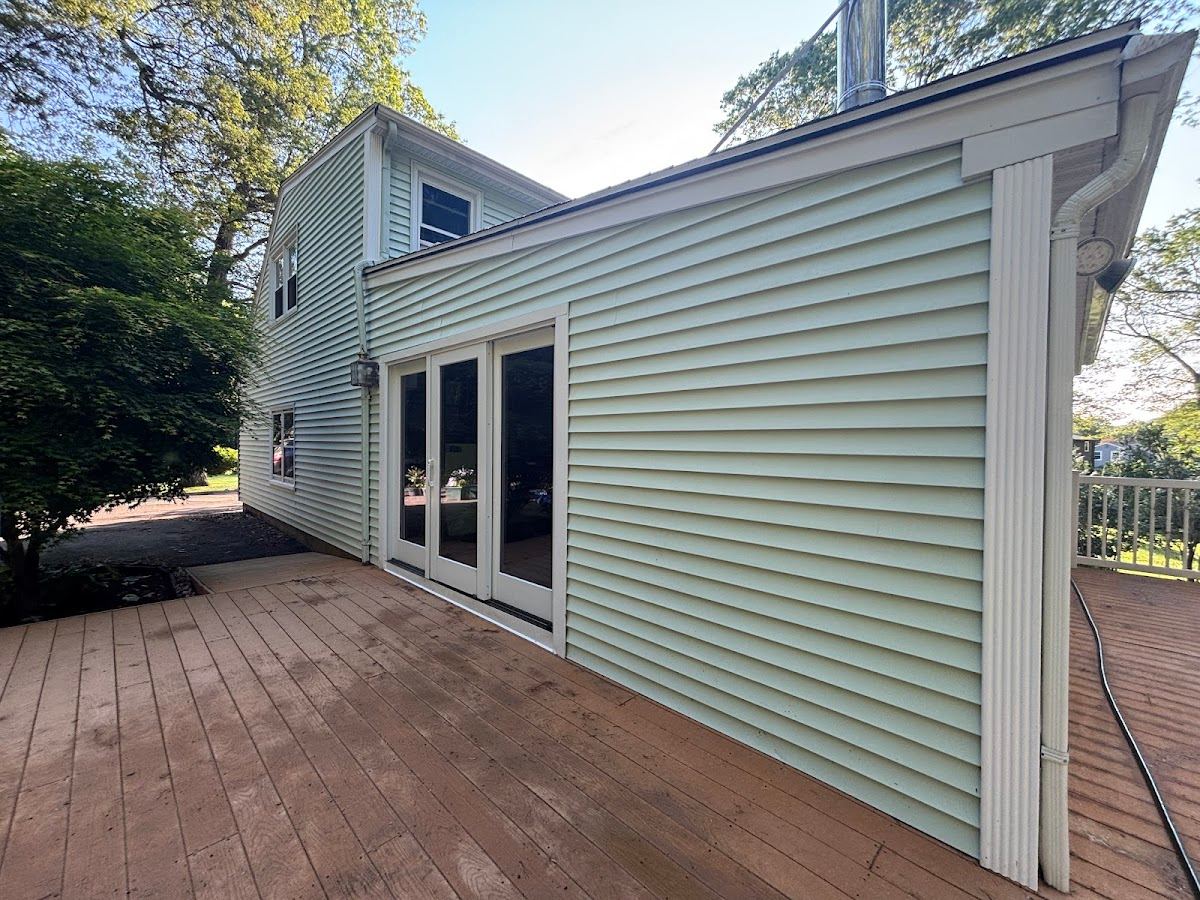
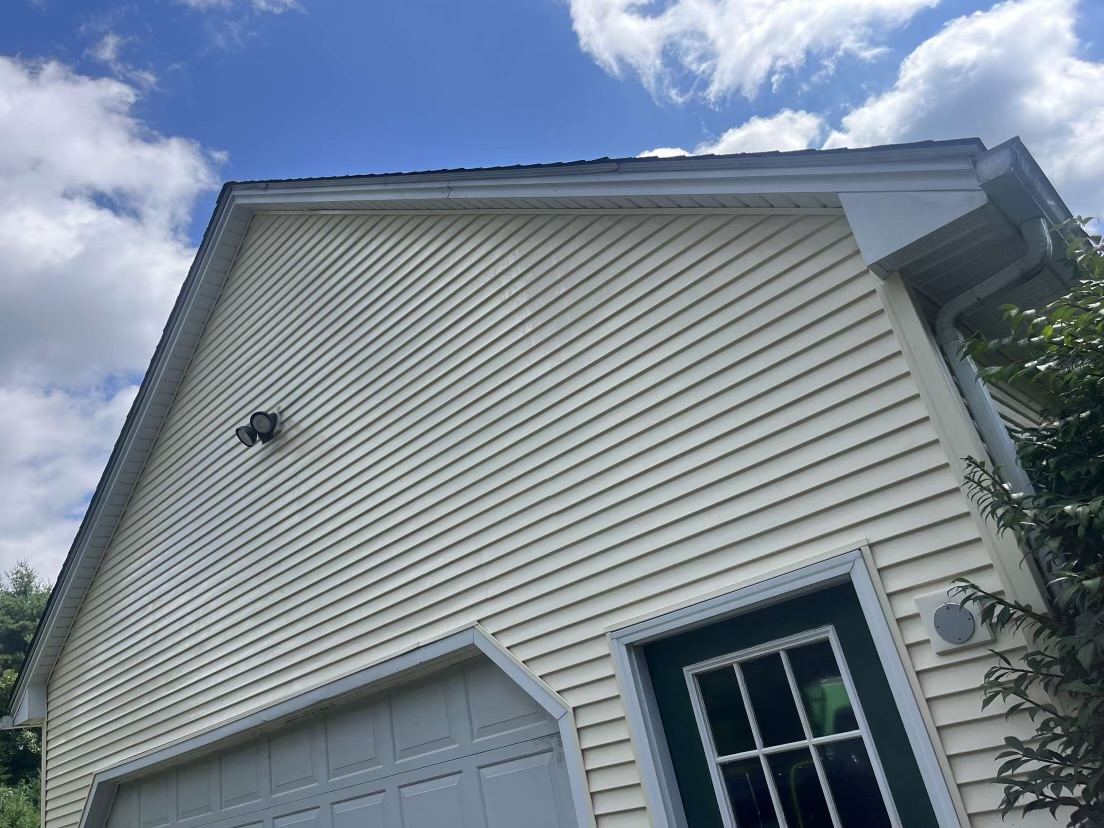
How to Read a Real Before-and-After
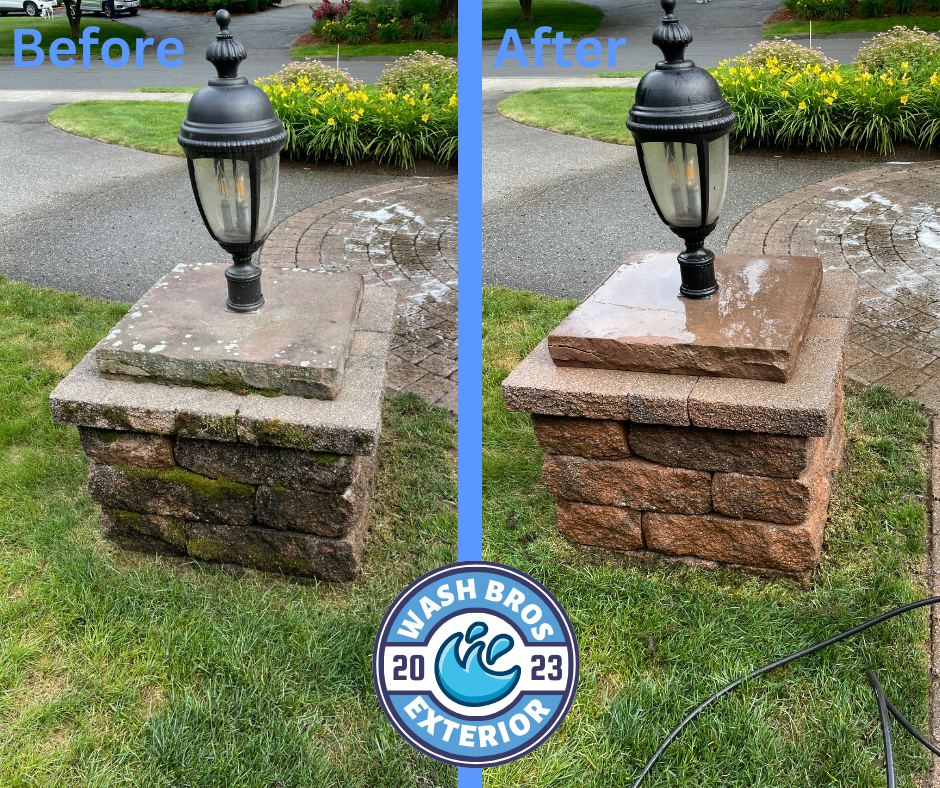
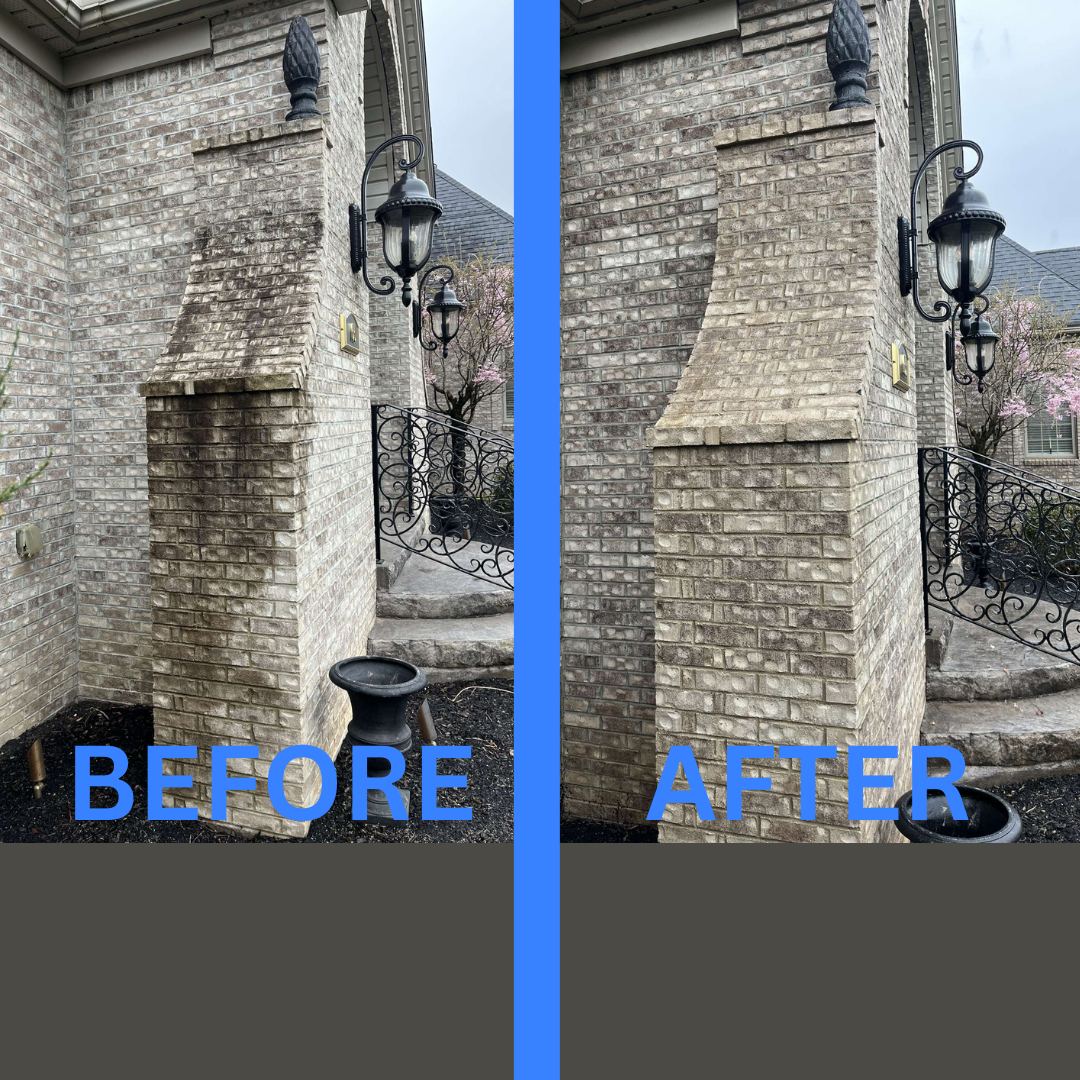
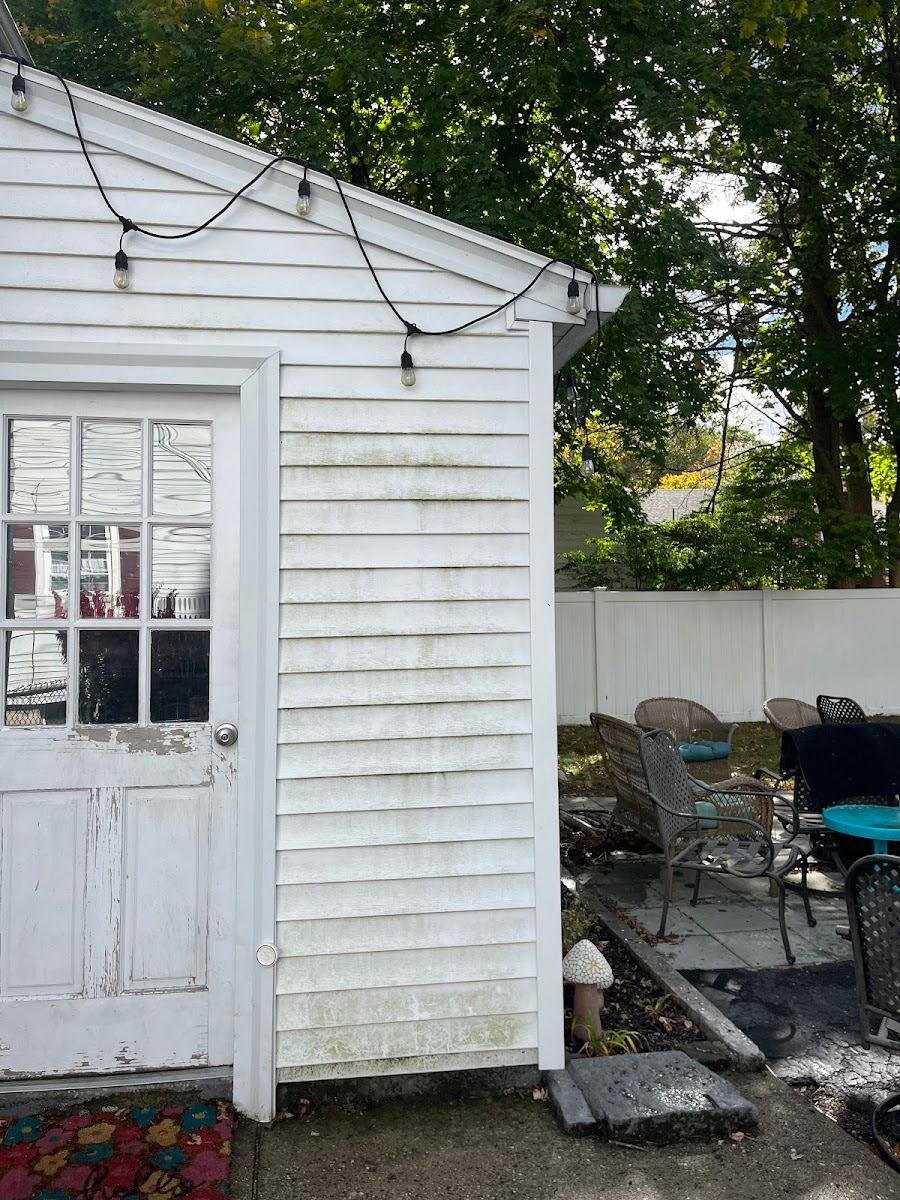
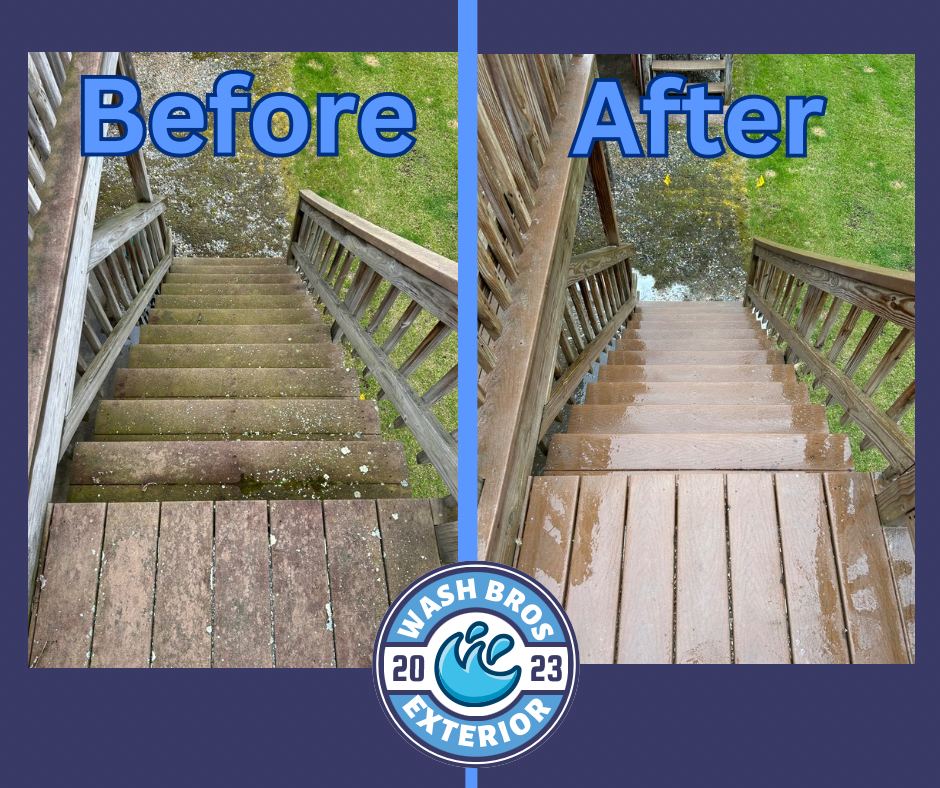
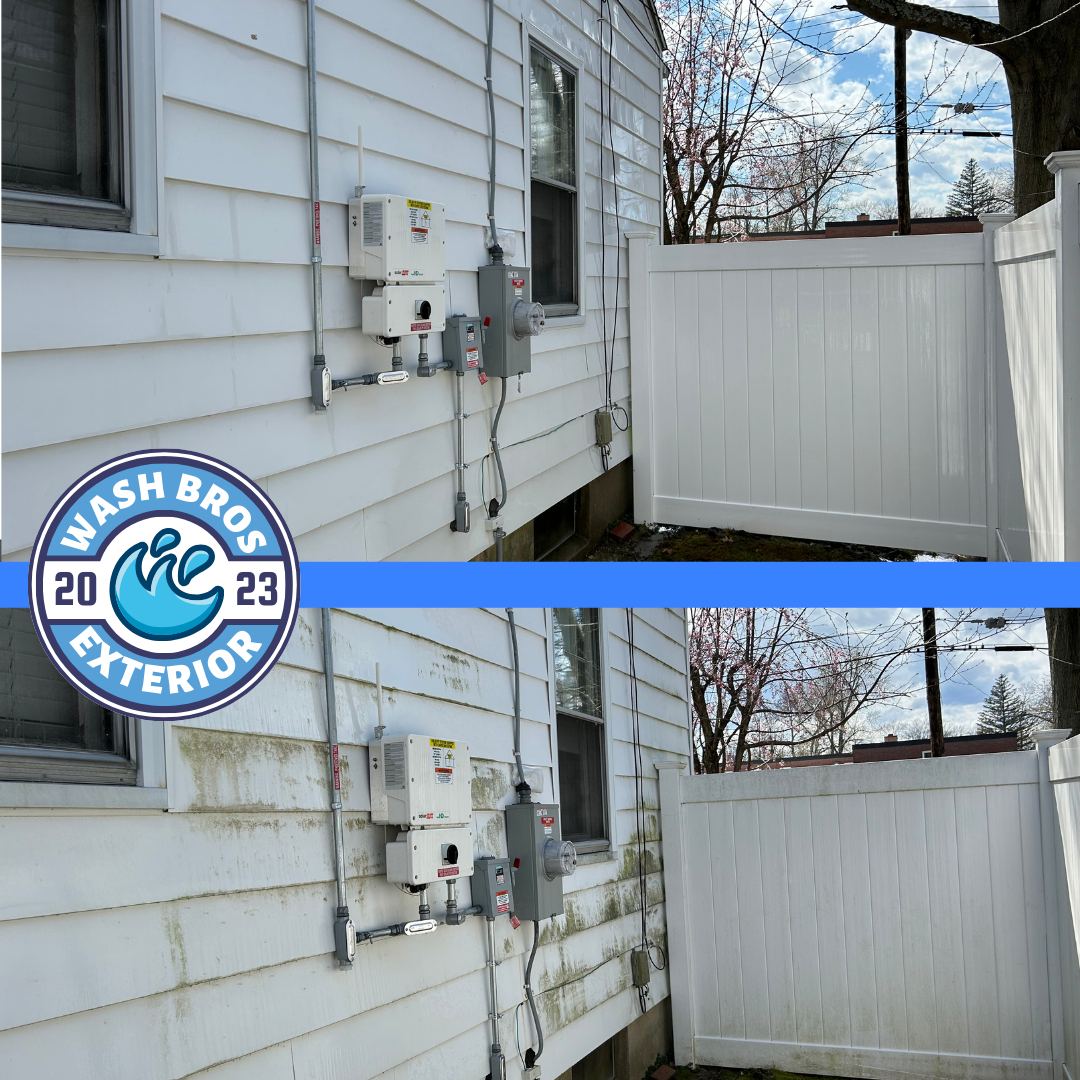
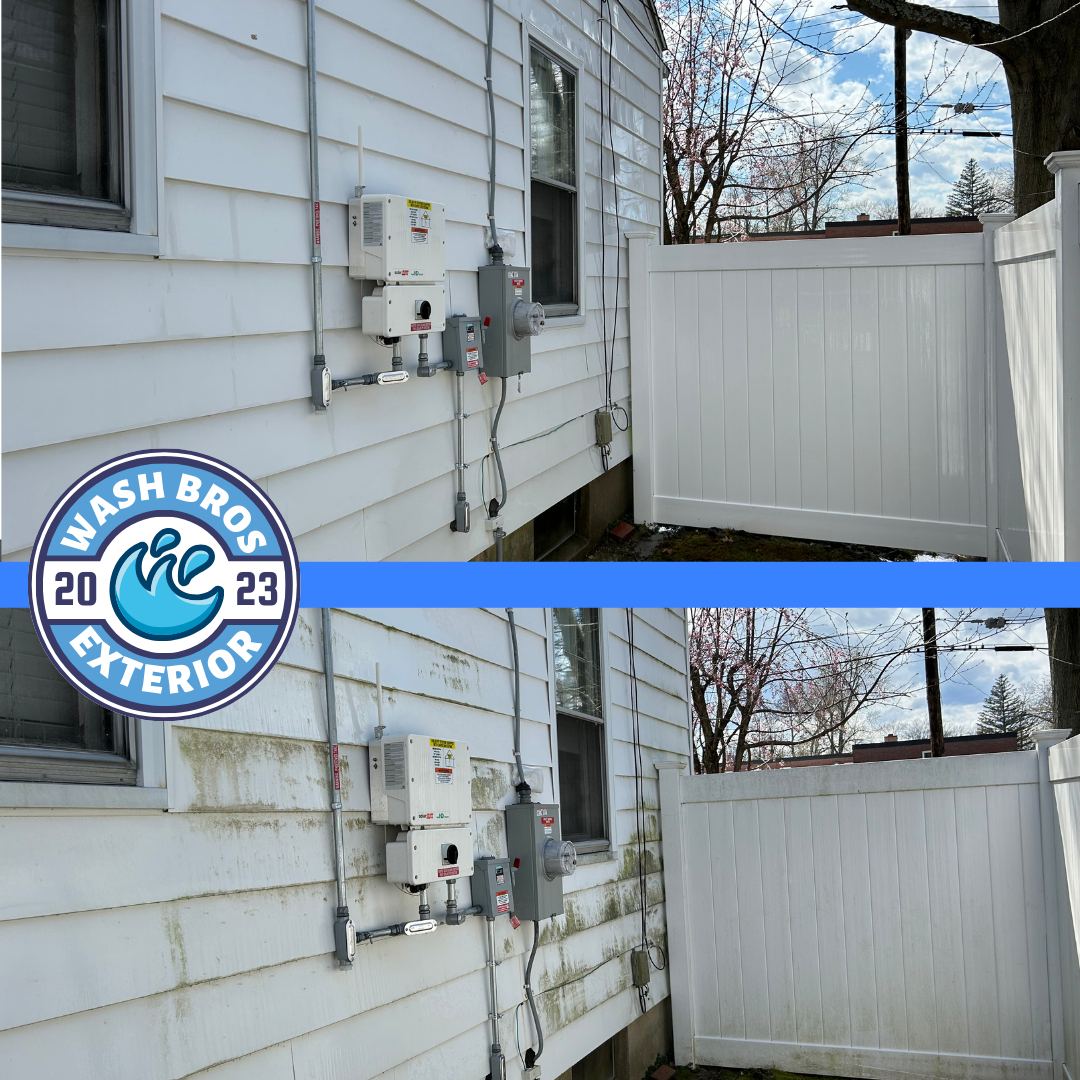
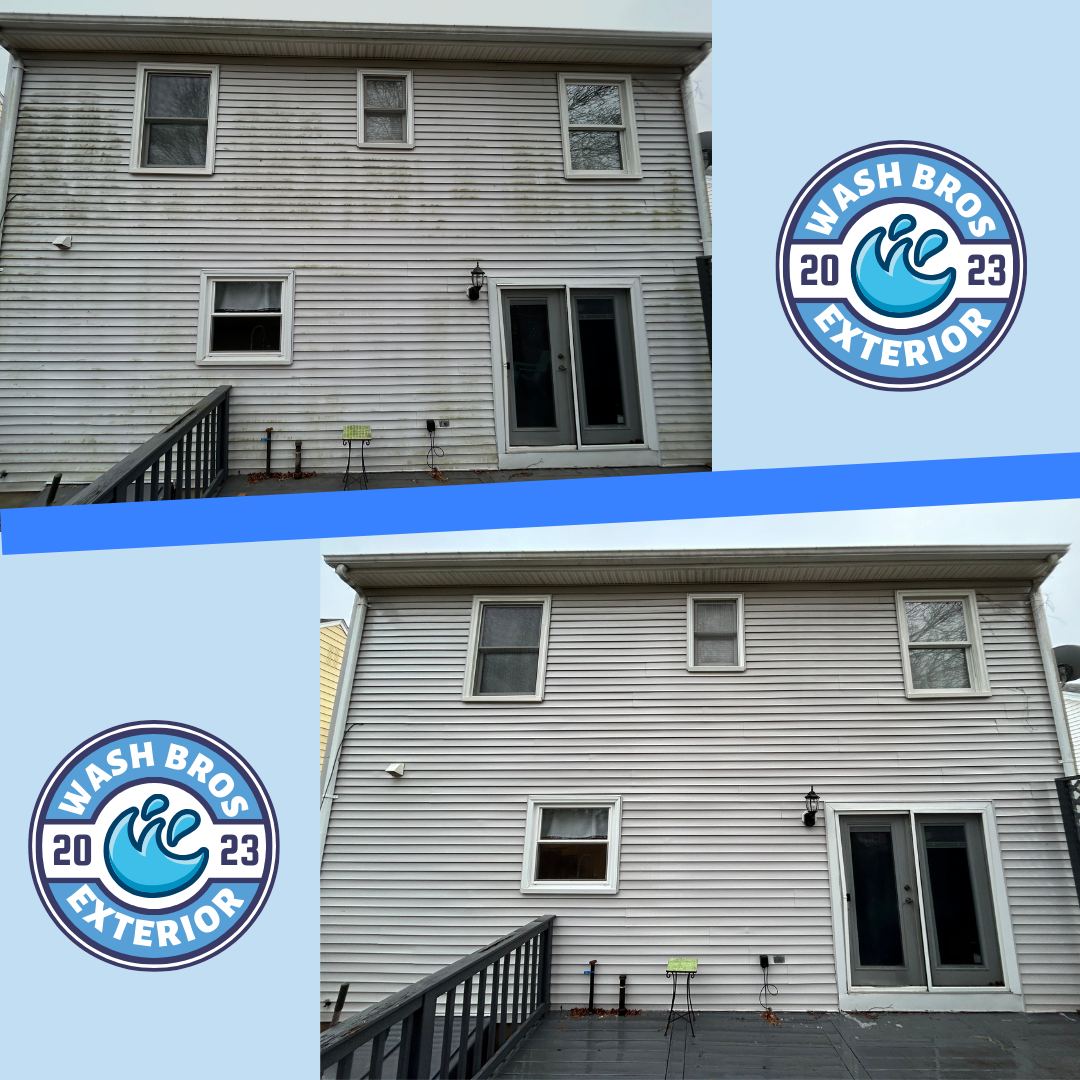
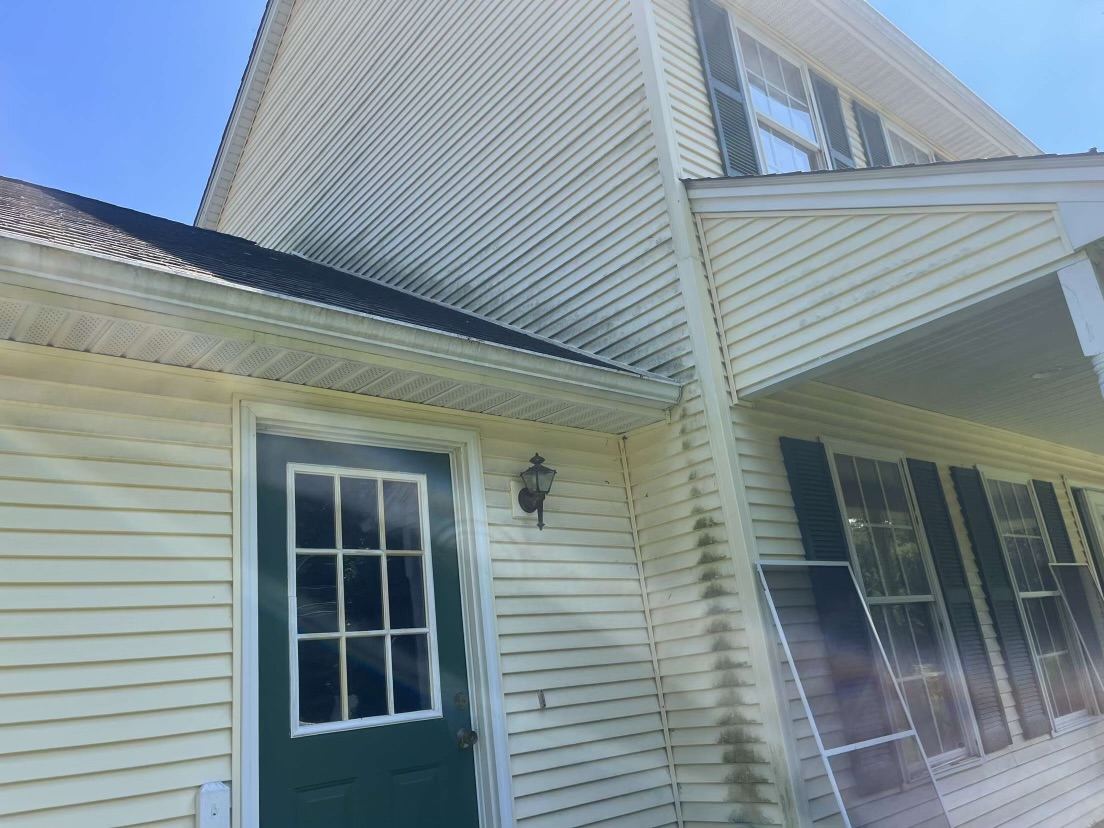
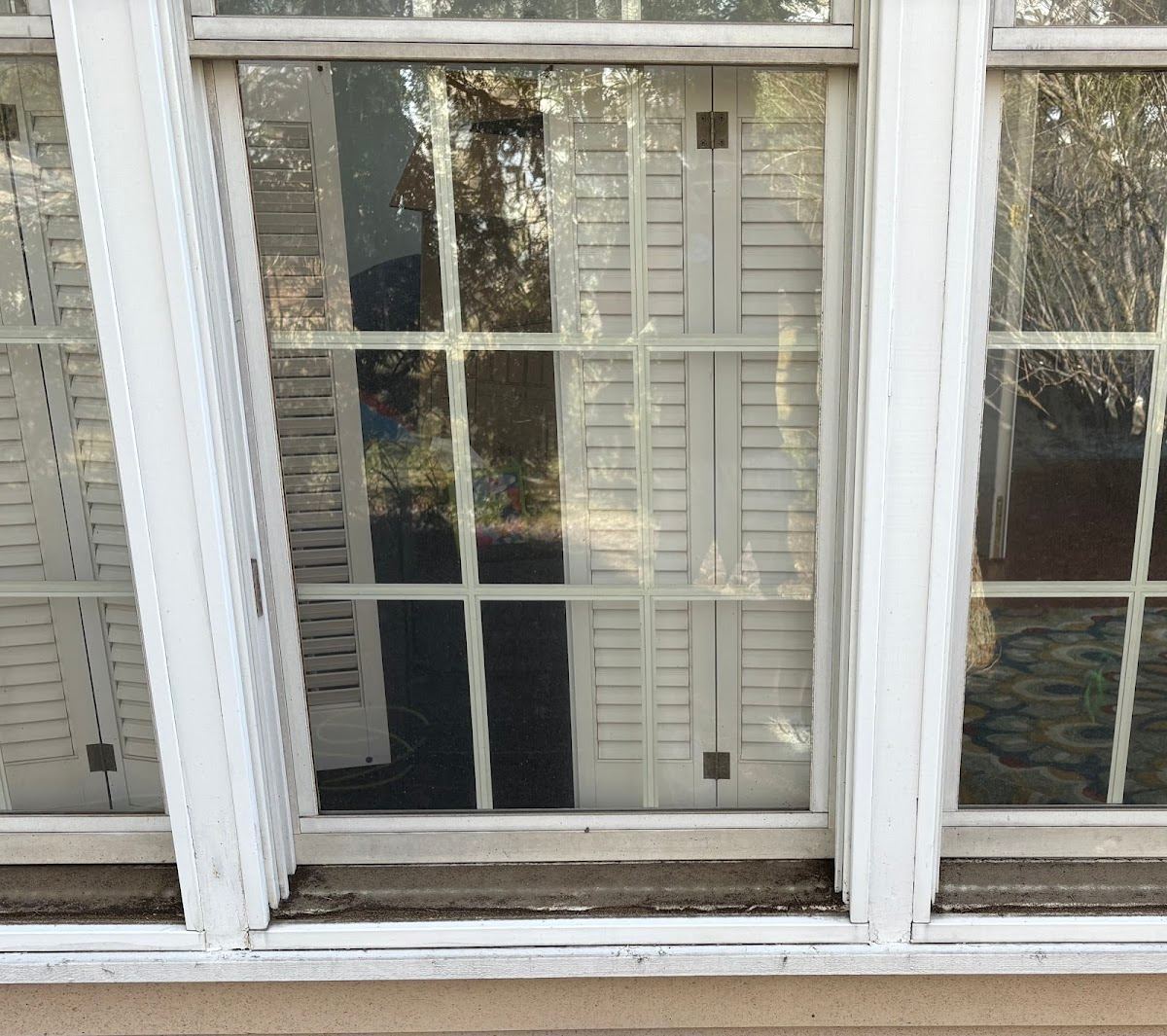
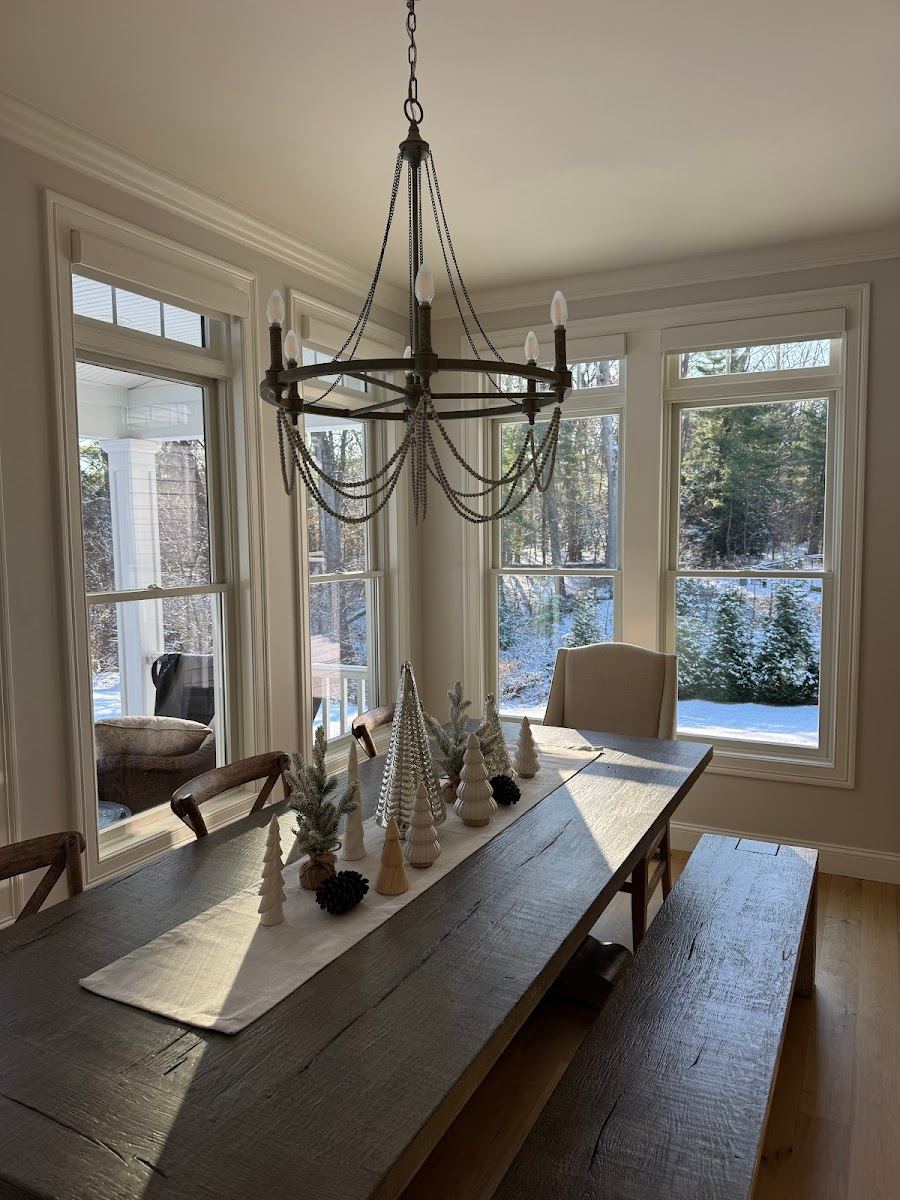
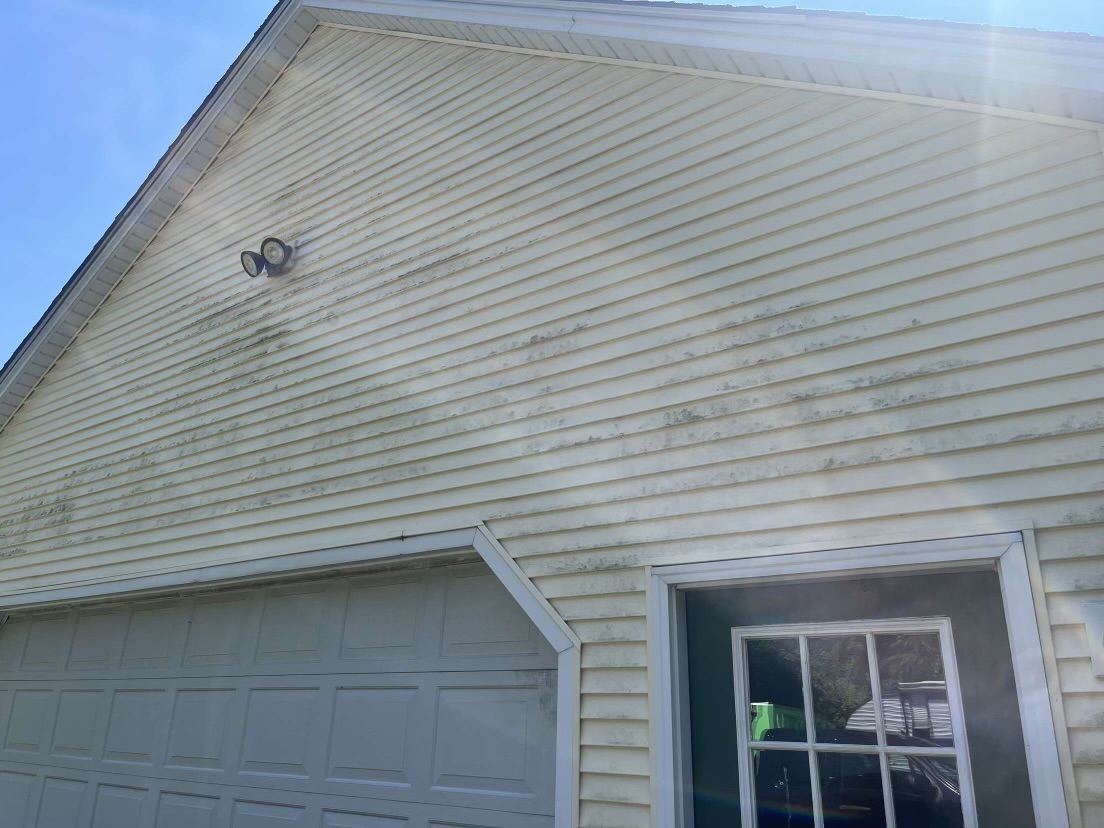
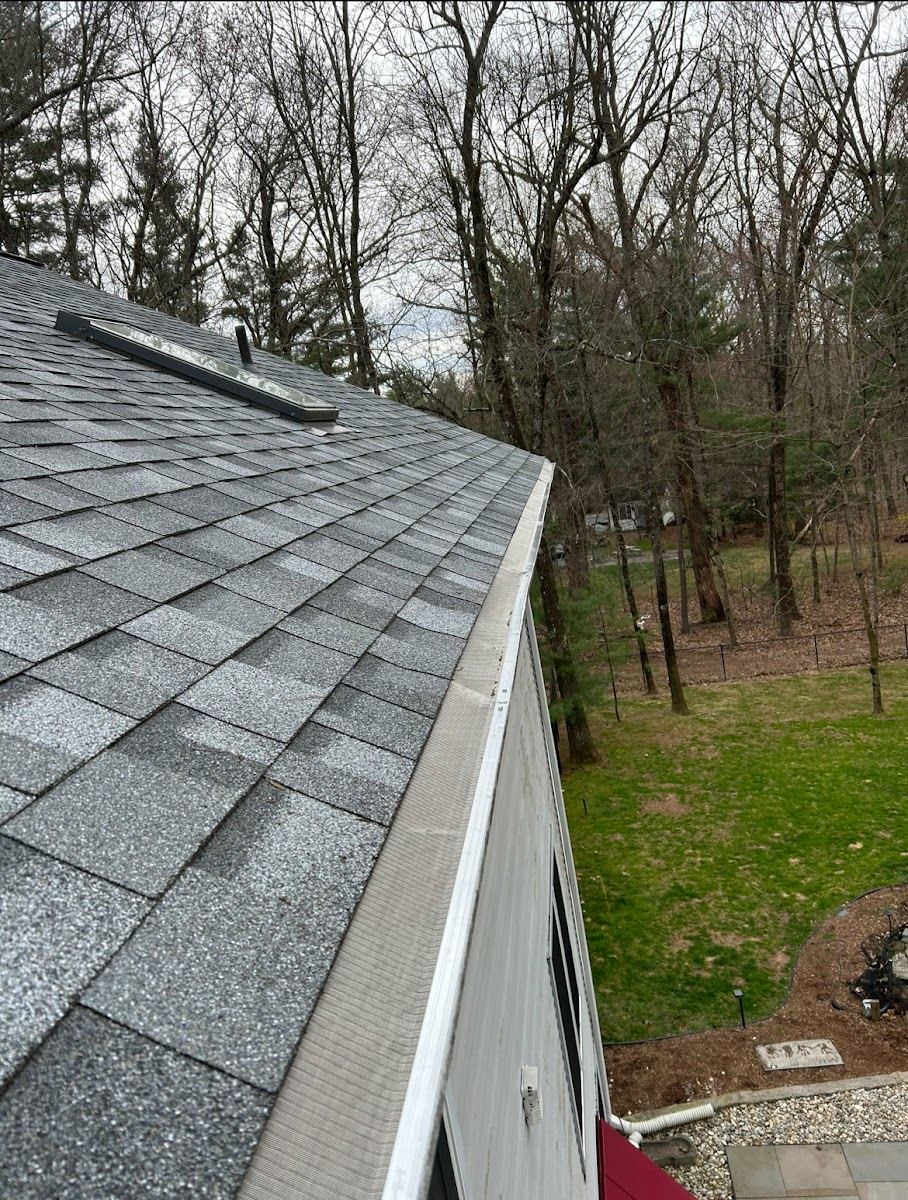
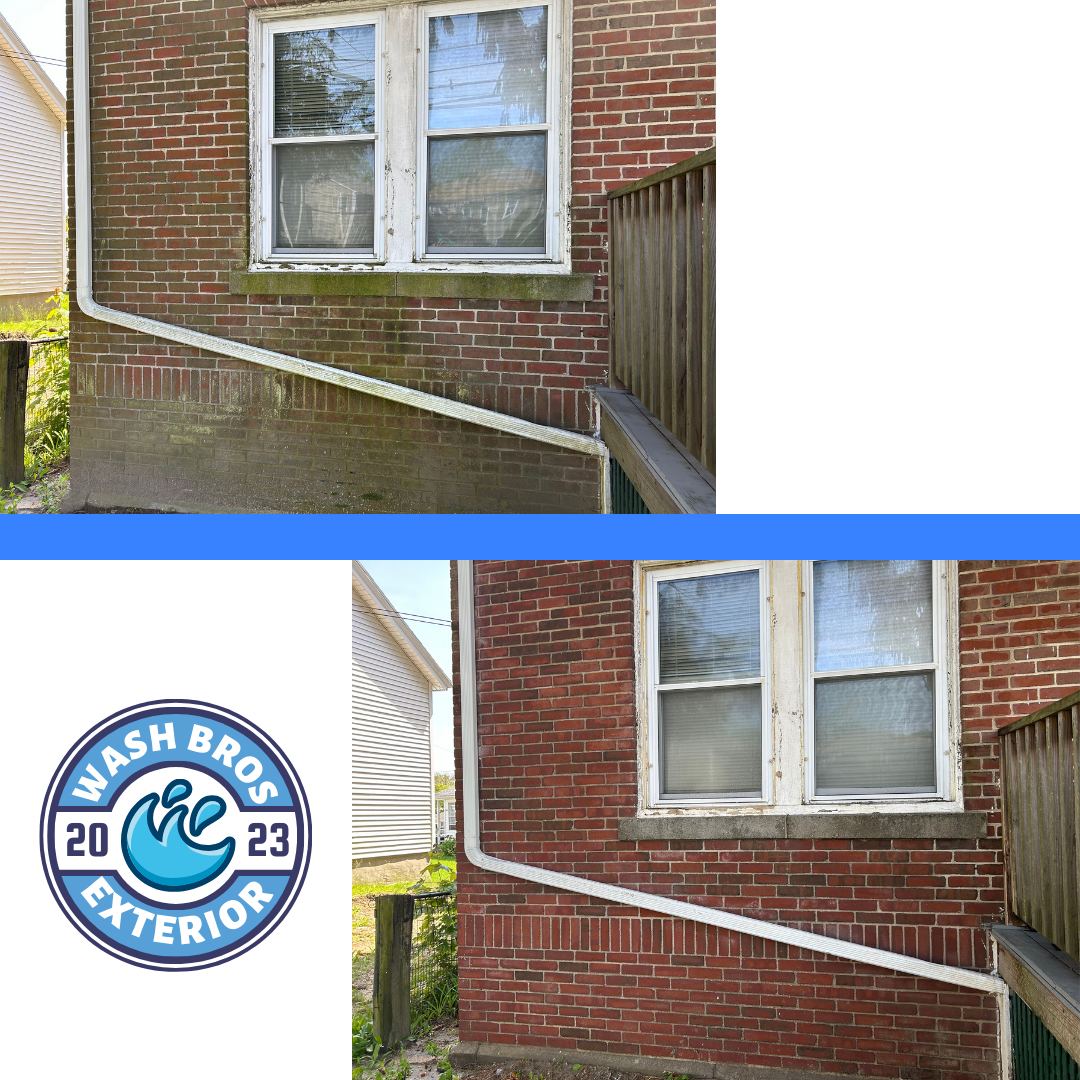
A photo can lie. A genuine before-and-after cannot — not if you know what to look for. Every image in this gallery is a real Massachusetts job we washed ourselves, shot on the same property, same angle, same light. No stock photos, no borrowed portfolios, no AI renders. When you look at a pairing here, study the boundary line where clean meets dirty. On a half-washed section you can see exactly what was lifted off: the green film of algae, the gray-black bloom of mildew, the deep streaks running down a roof. That contrast is the honest part. A surface that looks "brighter" in soft afternoon light but shows no real edge of removed growth is a quick rinse, not a clean.
Here is the test we apply to our own work, and the one you should apply to anyone's: did the contamination actually leave the substrate, or did it just get knocked down and wetted out so it photographs well for a day? The difference shows up in three to six months, and in New England it shows up fast.
What the Surfaces Tell You
Different materials carry different stories, so we group the gallery by what you're actually looking at:
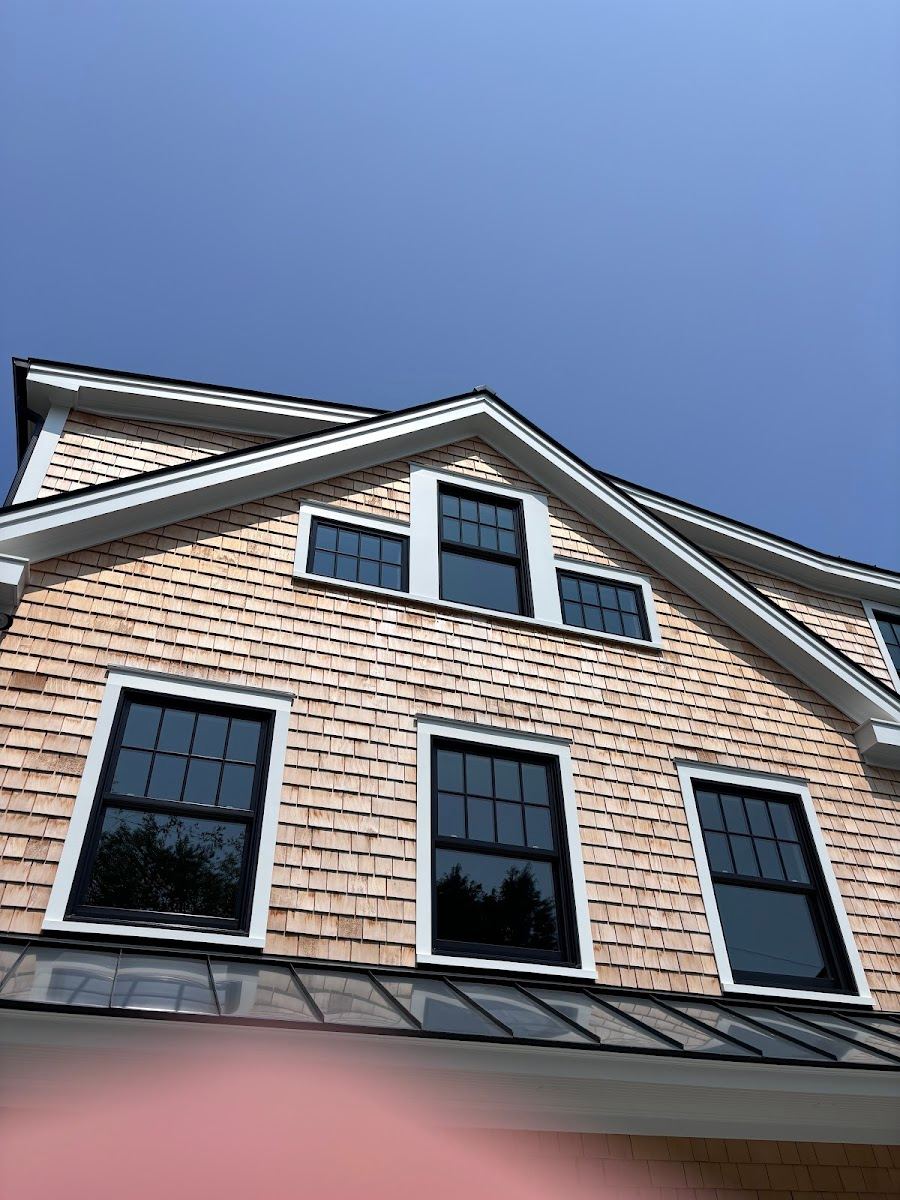
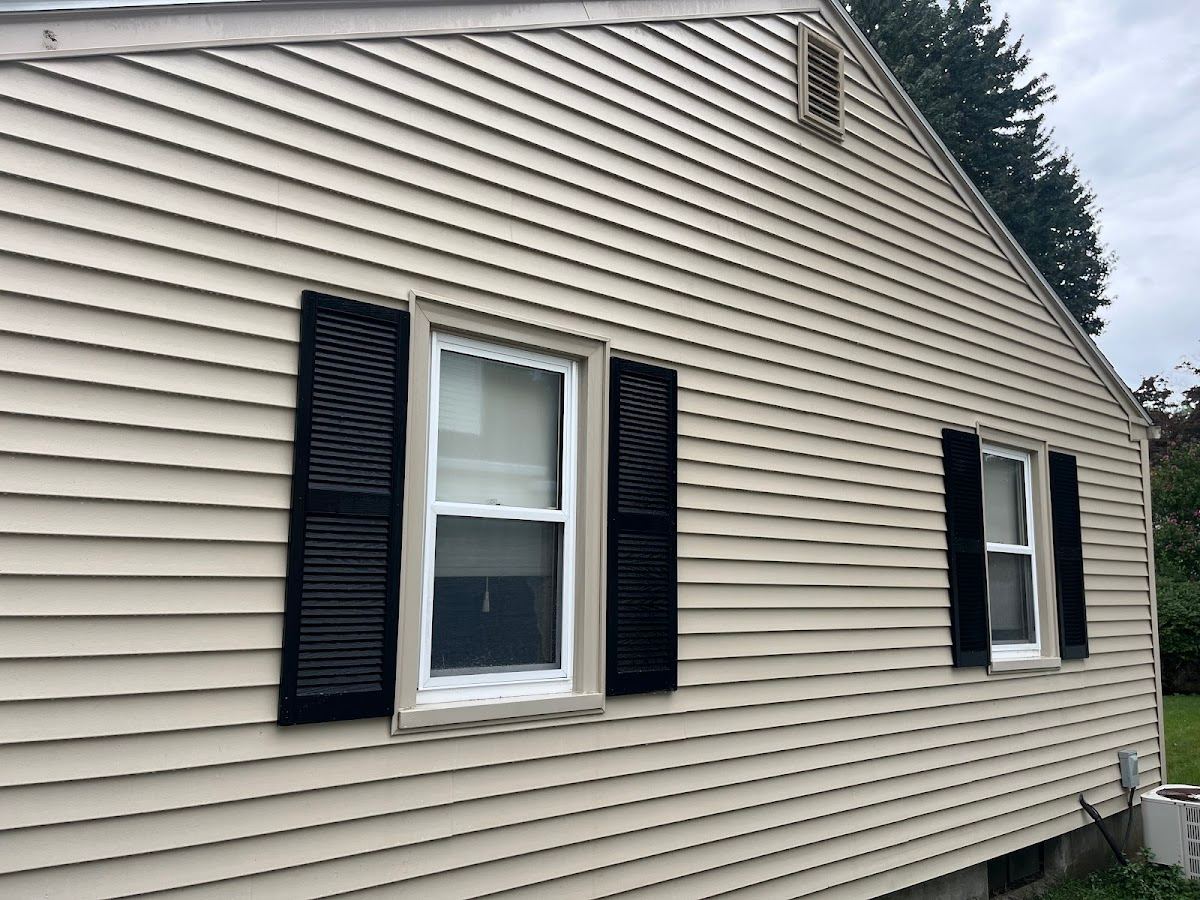
- Siding and whole-house results. Vinyl, clapboard, cedar shake, and fiber cement covered in mildew and algae. The right approach here is a soft wash — low pressure plus biodegradable surfactants that kill the organism at the root, not a pressure wand that drives water behind the panels. Compare a house washing or vinyl siding cleaning before-and-after and look at the shaded north-facing walls; that's where MA humidity and pollen feed growth hardest.
- Roofs and black-streak removal. Those dark stains are Gloeocapsa magma, a cyanobacteria eating the limestone filler in your shingles. A clean roof should show the streaks gone with zero high pressure touching the granules. Anyone power-washing a roof is shortening its life on camera.
- Driveways, concrete, and pavers. Here is where pressure earns its keep. A driveway or concrete slab cleans up with surface-cleaner passes and even, shadow-free results — no zebra striping from a careless wand. Paver work is its own craft: clean, then re-sand the joints so weeds and ants don't move back in.
- Fences, decks, and wood. A weathered fence or graying deck needs restraint. Too much pressure furs the grain and ruins the surface for staining. The good result looks even and clean, with the wood texture intact.
- Commercial. Storefronts, dumpster pads, HOA walkways, and full building exteriors. Commercial pressure washing results should read as consistent across a large area — no missed corners, no high-traffic shadow where the crew got tired.
Soft Wash vs. Power Wash — Why the Results Differ
Most people think a cleaner result means more pressure. It does not. You don't need more pressure; you need the right chemistry. The reason the before-and-afters here hold up is that we match the method to the material.
Power washing — real volume and PSI — belongs on concrete, brick, and the occasional industrial surface. Point that same equipment at siding, a roof, or stained cedar and you get etched vinyl, water intrusion, and stripped wood. Soft washing does the opposite: low pressure carries a cleaning solution that breaks down algae, mold and mildew, and moss and lichen at the biological level. The growth dies and releases, instead of getting blasted off the top while the roots stay behind.
That distinction is the whole reason a genuine result lasts. A pressure-only rinse strips the visible layer and leaves living spores in the pores of the surface. Looks great in the photo. Regrows by the next humid stretch. A proper soft wash with biodegradable surfactants kills the colony, so the surface stays clean for many months, not weeks.
What Separates a Real Result From a Regrow
When you compare images in this gallery, you are really looking for durability you can't see in a single frame. What produces it:
- Surface-appropriate pressure — high PSI on flatwork, near-zero on anything soft or organic.
- Dwell time and the right solution — the chemistry has to sit and work, not get rushed off.
- Care for everything around the work — we pre-wet and rinse landscaping, manage runoff, and take extra care on properties with private well water. A clean wall over a killed garden isn't a result we'd photograph.
These Are Massachusetts Jobs
Every pairing here was washed in our backyard — coastal homes fighting salt-air corrosion and constant marine moisture, inland properties battling humidity, pollen, and the freeze-thaw cycle that works grime deep into concrete over a New England winter. We've cleaned historic clapboard in Cambridge, triple-deckers and storefronts around Worcester, and everything in between. Different town, different exposure, different right answer.
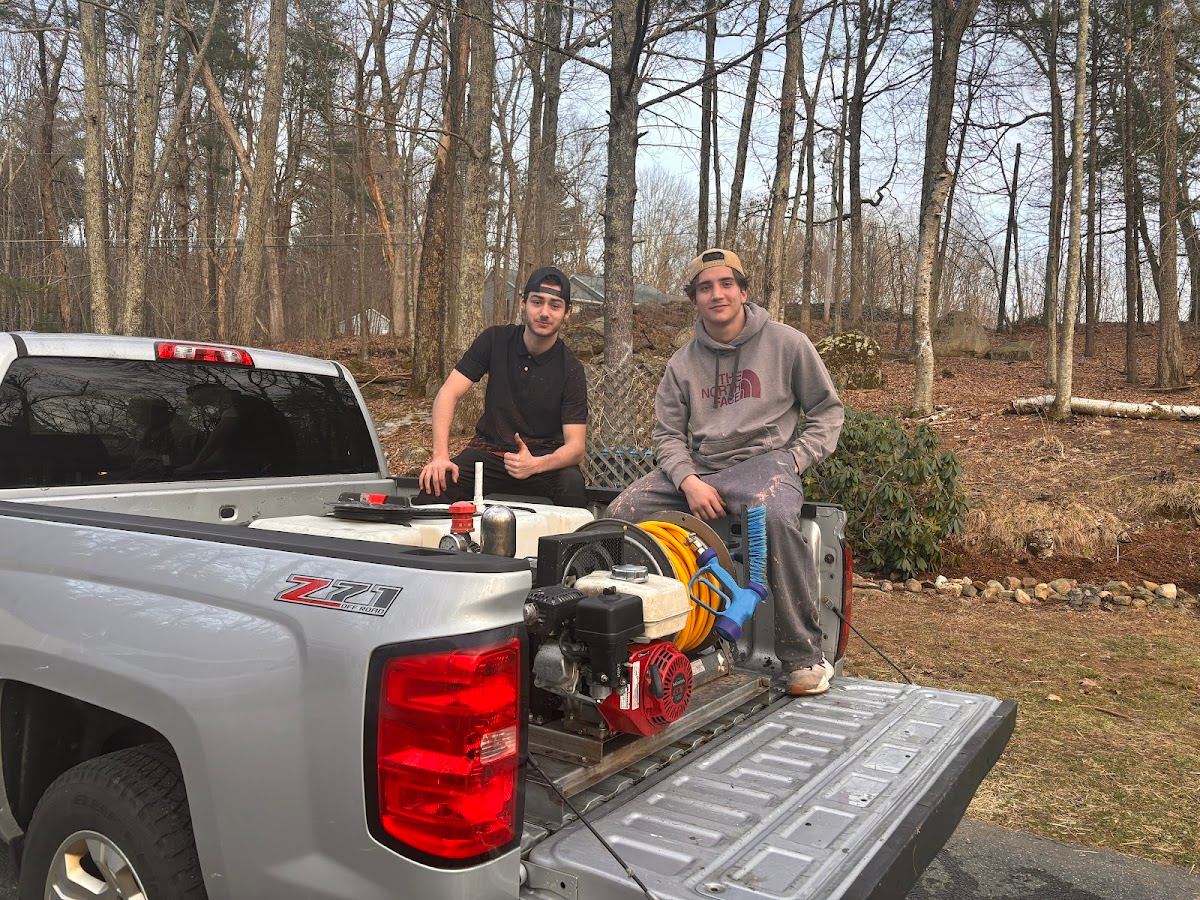
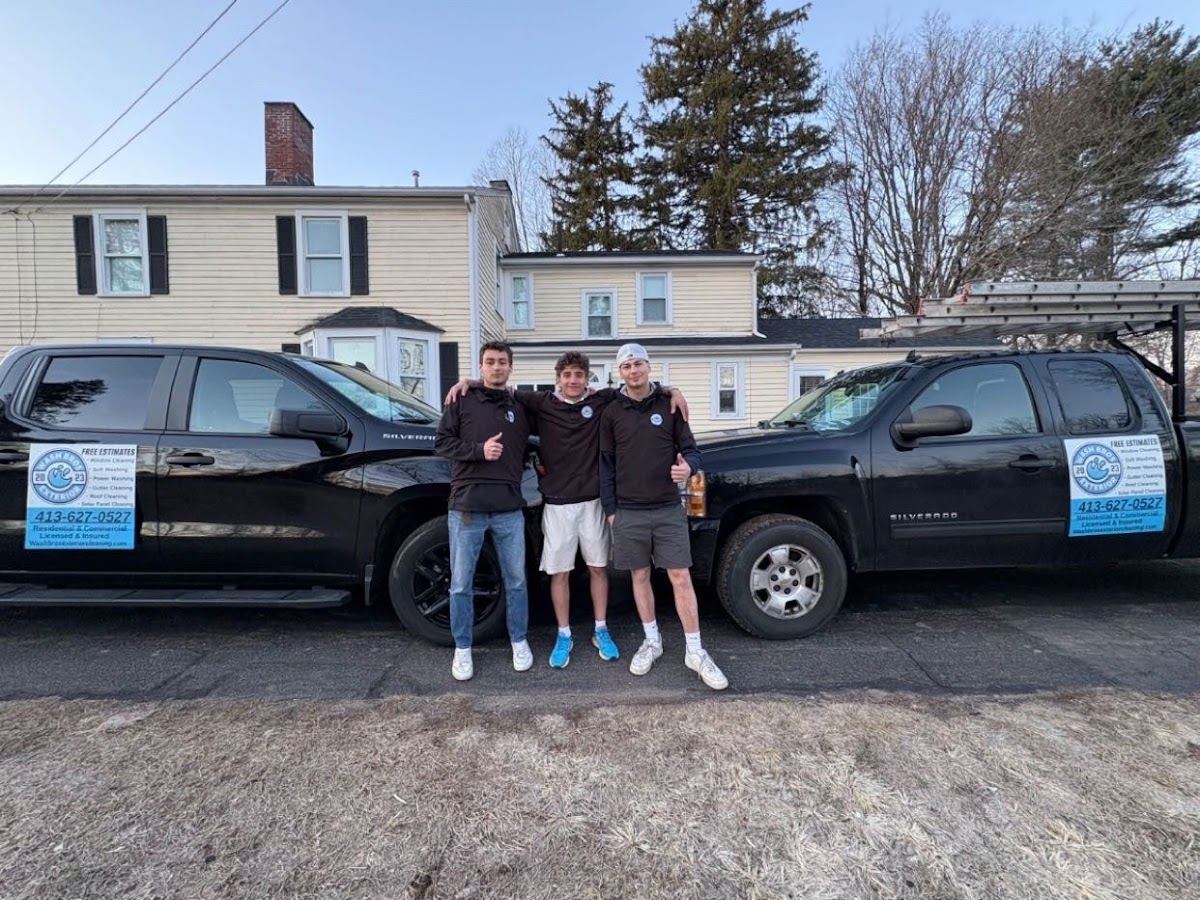
Wash Bros is a family-run outfit — brothers Louis and Dominic, building this since 2023, with a 5.0 rating across 130 Google reviews. We're fully insured, and we'll hand you a certificate of insurance before we ever touch your property. Ask the low-ballers and the uninsured trucks for that and watch the conversation end.
Want your home in the next batch of before-and-afters? Contact us for a free, no-pressure estimate, or call +1 (351) 242-0666. We'll tell you honestly what your surfaces need.
Ready to Restore Your Property's Exterior?
Get affordable, dependable exterior cleaning from Wash Bros. Free estimates, surface-safe methods, and results you can see.