Sidewalk Cleaning Services in Massachusetts
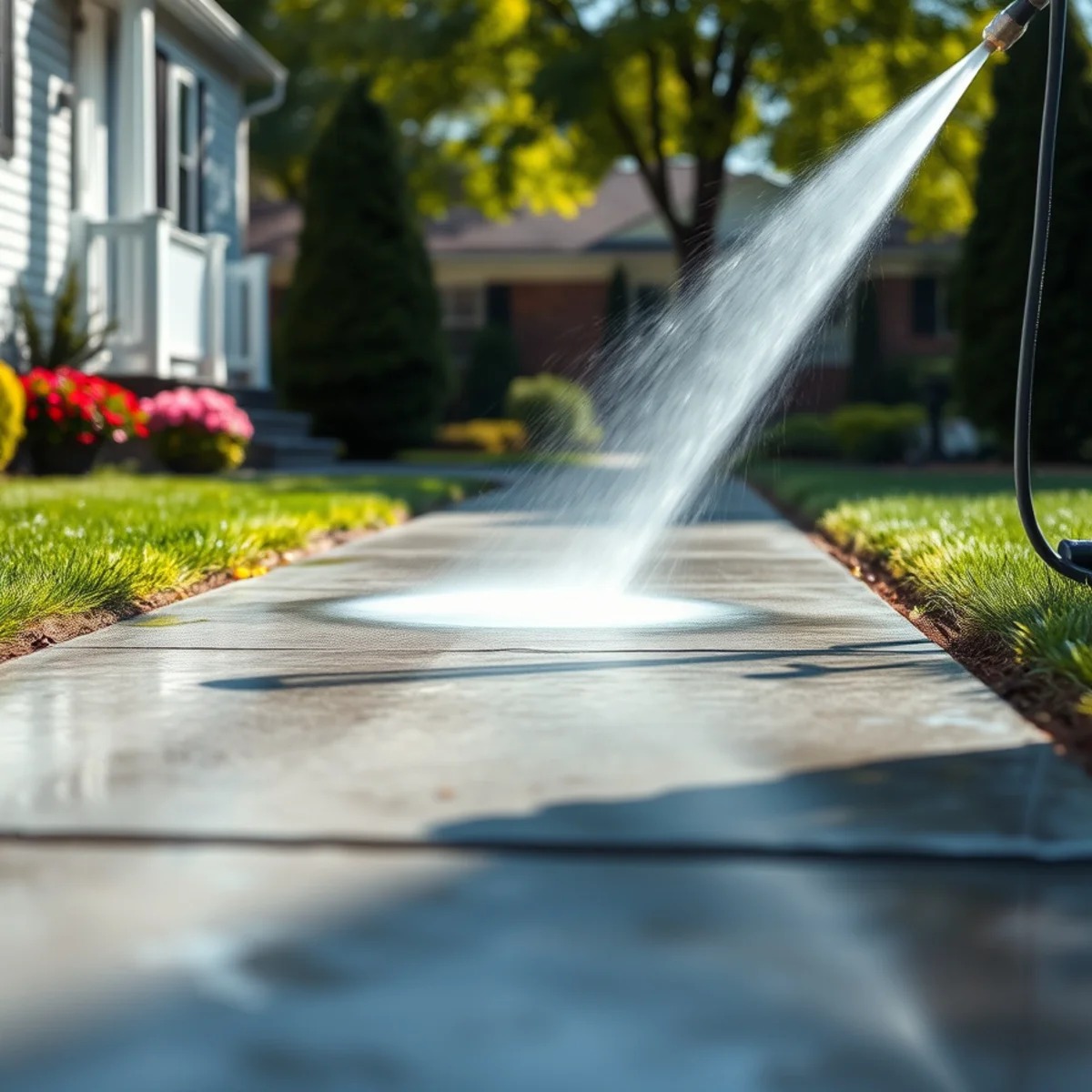
Professional sidewalk cleaning from Wash Bros for Massachusetts homes and businesses — affordable, dependable, and designed to restore curb appeal safely.
That gray sidewalk out front isn't worn out. It's dirty. Most homeowners and store owners look at a dark, blotchy walkway and assume the concrete has simply aged, so they live with it. The truth is uglier and easier to fix: what you're staring at is a film of ground-in dirt, gum, black spots, algae, and salt residue sitting on top of perfectly good concrete. Left alone, that film holds moisture, feeds organic growth, and turns a north-facing path into a slick green trip hazard by fall.
We've cleaned sidewalks across Massachusetts long enough to know the difference between a stain and damage. One lifts off with the right chemistry and the right machine. The other gets worse when an amateur hits it with too much pressure. This page walks through exactly how we clean sidewalks the right way, why the wrong way ruins concrete, and what Massachusetts weather does to the slab under your feet.
Why Massachusetts Sidewalks Get Dirty: Gum, Black Spots, Algae, Tannin, and Salt
A sidewalk takes abuse no other surface on your property has to absorb. People walk on it constantly, it sits flat and collects everything that drips or falls, and a lot of it lives in shade. Here's what we actually find embedded in New England concrete:
Organic growth. Algae, moss, mold, and mildew thrive on damp, shaded, textured concrete. North-facing walkways and paths under oak and maple canopy in towns like Newton and Wellesley grow a green or black film that's both ugly and slippery. Pressure alone knocks the surface off but leaves the roots. The growth comes right back.
Black gum spots. Flattened chewing gum oxidizes and turns into the dark, dime-sized black spots you see all over storefront and bus-stop sidewalks. Cold water and a wand barely touch them.
Leaf tannin and acorn stains. Massachusetts has a dense tree canopy. When wet leaves and acorns sit on light concrete through a damp fall, they bleed brown tannin into the pores. By spring it looks like the concrete is permanently blotched.
Road salt and deicing residue. This is the New England special. Salt gets tracked across sidewalks for months. The residue is hygroscopic, it holds moisture against the slab, and combined with our freeze-thaw cycle it accelerates surface scaling and spalling. Flushing salt off each spring isn't cosmetic. It protects the concrete going into the next winter.
Efflorescence, rust, oil, and grease. White crystalline efflorescence migrates up through concrete and brick. Rust stains bleed from rebar, railings, and fertilizer. Oil and grease soak in near curbs and entryways. Each needs its own treatment, not just more PSI.
Our Sidewalk Cleaning Process: Surface Cleaner, Hot Water, and the Right Chemistry
The single most important thing we'll tell you on this page: you don't need more pressure, you need the right chemistry. Pressure doesn't kill algae or moss roots. Biodegradable surfactants and a measured dose of sodium hypochlorite do. Pressure just removes what's already dead and loose.
So we work in stages. First we clear loose debris and pre-treat the whole surface with a biodegradable detergent blend, dwelling it long enough to break down organic growth at the root and loosen embedded grime. For stubborn black gum and grease, we bring hot water. Heat softens gum and dissolves oils that cold water rolls right over, which is why a serious sidewalk job runs hot water pressure washing instead of a cold garden-variety rig.
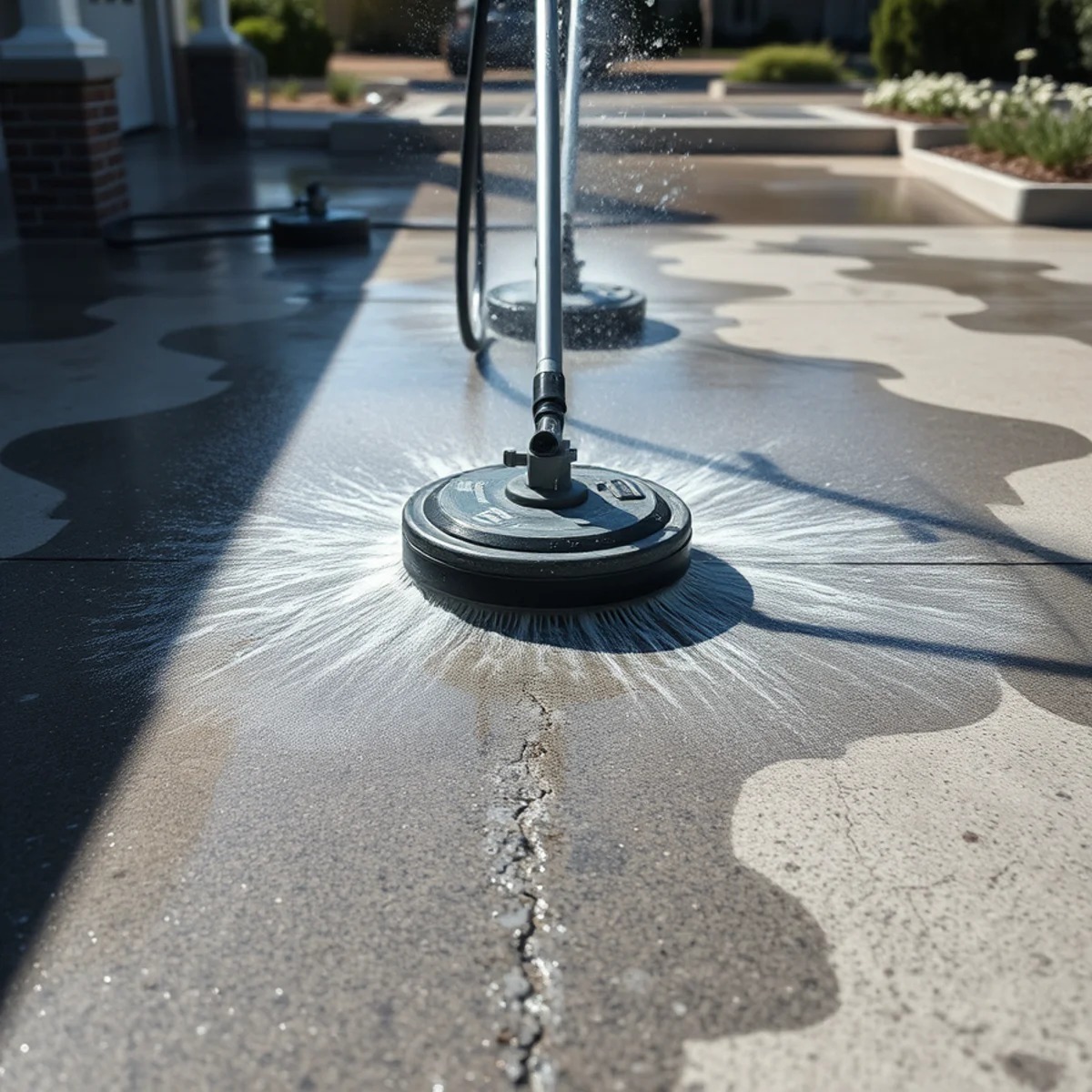
Then we clean. For the open field of the slab we run a rotary surface cleaner. For edges, joints, and corners the spinning bar can't reach, we follow with a fan-tip wand at a controlled angle. Finally we post-treat where needed so the surface stays cleaner longer instead of greening up again in a month. The result is an even, edge-to-edge finish with no swirl marks and no missed seams.
Surface Cleaner vs. Wand: How We Get a Streak-Free Finish
This is where DIY jobs fall apart. A pressure-washing wand fires a single concentrated stream. Drag that across concrete by hand and you leave "clean stripes," the tell-tale zebra pattern where the nozzle passed unevenly. People blame a weak machine. It's not the machine. It's the tool.
A rotary surface cleaner solves it. It encloses two or four nozzles spinning under a shroud at a fixed height, so every square inch gets the same dwell time and the same pressure. That's how you get a uniform, swirl-free panel instead of stripes. We use the surface cleaner for the field and a 25-to-40-degree fan tip only for detail work along edges and expansion joints. Matched correctly, the two blend invisibly.
Pressure Washing vs. Soft Washing for Sidewalks (and When We Use Each)
Concrete is one of the few exterior surfaces tough enough for genuine power washing, so sidewalks usually get a hybrid approach: a soft-wash chemical step followed by mechanical surface cleaning.
When the problem is purely organic, heavy algae, moss, and mildew on a shaded walk, the heavy lifting is done by soft washing: low-pressure application of cleaning solution that kills growth at the root. We then rinse and lightly surface-clean. When the problem is physical, ground-in traffic film, gum, tire marks, and salt scale, that's where the surface cleaner and hot water earn their keep at higher pressure.
Aged or spalling concrete changes the calculus. Massachusetts freeze-thaw cycles crack joints and pit older slabs. On a sidewalk that's already flaking, we dial pressure down and lean harder on chemistry, because blasting a deteriorating surface only chews it up faster. A good contractor reads the slab before pulling the trigger.
Safe PSI for Concrete Sidewalks: How We Clean Without Etching or Scarring
Here's the technical answer people search for and rarely get straight: sound poured concrete handles power washing with a surface cleaner in the 2,000 to 3,000 PSI range, paired with adequate GPM flow to carry debris away. That's enough to strip embedded grime without cutting the surface.
But PSI is only half the story. A surface cleaner spreads that pressure across spinning nozzles and a fixed shroud height, so it never concentrates in one spot. The danger comes from a zero-degree or narrow tip held close and dragged by hand. That etches and scars concrete, blasts the sand out of paver joints, and gouges softer brick. Those marks are permanent. We've been called in to clean up exactly that kind of damage, and the honest answer is you can't undo it, you can only blend it.
So the rule isn't "max pressure." It's the right pressure, through the right tool, matched to the condition of the slab.
Residential Sidewalk Cleaning: Walkways, Front Paths, and Garden Paths
For homeowners, the front walk is the first thing a guest's feet touch and the first thing a buyer judges. We clean front entry paths, the connector from driveway to door, garden and side paths, and the shared walks at condos and HOA communities. A clean path also stops the problem of grime tracking indoors, that gray film on your entry floor often starts on the sidewalk.
Sidewalk cleaning pairs naturally with driveway cleaning, concrete cleaning, and paver cleaning so the whole hardscape matches instead of one clean stripe against a dirty everything-else. We handle this work across the South Shore and MetroWest, from Quincy to Framingham.
Commercial and Storefront Sidewalk Cleaning: Entryways, Foot-Traffic Zones, and Bus Stops
Commercial sidewalks are a different animal. Foot traffic packs in gum, spilled coffee, grease, and grime far faster than any residential path. A storefront entry in downtown Boston or Worcester can go from clean to embarrassing in weeks. We clean storefront entryways, restaurant frontages, foot-traffic zones, bus stops, and building approaches, scheduled off-hours so we're not washing under your customers' feet. For larger accounts this rolls into a broader commercial pressure washing or storefront pressure washing program.
ADA Compliance, Slip Resistance, and Trip-Hazard Reduction
For a business, a dirty sidewalk isn't just unprofessional, it's a liability. A walkway coated in algae or black mildew loses slip resistance, and a slick public entrance is exactly where slip-and-fall claims start. Clean concrete restores the surface texture and traction the path was poured with.
In most Massachusetts cities and towns, the abutting property owner is responsible for the condition of the sidewalk fronting their building. That duty runs to both homeowners and businesses. Keeping that public-facing walk clean and slip-resistant supports ADA accessibility goals and reduces the trip-and-fall exposure a slick, grimy surface creates. It's risk management that happens to look good.
What Surfaces We Clean: Poured Concrete, Pavers, Brick, Stamped Concrete, and Stone
Not every walkway is the same slab, and each surface gets a tailored approach:
- Poured and broom-finished concrete takes the standard surface-cleaner method at 2,000 to 3,000 PSI.
- Concrete pavers clean beautifully but need a controlled angle so we don't blow out the polymeric or sand joints; we re-sand when the job calls for it.
- Stamped and decorative concrete is often sealed; we adjust pressure and chemistry to clean without stripping the sealer or coating.
- Brick walkways, especially in historic districts like Beacon Hill and older town centers, demand gentle handling. Brick and old mortar get a soft-wash, no-direct-high-spray approach kept under 400 PSI, because aggressive pressure spalls the brick face and chews out mortar joints. We also handle efflorescence removal and dedicated brick cleaning on these surfaces.
- Natural stone and flagstone get the lowest-pressure, chemistry-first treatment.
How Often Should Sidewalks Be Cleaned in Massachusetts?
For most properties, once a year keeps a sidewalk genuinely clean and safe. The right timing here is seasonal. The ideal window is spring, after road-salt season ends, to flush winter's salt and deicing residue off the slab before it drives more scaling. A fall cleaning before the freeze removes leaf tannin and the algae that built up over a humid summer.
High-traffic commercial sidewalks, restaurant frontages, and heavily shaded north-facing residential walks that grow algae fast often warrant twice a year or quarterly service. If your concrete looks darker than it used to, or the path under the trees has gone green and slick, it's already overdue.
Sidewalk Cleaning Cost in Massachusetts: What Actually Drives the Price
We don't post a flat number because an honest quote depends on the surface in front of us, and anyone promising a one-size price online is guessing. Sidewalk cleaning is typically priced by the square foot, often with a job minimum that covers the time to load, travel, and set up. The factors that move the number:
- Total square footage and the layout, long continuous runs clean faster per foot than scattered, broken-up paths.
- Surface type and condition, sealed stamped concrete and joint-sensitive pavers take more care than open broom-finished slab.
- Severity and type of staining, light traffic film is quick; embedded black gum, oil, rust, and heavy organic growth need pre-treatment and hot water.
- Access and runoff, sites near storm drains, wells, or wetlands require extra containment, which we factor in honestly rather than cutting corners.
A low-ball quote from an uninsured operator usually means cold water, a wand instead of a surface cleaner, and the risk of etched concrete you'll pay to live with. We'd rather quote it straight.
Curb Appeal, Property Value, and Liability: Why Clean Sidewalks Pay Off
A clean, even walkway reads as a maintained property before anyone reaches the front door. For sellers it's cheap curb appeal that photographs well. For businesses it's the difference between an inviting entrance and one customers step around. And as covered above, for any abutting property owner it's real liability reduction, a slip-resistant public walk is a safer one. The slab was already there. We just make it look like it should.
Eco-Friendly Detergents and Responsible Water Runoff
We clean with biodegradable surfactants and measured cleaning solutions, not a barrel of harsh chemistry dumped on the concrete. Before we start we pre-soak adjacent landscaping and plan our rinse so runoff doesn't carry detergent into storm drains, wells, or the wetlands and coastal waters that border so many Massachusetts properties. Following EPA best management practices for wastewater runoff is part of doing the job right, especially near the water. It protects your yard, your neighbors, and the resource downstream.
Service Areas Across Massachusetts
We clean residential and commercial sidewalks across the state, from Boston and the South Shore through MetroWest to Worcester County and beyond, including Cambridge and the towns in between. Coastal properties on the North and South Shore deal with salt-air corrosion on top of road salt; inland communities in Worcester County and the Pioneer Valley fight humidity, pollen, and heavy algae. We adjust the method to the local conditions either way.
The DIY Risk and How to Vet a Contractor
A rented pressure washer in the wrong hands does damage you can't take back: etched lines in concrete, sand blown out of paver joints, gouged brick, and stripped sealer. The "clean stripes" people end up with are a technique failure, not a weak machine. And the salt or gum they couldn't budge with cold water is still there.
Before you hand anyone a hose, ask one question: are you fully insured, and can you provide a certificate of insurance? If the answer is anything but a clear yes, walk away, because if they damage your hardscape or themselves on your property, that's your exposure. (For your own protection on larger exterior contracts, it's worth confirming a contractor's HIC registration too.)
Wash Bros is a fully insured, family-run company started by brothers Louis and Dominic in 2023, and our certificate of insurance is available on request. We've earned a 5.0 average across 130 Google reviews from Massachusetts homeowners and businesses, we use surface-appropriate pressure and biodegradable chemistry, and we're satisfaction-focused on every job. We bring the right surface cleaner, hot water, and treatments to get an even, edge-to-edge result without tearing up your concrete, in a fraction of the time a rented machine would take you.
If your sidewalk looks tired, salted, gummed up, or green, it's almost certainly just dirty, and that's fixable. Call Wash Bros at +1 (351) 242-0666 for a free sidewalk cleaning quote, or book online today.
Problems We Solve
- Black gum spots, ground-in dirt, and traffic film cold water and a rented wand can't budge
- Slippery green algae, moss, and black mildew on shaded, north-facing New England walkways
- Road salt and deicing residue that scales and spalls concrete through freeze-thaw cycles
- Leaf tannin and acorn stains bleeding brown into light concrete under MA tree canopy
- Etched 'zebra stripes', blown-out paver joints, and gouged brick from DIY pressure washing
- Slick, grimy public sidewalks that create slip-and-fall liability for homeowners and businesses
Our Cleaning Process
- 1
Inspect the surface and identify problem areas
- 2
Protect nearby landscaping, fixtures, and finishes
- 3
Apply the correct cleaning method for the surface
- 4
Wash and rinse thoroughly with professional equipment
- 5
Final quality check and walkthrough with you
Why Choose Wash Bros
- Affordable, upfront pricing
- Dependable scheduling
- Experienced exterior cleaning team
- Surface-safe process, every job
- Residential & commercial options
- 5.0 stars across 130 reviews
Sidewalk Cleaning Across Massachusetts
We provide sidewalk cleaning in 351 Massachusetts cities, including:
Sidewalk Cleaning FAQs
Related Services
Concrete Cleaning
Expert concrete cleaning in Massachusetts: surface-cleaner flatwork, hot-water degreasing, and chemistry that removes salt, algae, oil, and efflorescence.
Read More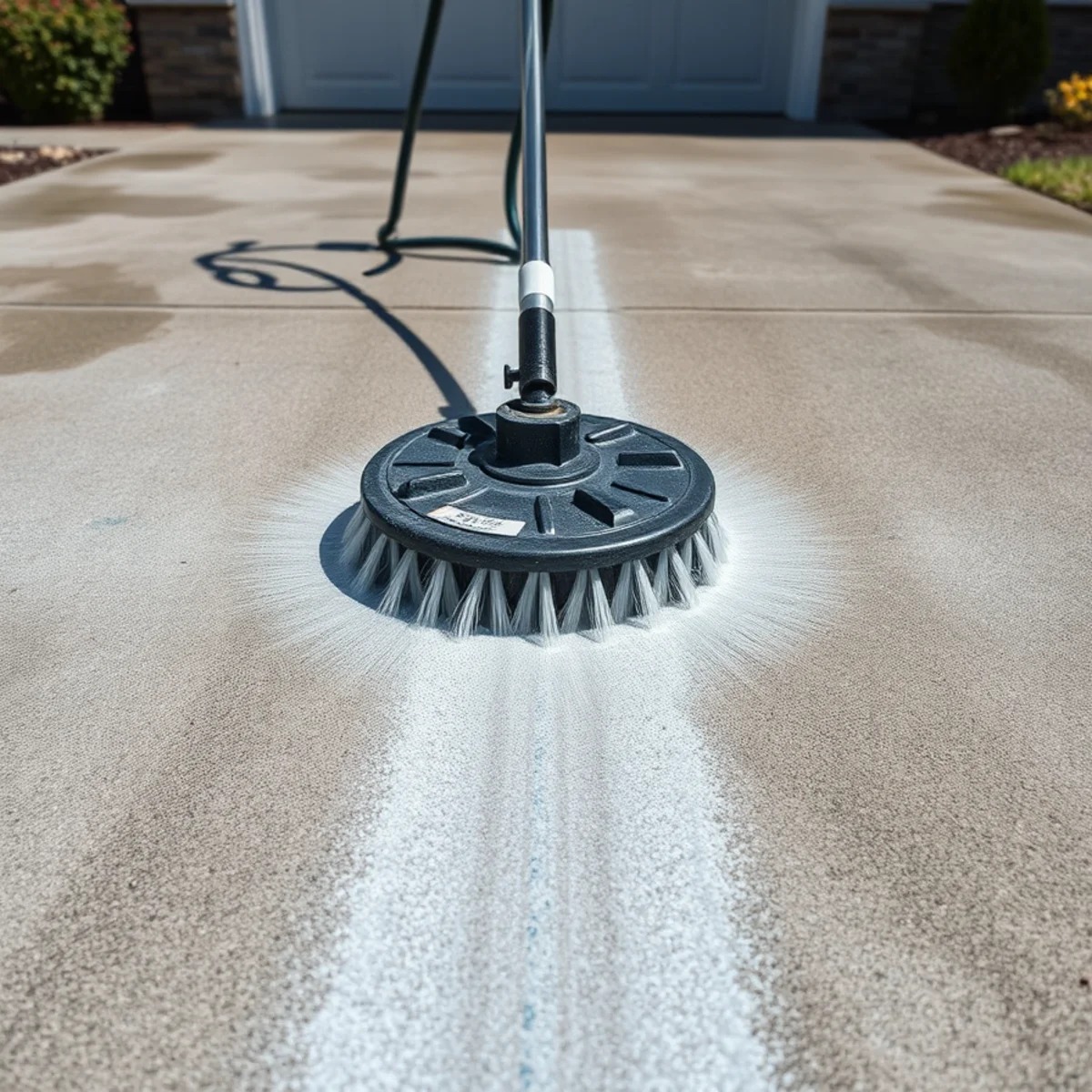
Driveway Cleaning
Expert Massachusetts driveway cleaning for concrete, asphalt, pavers and brick, removing oil, algae, moss and road salt safely.
Read More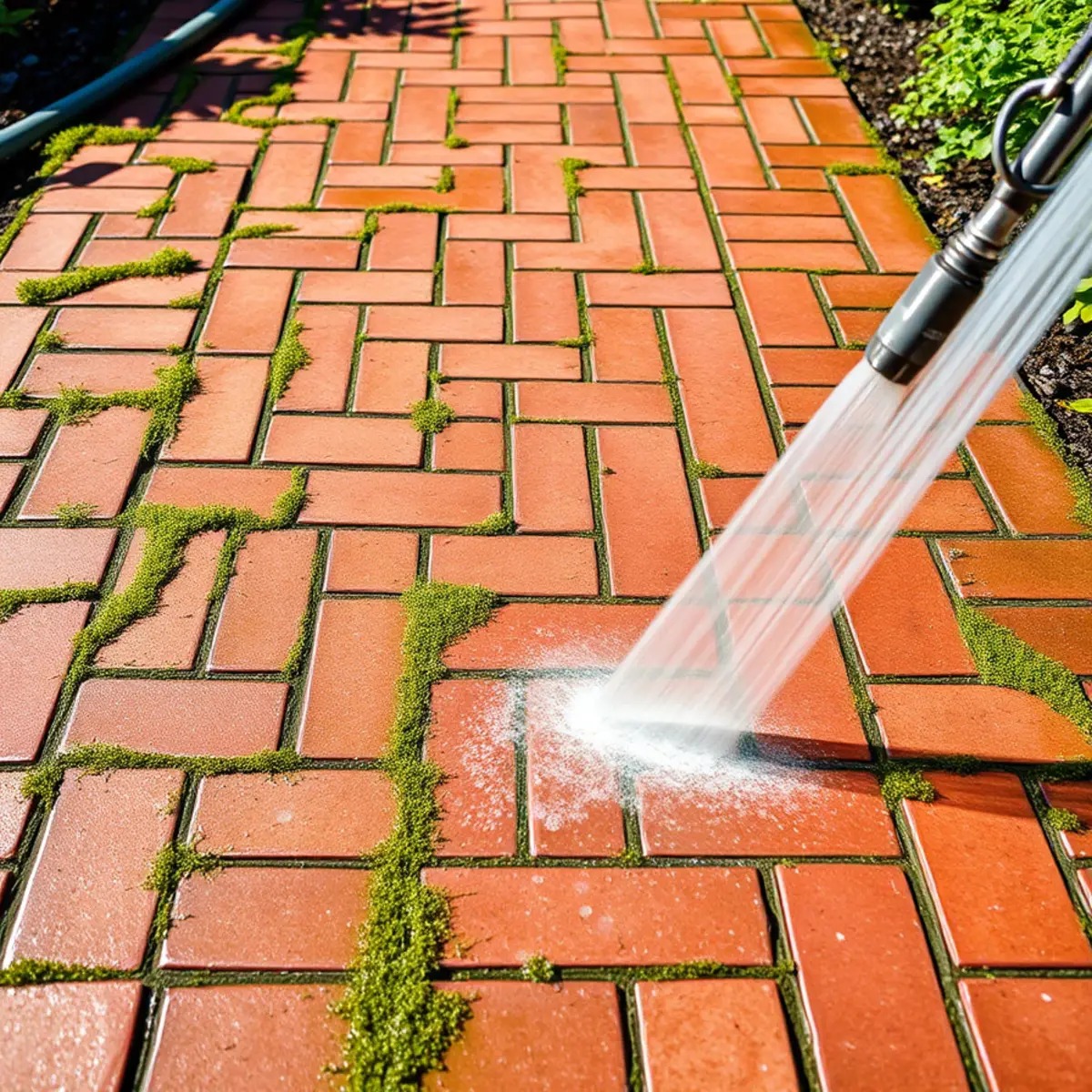
Paver Cleaning
Professional paver cleaning, re-sanding, and sealing across Massachusetts. Soft-wash chemistry that protects joints and stone, not high-PSI blasting.
Read More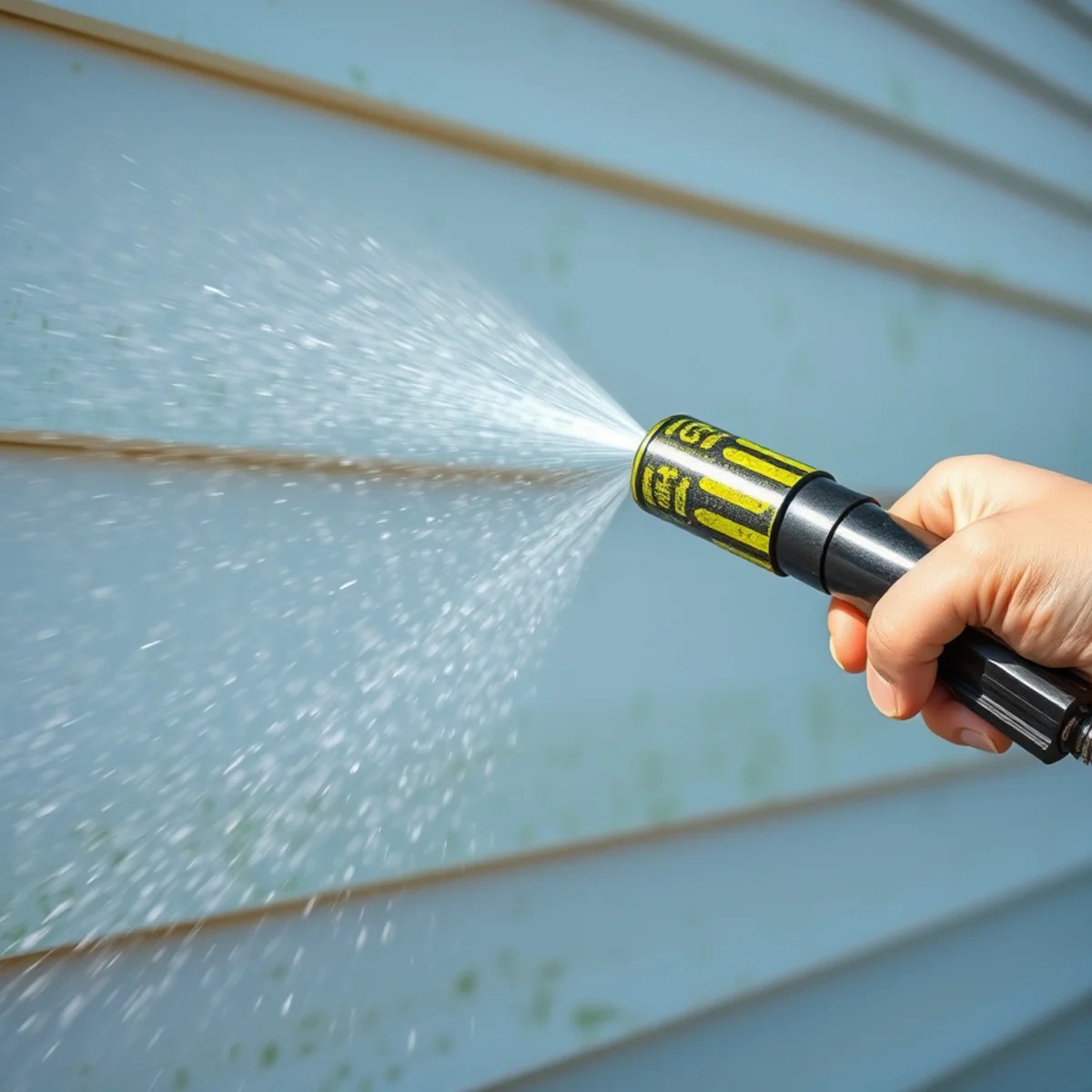
Soft Washing
Low-pressure soft washing that kills roof algae, mold, and black streaks at the root, safely cleaning MA roofs and siding.
Read More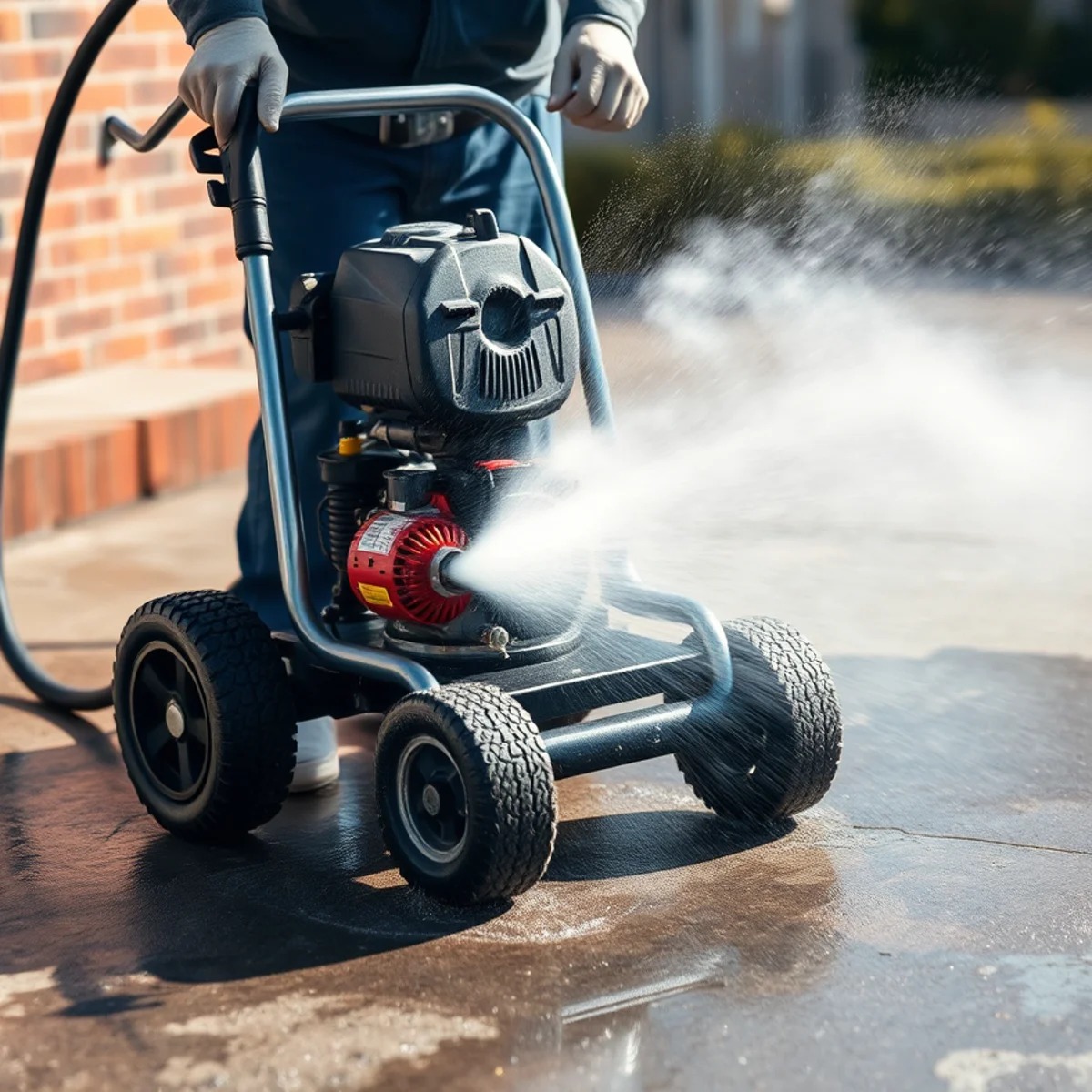
Hot Water Pressure Washing
Truck-mounted hot water pressure washing across Massachusetts that emulsifies grease, oil, gum, and sap on concrete and commercial flatwork.
Read MoreReady to Schedule Sidewalk Cleaning?
Contact Wash Bros today for a free sidewalk cleaning estimate anywhere in Massachusetts.