Algae Removal Services in Massachusetts
Professional algae removal from Wash Bros for Massachusetts homes and businesses — affordable, dependable, and designed to restore curb appeal safely.
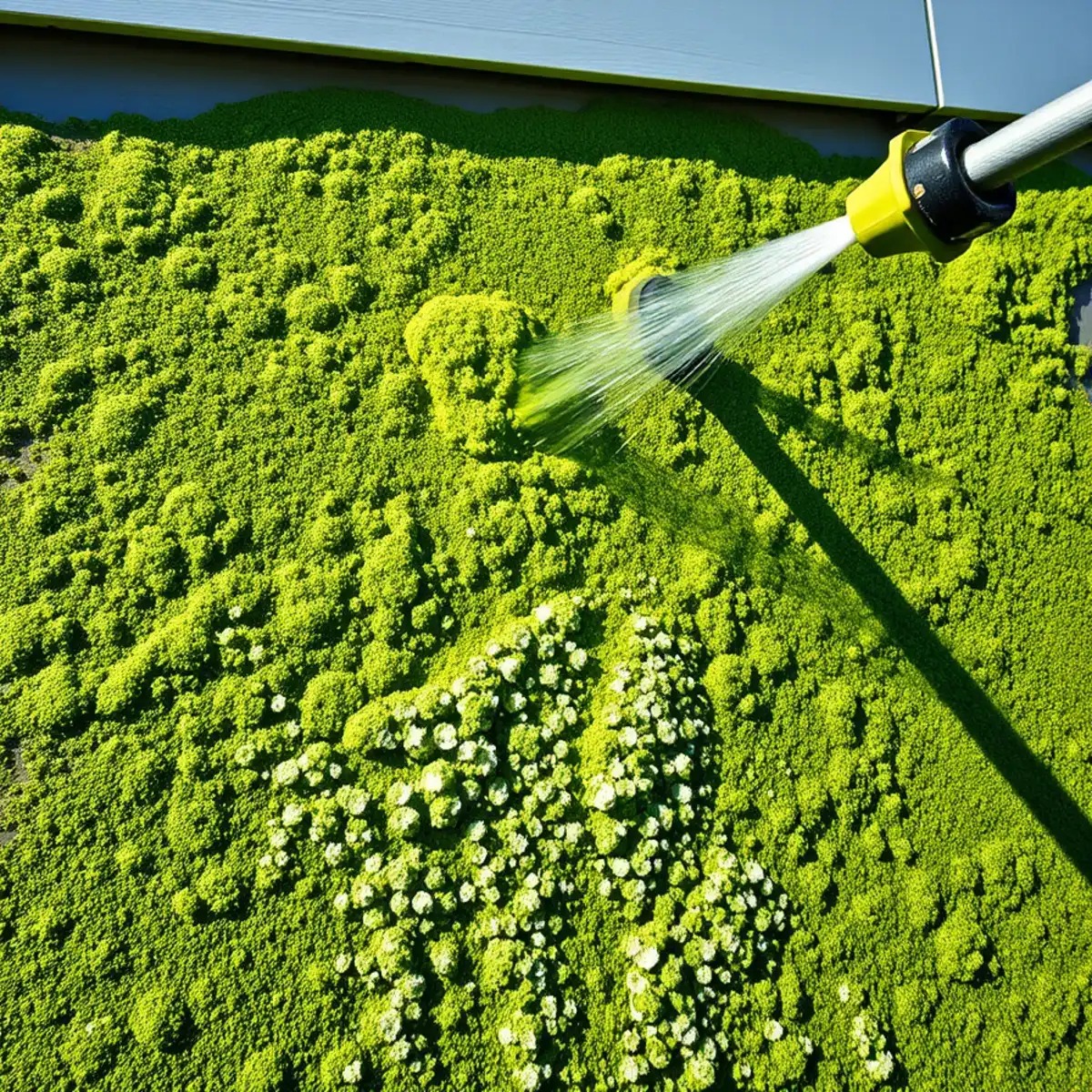
Those greenish-black smudges crawling across your siding, the dark streaks bleeding down your roof, the slick film on your shaded walkway — that is not dirt, and it will not rinse off with a garden hose. It is living organic growth, and it is feeding on the exact conditions a Massachusetts climate hands it for free: humidity, shade, pollen, and long stretches of damp weather.
Left alone, it spreads. It holds moisture against your shingles and siding. It turns hardscapes slippery. And every season it digs in a little deeper, until what was a cosmetic green tint becomes a maintenance bill and a safety hazard.
Wash Bros removes algae the right way — by killing the colony at the root with the correct chemistry, not by blasting it with pressure and hoping. Here is exactly what you are dealing with, why it grows where it grows, and how we clear it for good.
What Is Algae and Why It Grows on Massachusetts Homes
Algae is a simple, living organism that colonizes exterior surfaces wherever it can find moisture and a food source. On a home, that food is often surprisingly close at hand: airborne organic debris, tree pollen, leaf tannins, dust, and on roofs, the powdered limestone (calcium carbonate) filler baked into asphalt shingles.
New England gives algae nearly everything it wants. Warm, humid summers keep walls and decks damp for days. Heavy tree canopy across suburban MetroWest and Worcester County towns drops pollen and tannins while casting the shade that stops surfaces from ever fully drying. Coastal fog along the South Shore and North Shore adds moisture that inland homes do not see. And the freeze-thaw cycle that defines our winters cracks brick, mortar, and decking, opening tiny reservoirs where water — and biofilm — collects.
The result is predictable. North- and east-facing walls, shaded surfaces under trees, and anything that stays wet after a rain become prime real estate for organic growth.
Green Algae vs. Black Streaks (Gloeocapsa Magma) vs. Moss, Lichen, and Mildew
Homeowners lump all of it together as "the green stuff" or "the black stuff." It is worth knowing the difference, because the treatment is not identical.
Green algae is the soft, sheet-like film you see on siding, fences, and concrete. It is the most common growth on shaded MA walls and the fastest to return if it is only rinsed instead of treated.
Black streaks are something else. Those dark stains streaming down asphalt roofs are caused by Gloeocapsa magma — and here is the detail most competitor pages get wrong: it is not true algae at all. It is a type of cyanobacteria, sometimes called blue-green algae, a bacteria that feeds on the calcium carbonate in shingles. It produces a dark, UV-protective sheath that shows up as those signature black streaks Massachusetts homeowners routinely mistake for dirt, soot, or roof shadowing.
Moss is the thick, green, three-dimensional carpet that takes hold in roof valleys, between shingles, and on north-facing decks. It holds water like a sponge and lifts shingles as it grows. We treat it through our moss and lichen removal service.
Lichen is the toughest of the group — a crusty, often gray-green organism that bonds chemically to the surface and leaves a mark even after the body is killed.
Mildew and mold are fungal. Mildew shows as a powdery gray or black film; mold spores travel and colonize damp, shaded materials. Both fall under our mildew and mold removal work.
Different organisms, one underlying truth: pressure does not kill any of them. The right chemistry does.
Signs You Have an Algae Problem on Your Roof, Siding, or Hardscapes
Algae rarely announces itself until it is established. Watch for:
- Dark streaks running vertically down asphalt shingles, heaviest on the north-facing roof plane
- A green or grayish film on siding that returns within weeks of a quick rinse
- Slippery walkways, patios, or pool decks that stay damp after rain
- Discoloration concentrated on shaded, north- and east-facing walls
- Green staining along the drip line below gutters and downspouts
- A musty smell near shaded foundations or under deep tree cover
If your property backs up to woods, sits in a low damp spot, or has mature trees, the growth is almost certainly already working — whether or not you can see it from the street yet.
Surfaces We Treat Algae On
Algae does not respect material boundaries, but the correct treatment changes with each one. We adjust chemistry, dwell time, and rinse pressure to the surface in front of us.
- Vinyl and aluminum siding — the most common algae call we get, especially on shaded walls. Cleaned by soft wash with a low-pressure rinse, 100–500 PSI. On older aluminum we also watch for oxidation, which we address through dedicated oxidation removal.
- Asphalt shingle roofs — soft wash only, under 100 PSI. Never walked and blasted. See our roof cleaning service for the full approach.
- Brick and historic masonry — common on older New England housing stock. Soft wash with no direct high spray, under 400 PSI, to protect aging mortar.
- Concrete driveways, walkways, and patios — these hold rainwater and grow green fast. Flat hardscapes can take a power wash with a surface cleaner at 2,000–3,000 PSI once the organic growth has been chemically treated first.
- Wood and composite decks — soft wash, moderate pressure, 500–1,000 PSI on composite and gentler still on cedar and aged wood.
- Fences, retaining walls, and stone foundations — treated to the material, from vinyl to pressure-treated lumber to stone.
Many homeowners pair algae removal with a full house washing to reset the entire exterior in one visit.
How Our Soft Wash Algae Removal Process Works
The method is straightforward, and the discipline is in doing it correctly.
We start by inspecting the surface and identifying exactly what is growing — green algae, Gloeocapsa magma, moss, or a mix. That dictates the chemistry. Before a drop of solution touches the house, we pre-soak surrounding landscaping with water and stage runoff containment, because the goal is to clean your home without harming your plants, lawn, or anything downstream.
Then we apply a biodegradable cleaning solution at low pressure and let it dwell. Dwell time is where the actual work happens — the surfactants and algaecide need minutes on the surface to break the biofilm's grip and kill the organism down to the cell. Rushing this step is the single most common amateur mistake.
Once the colony is neutralized, we rinse at the low pressure appropriate to the material and finish with a neutralizing rinse where salt residue or coastal exposure calls for it. The growth lifts away, the staining is gone, and because we killed the organism rather than just rinsing the color off, it stays gone far longer than any quick spray-down delivers.
Why Soft Washing Beats High-Pressure Blasting for Algae
Here is the message that should reframe how you think about this work: you do not need more pressure; you need the right chemistry.
High pressure does not kill algae. It scatters the spores, drives water behind siding and trim, etches concrete, strips the oxidized layer off old aluminum, gouges cedar, and blows out aging mortar on historic brick. We have been called in to fix exactly this kind of damage left by amateurs and uninsured low-ballers — and the repair always costs more than the cleaning would have.
Soft washing flips the equation. Low-pressure application plus professional cleaning solutions does the killing chemically, so the colony dies at the root instead of getting blasted loose to regrow in weeks. It is the warranty-safe method for asphalt shingles, the only safe method for stucco and EIFS, and the correct method for vinyl siding and old masonry. The surface stays intact. The growth does not come back by Labor Day.
The Cleaning Solutions We Use and How We Protect Your Landscape
Our solutions are built around biodegradable detergents, a professional-grade algaecide, and surfactants that let the mix cling and dwell rather than running straight off. On heavy organic staining, a controlled, properly diluted sodium hypochlorite blend does the heavy lifting — the same active many roofing manufacturers themselves recommend for shingle cleaning, applied at low pressure so it works on chemistry, not force.
What matters as much as the mix is what surrounds it. We pre-soak plants and shrubs before application, control and dilute runoff, and stay mindful of storm drains, well water, and anything the rinse touches. Eco-conscious does not mean weak — it means the algae dies and your garden does not.
Is Algae Damaging? Risks to Shingles, Siding, Curb Appeal, and Resale Value
Algae starts cosmetic and does not stay that way.
On a roof, Gloeocapsa magma feeds on the limestone filler in your shingles and the dark colonies trap heat and hold moisture — accelerating granule loss and shortening the life of the roof. On siding, the biofilm locks moisture against the wall, which feeds rot in trim and sheathing over time. On walkways and pool decks, the film is a genuine slip hazard once dew or rain sets in.
Then there is the part you feel at sale time. Streaked shingles and green-stained siding read as neglect to a buyer or an appraiser, drag down curb appeal, and quietly knock dollars off resale value. A clean exterior signals a maintained home. Removing the growth protects both the structure and the number on the offer.
How Often Should Massachusetts Homes Be Cleaned for Algae
For most MA homes, a soft-wash treatment every one to two years keeps algae from re-establishing. Several local factors pull that interval shorter:
- Heavy tree cover and the pollen and tannins that come with it
- North- and east-facing walls that stay shaded and damp
- Coastal exposure on the Cape, South Shore, and North Shore
- A wooded lot, a low damp grade, or a roof that already shows streaking
If your home checks several of those boxes, plan on annual maintenance. If it sits in full sun on a dry, open lot, you can stretch the interval.
Algae Prevention and Keeping Surfaces Clean Between Washes
A good wash buys you time; a little maintenance extends it.
The most effective roof measure is zinc or copper strips installed near the ridge. Every rain washes a trace of metal ions down the slope, and that runoff suppresses the Gloeocapsa magma and moss that cause black streaks. Many newer algae-resistant shingles use copper granules on the same principle. Keeping downspouts and gutters clear matters too — overflowing or clogged gutters keep fascia and the wall below them constantly wet, which is an open invitation. Our gutter cleaning service handles that directly.
Beyond that: trim back trees and shrubs to let sunlight and airflow dry your walls, and clear leaf debris off the roof and out of valleys before it composts into a food source. None of this replaces a professional wash, but it stretches the time between them.
Best Time of Year for Algae Removal in Massachusetts
There are two ideal windows in New England.
Spring — after winter breaks, once the threat of hard freezes is past. This clears the organic growth that established over a damp fall and winter and resets the exterior before the humid summer feeds it. Late May into June, after peak pollen has dropped, is prime time for house and siding washing.
Early fall — after the worst of summer humidity, and before the freeze-thaw season locks moisture into cracks. Decks especially benefit from an early-fall clean before the first freeze.
We treat algae year-round when the weather cooperates, but if you are planning ahead, those are the two windows that deliver the longest-lasting result.
Massachusetts Service Areas We Cover
Wash Bros is a local, family-run business serving Greater Boston, MetroWest, the South Shore, Worcester County, and surrounding communities. We regularly treat algae and organic growth for homeowners in Worcester, Boston, Cambridge, Newton, and Quincy, along with towns across eastern and central Massachusetts. If you are nearby and not sure whether we reach you, just ask.
What to Expect: Booking, On-Site Process, and Satisfaction
Booking is simple. You reach out, we talk through your property and the growth you are seeing, and we give you a clear, honest estimate. On the day, our crew arrives, protects your landscaping, treats the surface with the correct chemistry, lets it dwell, and rinses at the right pressure for the material. We walk the property with you when we are done.
We are a satisfaction-focused outfit — brothers Louis and Dominic founded Wash Bros in 2023, we are fully insured with a certificate of insurance available on request, and we hold a 5.0 average across 130 Google reviews. That reputation was built one clean exterior at a time, and we treat your home like it shows.
DIY vs. Professional Algae Removal
The hardware-store route is tempting, and it usually backfires.
Consumer algae sprays bleach the visible green away without killing the organism underneath, so it regrows within weeks. Rented pressure washers do real damage in inexperienced hands — gouged siding, etched concrete, water forced behind trim, stripped cedar, blown-out mortar. And working a ladder or a wet roof to chase streaks is exactly how homeowners get hurt.
Professional algae removal targets the root colony, matches chemistry and pressure to each material, protects your landscaping, and is done by people who do this every day and know how Massachusetts weather feeds regrowth. When you do vet a contractor, ask one question first: are they fully insured? Ask for the certificate of insurance. An uninsured crew with a pressure washer on your roof is your liability, not theirs. (And if a contractor claims to be "licensed" for this work, know that exterior cleaning is not a licensed trade in Massachusetts — full insurance is what actually protects you.)
Request a Free Algae Removal Quote
If green algae or black Gloeocapsa magma streaks are taking over your roof, siding, or hardscapes, do not wait for it to dig in deeper. The right chemistry, applied by a fully insured crew that knows New England surfaces, clears it cleanly and keeps it gone longer. Call Wash Bros today at +1 (351) 242-0666 for your free algae removal estimate.
Problems We Solve
- Dark Gloeocapsa magma streaks staining asphalt shingles on the north-facing roof plane
- Green algae film returning on shaded, north- and east-facing siding within weeks of a rinse
- Slippery, organic-coated walkways, patios, and pool decks that stay wet after rain
- Algae trapping moisture against siding and shingles, accelerating rot and granule loss
- Streaked roofs and stained siding dragging down curb appeal and resale value
- DIY sprays and rented pressure washers that scatter spores or damage the surface
Our Cleaning Process
- 1
Inspect the surface and identify problem areas
- 2
Protect nearby landscaping, fixtures, and finishes
- 3
Apply the correct cleaning method for the surface
- 4
Wash and rinse thoroughly with professional equipment
- 5
Final quality check and walkthrough with you
Why Choose Wash Bros
- Affordable, upfront pricing
- Dependable scheduling
- Experienced exterior cleaning team
- Surface-safe process, every job
- Residential & commercial options
- 5.0 stars across 130 reviews
Algae Removal Across Massachusetts
We provide algae removal in 351 Massachusetts cities, including:
Algae Removal FAQs
Related Services
Soft Washing
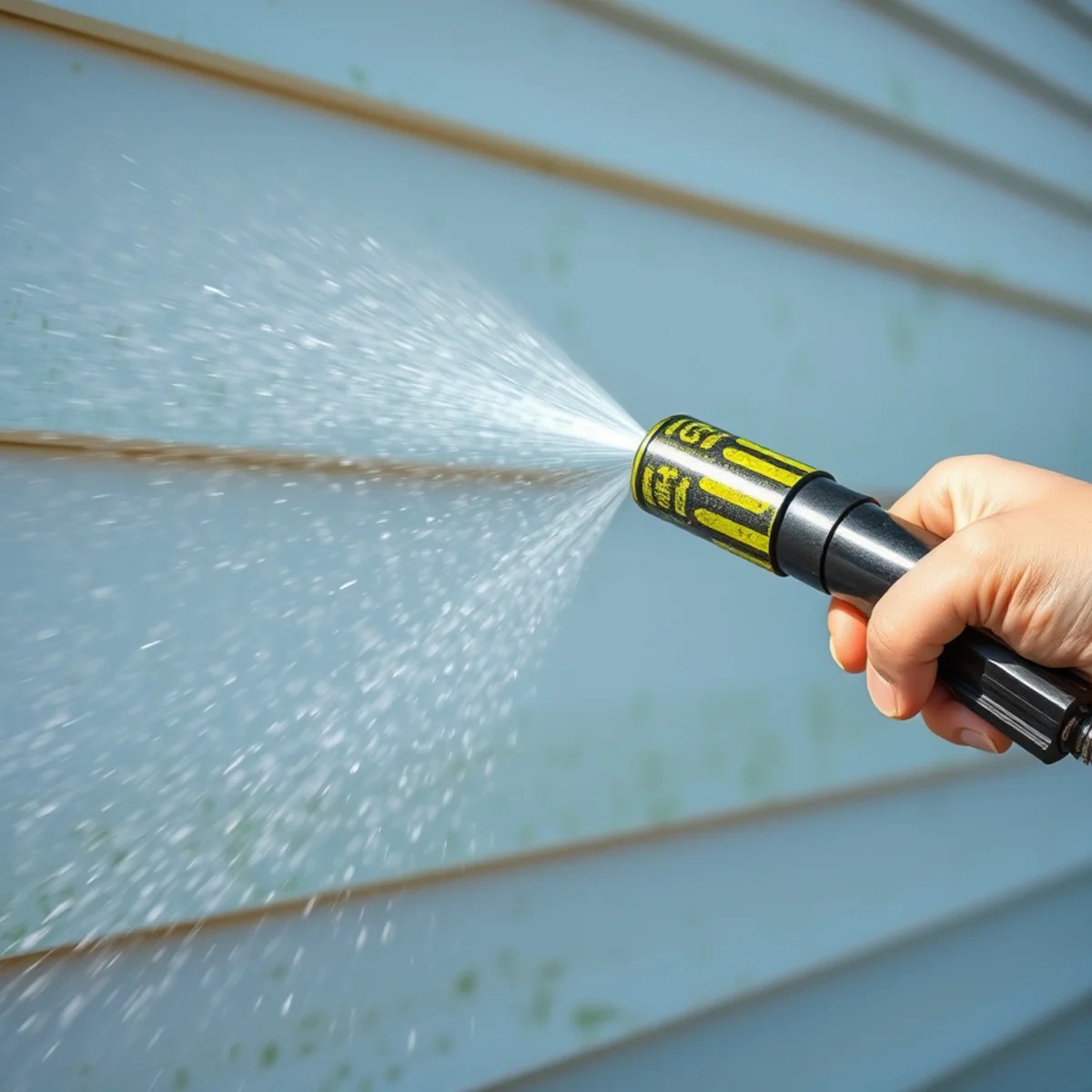
Low-pressure soft washing that kills roof algae, mold, and black streaks at the root, safely cleaning MA roofs and siding.
Read More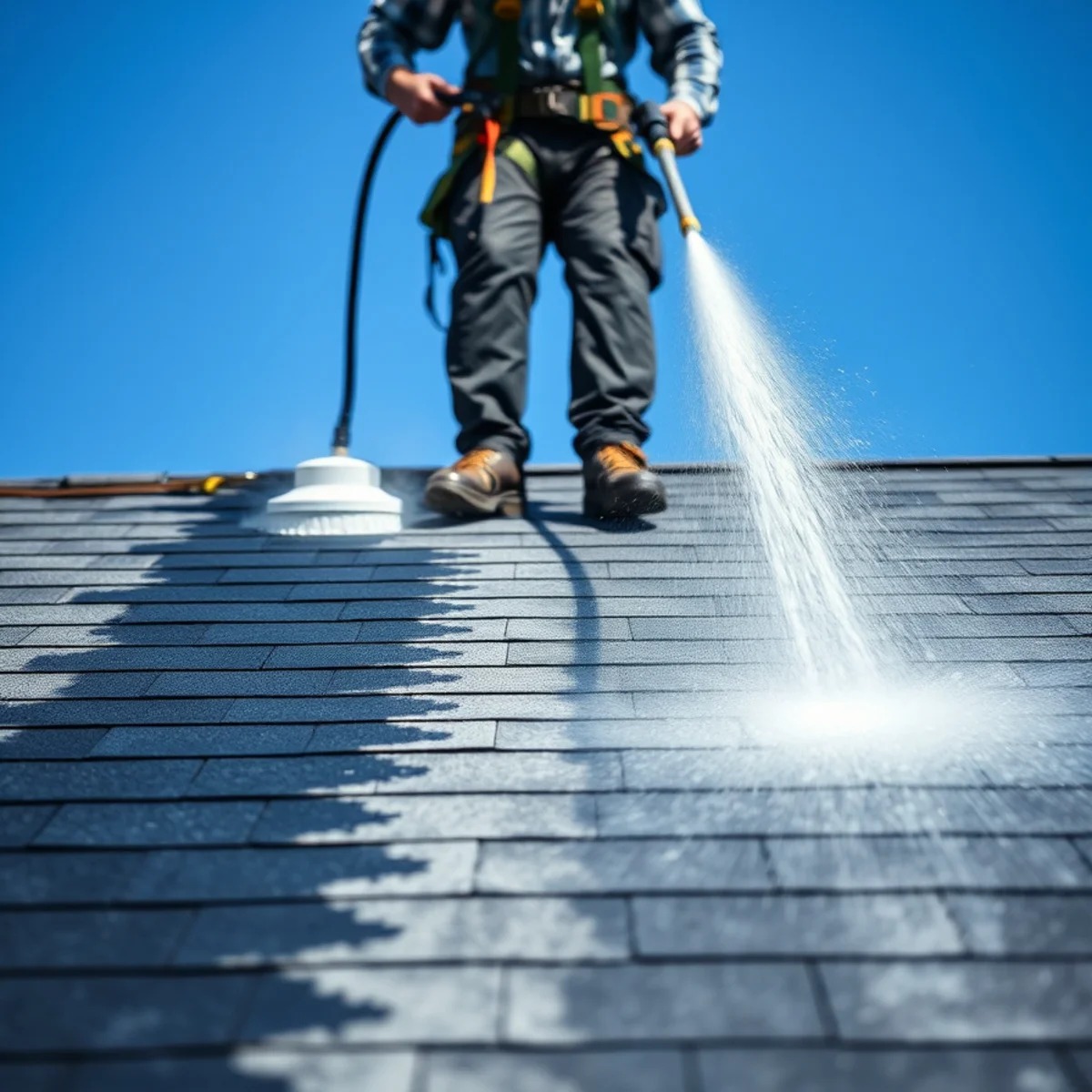
Roof Cleaning
Safe soft wash roof cleaning across Massachusetts that removes black streaks, moss, algae and lichen without harming your shingles or warranty.
Read More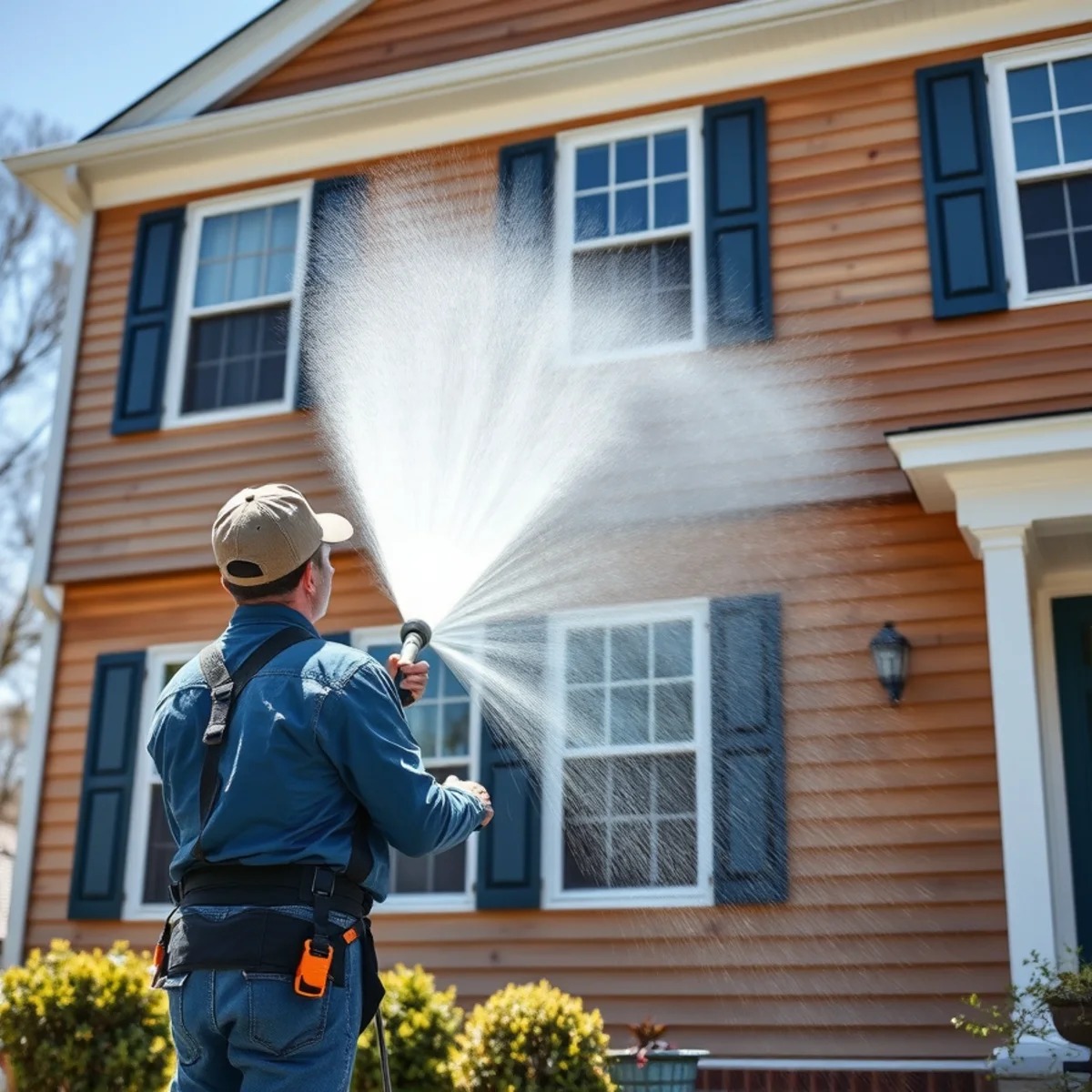
House Washing
Low-pressure soft wash house washing across MA. We kill algae, mold, and black streaks at the root, never blasting your siding.
Read More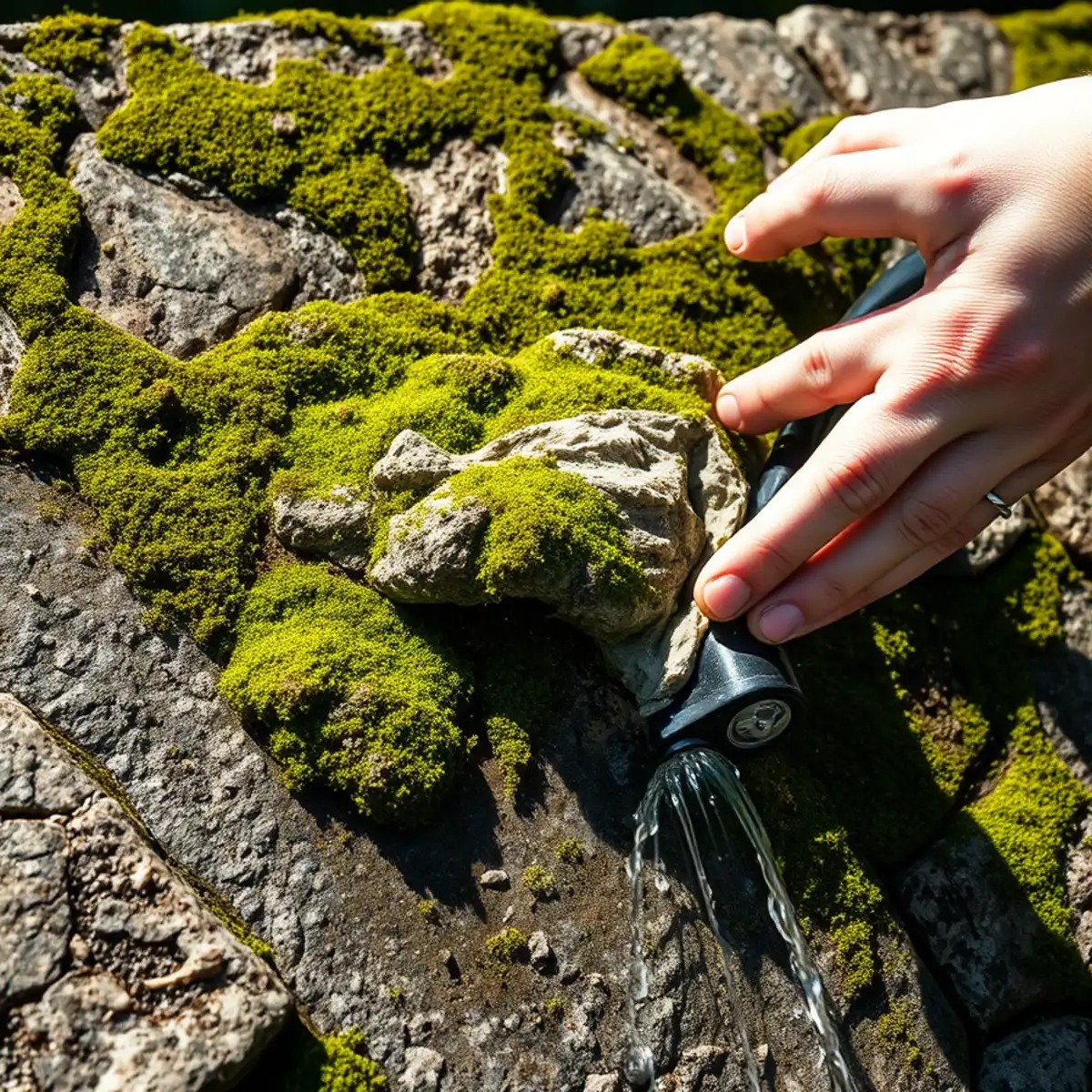
Moss & Lichen Removal
Soft-wash moss and lichen removal in Massachusetts that kills growth at the root and protects your roof, siding, and hardscapes.
Read More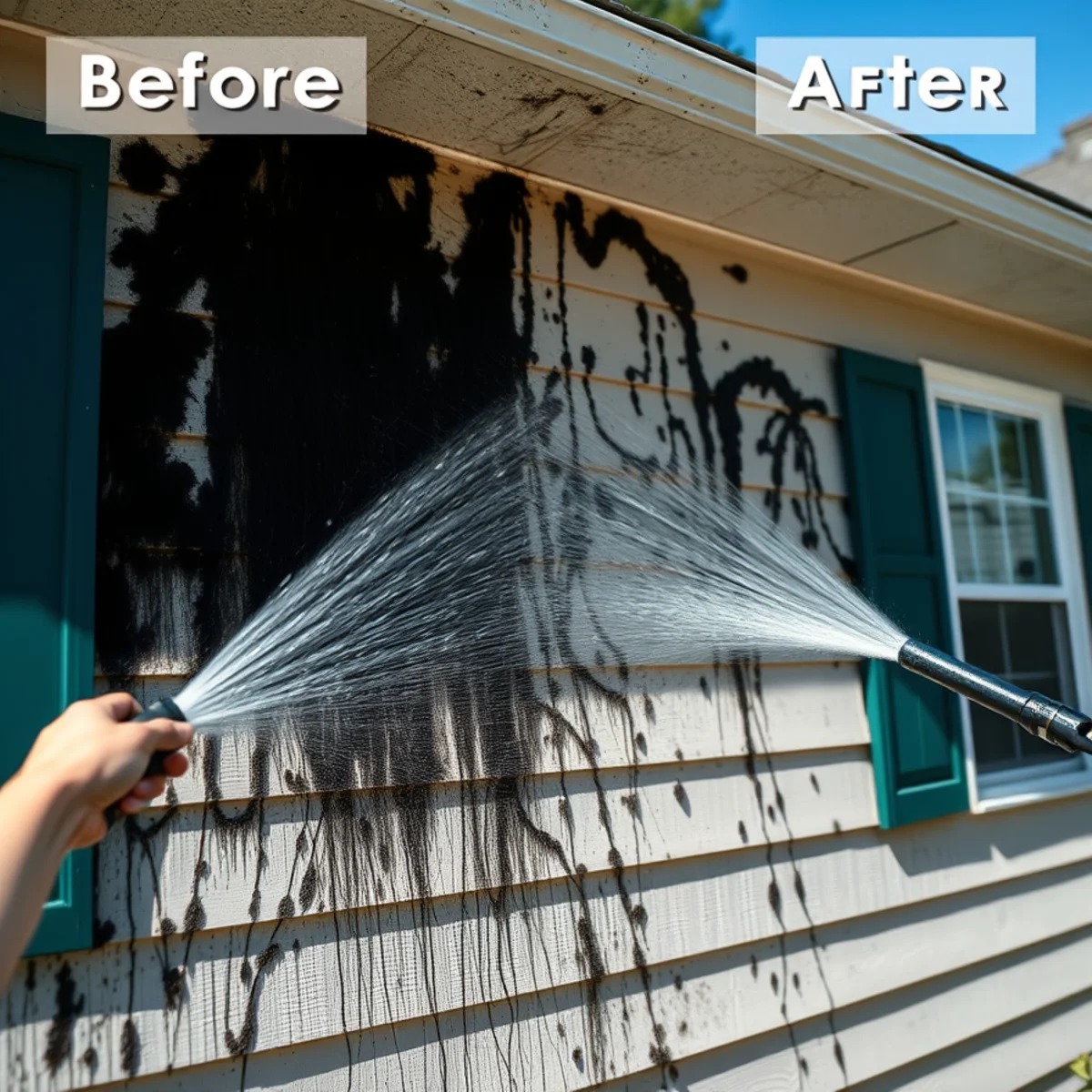
Mildew & Mold Removal
Soft-wash mildew and mold removal that kills growth at the root on Massachusetts siding, roofs, and hardscapes — not just a quick rinse.
Read MoreReady to Schedule Algae Removal?
Contact Wash Bros today for a free algae removal estimate anywhere in Massachusetts.