Driveway Cleaning Services in Massachusetts
Professional driveway cleaning from Wash Bros for Massachusetts homes and businesses — affordable, dependable, and designed to restore curb appeal safely.
Your driveway is the widest stretch of pavement on your property, and it absorbs everything Massachusetts throws at it. Tires drip oil. Shade breeds algae. Plows pile salt-laced slush against the edges all winter. By April, the concrete that was bright last spring reads gray, green, and tired before a single visitor reaches your front door.
Here is the part most homeowners miss: that buildup is not just ugly. Algae and moss hold moisture against the surface, and a damp, shaded slab in New England turns slick fast. Road salt drives white efflorescence and pitting into the pores. Left alone, a season of neglect becomes a slip hazard and the first stage of surface failure.
A garden hose will not fix it. The right chemistry, the right pressure, and the right tool for your specific surface will. That is what we do.
Why Your Massachusetts Driveway Gets Dirty: Algae, Moss, Oil & Road Salt
Most driveway grime in this state is organic. Heavy tree canopy across the North Shore, MetroWest, Worcester County, and the South Shore keeps slabs damp and shaded, and damp shade is where green algae, black streaks, moss, and lichen take hold. New England humidity and coastal moisture only feed them faster.
Then there is the seasonal layer. Spring coats every flat surface in yellow oak and pine pollen. Autumn leaves leave tannin stains that bleed brown into porous concrete. Winter is the worst offender: months of de-icing salt and plow sand, followed by the freeze-thaw cycle that drives grime deep into the pores and pries hairline cracks wider. Add the oil and transmission drips from daily parking and you have a full year of buildup that no homeowner's hose will touch.
Salt deserves its own mention. Massachusetts roads get heavily treated, and that residue tracks onto your driveway and wicks into the concrete. As it dries it pushes mineral salts back to the surface as a chalky white haze called efflorescence, and over repeated freeze-thaw cycles it contributes to spalling and pitting. Washing it off in spring is not cosmetic maintenance. It is how you slow the damage.
Benefits of Professional Driveway Cleaning
Clean pavement is one of the fastest, most affordable ways to sharpen curb appeal, but the value goes deeper than looks.
Safety. Algae and mildew make a slab slick, especially in the shaded, damp spots where kids and grandparents walk. Removing the growth removes the slip-and-fall hazard.
Longevity. Organic growth and trapped salt accelerate surface wear. Lifting them off, then sealing where appropriate, is a genuine driveway resurfacing alternative that buys you years before you ever need to think about a tear-out.
Property value. A bright, uniform driveway reads "well-maintained" from the street. Buyers and appraisers notice the front of a home first, and a stained, streaked slab quietly drags down the impression of everything behind it.
This pairs naturally with house washing and sidewalk cleaning, which is why a lot of clients book the whole front of the property at once.
Driveway Surfaces We Clean: Concrete, Asphalt, Pavers, Brick & Stamped Concrete
No two driveway materials behave the same under a pressure washer, and the difference matters.
- Poured concrete is porous and durable, but it holds organic staining deep and shows uneven cleaning badly.
- Asphalt is softer than people assume. Too much direct pressure tears the surface and dislodges aggregate.
- Brick pavers and interlocking pavers rely on joint sand to stay locked together. Blast it out and the surface shifts and weeds move in.
- Stamped concrete carries a decorative surface layer and often a sealer that aggressive technique will strip and dull.
- Older brick and historic paver driveways, common in established Massachusetts neighborhoods, need gentle handling to protect aged mortar and soft brick faces.
We read the surface before we ever pull a trigger, then match the method to the material. For a deeper dive on specific materials, see our paver cleaning, concrete cleaning, and brick cleaning pages.
Pressure Washing vs. Soft Washing for Driveways
Here is the core principle, and it is the one most DIYers get backward: you do not need more pressure; you need the right chemistry. Pressure does not kill algae roots. Biodegradable surfactants do. Water just rinses away what the chemistry has already released.
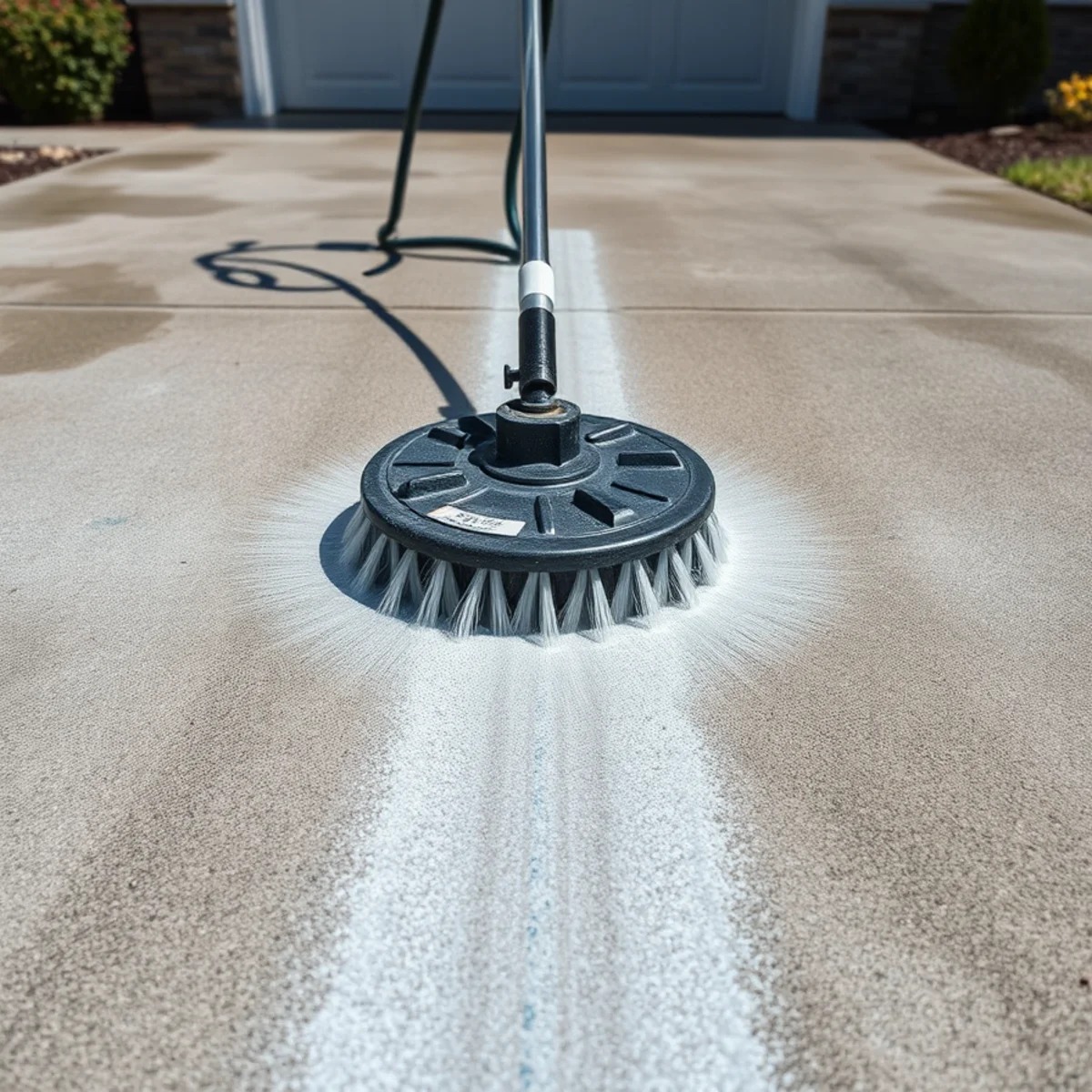
For solid concrete and asphalt, we power wash with a spinning surface cleaner. Concrete handles a working range around 2,000 to 3,000 PSI when that energy is spread evenly across the surface cleaner's spinning bars rather than focused through a wand tip. Asphalt gets the same approach dialed down, because its surface is softer.
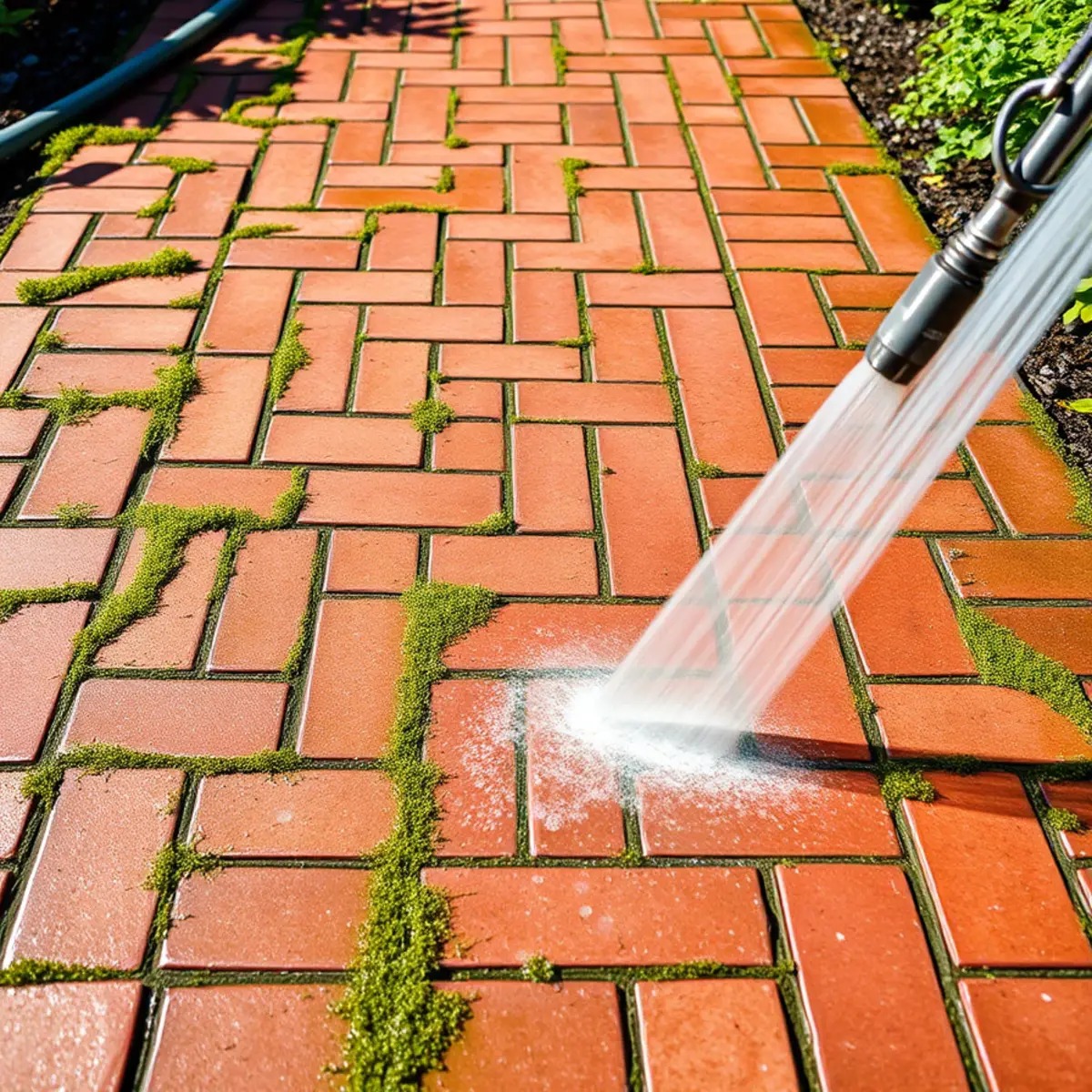
For brick pavers, stamped concrete, and historic brick, we soft wash. That means low-pressure application of cleaning solution, dwell time for the chemistry to work, and a gentle rinse, no direct high-pressure spray that would blow out joint sand or etch a decorative finish. Our dedicated soft washing approach is built for exactly these delicate surfaces.
The skill is knowing which slab in front of us gets which treatment, and never defaulting to maximum pressure because it is faster.
Our Driveway Cleaning Process, Explained
Every job starts with a walk of the surface. We identify the material, find the worst staining, check for cracks and spalling, and look for sealer that changes how we proceed. We also note where runoff will travel, because protecting your lawn, plantings, and the storm drain is part of the job, not an afterthought.
Next comes pre-treatment. We apply a professional cleaning solution matched to the contaminants present, letting biodegradable surfactants and a controlled dose of sodium hypochlorite break down algae, mildew, and the black streaks at the root. On heavy oil and grease, we switch to a dedicated degreaser and, where needed, hot water to lift petroleum out of the pores instead of smearing it around.
Then we clean. On concrete and asphalt the spinning surface cleaner does the work, producing an even, edge-to-edge finish. On pavers and decorative surfaces we keep it gentle. We finish with a thorough post-rinse so no residue is left to streak as it dries, and we re-check the runoff path before we pack up.
Surface Cleaner vs. Wand: How We Avoid Streaks and Zebra Stripes
This is where amateur jobs give themselves away. A bare wand concentrates all the machine's pressure into a narrow fan. Drag that across concrete by hand and you get "zebra stripes," alternating clean and dirty bands where overlap and angle were inconsistent. They are nearly impossible to fix once they are burned in.
A spinning surface cleaner solves this. It encloses two or more nozzles on a rotating bar inside a shroud, distributing pressure uniformly and overlapping each pass automatically. The result is a flat, consistent clean with no stripes and no wand marks. We use the wand only for edges, transitions, and detail work where the surface cleaner cannot reach, and we feather those areas in deliberately.
Stains We Remove: Oil & Grease, Rust, Tire Marks, Efflorescence, Mold & Mildew
A general wash brightens the whole slab. The stubborn spots need targeted treatment, and these are the ones we go after:
- Oil and grease from parked vehicles
- Rust from patio furniture, fertilizer, or metal that has sat too long
- Tire marks scuffed in by turning wheels
- Efflorescence, the chalky white salt bloom common after MA winters
- Mold, mildew, algae, moss, and lichen in the surface and the joints
- Artillery fungus (gnat-like black spots) and post-construction residue on newer driveways
Oil Stain Removal from Driveways
Oil sits in the pores of concrete, so surface pressure alone barely touches it. We pre-treat the spot with a purpose-built degreaser, give it dwell time to emulsify the petroleum, and apply hot water where the stain is set in. Fresh stains lift cleanly. Old, deep stains may lighten dramatically rather than vanish entirely, and we will tell you honestly which one you have before we start. For severe cases we offer focused oil stain removal and rust removal as standalone services.
Moss, Algae & Black Streak Removal from Driveways and Joints
Scrubbing moss off the top accomplishes nothing if the roots survive in the joints, it grows right back. The fix is chemistry. We apply a treatment that kills the organism at the root, let it dwell, then rinse. That is why a professional clean stays clean for a season or more while a hose-and-brush job is green again within weeks. For chronic problems we also offer dedicated moss and lichen removal and algae removal.
How Much Does Driveway Cleaning Cost in Massachusetts
There is no honest flat answer, and anyone who quotes you a firm number sight-unseen is guessing. Pricing is driven by real factors, and we walk the slab to weigh them:
- Size of the driveway in square footage
- Surface type, since pavers and stamped concrete take more careful, slower work than flat concrete
- Condition, meaning how heavy the staining, organic growth, and oil are
- Stain treatment needed, since rust, deep oil, and efflorescence require extra products and labor
- Access and slope, which affect runoff containment and setup
- Add-on sealing or whether you bundle the driveway with house washing or other services
You get a clear, itemized free estimate before any work begins, with no surprises after.
How Often Should You Clean Your Driveway in New England
For most Massachusetts homes, once a year keeps a driveway ahead of the grime. Shaded, tree-heavy lots and coastal properties that fight constant moisture often do better on a twice-a-year rhythm.
The calendar matters here. We recommend a spring wash to strip away winter road salt, sand, and the efflorescence it leaves behind, and ideally a fall wash before snow season, especially if you plan to seal. Spring also clears the heavy pollen layer that settles April through June. Time it right and you are never letting a full year of buildup compound.
Will Pressure Washing Damage My Concrete or Pavers?
In the wrong hands, absolutely. Excessive pressure etches and pits concrete, tears the surface off asphalt, and blasts the sand out of paver joints. That is precisely why technique and surface-matched pressure matter more than raw power.
Two cautions we take seriously. New concrete needs to cure before it sees a pressure washer, generally give a freshly poured slab close to a month before cleaning, longer in cold weather. And pavers get a soft-wash approach specifically so we do not disturb the joint sand. Done correctly, professional cleaning protects your driveway. Done carelessly with a rental machine, it causes the etching and pitting homeowners call us to fix.
Can You Pressure Wash Pavers Without Blowing Out the Joint Sand?
Yes, with the right method. We keep pressure low and let chemistry do the lifting, then rinse gently rather than driving water down into the joints. Some sand loss is normal on any paver clean, which is why we recommend replacing it afterward, more on that next.
Should You Seal Your Driveway After Cleaning?
For many surfaces, sealing after a thorough clean is a smart move. It locks out future staining, slows organic growth, resists salt intrusion, and deepens the color. The non-negotiable rule: seal only a clean, fully dry surface. Sealing over trapped algae, salt, or moisture just locks the problem in.
For paver driveways, the step before sealing is polymeric joint sand replacement. Re-sanding the joints re-locks the pavers, resists weeds, and restores stability before the sealer goes on. Plan to let the driveway dry for a day or more after washing before any sealer is applied, and schedule it for dry weather.
Eco-Friendly & Biodegradable Cleaning Solutions
Whatever we wash off your driveway runs somewhere, toward your lawn, your plantings, a storm drain, or in rural towns, a well. So we treat runoff as part of the job. We use biodegradable detergents and surfactants, pre-soak surrounding landscaping so cleaning solution dilutes on contact with foliage, and manage where the rinse water travels. The goal is a driveway that is genuinely clean without collateral damage to the grass, the garden beds, or the groundwater nearby.
Service Areas Across Massachusetts
We are a statewide operation, not a narrow town cluster. We clean driveways across Greater Boston, the North Shore, the South Shore, MetroWest, Worcester County, the Merrimack Valley, and out to Cape Cod. That includes Worcester, Cambridge, Quincy, Newton, and Plymouth, with the same careful work whether you have a single-car pad or a sweeping paver drive.
Why Choose Wash Bros
We are a family-run company, founded in 2023 by brothers Louis and Dominic, and we carry a 5.0 average across 130 Google reviews from Massachusetts homeowners. We are fully insured, and a certificate of insurance is available on request.
That last point matters more than it sounds. When you hand a stranger a machine that can carve concrete, insurance is the difference between a clean driveway and a damaged one you are stuck paying for. Before you hire anyone, ask for proof of insurance, and ask how they will protect your specific surface. A contractor who cannot answer is the one who leaves the zebra stripes and blown-out joints we get called to repair.
We bring commercial equipment, surface-matched chemistry, runoff awareness, and the experience to clean thoroughly without doing harm. The work is satisfaction-focused, every job, every slab.
Get a Free Driveway Cleaning Quote
If you can see a clean line where a parked car shielded the pavement, your driveway is overdue. Let's get it bright, even, and safe again before another winter compounds the damage.
Call Wash Bros today at +1 (351) 242-0666 for your free driveway cleaning estimate.
Problems We Solve
- Green algae, black streaks, and moss that make concrete look gray, tired, and dangerously slick underfoot
- White efflorescence and pitting driven into the slab by Massachusetts road salt and freeze-thaw cycles
- Oil, grease, rust, and tire-mark stains that a garden hose or general wash leaves behind
- Zebra stripes and wand marks left by DIY rentals and careless, uninsured pressure washers
- Blown-out joint sand and shifting pavers from too much direct pressure on the wrong surface
- Etched, pitted concrete and torn asphalt caused by excessive PSI and the wrong cleaning method
Our Cleaning Process
- 1
Inspect the surface and identify problem areas
- 2
Protect nearby landscaping, fixtures, and finishes
- 3
Apply the correct cleaning method for the surface
- 4
Wash and rinse thoroughly with professional equipment
- 5
Final quality check and walkthrough with you
Why Choose Wash Bros
- Affordable, upfront pricing
- Dependable scheduling
- Experienced exterior cleaning team
- Surface-safe process, every job
- Residential & commercial options
- 5.0 stars across 130 reviews
Driveway Cleaning Across Massachusetts
We provide driveway cleaning in 351 Massachusetts cities, including:
Driveway Cleaning FAQs
Related Services
Paver Cleaning
Professional paver cleaning, re-sanding, and sealing across Massachusetts. Soft-wash chemistry that protects joints and stone, not high-PSI blasting.
Read More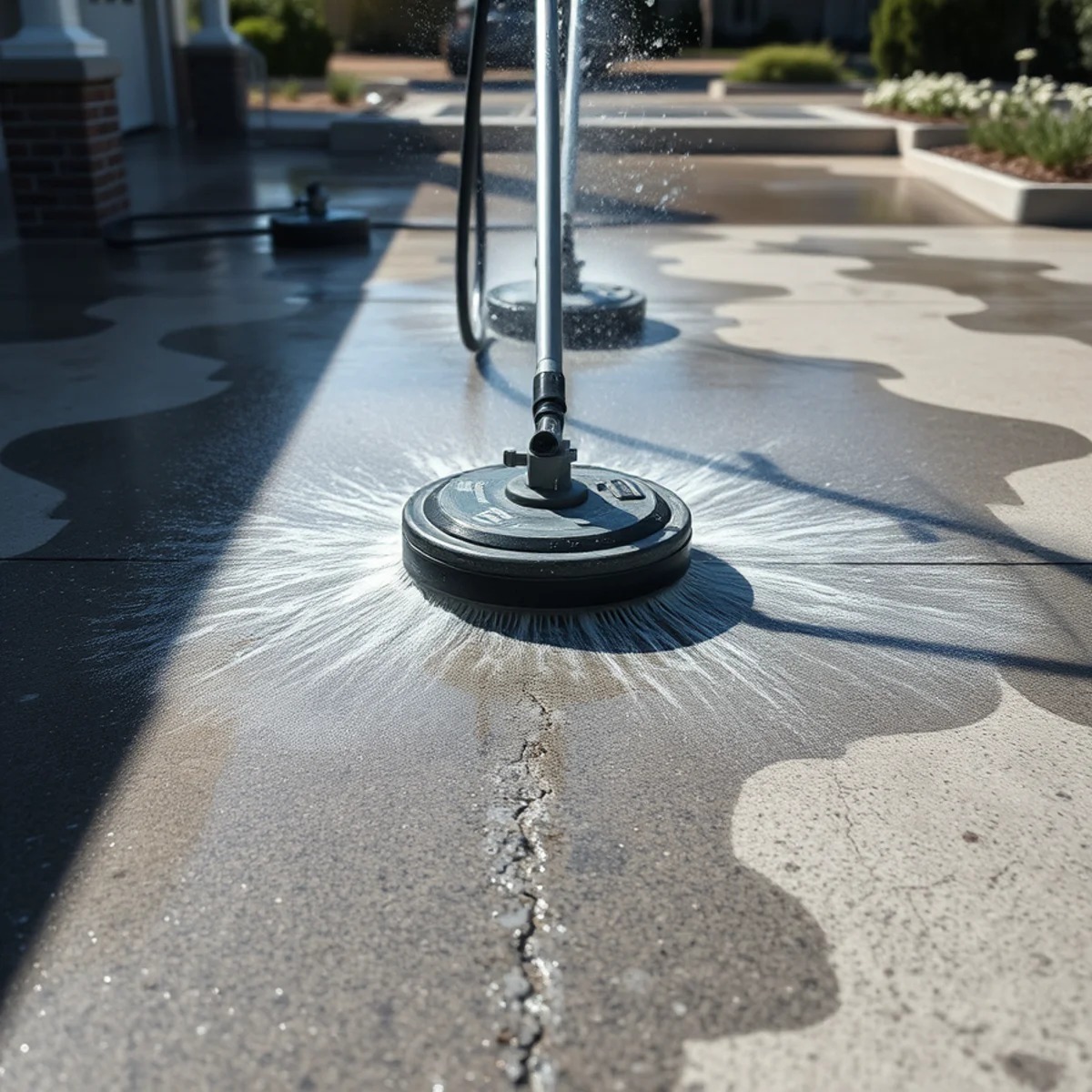
Concrete Cleaning
Expert concrete cleaning in Massachusetts: surface-cleaner flatwork, hot-water degreasing, and chemistry that removes salt, algae, oil, and efflorescence.
Read More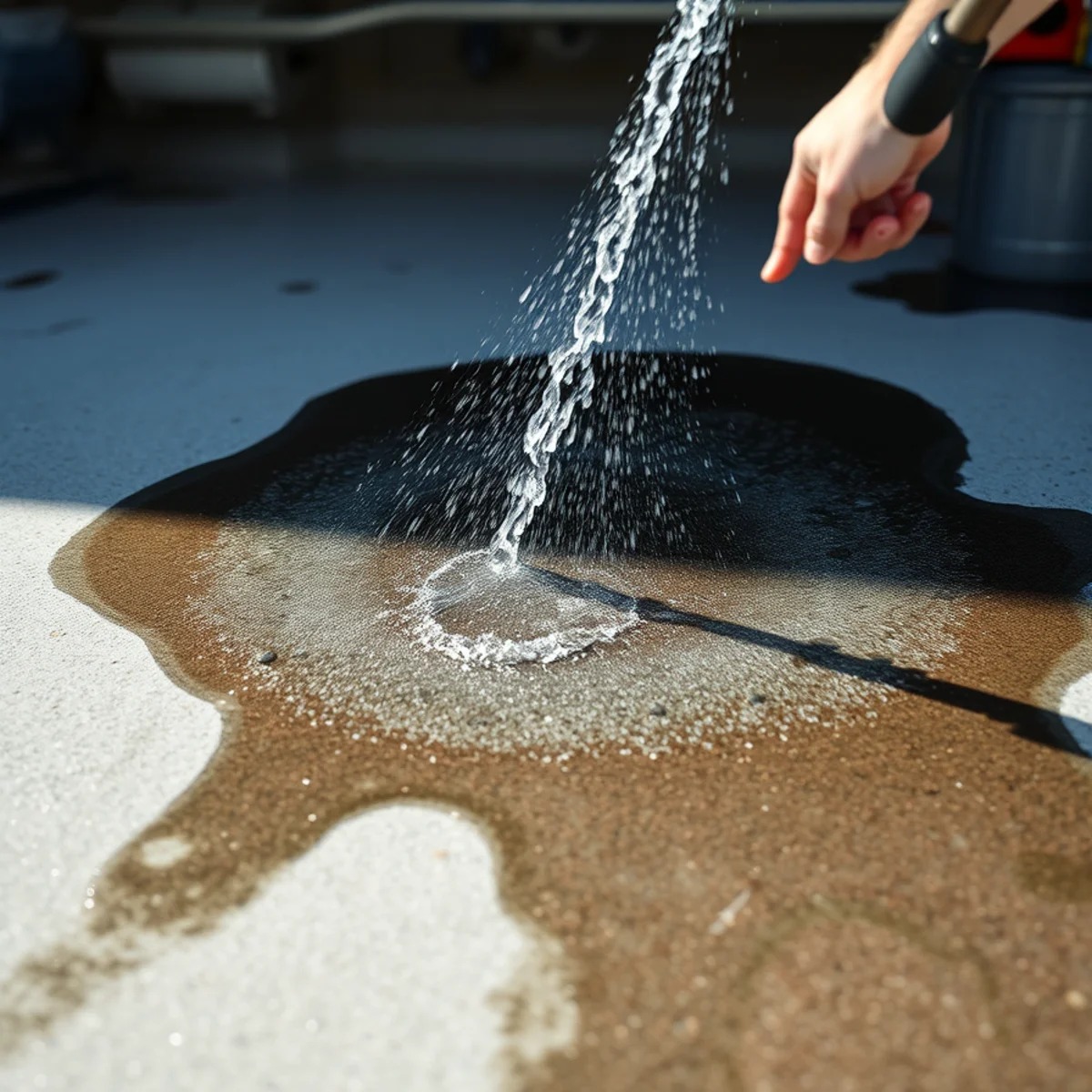
Oil Stain Removal
Hot-water degreasing that lifts motor oil, grease, and fuel stains out of MA concrete, pavers, and asphalt, not just over them.
Read More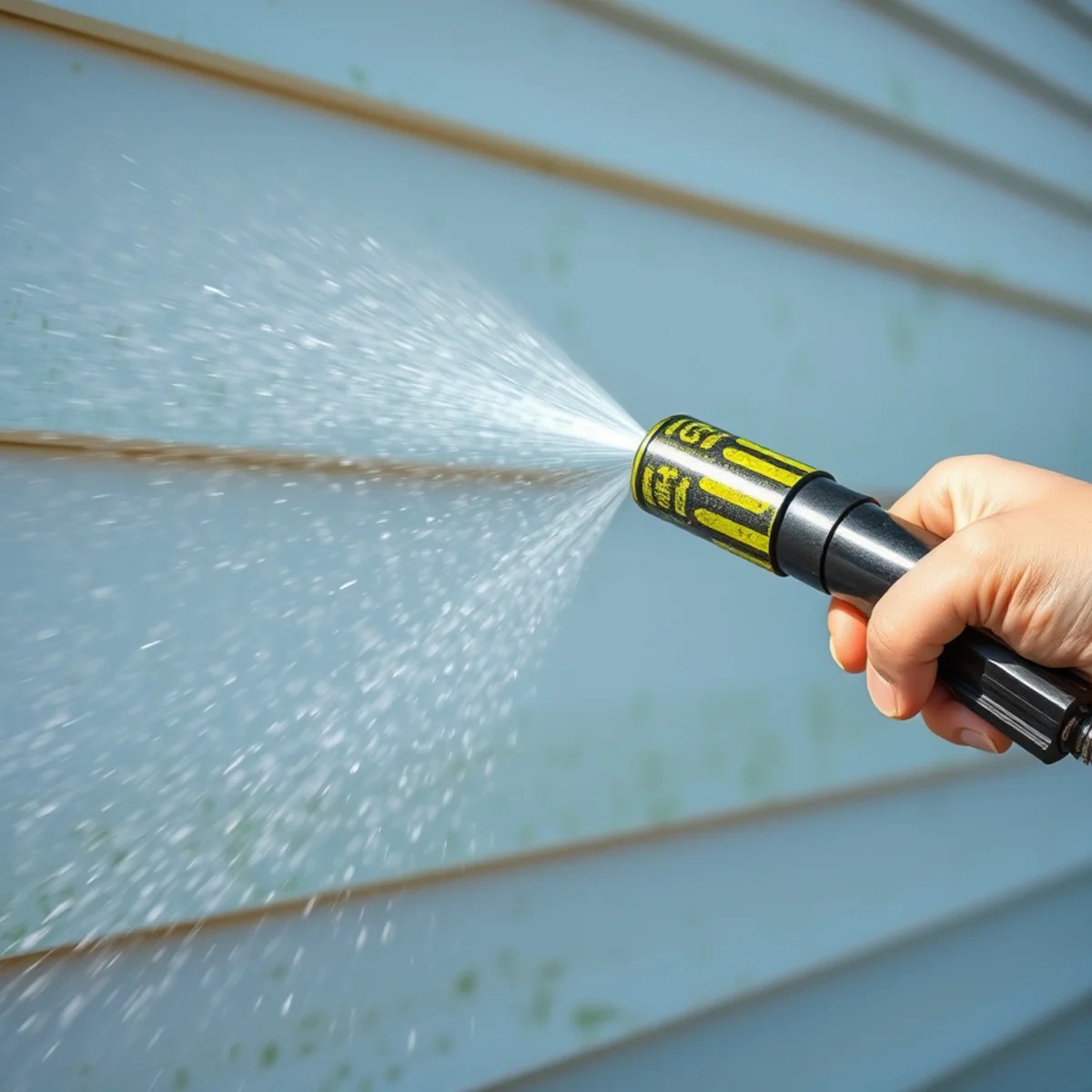
Soft Washing
Low-pressure soft washing that kills roof algae, mold, and black streaks at the root, safely cleaning MA roofs and siding.
Read More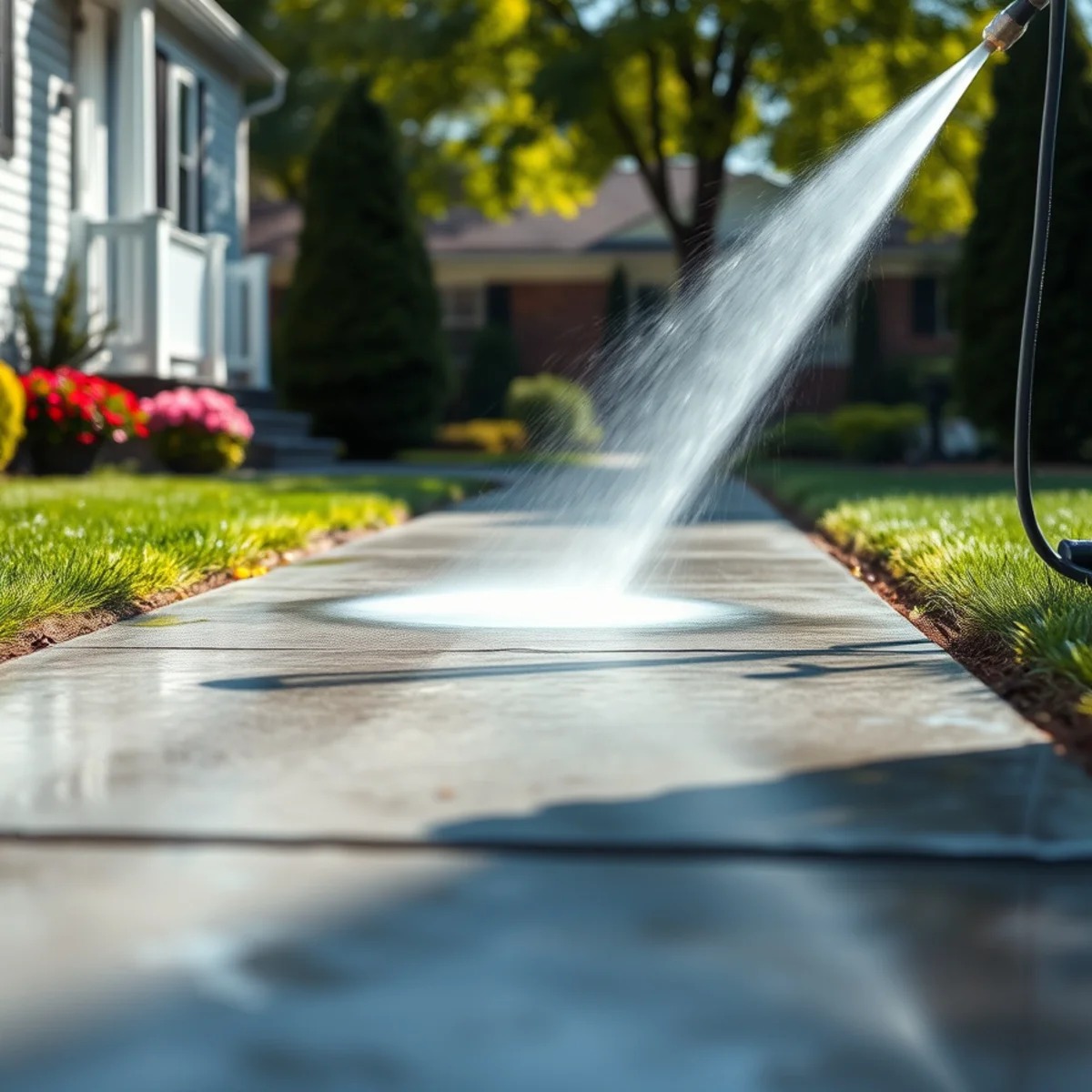
Sidewalk Cleaning
Expert Massachusetts sidewalk cleaning that lifts gum, black spots, algae, and road salt off concrete, pavers, and brick without etching.
Read MoreReady to Schedule Driveway Cleaning?
Contact Wash Bros today for a free driveway cleaning estimate anywhere in Massachusetts.