
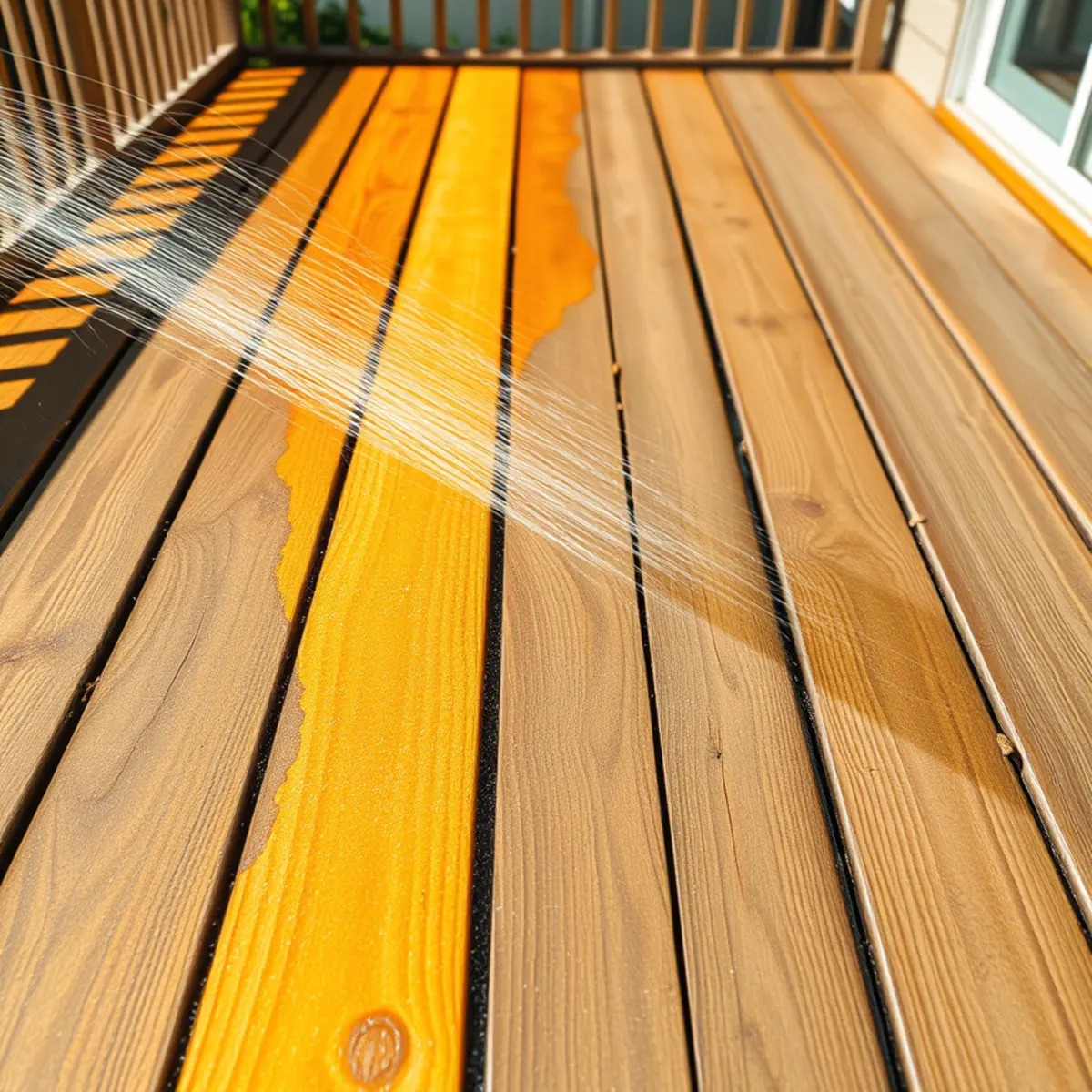
Deck Cleaning Services in Massachusetts
Professional deck cleaning from Wash Bros for Massachusetts homes and businesses — affordable, dependable, and designed to restore curb appeal safely.
A gray, slick deck is not just tired-looking. It is a falling hazard waiting for a wet morning.
Here is what most homeowners miss: that green-black film on north-facing boards is living organic growth, and it gets dangerously slippery the moment dew, rain, or melting snow touches it. Left alone, it spreads, it darkens the wood, and it traps moisture against the grain right where Massachusetts freeze-thaw cycles do their worst damage. Every season you ignore it, the algae digs deeper and the boards inch closer to rot.
You don't need more pressure to fix that. You need the right chemistry, applied by someone who knows what your decking can take. That is exactly what Wash Bros does, and we have repaired enough amateur damage to know where the line is.
Why Decks Get Dirty in Massachusetts: Mold, Mildew, Algae, Pollen & Tree Debris
New England is hard on outdoor wood, and decks catch the worst of it. Our humid summers and heavy tree canopy create the perfect environment for green algae, mold spores, and mildew to take hold on shaded boards. A deck that sits under oaks or near a wood line rarely dries out fully, so the colonies never stop growing.
Spring layers everything in a fine yellow pollen film that bonds to horizontal surfaces and won't budge with a garden hose. Fall drops leaves and acorns that stain untreated wood with dark tannin marks as they rot in place. Moss and lichen creep into the gaps between boards and along shaded railings. On the coast, salt-air corrosion adds a gritty film that ordinary rinsing leaves behind.
Then comes the part that costs people real money: freeze-thaw. Trapped moisture and organic growth expand inside cracks and board gaps every time the temperature crosses 32 degrees. That cycle pries fibers apart, accelerates wood rot, and turns small checks into structural splits by spring. Cleaning is not cosmetic in this climate. It is maintenance that protects the structure.
Soft Washing vs. Pressure Washing for Decks: Which Is Safe for Your Wood?
This is the question that decides whether your deck survives the cleaning, so let's settle it clearly.
Pressure does not kill algae. People assume a powerful machine scours the growth away, but high PSI only blasts off the surface layer while the root system stays alive in the wood pores, ready to regrow in weeks. Worse, the pressure that strips algae also strips wood. It raises the grain, gouges soft springwood, and leaves wand marks you cannot sand out.
The fix is a soft wash. We apply a biodegradable detergent that breaks down mold spores, green algae, and mildew at the root, let the surfactant do the work, then rinse at low pressure. For most wood decking that rinse stays gentle, and for composite we hold to a moderate range of roughly 500 to 1,000 PSI with a wide fan tip nozzle, never a concentrated stream. The chemistry lifts the contaminant; the water only carries it away.
That is the core message of professional deck care. You don't need more pressure; you need the right cleaning solution matched to the surface.
Deck Materials We Clean: Pressure-Treated Wood, Cedar, Composite, Trex, PVC & Vinyl
No two decking materials want the same treatment, and the difference is where amateurs and low-ball crews fail.
Pressure-Treated Lumber and Cedar
Pressure-treated pine and cedar dominate older New England decks. Both are soft and porous. They demand a true soft wash with a deck-safe detergent and a gentle low-pressure rinse to avoid furring, the raised fuzz of torn wood fibers that ruins the surface and traps more dirt. Cedar in particular bruises easily, so we keep the wand moving and never concentrate the stream.
Composite, Trex, and PVC
Newer builds use composite decking, Trex, and PVC. These don't rot like wood, but the cap layer scratches, and aggressive pressure voids many manufacturer warranties. Composite is fundamentally a soap-and-water surface: we lift the embedded grime and surface mold with detergent and a moderate, controlled rinse. PVC and vinyl decking respond the same way, with chemistry doing nearly all the work.
Hardwoods and Vinyl Railings
Dense tropical hardwoods like ipe, vinyl railing systems, and aluminum balusters each get their own approach. We identify the material first, then dial the method to it. That single habit prevents most of the damage we see on rescue calls.
Our Deck Cleaning Process, Explained
We start every deck with an inspection. Before a drop of water touches the boards, we walk the structure, identify the material, check for loose fasteners, lifted boards, soft spots, and existing finish, and note where organic growth has dug in deepest. That walk tells us how much pressure the wood will tolerate and where to focus.
Next we protect the surroundings. We pre-soak nearby grass and foundation plantings so detergent can't concentrate on the leaves, and we stay mindful of runoff containment, storm drains, and well-water on rural properties. Our solutions are biodegradable and chosen to rinse clean without scorching the landscaping.
Then comes the pre-treatment. We apply the cleaning solution and let the surfactant break the bond between the algae, mildew, tannin stains, and the wood. This dwell time is the part DIYers skip, and it is the part that actually works. With the growth lifted, we rinse at the low pressure the material can safely take, working with the grain across boards, railings, balusters, stairs, and the skirting underneath so the whole structure comes back even. Where gray UV weathering or stubborn tannin staining remains on bare wood, a deck brightener with oxygen bleach or oxalic acid neutralizes the discoloration and restores the natural tone without harsh etching.
The result is a deck that is clean to the root, not just rinsed on top, which is why it stays clean far longer than a quick blast ever does.
Signs Your Deck Needs Professional Cleaning
Some decks announce it. Others hide the problem until it is expensive.
Watch for green or black growth spreading across the boards, boards that feel slick or slimy underfoot when damp, and a dull gray cast where UV weathering has bleached the surface. Dark streaks below planters and railings usually mean tannin stains or trapped moisture. Moss or lichen in the gaps signals that the wood is staying wet long enough to rot. And if you can smell mildew on a humid evening or your bare feet come away gritty, the colonies are well established. None of these clear on their own. They compound.
The Dangers of DIY Pressure Washing a Deck
Renting a machine feels like the thrifty move. Then the damage shows up.
A consumer pressure washer in untrained hands is a board-destroying tool. Hold the wand too close or pick the wrong tip and you etch permanent stripes, gouge channels into soft pine, and tear the grain into a fuzzy mess called furring that will never feel smooth again. Push composite too hard and you scratch the cap and risk voiding the warranty. Even the technique matters: cross the grain, dwell in one spot, or fan inconsistently, and the boards dry to a blotchy patchwork. Warping and splintering follow when forced water drives deep into the wood.
We get the calls after all of this. Sanding out wand marks, evening out a stripped finish, sometimes replacing boards that did not need to be replaced. A professional cleaning costs less than the repair, and far less than your time on a ladder with a machine you have never operated. That is the honest math.
Deck Cleaning vs. Deck Restoration, Staining & Sealing: What's the Difference?
These terms get used interchangeably, and they shouldn't be.
Cleaning removes contaminants: algae, mildew, pollen, tannin stains, and gray surface oxidation. It returns the deck to a clean, sound state. Deck restoration or refinishing goes further, addressing weathered, failing finish and bare wood that has lost its protection, often with brightening and re-coating. Staining and sealing are the protective steps that come after cleaning, adding color and a water-repellent sealant to guard the wood going forward.
We focus on doing the cleaning right, because a proper clean is the mandatory foundation under any stain or sealer. Coat over algae or trapped moisture and you seal the problem in. Clean first, every time.
Should You Seal or Stain Your Deck After Cleaning?
If your wood deck is bare or its finish is failing, yes, sealing or staining after a clean is smart protection against New England moisture and UV. A water-repellent sealant slows the freeze-thaw damage that splits unprotected boards over winter.
Timing is everything. Wood that has just been washed is saturated, and a sealer or stain applied too soon will not penetrate and can cloud or peel. The wood needs to dry thoroughly first, typically a couple of dry days of good weather, sometimes longer after a wet stretch. We plan cleanings with that drying window in mind so the surface is ready when the finish goes on. Composite, Trex, and PVC don't need sealing at all, which is one of their selling points.
How Often Should You Have Your Deck Cleaned in New England?
For most Massachusetts decks, once a year keeps the wood healthy and the surface safe. Shaded decks under heavy tree cover, north-facing sections that never fully dry, and coastal properties fighting salt air often do better with two cleanings a year. If your boards turn green or slick within a season, that is the deck telling you it needs more frequent attention. An annual rhythm clears the organic growth before it can root deep enough to cause rot.
Best Time of Year to Clean a Deck in Massachusetts
Two windows matter here.
Spring prep is the obvious one. After the pollen peaks and the weather settles, a clean reopens the deck for our short outdoor-living season and clears the winter's worth of grime, salt, and algae so the boards are safe before the first barbecue.
The fall clean is the one homeowners overlook, and it is the one that protects your wallet. Clearing organic growth and trapped debris before snow and ice arrive stops moisture and algae from expanding in the board gaps all winter. That single fall cleaning prevents the freeze-thaw rot that turns into spring repair bills. Clean in fall, save in spring.
How Much Does Deck Cleaning Cost in Massachusetts?
Honest answer: it depends on the deck, and any company quoting a flat price sight unseen is guessing. The factors that actually move the number are the square footage, the decking material, how many levels and how much railing, balusters, and lattice there is to detail, the severity of the algae or staining, and access. A simple ground-level composite deck is straightforward. A multi-level cedar deck with heavy growth and elaborate railings takes far more time and care.
What we will tell you up front is that pricing scales with the work involved, and our quotes are flat and transparent after we see the deck. No vague upsells, no surprises on the invoice. Bundling with other exterior work, like house washing or gutter cleaning, usually brings the per-service cost down.
Benefits: Curb Appeal, Slip Safety, Extended Deck Lifespan & Property Value
A clean deck looks dramatically better, and yes, that curb appeal helps when you sell or host. But the benefits that matter most are practical. Removing algae restores a non-slip surface, which genuinely protects your family on the wet and icy mornings New England serves up. Clearing organic growth and trapped moisture slows wood rot and freeze-thaw damage, extending the deck's usable lifespan and protecting a structure that costs thousands to replace. A maintained outdoor living space adds real value to the property. This is preventive maintenance that pays for itself.
Eco-Friendly, Plant- and Pet-Safe Cleaning Solutions
We use biodegradable detergents and surfactants chosen to break down organic growth without scorching your landscaping. Before we apply anything, we pre-soak surrounding grass and plantings so runoff stays diluted, and we keep storm drains and well-water in mind on every property. Once everything dries, the deck is safe for kids, pets, and bare feet. Effective chemistry and responsible application are not in conflict, and we treat both as part of the job.
Service Areas Across Massachusetts
Wash Bros cleans decks across Greater Boston, Worcester County, MetroWest, the North Shore, the South Shore, and into Western Massachusetts. We work in Boston, Worcester, Cambridge, Newton, and Quincy, along with the surrounding towns and counties throughout the state. Whether your deck overlooks a city yard or a wooded inland lot, we bring the same material-specific care to every board.
While we are there, we can handle the connected surfaces too, from your pool deck and paver patio to the fence along the property line, so the whole backyard matches.
Fully Insured, Satisfaction-Focused, and a Free Quote
Wash Bros is a family-run business started in 2023 by brothers Louis and Dominic, and we are fully insured, with a certificate of insurance available on request. When you are vetting any contractor for deck work, insist on exactly that: proof of insurance before anyone touches your property, so you are protected if something goes wrong. It is the simplest way to weed out the uninsured low-ballers who leave damage and disappear.
We are satisfaction-focused on every deck, and our work shows in a 5.0 average across 130 Google reviews. If a board, a railing, or a stairway isn't right, we make it right.
Your deck has a short season in New England. Let's get it clean, safe, and protected before the next one. Call Wash Bros at +1 (351) 242-0666 for a free, no-pressure deck cleaning quote.
Problems We Solve
- Slick green and black algae film making deck boards dangerously slippery when wet or icy
- Gray UV weathering and tannin stains dulling wood and bleaching the surface
- Trapped moisture and organic growth driving freeze-thaw rot in board gaps over winter
- Pollen film, salt-air grime, and tree debris that a garden hose can't remove
- DIY pressure washer damage: furring, wand marks, gouging, and warped boards
- Algae and mildew rooted deep in wood pores that regrow weeks after a surface rinse
Our Cleaning Process
- 1
Inspect the surface and identify problem areas
- 2
Protect nearby landscaping, fixtures, and finishes
- 3
Apply the correct cleaning method for the surface
- 4
Wash and rinse thoroughly with professional equipment
- 5
Final quality check and walkthrough with you
Why Choose Wash Bros
- Affordable, upfront pricing
- Dependable scheduling
- Experienced exterior cleaning team
- Surface-safe process, every job
- Residential & commercial options
- 5.0 stars across 130 reviews
Deck Cleaning Across Massachusetts
We provide deck cleaning in 351 Massachusetts cities, including:
Deck Cleaning FAQs
Related Services
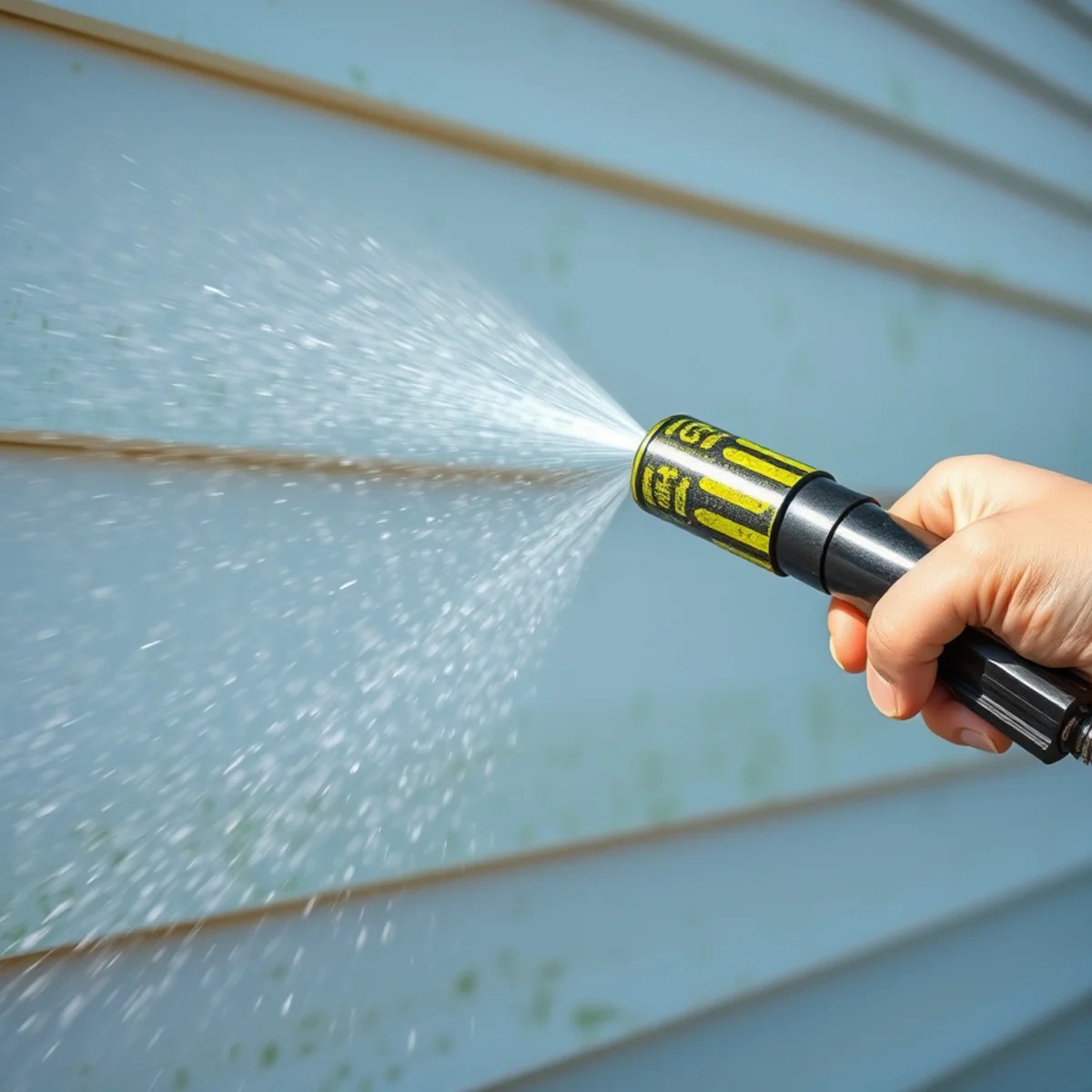
Soft Washing
Low-pressure soft washing that kills roof algae, mold, and black streaks at the root, safely cleaning MA roofs and siding.
Read More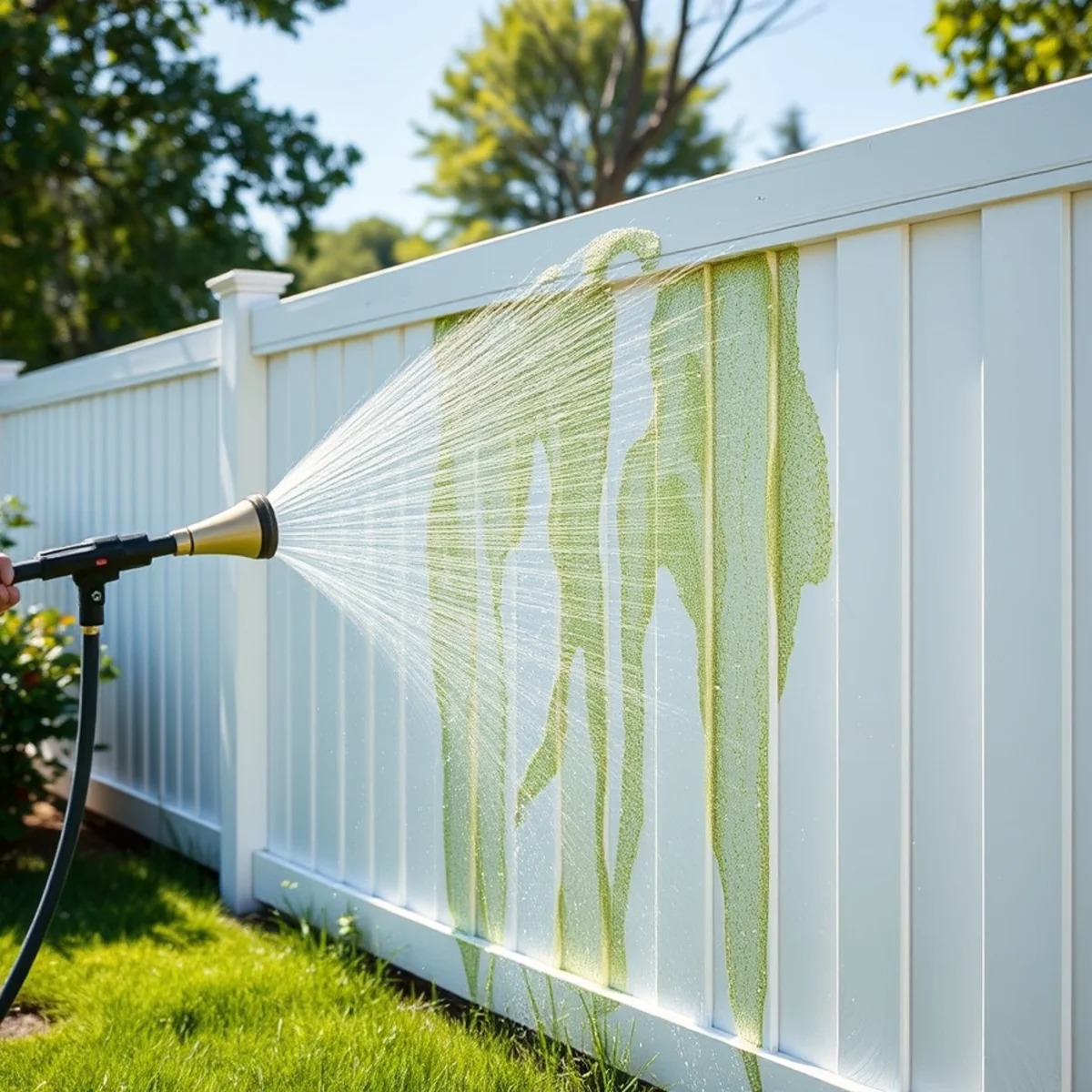
Fence Cleaning
Expert fence cleaning in Massachusetts using soft washing matched to each material, killing algae and mold at the root without damaging the wood.
Read More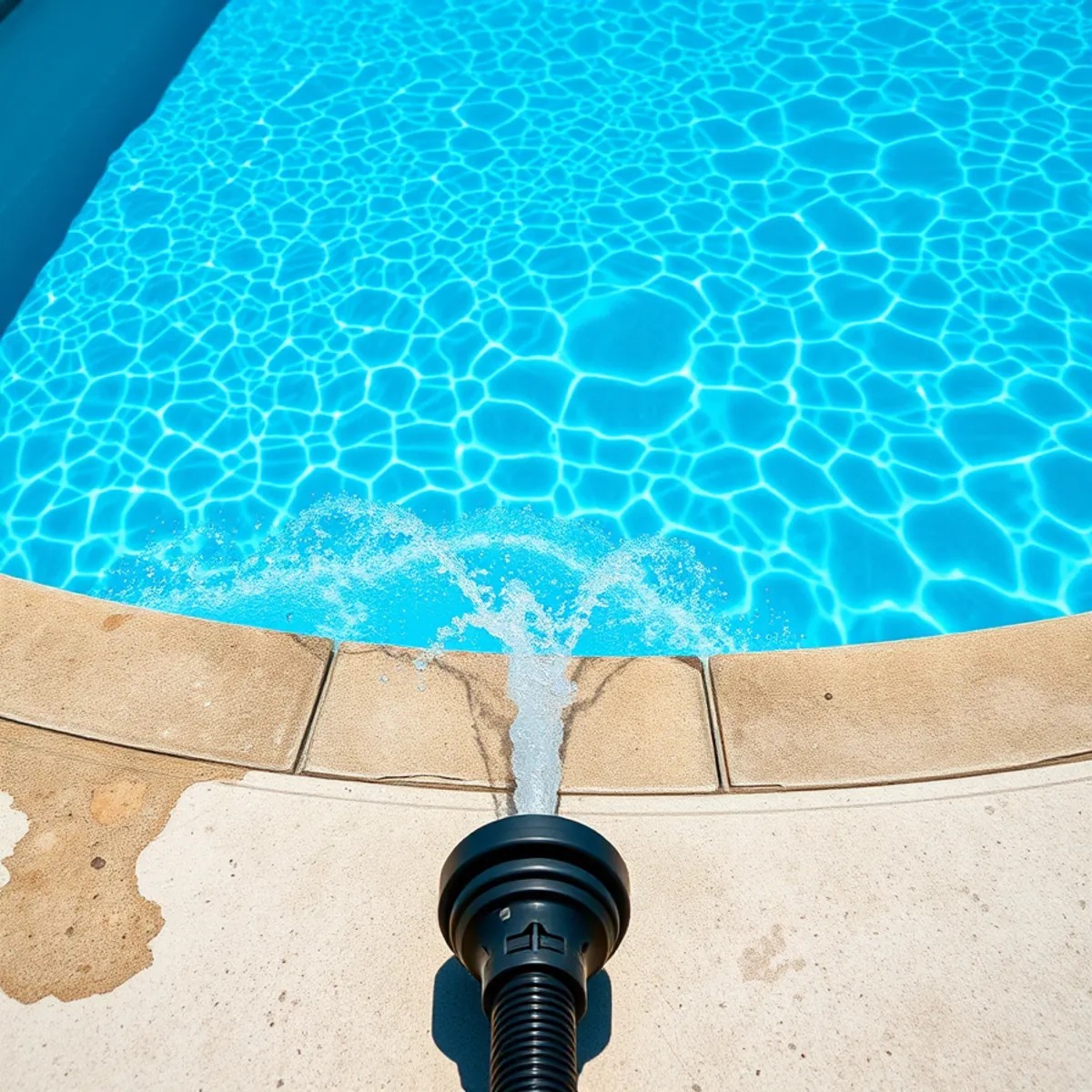
Pool Deck Cleaning
Slip-safe pool deck cleaning across Massachusetts. Surface-matched PSI and pool-safe chemistry for concrete, pavers, travertine and Kool Deck.
Read More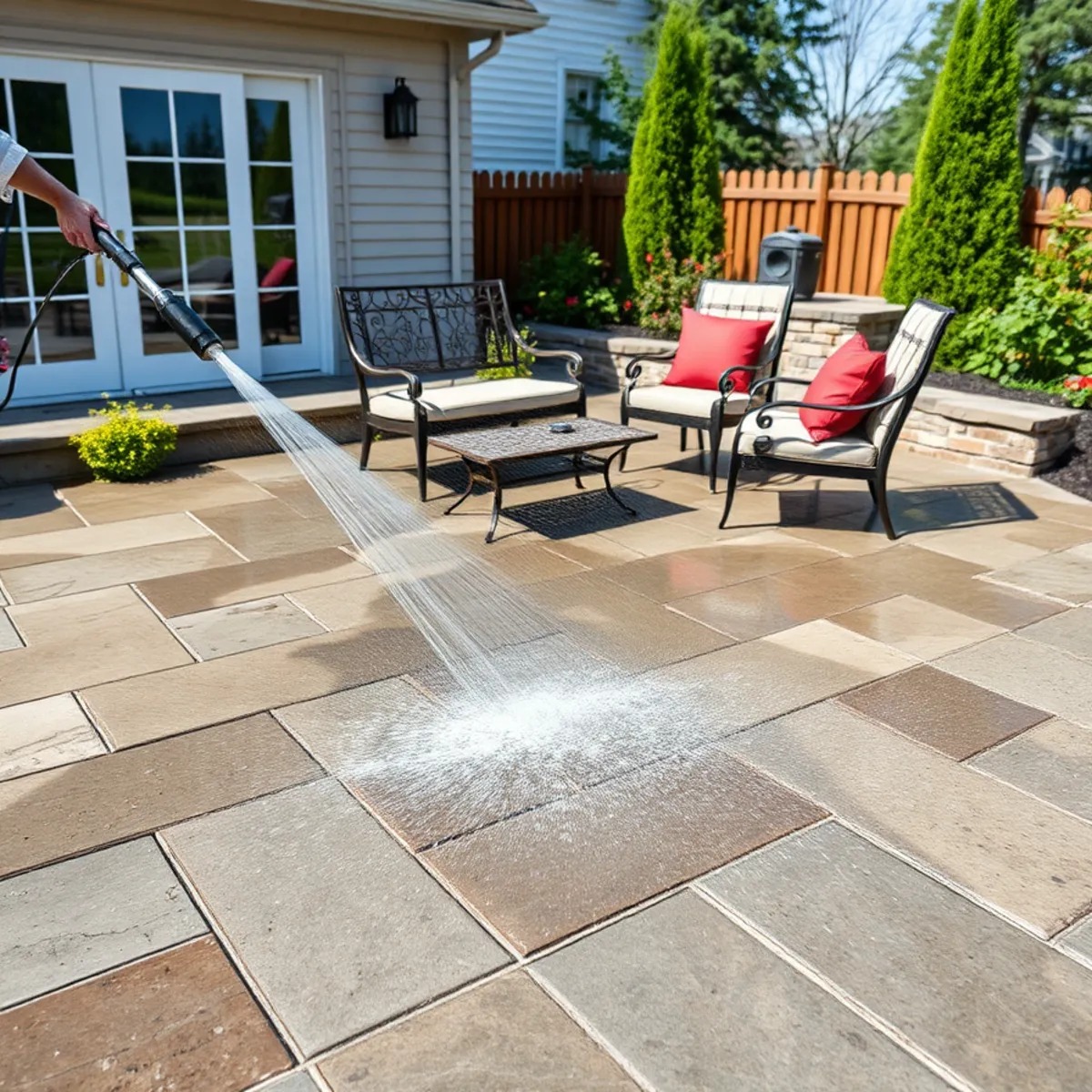
Patio Cleaning
Expert patio cleaning for pavers, bluestone, brick and concrete across MA, with surface-safe soft washing, re-sanding and sealing.
Read More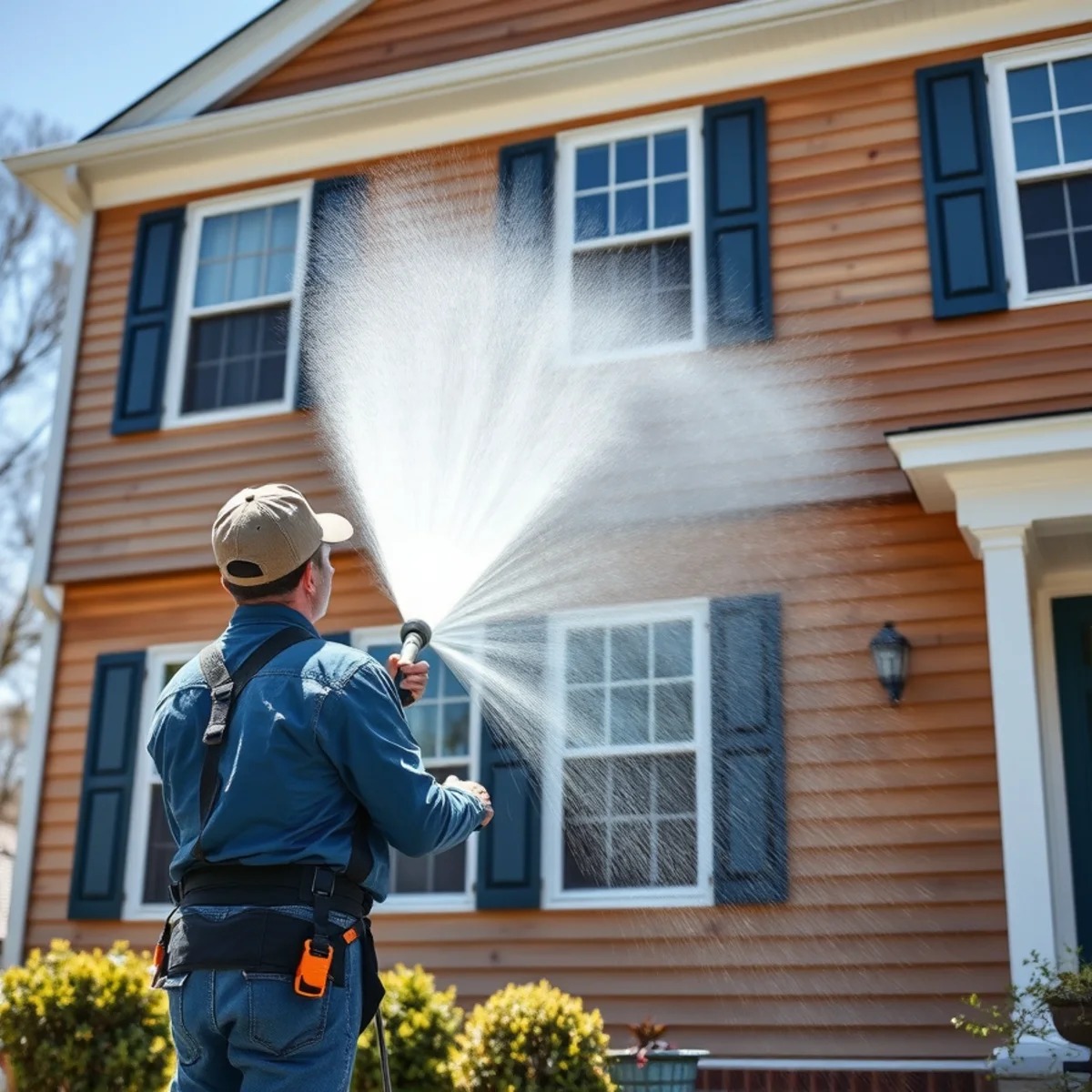
House Washing
Low-pressure soft wash house washing across MA. We kill algae, mold, and black streaks at the root, never blasting your siding.
Read MoreReady to Schedule Deck Cleaning?
Contact Wash Bros today for a free deck cleaning estimate anywhere in Massachusetts.