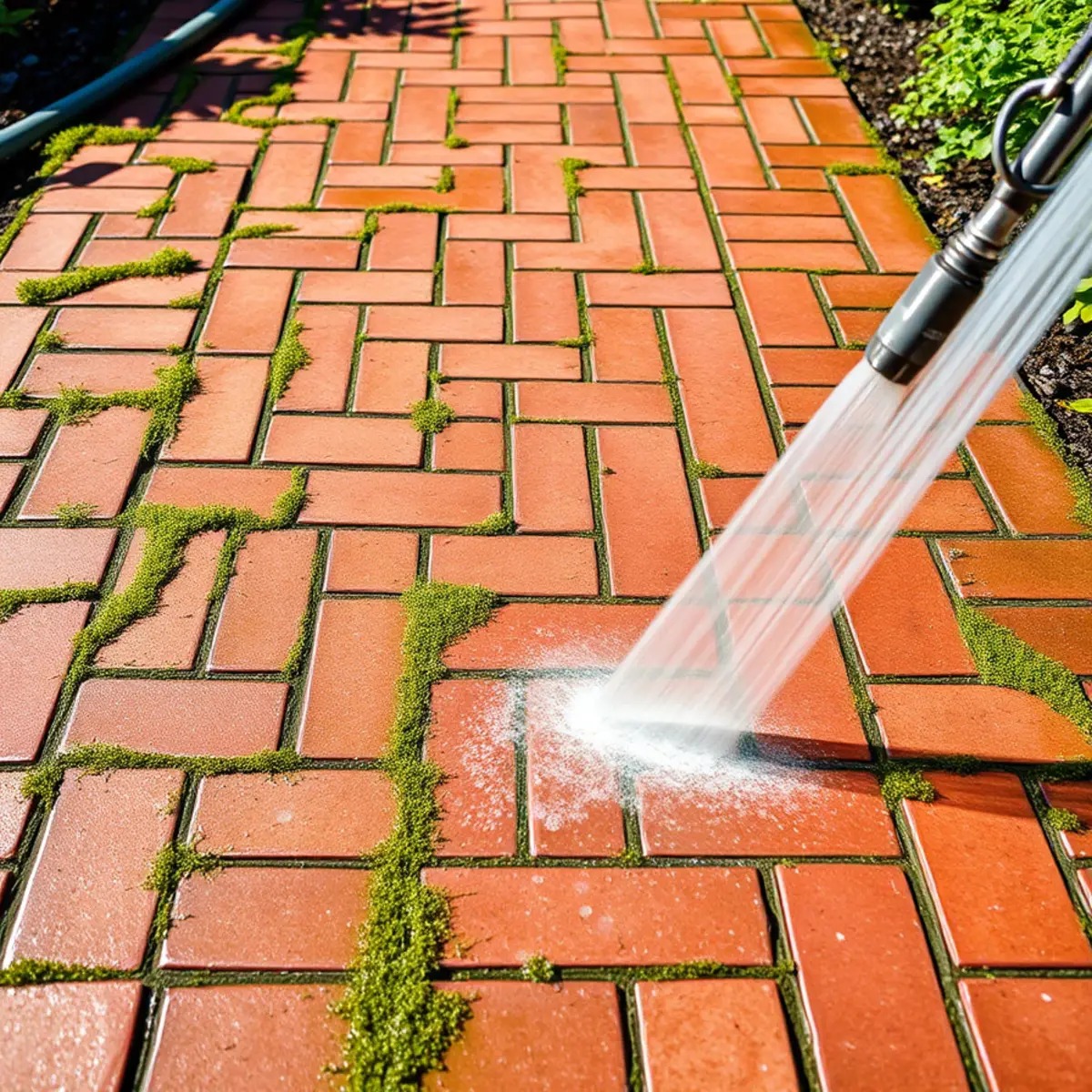
Paver Cleaning Services in Massachusetts
Professional paver cleaning from Wash Bros for Massachusetts homes and businesses — affordable, dependable, and designed to restore curb appeal safely.
A paver patio is one of the most expensive square feet on your property, and most homeowners watch it slowly fail without realizing why. The green film spreads from the shaded corner. Weeds creep up through the joints. Then a spring frost lifts a row of pavers out of line, and what was a $20,000 hardscape starts to look like a maintenance problem.
Here is the part nobody tells you: the damage is almost never the pavers themselves. It is the joints. When sand washes out and organic growth takes hold, water gets where it shouldn't, freezes, and heaves. Clean the surface the wrong way, blast those joints out with a rented wand, and you accelerate the exact failure you were trying to prevent.
We have loaded the rig to fix paver jobs that an amateur "cleaned" the week before. There is a right way to restore a paver hardscape, and it has very little to do with pressure.
What Is Professional Paver Cleaning?
Professional paver cleaning is the controlled removal of organic growth, embedded grime, and staining from a sand-set hardscape, paired with the joint and surface restoration that keeps the system stable. It applies to paver patios, garden walkways, driveways and aprons, front entries, courtyards, and pool decks.
The key word is system. Unlike a poured concrete slab, a paver installation is hundreds of individual units locked together by sand-filled joints sitting on a compacted base. Clean it like a slab and you destroy the thing that holds it together. The goal is a uniform, sound surface, not a power-washed scar that looks great for a month and then unravels.
A complete service is more than a wash. It is a clean, an honest assessment of the joints, re-sanding where the sand has blown out, and sealing when the surface is a good candidate. Most competitors list "patios/walkways" as a one-line item. They are washing. We are restoring.
Types of Pavers We Clean
Every paver material reacts differently to chemistry and pressure, and treating them all the same is how surfaces get ruined.
Concrete Pavers
The most common hardscape in Massachusetts. Durable but porous, which means they hold algae and efflorescence readily. They respond well to soft washing and a surface cleaner, and they are strong candidates for sealing after a clean.
Brick Pavers
Older red-brick patios and historic walkways are softer than they look. The faces spall and the mortar or sand joints wash out under aggressive spray. These get gentle, low-pressure restoration, never a direct high-pressure blast.
Natural Stone and Bluestone
Bluestone, fieldstone, and similar natural stone vary in density and can flake or "delaminate" if hit hard. We dial pressure down and lean on dwell time and the right detergent instead.
Travertine
A premium pool-deck and patio material that is genuinely soft and acid-sensitive. Travertine demands neutral chemistry and the lowest practical pressure. The wrong cleaner etches it permanently.
Cobblestone
Granite cobble is tough, but the deep, irregular joints between stones are weed and moss factories. The stone takes pressure; the joints do not. We clean the field and clear the seams without scouring them empty.
Signs Your Pavers Need Cleaning
Pavers tell you they need attention long before they fail outright. Watch for:
- Black spots that won't scrub off — these are lichen (often gloeocapsa), not dirt, and they have a root structure.
- Green or gray film that gets slick when wet — algae and moss.
- Weeds and grass in the joints — a sign the joint sand is gone or compromised.
- A white, chalky haze on the surface — efflorescence leaching up through the pavers.
- Sunken, shifting, or rocking pavers — the base or joint sand has migrated, usually from freeze-thaw and water intrusion.
- Salt residue and white crusting along driveway and walkway edges after winter.
Slick moss isn't just ugly. It is a fall hazard on a walkway or pool deck. And every one of these symptoms gets worse the longer the joints stay open.
Why We Use Surface Cleaners and Soft Washing Instead of High-Pressure Wands
Here is the message that matters most on this page: you don't need more pressure; you need the right chemistry.
A pressure washer wand does not kill algae, moss, or lichen. It rips the visible top layer off and leaves the root structure behind, so the green is back within weeks. Worse, a narrow high-PSI stream concentrated on a paver joint blows the sand out in seconds, etches the face of the stone, and leaves "zebra stripe" wand marks that never blend.
What actually works is dwell time with biodegradable surfactants and, where appropriate, a measured dose of sodium hypochlorite (SH) to kill organic growth at the root. We pre-treat, let the chemistry do the work, then rinse and clean the field with a flat surface cleaner that spreads the cleaning across the whole surface evenly instead of gouging one strip at a time.
For the surface science: concrete pavers can tolerate a surface cleaner in the 2,000–3,000 PSI range when that force is distributed across a spinning bar, not focused through a turbo nozzle. Historic brick stays under 400 PSI with no direct high spray. Soft, acid-sensitive travertine and bluestone get soft-wash chemistry and the gentlest rinse we can run while still cleaning. This is the same low-pressure philosophy behind our soft washing and moss & lichen removal services, applied to a hardscape that punishes shortcuts.
Our Paver Cleaning Method
We start by clearing weeds and loose growth and protecting your landscaping with a pre-soak, because the detergents we use are biodegradable but still need to be kept off stressed plants and out of storm drains. Runoff containment and well-water awareness are part of the plan before a drop of solution hits the ground.
Next we pre-treat the entire surface so the cleaning agents can break down algae, moss, lichen, and embedded grime at the root rather than just on the surface. We give it real dwell time. Then we clean the field with a surface cleaner sized to the material and rinse thoroughly, edges and borders included, so there are no streaks or stop marks.
Once the surface is clean and dry, we assess the joints. If the sand has washed out, we re-sand. If the pavers are good candidates, we talk sealing. The wash is the first step, not the whole job, and that is exactly where most competitors stop.
Joint Re-Sanding With Polymeric Sand
The sand between your pavers is structural. It locks the units against each other so they share load and resist shifting. When it washes out, pavers rock, tilt, and let water down into the base.
Polymeric sand is jointing sand blended with a binder that hardens after it is set with water. It resists washout, suppresses weed germination, and stabilizes the whole field far better than plain mason's sand. After a deep clean strips the joints of debris, the joints are ready to accept fresh sand and bond properly.
You don't always need a full re-sand. If your joints are still tight and full, a clean is enough. But if you can see daylight in the seams, if weeds keep coming back, or if pavers feel loose underfoot, re-sanding is what turns a cosmetic wash into actual restoration. In Massachusetts, this is rarely a one-time job, which brings us to the freeze-thaw cycle.
Efflorescence Removal: What the White Haze Is
That chalky white film on concrete and brick pavers is efflorescence. It is not dirt, and scrubbing won't fix it. It is mineral salt that dissolves in moisture inside the paver, wicks to the surface as the water evaporates, and crystallizes there as a haze. New pavers commonly bloom efflorescence in their first year or two. Older ones flare up after wet seasons and after road salt soaks in.
You cannot pressure-wash efflorescence away, because more water just dissolves and redeposits it. It takes a specialized acidic treatment applied and neutralized correctly for the specific paver material, which is why acid-sensitive travertine and some natural stone need a different approach entirely. We handle this routinely as part of our dedicated efflorescence removal work. Sealing afterward helps slow its return.
Paver Sealing After Cleaning
Sealing is the step that protects everything you just paid to clean. A quality sealer resists oil and stain penetration, locks joint sand in place (joint stabilization), slows efflorescence, and makes the next cleaning easier.
The non-negotiable rule: seal only a clean, dry surface. Seal over algae, dirt, or trapped moisture and you lock the problem in permanently. That is why sealing follows cleaning, never the other way around.
We use breathable sealers that let moisture vapor escape rather than trapping it under a film that clouds and peels. You choose the finish: a matte sealer keeps a natural look, while a wet-look sealer enriches color and adds sheen. In our freeze-thaw climate, a typical re-seal interval runs every few years, with high-traffic and sun-exposed areas needing it sooner. We will tell you honestly whether your pavers are a good candidate or whether they need to weather and dry out first.
Weed, Moss, Algae, and Black Lichen Removal
New England's heavy tree canopy and damp, shaded yards make paver joints a breeding ground for moss, green and black algae, and lichen. Black lichen spots in particular are stubborn; they bond hard to the stone and laugh at a garden hose.
Pulling weeds and power-washing the green off is a temporary fix because it leaves the roots and spores behind. Our treatment kills the organic growth at the source with the right chemistry and dwell time, so it stays gone far longer. Re-sanding the joints with polymeric sand afterward suppresses regrowth, and sealing slows recolonization. That combination, clean plus stabilize plus seal, is what separates a real restoration from a wash that greens over by midsummer.
Oil, Grease, Rust, and Tannin Stain Removal
Different stains demand different chemistry, and using the wrong product sets a stain permanently.
- Oil and grease from grills, vehicles, and driveways are drawn out with degreasers and, when needed, hot water pressure washing to break the bond.
- Rust from patio furniture, fertilizer, and metal fixtures needs a dedicated oxalic-based rust remover; bleach and pressure will not touch it. See our rust removal service.
- Tannin and leaf staining from New England's oaks, maples, and pine needles leaves brown organic shadows that respond to the right cleaner, not to scrubbing.
Matching the contaminant to the chemistry is the whole game. We diagnose the stain before we treat it, because guessing on a porous paver is how a stain becomes permanent.
Paver Cleaning Cost in Massachusetts
We won't quote a number sight unseen, because anyone who does is guessing. Paver pricing is driven by real factors, and an honest estimate accounts for all of them.
What moves the price: total square footage, the paver material (travertine and natural stone take more care than concrete), how heavy the organic growth and staining are, how much weed and moss removal the joints need, and whether you want a clean only or a full clean-and-re-sand-and-seal package. A straightforward clean sits at the lower end. Adding polymeric re-sanding and a quality sealer costs more up front but protects the hardscape and stretches the interval between services, so it is usually the better long-term value.
Be skeptical of a low-ball quote. A price that undercuts everyone else usually means an uninsured operator with a rented machine, no plan for your joint sand, and no liability coverage if something goes wrong on your property.
How Often Should Pavers Be Cleaned and Sealed?
For most Massachusetts properties, a thorough paver cleaning once a year keeps growth in check and joints clear. Shaded, tree-heavy, and north-facing yards may need it more often; sunny, open patios can stretch a little longer.
Sealing runs on a longer cycle, typically every few years depending on traffic, sun exposure, and the sealer used. The single most valuable recurring habit here is an annual joint inspection and top-up, because of how hard our winters are on jointing sand.
DIY vs. Professional Paver Cleaning
Picture the rented pressure washer from the hardware store. It feels powerful and productive. Now picture what it actually does to a paver patio: the high-PSI stream blasts the joint sand out of every seam it touches, etches the face of softer pavers, and leaves wand stripes that never fully blend.
The green grows back within weeks because consumer cleaners don't kill the root structure. The blown-out joints let water into the base. The next freeze-thaw lifts a row of pavers. Now you are paying a contractor to re-sand and re-level a patio that was fine before the weekend project.
A professional matches pressure, nozzle, and chemistry to your specific paver material, kills growth at the source so it stays gone, cleans evenly edge to edge, and restores the joints instead of destroying them. The DIY savings evaporate the moment you have to undo the damage. We have undone plenty of it.
The Massachusetts Climate Factor
Our winters are the reason paver maintenance here is recurring, not optional. The freeze-thaw cycle works water into dirty, weed-filled joints, freezes it, expands it, and heaves the joint sand out and the pavers out of line, every single spring. That is why annual re-sanding and inspection is a genuine local need, not an upsell.
Rock salt makes it worse. Sodium chloride de-icer causes surface scaling, pitting, and efflorescence on paver patios and walkways. Where you can, switch to gentler calcium or magnesium chloride and keep cleaning and sealing on schedule to protect against the winter damage you cannot fully avoid.
The timing windows are clear. Spring is for post-winter cleanup, clearing salt residue, and re-sanding what the frost displaced. Fall is for a pre-freeze clean and seal, so your joints go into winter full and protected. Seal only in dry, mild stretches when temperatures stay above the sealer's curing threshold. Pool-deck pavers deserve a pre-season clean before the summer rush; we tie that into our pool deck cleaning service, and adjacent surfaces fold neatly into patio cleaning and driveway cleaning for a consistent finish.
Service Areas Across Massachusetts
Wash Bros is a family-run business, started by brothers Louis and Dominic in 2023, and we treat every paver job like it is in our own backyard. We carry a 5.0 average across 130 Google reviews from neighbors who wanted it done right the first time.
We restore paver hardscapes across the South Shore, MetroWest, Worcester County, and the North Shore, including Worcester, Boston, Cambridge, Shrewsbury, and Concord, plus the historic brick and cobblestone hardscapes that need gentle low-pressure restoration rather than aggressive blasting.
One thing we will never call ourselves is licensed when we are not. Wash Bros is fully insured, with a certificate of insurance available on request. When you vet any contractor for paver work, ask for proof of insurance, ask how they will protect your joint sand, and ask whether they re-sand and seal or just spray and leave. The honest answers are worth more than the lowest price.
Ready to bring your pavers back to life and keep them that way through another New England winter? Call Wash Bros at +1 (351) 242-0666 for a free, no-pressure estimate.
Problems We Solve
- Black lichen spots, green algae, and slick moss spreading across patio and walkway pavers in shaded, tree-heavy New England yards
- Joint sand washing out from freeze-thaw winters, leaving open seams that grow weeds and let pavers shift, rock, and heave
- A chalky white efflorescence haze blooming on concrete and brick pavers that no amount of scrubbing or pressure washing removes
- Oil, grease, rust, and leaf-tannin stains soaking into porous paver surfaces and becoming permanent when treated with the wrong chemistry
- Road-salt scaling, pitting, and white crusting along driveway and walkway paver edges after Massachusetts winters
- Damage from DIY high-pressure wands that blow out joint sand, etch the stone, and leave zebra-stripe marks that never blend
Our Cleaning Process
- 1
Inspect the surface and identify problem areas
- 2
Protect nearby landscaping, fixtures, and finishes
- 3
Apply the correct cleaning method for the surface
- 4
Wash and rinse thoroughly with professional equipment
- 5
Final quality check and walkthrough with you
Why Choose Wash Bros
- Affordable, upfront pricing
- Dependable scheduling
- Experienced exterior cleaning team
- Surface-safe process, every job
- Residential & commercial options
- 5.0 stars across 130 reviews
Paver Cleaning Across Massachusetts
We provide paver cleaning in 351 Massachusetts cities, including:
Paver Cleaning FAQs
Related Services
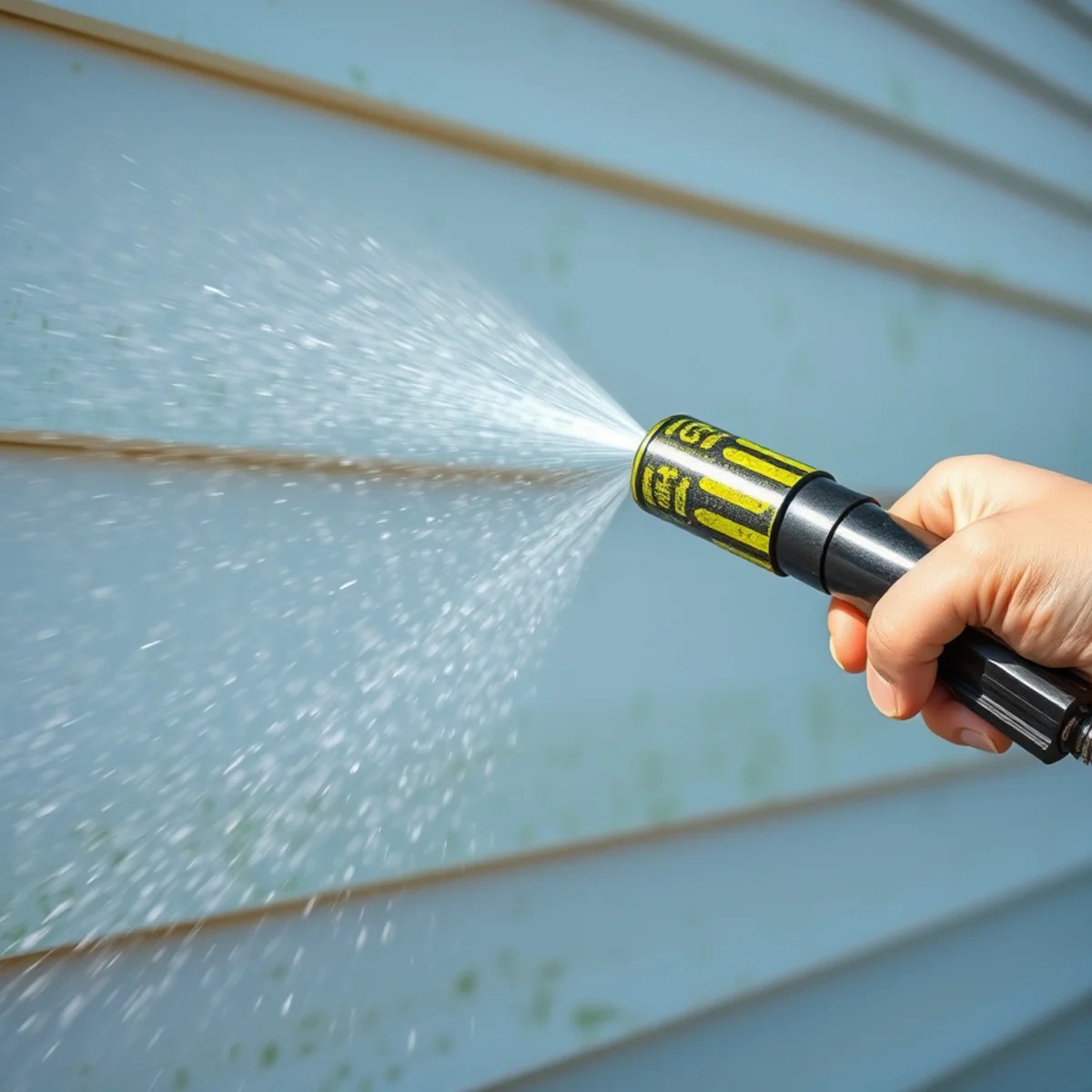
Soft Washing
Low-pressure soft washing that kills roof algae, mold, and black streaks at the root, safely cleaning MA roofs and siding.
Read More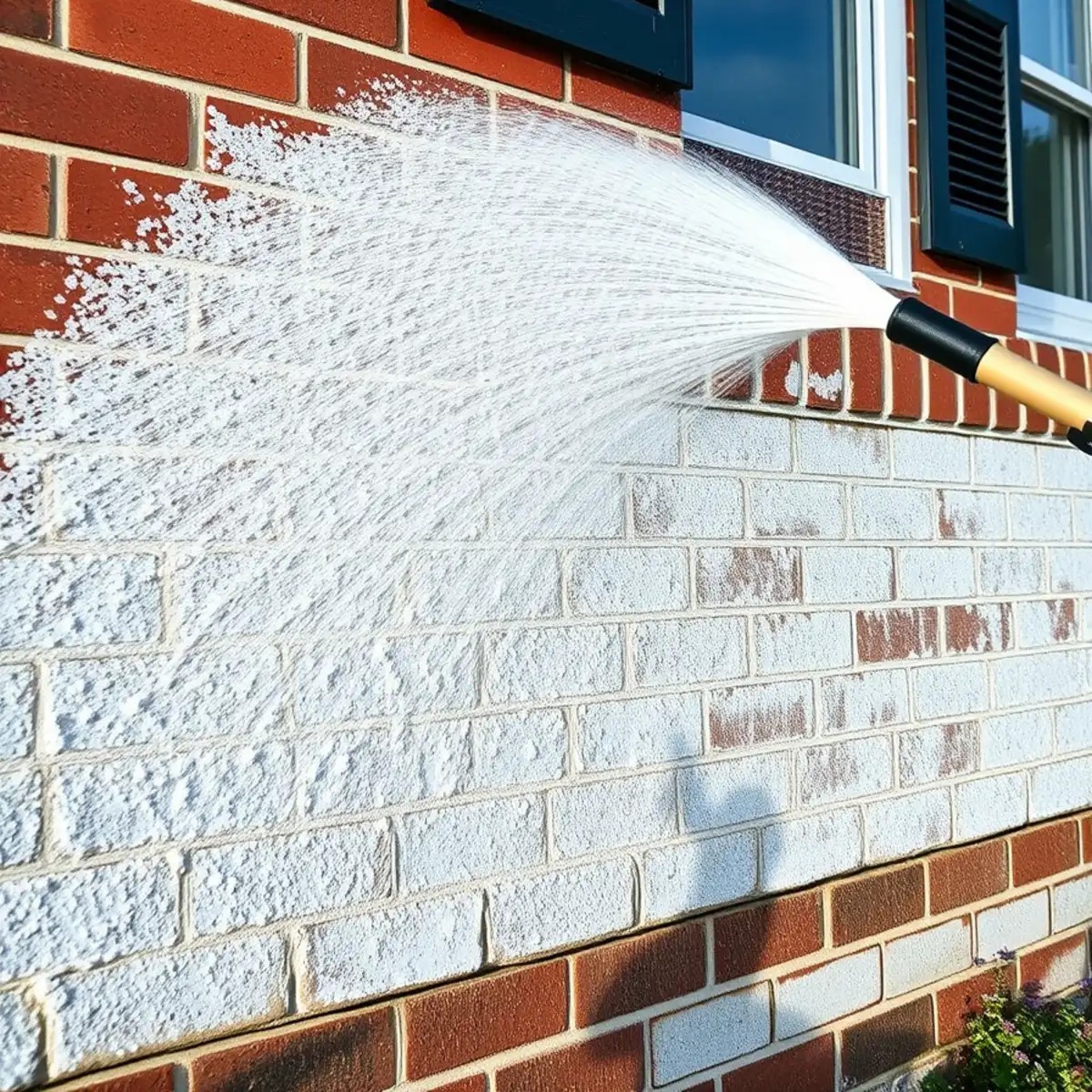
Efflorescence Removal
Wash Bros removes the white salt bloom from brick, pavers, and foundations with acid-free, low-pressure methods built for Massachusetts masonry.
Read More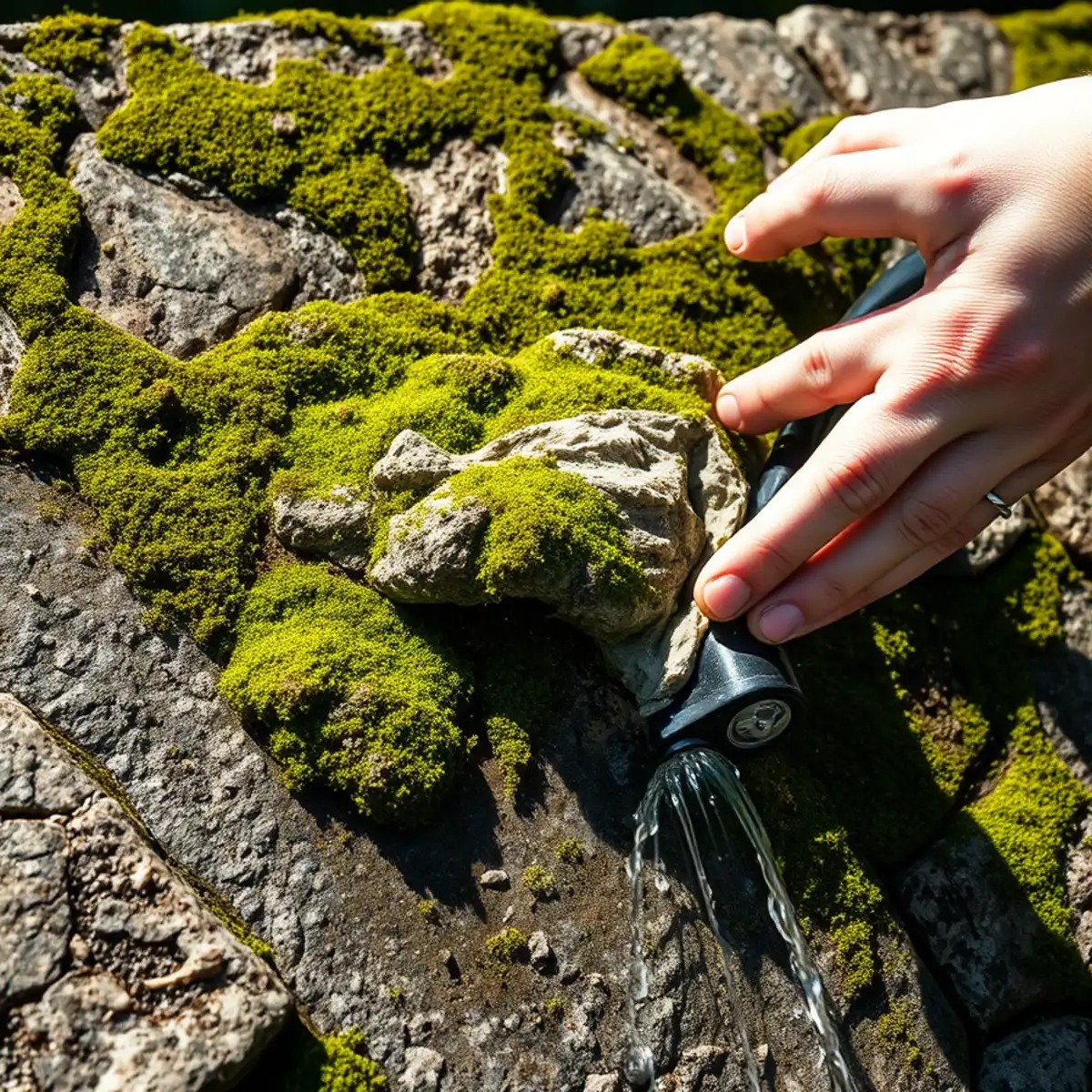
Moss & Lichen Removal
Soft-wash moss and lichen removal in Massachusetts that kills growth at the root and protects your roof, siding, and hardscapes.
Read More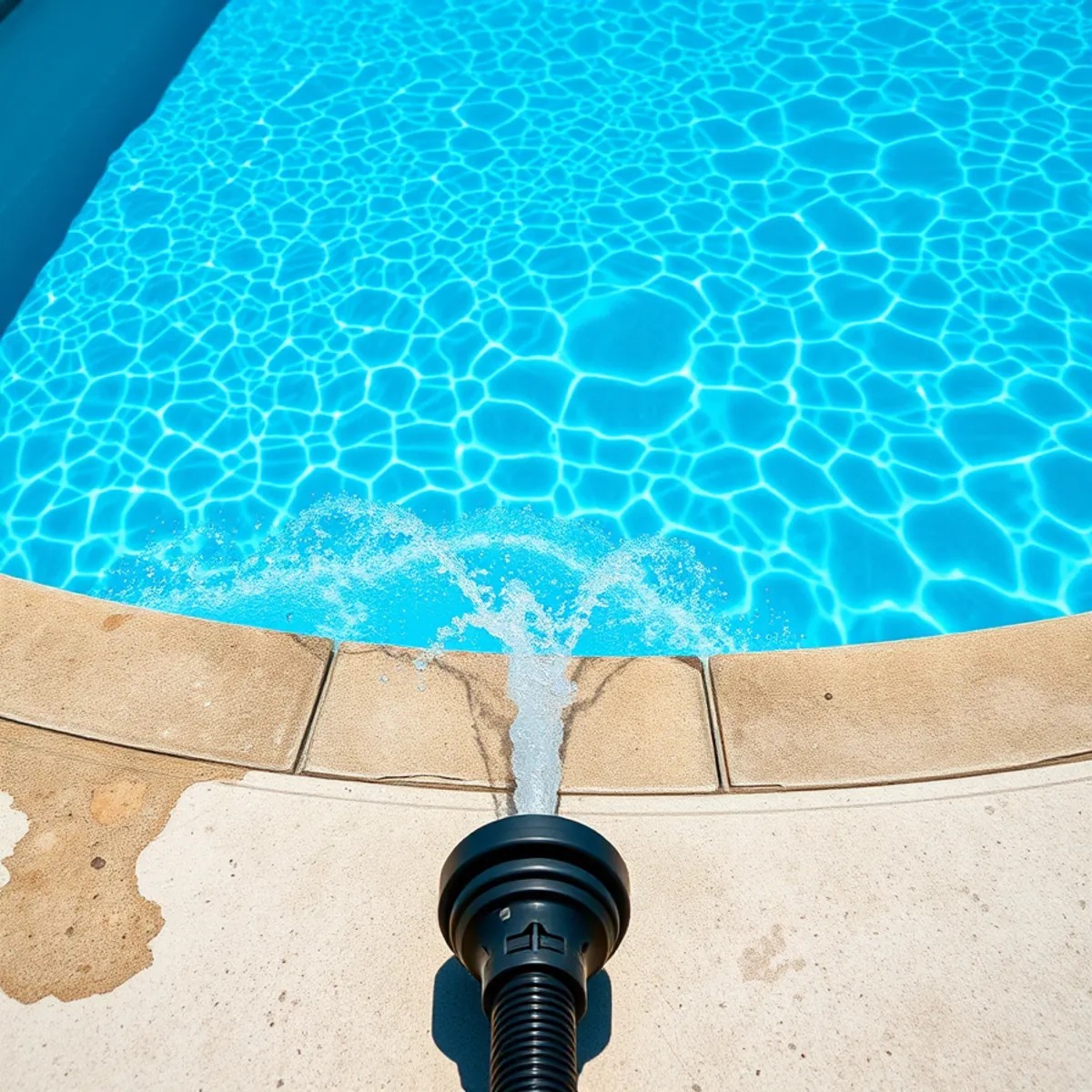
Pool Deck Cleaning
Slip-safe pool deck cleaning across Massachusetts. Surface-matched PSI and pool-safe chemistry for concrete, pavers, travertine and Kool Deck.
Read More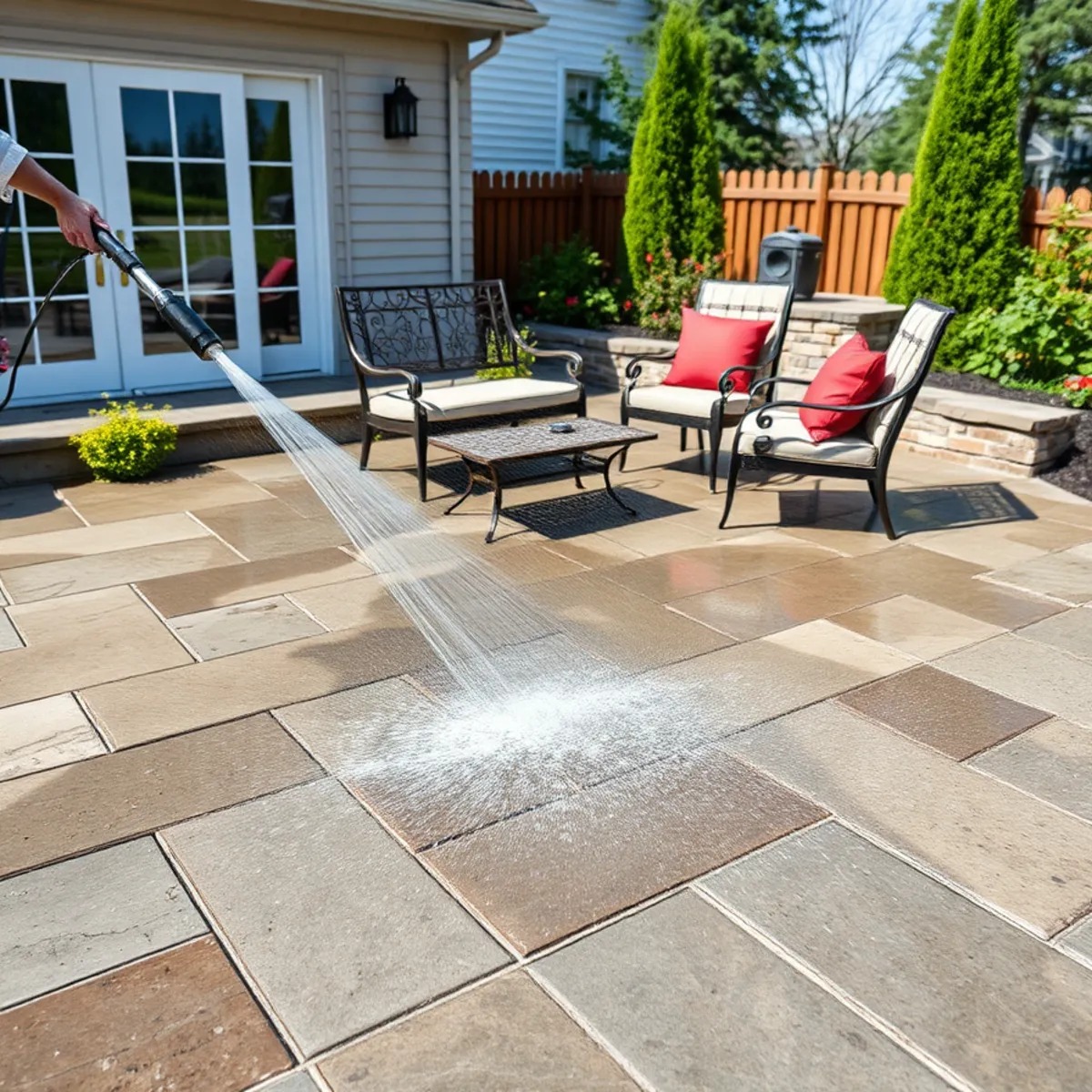
Patio Cleaning
Expert patio cleaning for pavers, bluestone, brick and concrete across MA, with surface-safe soft washing, re-sanding and sealing.
Read MoreReady to Schedule Paver Cleaning?
Contact Wash Bros today for a free paver cleaning estimate anywhere in Massachusetts.