Roof Cleaning Services in Massachusetts
Professional roof cleaning from Wash Bros for Massachusetts homes and businesses — affordable, dependable, and designed to restore curb appeal safely.
Those black streaks running down your roof are not soot, dirt, or weathering. They are living organisms eating the very surface you paid tens of thousands of dollars to install. Left alone, they spread. They invite moss. They trap moisture against your shingles through every freeze-thaw cycle until the granules let go and the deck underneath starts to rot.
Here is the part that should make you angry: most homeowners watch this happen for years, assume the roof is "just old," and end up replacing a roof that a single soft wash could have saved. We have loaded the rig for plenty of those jobs in Massachusetts, and the streaks are almost always reversible. The damage from ignoring them is not.
You do not need more pressure to fix this. You need the right chemistry.
What Is Professional Roof Cleaning? (Soft Washing vs. Pressure Washing)
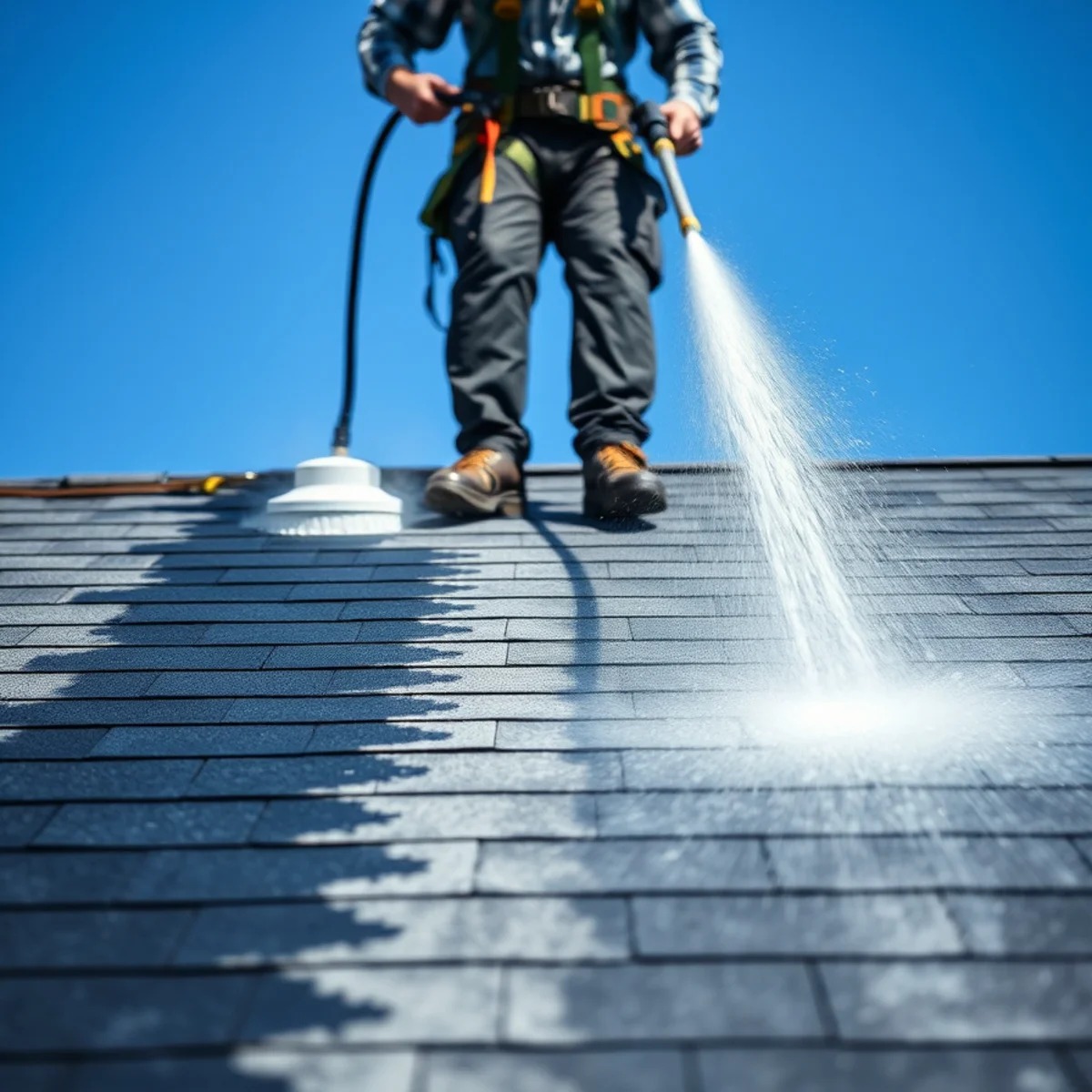
Professional roof cleaning is the controlled application of a biodegradable cleaning solution that kills algae, moss, and lichen at the root, followed by a low-pressure rinse that carries the dead growth away. The industry term is soft washing, and for asphalt shingles it means water pressure under 100 PSI — roughly the force of a garden hose, not a machine.
Pressure washing is the opposite approach and the wrong one for any roof. A power washer throws 2,000 to 3,000 PSI of water, enough to strip the protective granules off asphalt shingles, lift slate, dent soft metal, and force water up under the courses where it has no business being. It blasts the symptom off the surface while leaving the living roots behind, so the staining returns within months.
Soft washing reverses that logic. The biocide does the killing; the low pressure only rinses. Because we treat the organism instead of scouring the shingle, the roof stays clean far longer and the surface is never abused. That is the entire difference, and it is why we will never put a pressure washer on your shingles.
Why Roofs Get Dirty in Massachusetts: Algae, Moss, Lichen & Black Streaks
New England builds the perfect home for roof growth. Our summers are humid, our shoulder seasons stay damp for weeks, and our tree-heavy neighborhoods — overhanging oaks in MetroWest, pines across Worcester County, hardwoods all over the South Shore — drop shade and organic debris onto roofs that never fully dry.
Shade is the enemy. North-facing slopes and any plane tucked under tree cover hold moisture the longest, so that is where you will see the first dark streaks and the first green fuzz. Coastal towns add salt-laden air and persistent fog; inland towns trade that for pollen and longer humid stretches. Either way, the spores find a foothold.
Then winter makes it worse. Moss and lichen hold water like a sponge, and when that trapped moisture freezes, it expands inside the seams of your shingles and pries granules loose. Repeat that through a few Massachusetts winters and the freeze-thaw cycle does more structural damage than the organisms ever could on their own. Moss along the eaves also worsens ice damming, holding meltwater right where you least want it.
What Causes Black Streaks on Your Roof? (Gloeocapsa Magma Cyanobacteria)
The black streaks are a specific organism: Gloeocapsa magma, a hardy blue-green algae (technically a cyanobacteria). It feeds on the limestone filler — calcium carbonate — that manufacturers blend into asphalt shingles. Your roof is, quite literally, food.
As the colony grows it develops a dark, UV-protective sheath, which is the black you see streaking down the slope. It spreads airborne, spore by spore, which is why one stained roof on a street often means several. Gravity pulls the colonies down the pitch, producing those signature vertical streaks rather than random blotches.
This matters for two reasons. First, those dark colonies absorb heat instead of reflecting it, which drives up cooling costs in summer. Second, algae is the pioneer species — it softens the surface and holds moisture, paving the way for moss and lichen to move in behind it. Kill the Gloeocapsa magma early and you stop the whole succession before it starts.
Our Soft Wash Roof Cleaning Process, Explained
Before a drop of solution touches your roof, we walk the property. We identify the growth — is it surface algae staining, established moss, or crusty lichen anchored into the granules — because each responds differently and the blend has to match. We note slope, access, the drainage path, and where every shrub and flower bed sits relative to the downspouts.
Then we protect what matters. Landscaping gets a pre-soak with plain water and, where needed, a tarp, so any overspray is diluted to nothing. We mind runoff toward storm drains, gardens, and well-water sources, because being fully insured does not excuse careless chemistry. This pre-work is the part amateurs skip and the part that protects your property.
The cleaning itself is patient, not forceful. We apply a measured, biodegradable solution — a sodium hypochlorite biocide cut to the right strength with surfactants — and let it dwell so it penetrates the colonies and kills them at the root. Surface algae often rinses clear the same day; thick moss and lichen release their grip over the following weeks as rain finishes the job, because tearing them off mechanically would take granules with them. We rinse at low pressure, flush the gutters and downspouts of loosened debris, and rinse the landscaping again on the way out. Done right, the treatment also suppresses spore regrowth, so the roof stays clean far longer than a scrubbed one.
Why We Never Pressure Wash Shingle Roofs (ARMA & Manufacturer Warranty Guidance)
This is not a stylistic preference. It is the documented position of the people who make and study roofing.
The Asphalt Roofing Manufacturers Association (ARMA) specifically warns against pressure washing asphalt shingles and endorses low-pressure cleaning with appropriate solutions. Major manufacturers common on Massachusetts homes — GAF and Owens Corning among them — call for the same gentle approach, and using high pressure can jeopardize your shingle warranty. The reference standard for asphalt shingles is a soft wash under 100 PSI. Metal roofing tolerates a bit more, in the 500 to 800 PSI range, but still never the brute force of a driveway machine.
The mechanism of damage is simple. Those granules are not decoration; they are the shingle's UV armor and waterproofing. Blast them off and you expose the asphalt mat to sunlight, which then dries, cracks, and fails years early. The water pressure can also drive moisture up under the shingles toward the decking, inviting the exact rot and leaks you were trying to prevent. We follow ARMA and manufacturer guidance because it keeps your warranty intact and your roof on the house.
Roof Types We Clean: Asphalt Shingle, Cedar Shake, Metal, Slate, Tile & Flat/EPDM
Every roofing material grows the same organisms, but each demands its own touch.
Asphalt and architectural shingle is the most common roof we treat across Massachusetts, and it is pure soft wash, under 100 PSI, every time. Cedar shake needs an even gentler hand and a solution tuned so it lifts algae and moss without bleaching or drying the wood. Metal and standing-seam panels clean beautifully with low pressure and the right detergent, restoring the finish without scratching the coating. Slate and tile are durable but brittle and slick — these are soft-wash-only surfaces where chemistry, not force, does all the work. Flat and EPDM roofs on additions, porches, and commercial buildings get a low-pressure treatment matched to the membrane so we never disturb the seams.
If you are unsure what you have, that is fine. Part of the estimate is identifying the material and matching the method to it.
Benefits of Roof Cleaning: Extend Roof Life, Lower Energy Bills & Boost Curb Appeal
Picture the roof you saw the day the house was new — uniform color, no streaks, no green creeping along the shade line. That is recoverable, and the benefits go well past looks.
The biggest payoff is lifespan. By killing the algae and moss that strip granules and trap moisture, a soft wash removes the single largest driver of premature shingle failure, and a well-maintained roof can hold another 10 to 20 years of service that neglect would have stolen. A clean, reflective surface also stops absorbing the heat those dark colonies trapped, which eases the load on your cooling in summer. And the curb appeal is real and immediate — a clean roof reads as a cared-for home, which matters whether you are selling, satisfying an HOA, or simply tired of looking at streaks from the driveway.
We have proven this on roofs from the North Shore to Worcester: the streaks come off, the growth dies, and the roof you already paid for keeps doing its job for years longer.
Moss & Lichen Removal vs. Algae Staining: What's the Difference
These are three different problems, and lumping them together is how the wrong contractor under-treats your roof.
Algae staining is the flat, dark streaking — Gloeocapsa magma on the surface. It is the easiest to kill and usually rinses clear soon after treatment. Moss is the raised green mat that grows thick on shaded, north-facing slopes; it is the most destructive because it acts like a sponge, holding water against the shingles through every freeze-thaw cycle and lifting the shingle edges. Lichen is the crusty white, gray, or green growth that looks almost painted on — a partnership of fungus and algae that anchors its rootlike structures down into the granules, which makes it the most stubborn to remove.
Our moss and lichen removal work and our broader algae removal treatments use solutions matched to each. The thick stuff is killed in place and allowed to weather off over the following weeks rather than scraped, because patience preserves the shingle and force destroys it.
How Much Does Roof Cleaning Cost in Massachusetts?
We will not invent a number for you here, because an honest price depends on your specific roof. But you deserve to understand what drives it.
Cost scales with the size and pitch of the roof — a steep, multi-plane roof takes longer and demands more fall protection than a low ranch. It scales with access: tree cover, height, and tight lots all add time. It scales with the type and severity of growth, since heavy lichen and thick moss need more solution and more dwell time than light algae staining. And it scales with material, because cedar and slate require more careful handling than standard asphalt.
One thing to set straight on local expectations: roof cleaning in the Northeast runs higher than the national average, and any quote far below the regional norm is a red flag for an uninsured operator cutting corners on safety and chemistry. Weigh whatever you are quoted against the alternative — a soft wash is a small fraction of a full roof replacement, and it is the cheapest insurance your roof will ever get.
How Often Should You Have Your Roof Cleaned in New England?
For most Massachusetts homes, a roof cleaning every few years keeps the growth from ever gaining a foothold. But the right interval is dictated by your specific conditions, not a calendar.
Heavily shaded roofs need it more often. So do homes ringed by oaks and pines, where leaf and needle debris feeds faster regrowth. North-facing slopes that never fully dry will streak again sooner than sun-baked southern exposures. The smart approach is preventive: a periodic soft wash that keeps spores from establishing, paired with annual gutter cleaning so your roof's drainage stays clear and debris does not pile up against the shingles. Catch it early and the job stays small. Let it run and the roof pays for it.
Signs Your Roof Needs Cleaning
You can read most of this from the driveway. Watch for:
- Dark streaks running vertically down the slope — that is Gloeocapsa magma algae.
- Green or black fuzzy patches, especially on north-facing and shaded sections — that is moss.
- Crusty white, gray, or green growth that looks painted on — that is lichen, anchored into the granules.
- Granules collecting in your gutters and at the downspout outlets — the shingles are shedding their armor.
- Lifted or curling shingle edges where moss has wedged underneath.
- A roof that simply looks older and dingier than the materials should at their age.
Any one of these means it is time. Several at once means it is overdue.
Is Soft Washing Safe for Plants, Landscaping, Pets & Gutters?
Yes, when it is done by someone who respects your property — and unsafe when it is not. This is precisely where careful method separates professionals from weekend operators.
The solution we use is biodegradable and, applied and rinsed correctly, breaks down rather than lingering in your soil. Before we spray, we pre-soak shrubs, flower beds, and lawn with plain water so any drift is diluted on contact, and we tarp the sensitive plantings near downspouts. We control runoff with an eye to storm drains, gardens, and well-water sources. Pets stay indoors during the application and the brief dry-down, same as you would for any lawn treatment. Your gutters and downspouts are not collateral damage either — we flush the loosened debris out as part of the job. The chemistry is only as safe as the person handling it, which is the whole argument for hiring a fully insured crew over renting a tank.
Roof Cleaning vs. Roof Replacement: A Cost Comparison
This is the math that should drive the decision.
A full roof replacement in Massachusetts is a five-figure project — and tearing off shingles that still had years of life in them is money set on fire. Algae and moss do not require replacement; they require treatment. In the vast majority of stained roofs we inspect, the shingles are structurally sound beneath the growth. The streaks are cosmetic-plus-corrosive, not terminal.
A soft wash costs a small fraction of a replacement and can add a decade or two of service to a roof you already own. The only way that math flips is if you wait — if you let the moss trap moisture through enough winters that the granules are gone and the deck is compromised. Clean it while it is still cleanable. That is the entire point.
Areas We Serve Across Massachusetts
We load the rig for roof cleaning across the Commonwealth: Greater Boston, MetroWest, the North Shore, the South Shore, Worcester County, and out toward Cape Cod. The growth looks the same everywhere — humid summers and shaded slopes do not check your zip code — but the conditions vary, with salt-air corrosion pressing on coastal roofs and pollen plus inland humidity driving growth out west.
We regularly clean roofs in Worcester, Cambridge, Newton, Quincy, and Beverly, along with the surrounding towns. If you do not see yours listed, ask — our service area is wide and growing.
Why Choose Wash Bros (Fully Insured, Satisfaction-Focused)
Wash Bros is a family business, started in 2023 by brothers Louis and Dominic, and we treat every roof the way we would treat our own — because our name is on the truck and on 130 Google reviews that average a perfect 5.0.
We are fully insured, and we will hand you a certificate of insurance on request before we ever set up. That is not boilerplate. Roof work is the most dangerous job a homeowner can attempt and the easiest place for an uninsured operator to leave you holding the bill when something goes wrong. We follow ARMA and manufacturer guidance, match our chemistry and PSI to your exact roof, protect your landscaping, and stand behind the work with a satisfaction-focused approach. When you vet any roof cleaner, ask for proof of insurance and an explanation of their method — if they cannot produce both, keep dialing. A clean roof pairs naturally with a full house washing or a gentle soft washing of the siding to bring the whole property back to life.
Get a Free Roof Cleaning Estimate
Your roof is the most expensive surface on your home and the one most likely to be quietly destroyed by something you can fix in an afternoon. Stop the algae before it invites the moss, and stop the moss before it costs you the deck.
Call Wash Bros at +1 (351) 242-0666 for a free, no-obligation roof cleaning estimate, and we will tell you honestly whether your roof needs a wash or just a second look.
Problems We Solve
- Black streaks (Gloeocapsa magma algae) staining your roof and dragging down curb appeal
- Thick moss trapping moisture against shingles and lifting the edges through freeze-thaw cycles
- Crusty white, gray, or green lichen anchored down into the granules
- Granule loss showing up in gutters as shingles shed their protective armor
- Premature shingle aging and roof rot from untreated growth on shaded, north-facing slopes
- Pressure washing damage and voided GAF or Owens Corning warranties from the wrong cleaning method
Our Cleaning Process
- 1
Inspect the surface and identify problem areas
- 2
Protect nearby landscaping, fixtures, and finishes
- 3
Apply the correct cleaning method for the surface
- 4
Wash and rinse thoroughly with professional equipment
- 5
Final quality check and walkthrough with you
Why Choose Wash Bros
- Affordable, upfront pricing
- Dependable scheduling
- Experienced exterior cleaning team
- Surface-safe process, every job
- Residential & commercial options
- 5.0 stars across 130 reviews
Roof Cleaning Across Massachusetts
We provide roof cleaning in 351 Massachusetts cities, including:
Roof Cleaning FAQs
Related Services
Soft Washing
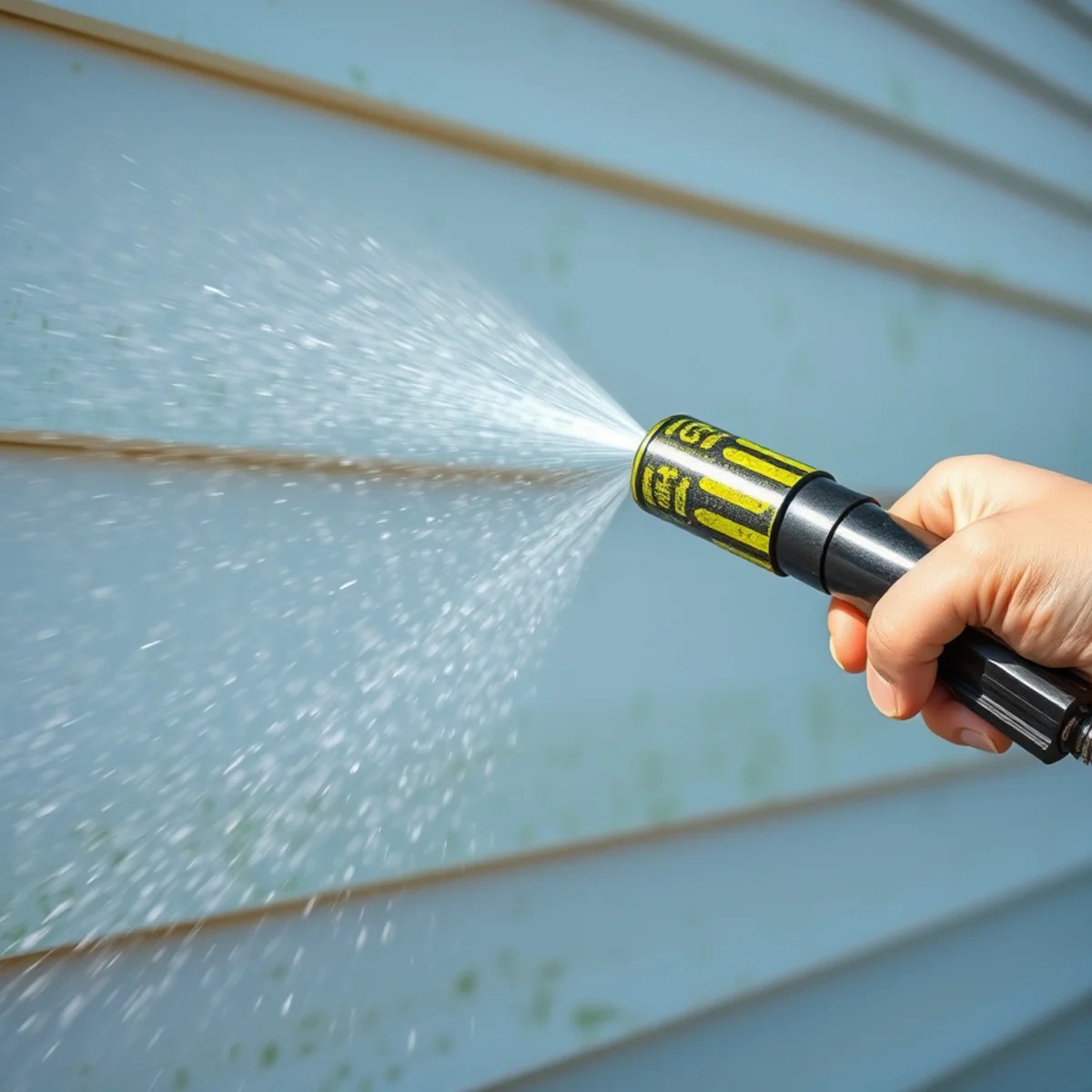
Low-pressure soft washing that kills roof algae, mold, and black streaks at the root, safely cleaning MA roofs and siding.
Read More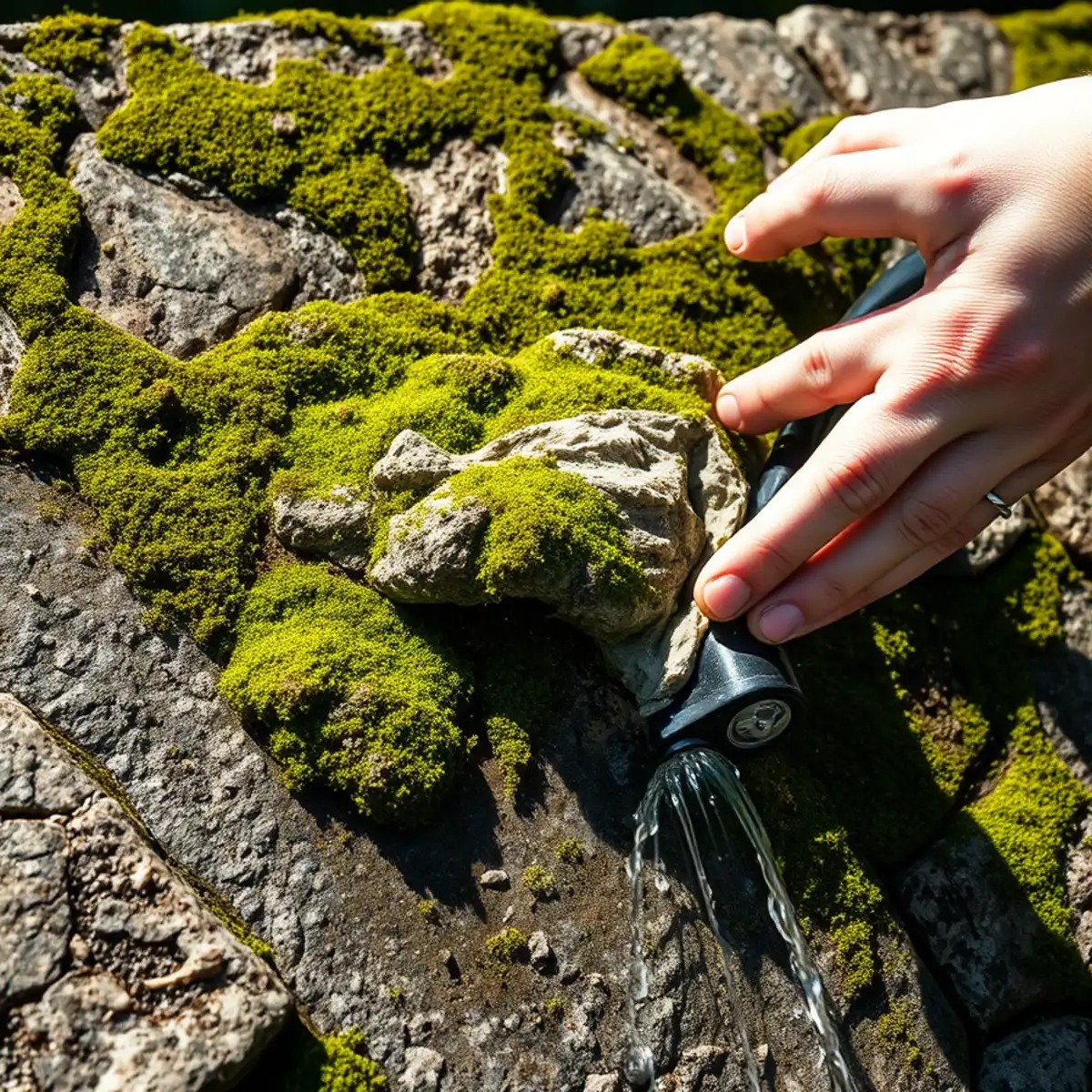
Moss & Lichen Removal
Soft-wash moss and lichen removal in Massachusetts that kills growth at the root and protects your roof, siding, and hardscapes.
Read More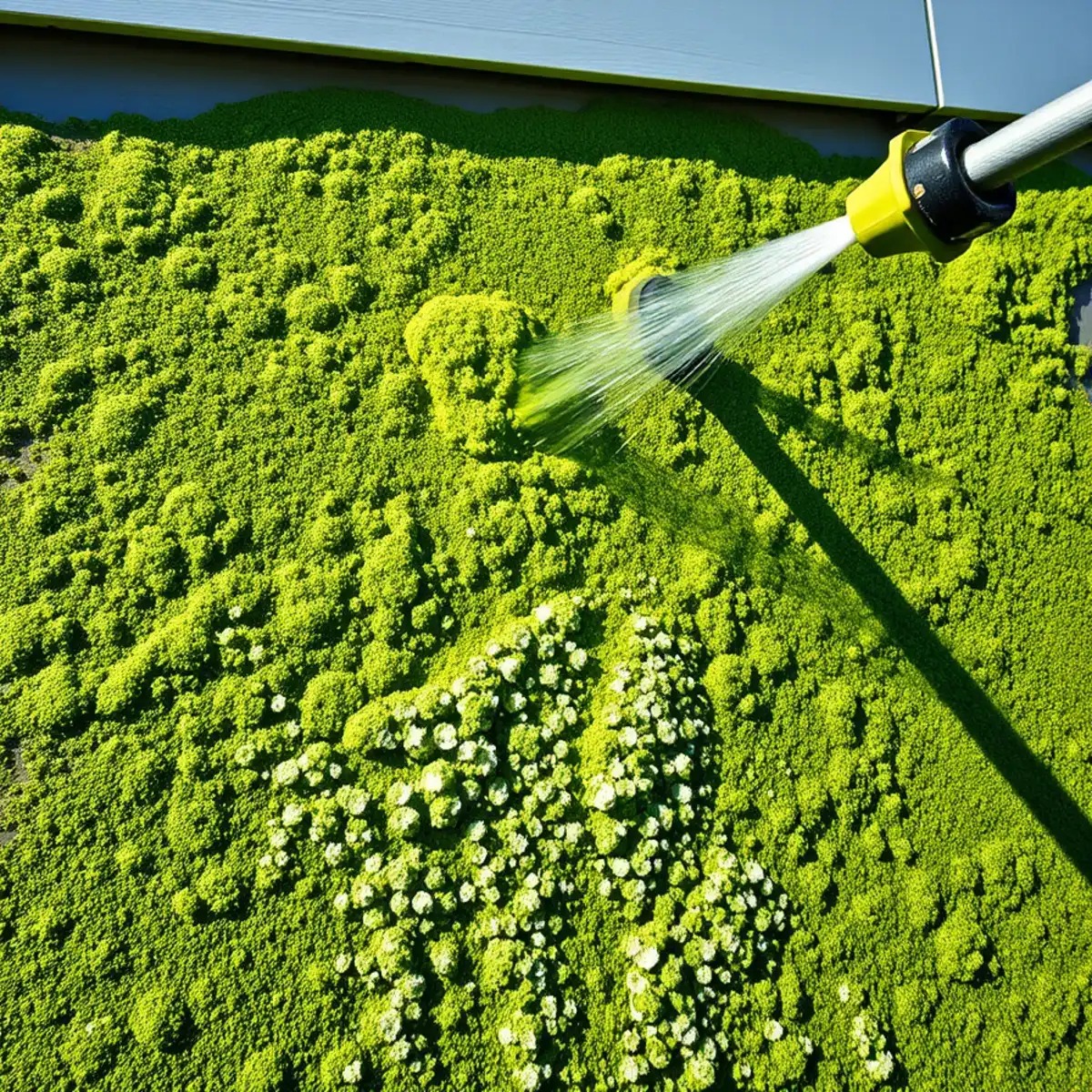
Algae Removal
Soft-wash algae removal for Massachusetts roofs, siding, and hardscapes — kill the colony at the root, not just the green you can see.
Read More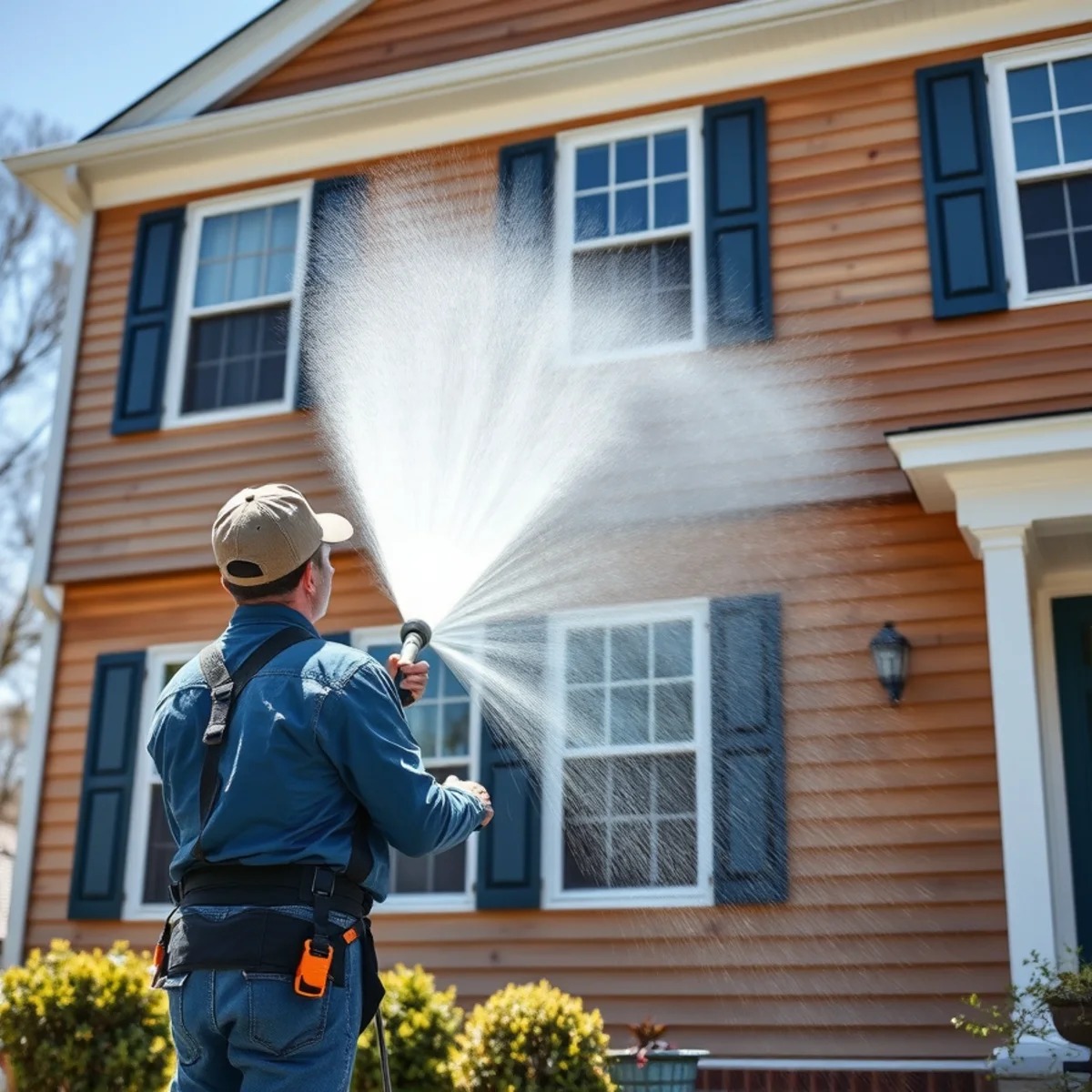
House Washing
Low-pressure soft wash house washing across MA. We kill algae, mold, and black streaks at the root, never blasting your siding.
Read More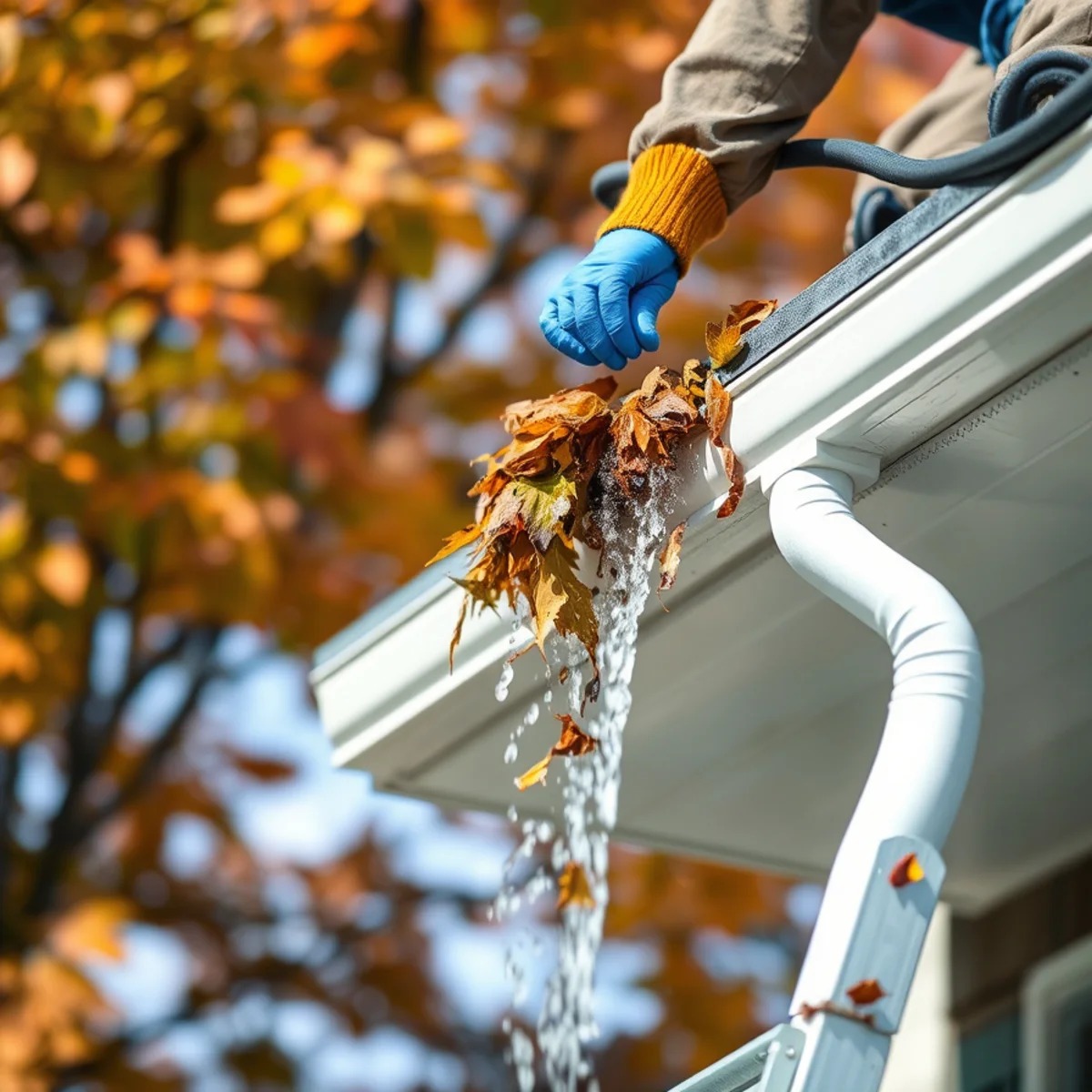
Gutter Cleaning
Hand-cleaned gutters across Massachusetts: cleared troughs, flushed downspouts, bagged debris, and ice-dam prevention from a fully insured local crew.
Read MoreReady to Schedule Roof Cleaning?
Contact Wash Bros today for a free roof cleaning estimate anywhere in Massachusetts.