
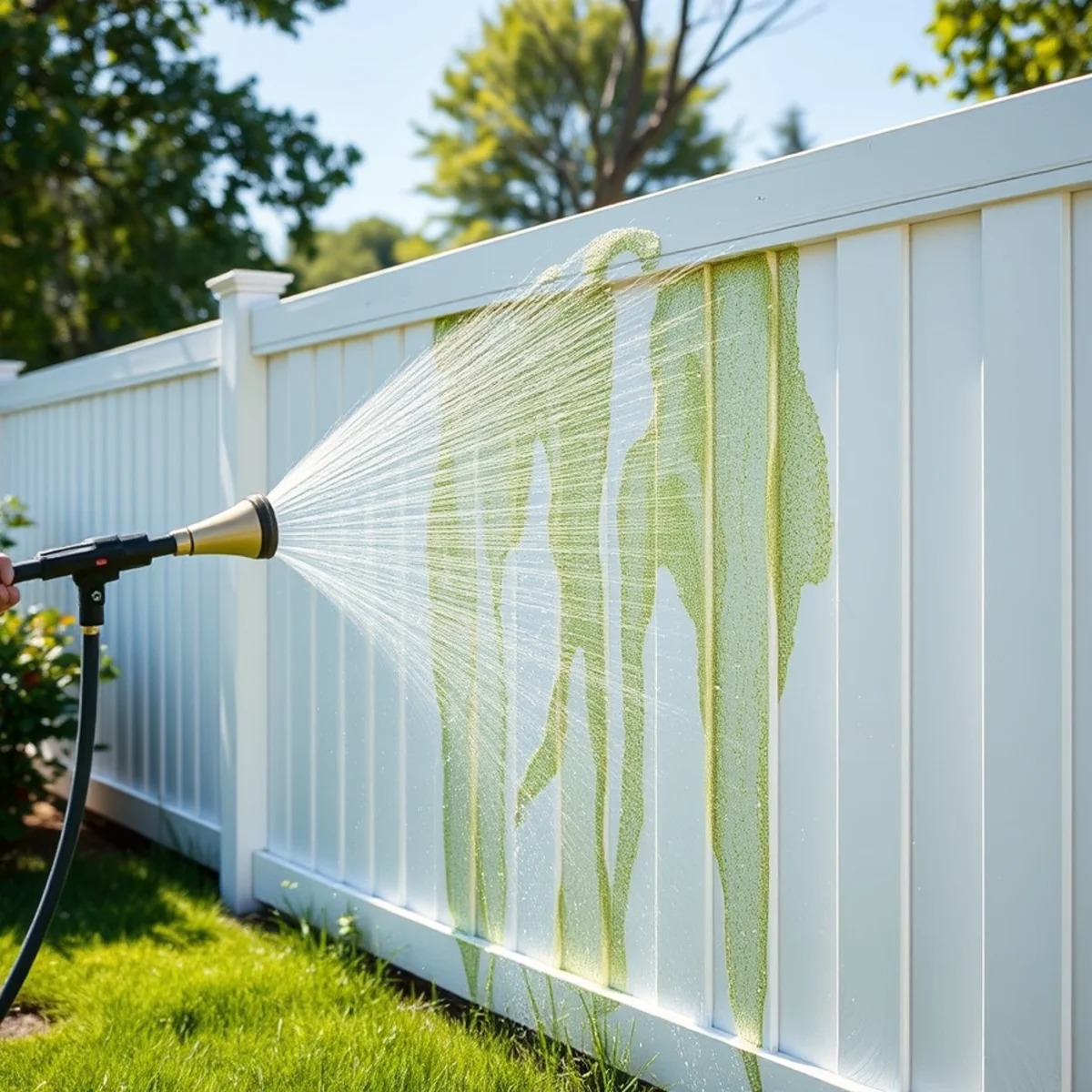
Fence Cleaning Services in Massachusetts
Professional fence cleaning from Wash Bros for Massachusetts homes and businesses — affordable, dependable, and designed to restore curb appeal safely.
A fence is the first thing people read about your property. When it turns gray, grows a green film, or sprouts black streaks along the bottom rail, it tells visitors your home is neglected, even when the rest of the house is sharp. That grime is not just ugly. Algae, mold, and moss hold moisture against the wood, and trapped moisture rots posts, splits pickets, and shortens the life of the whole fence line.
Here is the part that catches most homeowners off guard. The damage usually comes from the cleanup, not the dirt. A rented pressure washer in the wrong hands gouges cedar, splinters pine, and etches vinyl in a single afternoon.
Wash Bros cleans fences the right way across Massachusetts: the correct chemistry for the contaminant, the correct pressure for the material, and the care to protect everything growing beside the fence. Founded in 2023 by brothers Louis and Dominic, we are a local, family-run, fully insured outfit with a 5.0 average across 130 Google reviews. We treat every panel like it borders our own yard.
Professional Fence Cleaning Services in Massachusetts
Fence cleaning is the controlled removal of organic growth, pollen, road grime, and weathering from a fence without harming the material underneath. Done correctly, it restores the original color and texture of wood, vinyl, metal, or composite and resets the surface so it can shed water again.
A complete Wash Bros fence cleaning covers both sides of every panel, the top and bottom rails, the posts, the post caps, and the gates. We clean the parts no one photographs, the shaded back side and the base where growth starts, because that is where the next round of staining begins. We work clean and leave the surrounding lawn, beds, and hardscape the way we found them.
The work pairs naturally with the rest of your exterior. The same biofilm that greens a fence is feeding on your siding and decking too, which is why fence cleaning often goes hand in hand with house washing, deck cleaning, and targeted algae removal.
Why Fences Get Dirty in New England
Massachusetts is hard on fencing in a way that drier climates are not. Our weather runs damp for most of the year, and a fence is a flat vertical surface that catches everything.
Green algae is the most common offender. It colonizes the shaded, north-facing side of panels and the base, feeding on moisture and airborne spores. Black algae and dark mildew streaking follow in heavy shade. In damp, low-airflow corners you get moss and lichen, which sink rooting structures into wood and pull moisture deep into the grain. Add the seasonal layers: oak and pine pollen coats every fence in a yellow film each spring, winter plow spray drives road salt and sand along street-facing fence lines, and ordinary road grime settles on everything near a driveway.
The local terrain makes it worse. Heavy tree canopy and damp, shaded yards are the norm across MetroWest and Worcester County suburbs, so biological staining sets in fast and comes back hard. Closer to the water, in the South Shore and coastal towns like Quincy and the Plymouth area, humidity and salt air speed up mildew and oxidation on both metal and vinyl. Inland, the Pioneer Valley and Worcester County run humid all summer, which keeps algae fed.
Then there is the freeze-thaw cycle. Water works into untreated or weathered wood, freezes, expands, and thaws over and over through the winter. Each cycle opens the grain a little more, which lets in more moisture, which feeds more growth. Left alone, a fence does not get dirty in a straight line. It accelerates.
Why Your Fence Needs Cleaning: The Warning Signs
You rarely notice a fence going downhill day to day. The signs are easy to read once you know them.
Green or black spotting on the shaded side is the clearest signal, and it means algae has already taken hold. A slimy or slick film when you run a hand along the boards is active biofilm. Dull, flat gray on what used to be warm cedar or pine is UV and weathering combined with a layer of grime dimming the surface. A musty, earthy, mildew odor near the fence on a humid day means mold is living in the wood. Fuzzy growth or small crusty patches at the base point to moss and lichen taking root.
If your fence shows any of these, it is past due. None of them improve on their own.
Fence Cleaning by Material
The single most important decision in fence cleaning is reading the material first. Each one fails in a different way when it is cleaned wrong.
Wood Fences (Cedar, Pressure-Treated Pine, Spruce)
Wood is the most damage-prone surface we clean. Cedar fence and pressure-treated pine are soft, and high pressure does not clean them so much as carve them. Push a wand too close and the water tears out the soft early-wood between the grain lines, leaving a raised, fuzzy texture called grain furring that never feels smooth again and drinks up stain unevenly afterward. Wood gets a soft wash: a wood-safe cleaning solution that kills the algae and lifts the gray, followed by a gentle, low-pressure rinse. The chemistry does the work, not the wand.
Vinyl and PVC Fences
Vinyl fence and PVC look maintenance-free but are not stain-free. They hold green algae and mildew in the textured surface and develop a chalky haze from oxidation. Soft washing dissolves all of it and restores the bright white or color without etching the panel. High pressure can crack older, brittle vinyl and force water behind the rails, so we keep it gentle.
Aluminum and Wrought Iron Fences
Ornamental aluminum fence and wrought iron mainly collect oxidation, road grime, and surface mildew. Wrought iron also rusts where the coating has chipped. A low-pressure soft wash cleans the finish without driving water into seams or stripping protective coatings. We work carefully around any active rust rather than blasting it, which only spreads the problem.
Chain-Link Fences
Chain-link fence traps algae in the galvanized weave and grows a green or rusty film, especially where vegetation grows through it. Soft washing reaches into the mesh and clears the biological growth that a straight rinse just pushes around.
Composite Fences
Composite fence is built to resist rot but still grows surface mold and mildew in the wood-fiber blend and holds pollen and grime. A moderate soft wash clears it without scarring the cap layer. Composite tolerates a touch more pressure than soft cedar, but it does not need it, and a manufacturer warranty is easy to void with an aggressive wand.
Soft Washing vs. High-Pressure Washing for Fences
This is where most fence jobs go wrong, so it is worth being blunt.
You do not need more pressure. You need the right chemistry.
Pressure washing and power washing rely on force to blast contaminants off a surface. That works on concrete. It is the wrong tool for a fence. Here is the part homeowners miss: pressure does not kill algae, mold, or moss. It knocks the visible top layer off and leaves the roots and spores alive in the grain, so the green is back in weeks, and now the wood is damaged too.
Soft washing, also called low-pressure washing, flips the order. We apply biodegradable surfactants and the appropriate cleaning solution, give them time to break down and kill the organic growth at the root, then rinse at low pressure. The contaminant is dead and gone, not just relocated, and the surface is untouched.
For perspective on where high pressure does belong, our power washing service is built for hard surfaces like concrete and pavers that can take 2,000 to 3,000 PSI. A fence is the opposite end of that spectrum, which is why soft washing is the standard for nearly every fence we touch. If you want the deeper science, our soft washing page lays out the full method.
Safe PSI and Nozzle Guidance by Fence Type
Real numbers separate a professional from a guy with a rented machine. Here is roughly where the dial sits by material, for the rinse stage only, since the cleaning is done by chemistry:
- Cedar and soft wood: soft wash with a hand-controlled low-pressure rinse, generally under 600 PSI, kept well back from the surface to avoid grain furring.
- Pressure-treated pine: soft wash, low pressure, same caution; pine furs easily because the soft early-wood tears out before the hard grain does.
- Vinyl and PVC: soft wash, low-rinse, roughly in the 500 to 1,000 PSI range with distance, never a concentrated stream on brittle panels.
- Composite: soft wash at moderate pressure, around 500 to 1,000 PSI, enough to clear the texture without scarring the cap.
- Aluminum, wrought iron, chain-link: low-pressure soft wash; the goal is to flood and rinse, not to blast seams or coatings.
The nozzle matters as much as the number. We use a wide fan tip, a 25 to 40 degree tip, that spreads the water out instead of concentrating it into a cutting line. A narrow zero or 15 degree tip is what gouges wood and etches vinyl. Distance, angle, and a wide fan are how you clean a fence without leaving a mark.
Eco-Friendly, Pet- and Plant-Safe Cleaning
A fence sits inches from your lawn, your garden beds, and often your neighbor's. That proximity is exactly why chemistry and technique matter, and why we plan for runoff before we ever pull a trigger.
We use biodegradable detergents and biodegradable surfactants chosen for the contaminant. We control the strength of our solutions to the job, pre-soak and rinse surrounding plants so nothing concentrates on the roots, and stay mindful of where runoff goes, including storm drains and any well water on the property. Sodium hypochlorite is a standard, effective tool for killing algae and mold across the industry, and the difference between a safe result and a damaged garden is dilution, containment, and rinsing, all of which we manage as part of the wash. The result is a fence that is genuinely clean and a yard that is no worse for it.
Benefits of Professional Fence Cleaning
Picture the fence line you actually want: even color, clean posts, no green creeping up from the base, a boundary that looks intentional. That is the easy part to sell. Here is what it is really buying you.
A clean fence lasts longer. Removing algae, moss, and mildew takes away the moisture-holding layer that drives rot and decay, which directly extends fence lifespan. It protects property value and curb appeal, which matters at sale time and matters to HOA and neighborhood appearance standards in plenty of Massachusetts suburbs. And it prevents repairs: a few hundred spent keeping a fence clean is cheaper than replacing posts and panels that rotted because the growth was left to dig in.
The proof is in the side-by-side. The gray, streaked panels go back to warm wood or bright vinyl, and the difference is not subtle. Then keep it that way on a schedule, and you never let the damage start.
How Often Should You Clean Your Fence in Massachusetts
For most Massachusetts properties, once a year is the right baseline, and the calendar matters.
There are two ideal windows here. Late spring, after the oak and pine pollen has finished dropping, clears the yellow film and the winter's growth in one pass. Fall, before winter sets in, strips the season's algae and gives you the option to seal or stain ahead of the freeze-thaw cycle.
Some fences need it more often. If yours sits in heavy shade, under a tree canopy, in a low damp corner, or in a humid South Shore or coastal pocket, plan on every six to twelve months. Those conditions grow algae faster than an annual cleaning can keep up with. A fence in full sun with good airflow can often stretch closer to the annual mark.
Fence Cleaning vs. Staining, Sealing, and Restoration
If you plan to stain or seal a wood fence, cleaning is not optional, it is the prep.
Stain and sealer bond to the wood, not to the grime on top of it. Apply either over algae, mildew, dirt, or a chalky gray surface and you are sealing the contaminant in. The finish goes on blotchy, fails early, and traps the very mold you were trying to get rid of. A proper soft wash strips the gray, kills the biological growth, and opens the clean wood so the stain or sealer actually penetrates and lasts.
This is genuine restoration work on older fencing. Plenty of Massachusetts homes, especially in historic neighborhoods, have aged cedar that has gone silver and rough. A gentle soft wash brings back a remarkable amount of that surface without the aggressive sanding or blasting that would destroy a weathered fence. We clean it; if you want it stained or sealed afterward, you are starting from a clean, sound surface.
DIY vs. Hiring a Professional Fence Washing Company
Renting a pressure washer for a weekend looks like the cheap option. Then the bill shows up in a different form.
The classic DIY result is zebra striping, those alternating light and dark bands from an inconsistent wand distance that no amount of re-washing fully fixes. Right behind it is grain furring on the wood, etched vinyl, dirty water pushed straight into the flower beds, and, the quiet one, green growth that returns within weeks because rinsing never killed the roots. We get calls every season to fix exactly this, and repairing furred wood costs far more than the original cleaning would have.
A professional brings commercial soft-wash equipment, the right cleaning solution matched to your fence material, the correct fan tip and pressure dialed in, and runoff and landscape protection built into the process. You also get the thing that protects your property most: full insurance. We are fully insured, with a certificate of insurance available on request, so an accident is our problem, not yours.
One note on vetting, and it applies to whoever you hire, not just us. Always confirm a contractor is fully insured and ask for the COI. In Massachusetts, larger home-improvement work also involves HIC registration, so it is worth understanding that distinction when you compare quotes. A low-ball price from an uninsured operator is not a deal. It is a liability sitting in your yard.
How Much Does Fence Cleaning Cost
Every fence is different, so honest pricing comes from a look at yours, not a number off a chart. We will not quote a fake figure here. What we can do is tell you exactly what drives the price.
- Linear footage: the total length of fence is the biggest factor, priced by the linear foot. A short garden fence and a full property perimeter are different jobs.
- Material: wood demands more care and dwell time than vinyl or chain-link, which affects the work involved.
- Condition: a lightly dusty fence cleans fast; a fence buried under years of heavy algae, moss, and lichen takes more solution and more time.
- Access: tight side yards, steep grades, dense plantings against the fence, and second-side or shared fence lines all add labor.
- Add-ons: cleaning both sides, gates, and any sealing or staining prep beyond the wash.
A fence in Worcester with heavy shade growth and a property-line run will price differently than a short, sunny vinyl fence in Newton. A free, on-site estimate gives you a real number for your fence.
Fence and Deck Cleaning Bundles
Most fences do not stand alone. The same soft wash that restores your fence is exactly what your deck, patio, and siding need, and the same biofilm is on all of them. Bundling the work into one visit is more efficient and gets your whole outdoor space matching again.
Common pairings include deck cleaning, patio cleaning, house washing, vinyl siding cleaning, and moss and lichen removal for the shaded, stubborn spots. If you are tackling a full exterior refresh, we will scope it all in one estimate.
Massachusetts Towns and Service Areas We Cover
Wash Bros cleans fences for homeowners and businesses across the state. We work throughout MetroWest, Middlesex and Worcester counties, and the South Shore, matching the service areas the regional competitors claim, including towns like Shrewsbury, Westborough, Marlborough, Wilbraham, and Pembroke.
Among the cities we regularly serve are Boston, Worcester, Cambridge, Quincy, and Framingham, along with the surrounding towns. If your town is not listed, reach out; we likely cover it.
Get a Free Fence Cleaning Quote
Your fence does not need more pressure. It needs the right chemistry, the right pressure for its material, and a crew that knows the difference, plus the insurance to stand behind the work. That is what we bring to every job.
Stop the green before it rots the wood. We are local, family-run, fully insured, and satisfaction-focused, with a 5.0 average across 130 Google reviews from your neighbors.
Call Wash Bros today at +1 (351) 242-0666 for a free fence cleaning estimate.
Problems We Solve
- Green algae, black streaking, and mildew coating the shaded side of wood, vinyl, and chain-link fences
- Gray, weathered wood and chalky vinyl oxidation dulling curb appeal and dragging down property value
- Moss and lichen rooting into panels and trapping moisture that rots posts and shortens fence lifespan
- Returning growth weeks after a DIY rinse because pressure alone never kills algae at the root
- Grain furring, zebra striping, etched vinyl, and damaged plants from a rented pressure washer used wrong
- Stain and sealer failing early because the fence was never properly cleaned before the finish went on
Our Cleaning Process
- 1
Inspect the surface and identify problem areas
- 2
Protect nearby landscaping, fixtures, and finishes
- 3
Apply the correct cleaning method for the surface
- 4
Wash and rinse thoroughly with professional equipment
- 5
Final quality check and walkthrough with you
Why Choose Wash Bros
- Affordable, upfront pricing
- Dependable scheduling
- Experienced exterior cleaning team
- Surface-safe process, every job
- Residential & commercial options
- 5.0 stars across 130 reviews
Fence Cleaning Across Massachusetts
We provide fence cleaning in 351 Massachusetts cities, including:
Fence Cleaning FAQs
Related Services
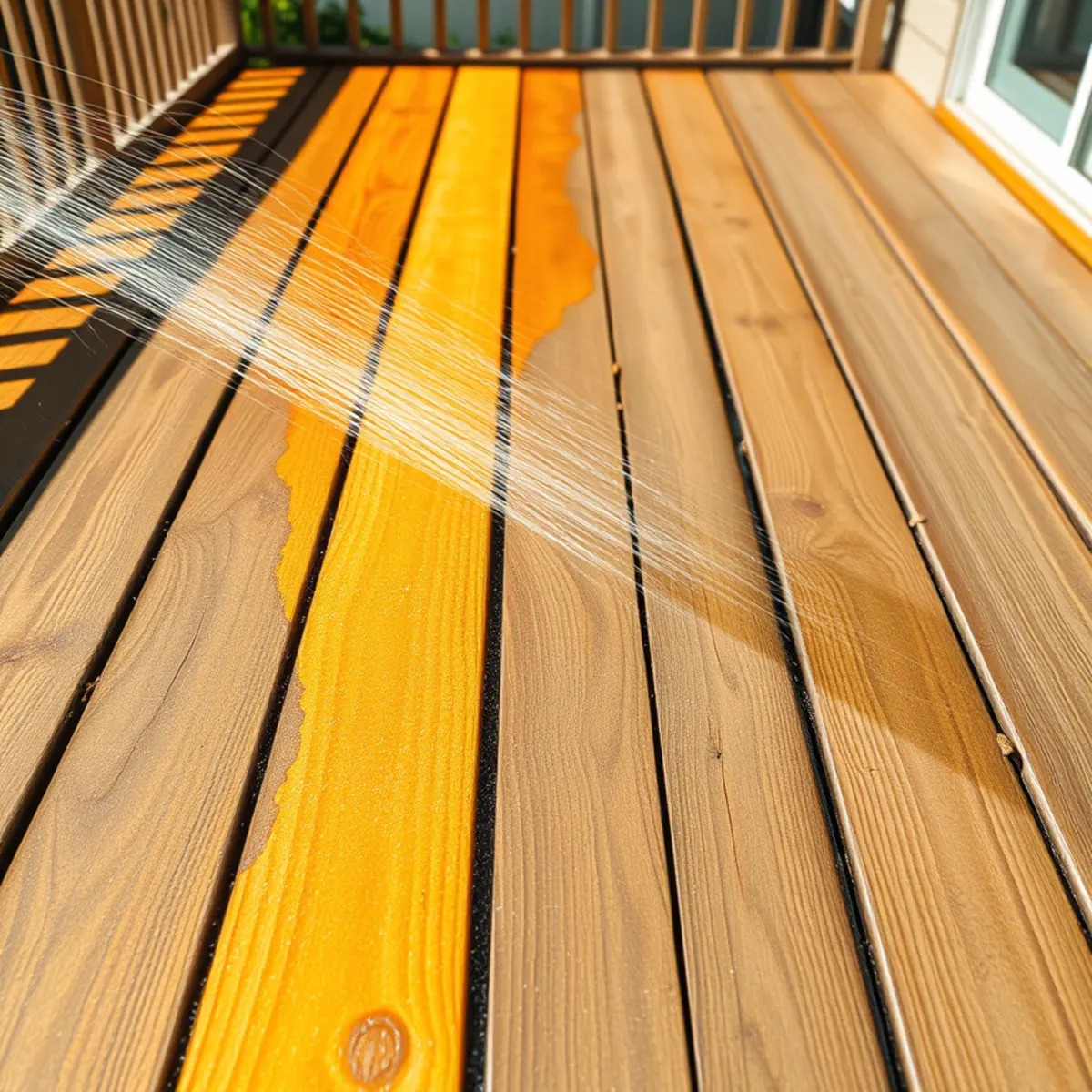
Deck Cleaning
Expert deck cleaning in Massachusetts using safe soft washing for wood, cedar, composite, and Trex. Fully insured, satisfaction-focused.
Read More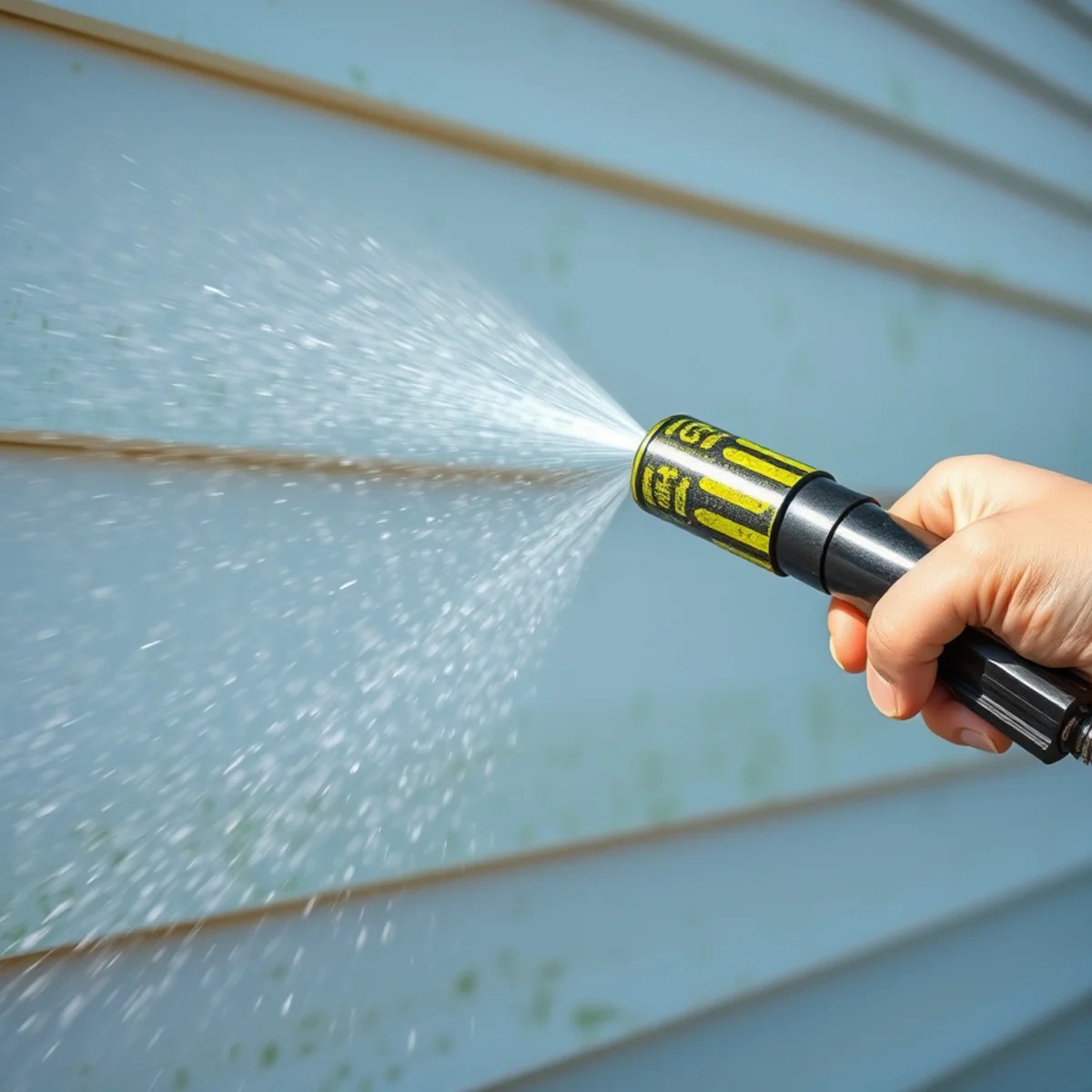
Soft Washing
Low-pressure soft washing that kills roof algae, mold, and black streaks at the root, safely cleaning MA roofs and siding.
Read More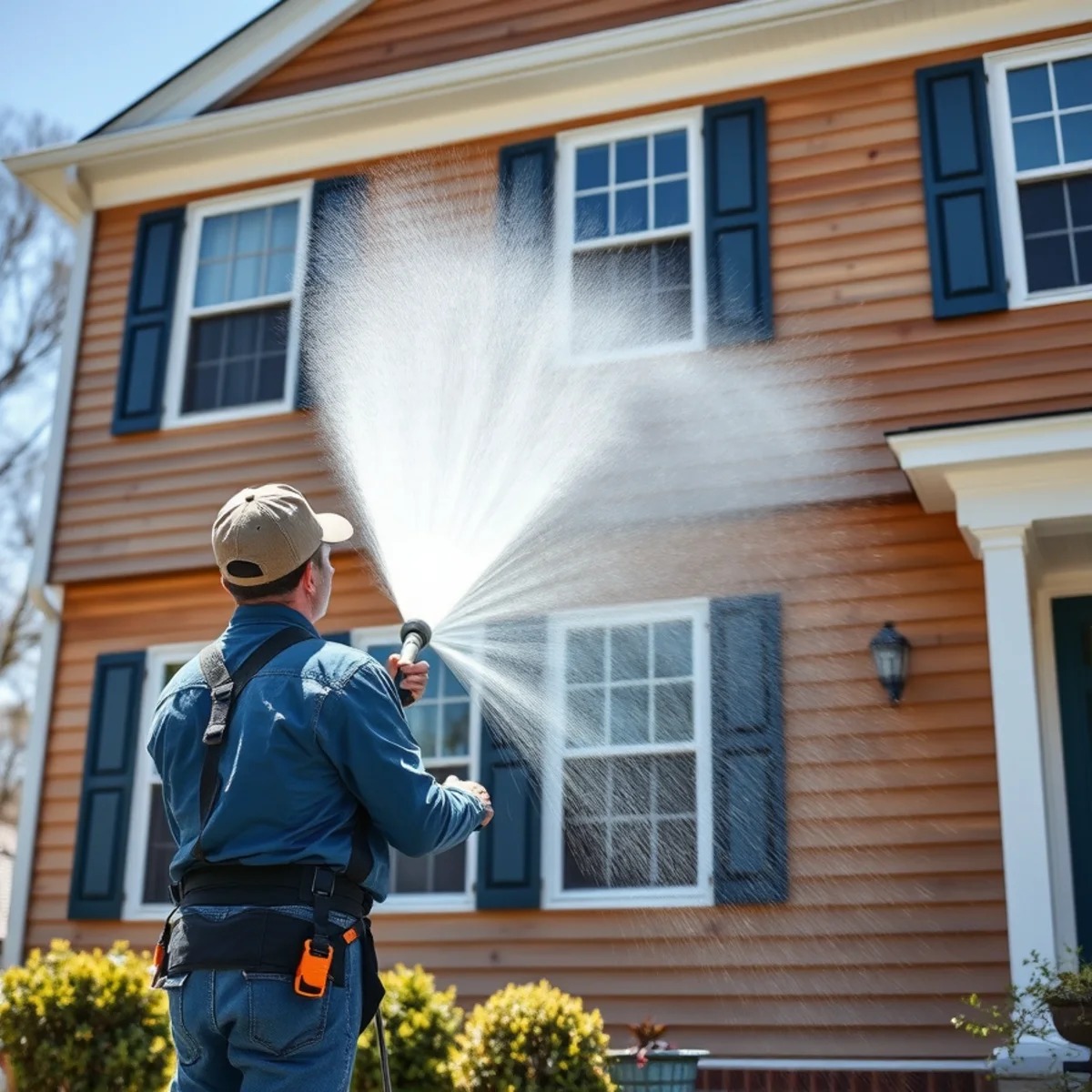
House Washing
Low-pressure soft wash house washing across MA. We kill algae, mold, and black streaks at the root, never blasting your siding.
Read More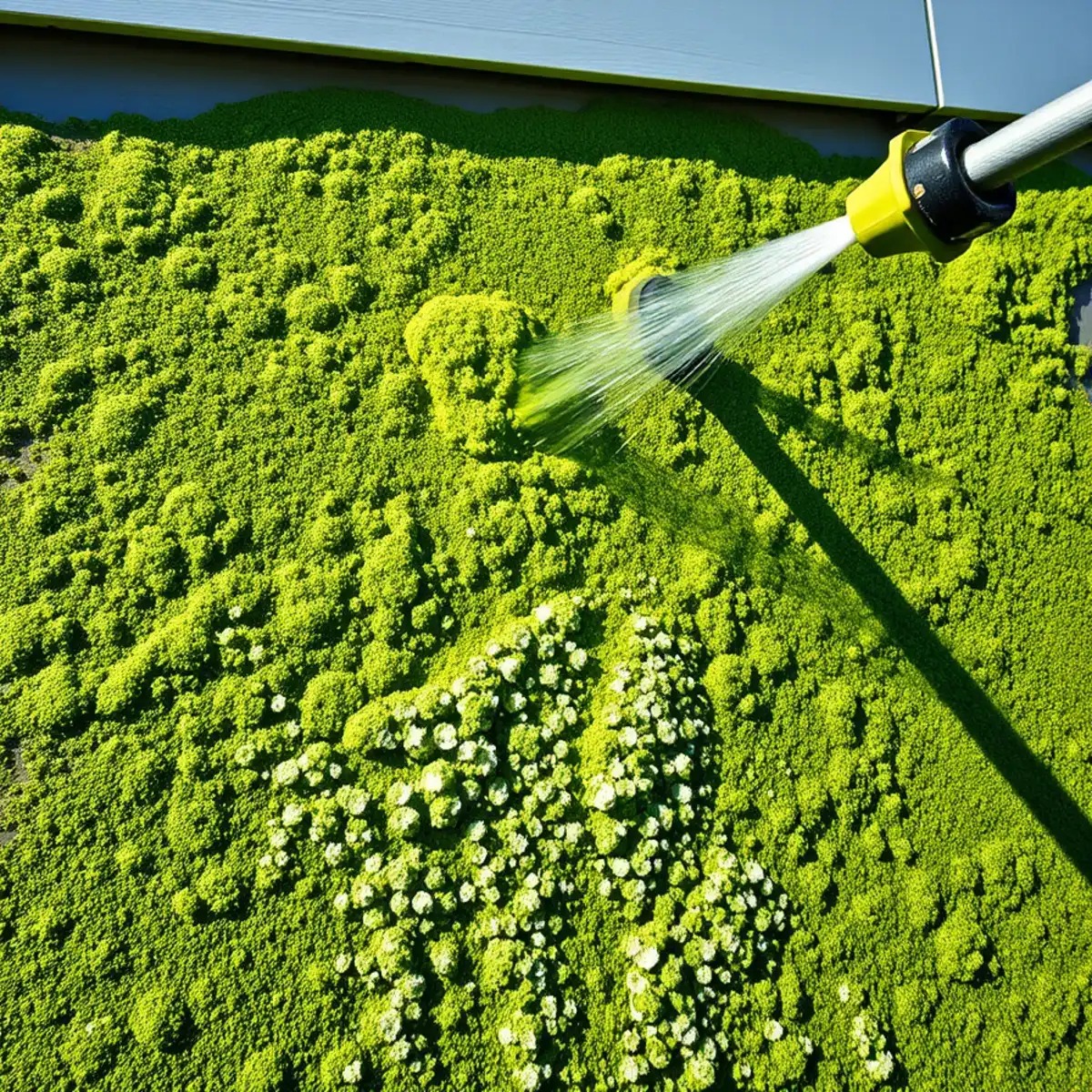
Algae Removal
Soft-wash algae removal for Massachusetts roofs, siding, and hardscapes — kill the colony at the root, not just the green you can see.
Read More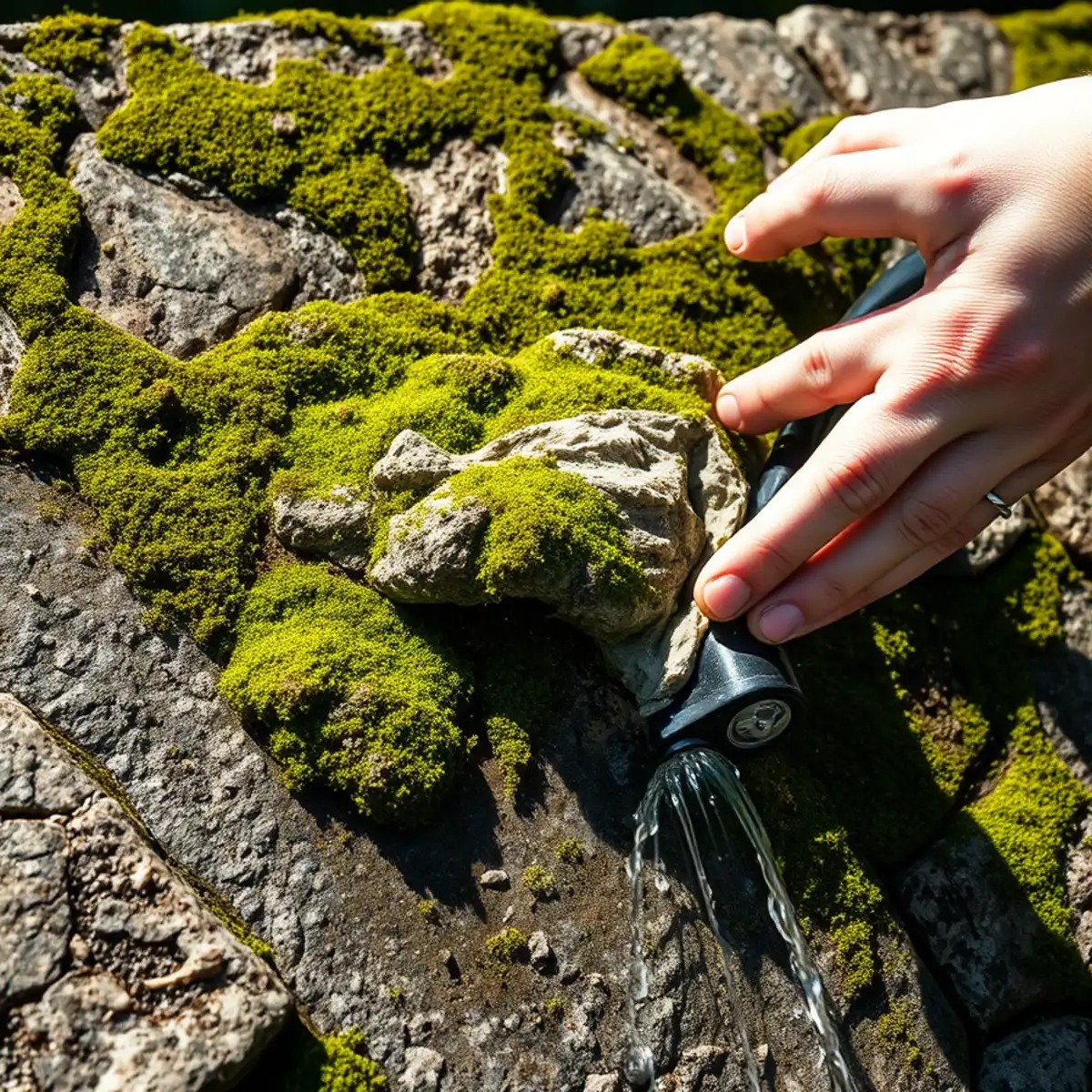
Moss & Lichen Removal
Soft-wash moss and lichen removal in Massachusetts that kills growth at the root and protects your roof, siding, and hardscapes.
Read MoreReady to Schedule Fence Cleaning?
Contact Wash Bros today for a free fence cleaning estimate anywhere in Massachusetts.