Mildew & Mold Removal Services in Massachusetts
Professional mildew & mold removal from Wash Bros for Massachusetts homes and businesses — affordable, dependable, and designed to restore curb appeal safely.
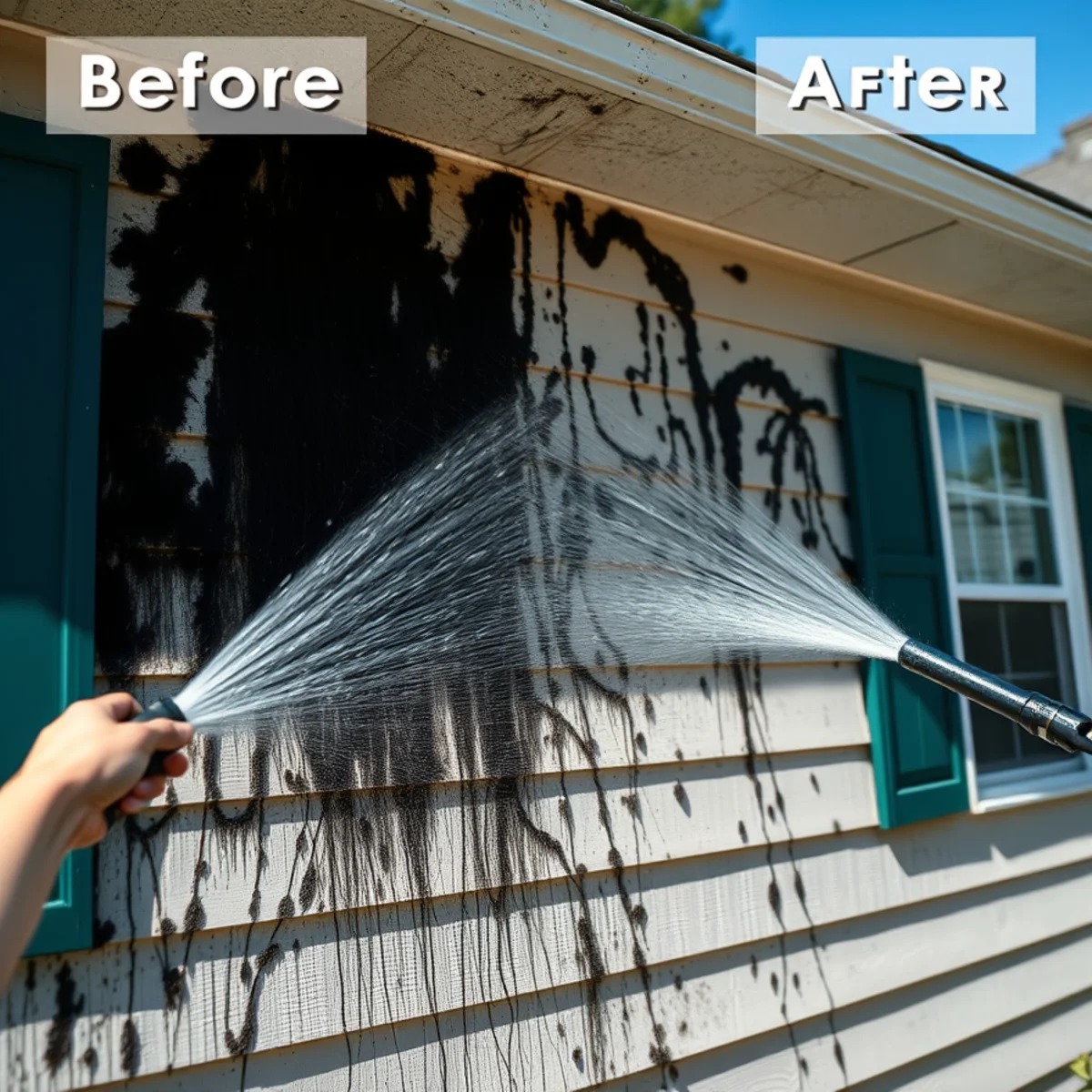
Those gray, green, and black blotches creeping across your siding are not just dirt. They are living organisms — mildew, mold, and algae — feeding on the organic film that coats every Massachusetts home. Left alone, they spread. They hold moisture against your siding, darken north-facing walls, stain shingles, and seed the next colony with airborne spores. A garden hose and a stiff brush will fade the surface for a week. Then the growth comes back, often darker than before, because the roots were never killed.
Wash Bros removes mildew and mold the right way: low-pressure soft washing paired with biodegradable detergents that eradicate the organism at the root, not just rinse the stain off the wall. The result is a clean, healthy exterior that stays clear through the seasons — not one that re-greens by the next damp morning.
What Is Mildew & Mold Removal? (Exterior Surface Cleaning Explained)
Exterior mildew and mold removal is the targeted treatment of living fungal and microbial growth on the outside of your home — the kind that pressure alone can never fully eliminate. The work is biological before it is mechanical. We saturate the affected surface with an eco-friendly cleaning solution that kills the colony, dwell that solution so it works into porous surfaces, then rinse everything away with a gentle, no-pressure application that protects the material underneath.
That distinction matters. Blasting a wall with high pressure removes what you can see and leaves the microscopic root structure behind. Treating it with the right chemistry kills the organism so it cannot simply regrow. You don't need more pressure; you need the right chemistry.
Mold vs. Mildew: Key Differences on Home Exteriors
People use "mold" and "mildew" interchangeably, but on a home exterior they look and behave differently.
Mildew is a surface fungus. It shows up as a flat, powdery, gray-to-white or light-green film, usually on siding, trim, soffits, and fences. It sits on top of the surface, which is why a quick wipe smears it. It thrives in shade and humidity and is the most common organic growth we treat on Massachusetts vinyl and painted wood.
Mold grows deeper and darker — black, dark green, or even slightly fuzzy — and tends to root into porous surfaces like wood, stucco, and unsealed masonry. It holds moisture, which is what makes it a threat to the material, not just the appearance.
You will also see their cousins on the same house: algae, the green-to-black organic growth on siding and concrete; Gloeocapsa magma, the specific algae responsible for the black streaks on north-facing asphalt shingles; and moss and lichen, which take hold on roofs, hardscapes, and shaded brick. We treat all of them, because in New England they almost always travel together.
Signs You Have Mold or Mildew on Your Siding, Roof, or Hardscapes
You do not need a lab to know you have a problem. Watch for:
- A musty odor near shaded walls, under decks, or around the foundation
- Gray, green, or black discoloration that returns after a rain or a quick rinse
- Dark streaks running down asphalt shingles, heaviest on the north slope
- A slick or slimy film on concrete, pavers, and patios — that is algae, and it is a slip hazard
- Powdery patches on trim, soffits, and fence boards
- Green fuzz or crusty lichen on brick masonry, retaining walls, or roof valleys
If the stain wipes but smears, or comes back within weeks of a DIY scrub, the colony is alive and rooted. That is the cue to treat it, not just rinse it.
Why Mold & Mildew Grow on Massachusetts Homes (Humidity, Shade & North-Facing Walls)
New England hands fungal growth everything it needs. Humid summers and heavy spring and fall rains keep exterior surfaces damp for days at a time. Coastal moisture from the Cape, the Islands, and the North Shore compounds the problem with salt air that never quite lets siding dry out. Inland, the tree-shaded lots and slow-drying conditions common around Worcester County do the same job.
Then there is the freeze-thaw cycle. Snowmelt and winter moisture get trapped in siding seams and porous surfaces, freeze, expand, and hold dampness against the wall for months — a year-round incubator for mold.
Shade is the multiplier. North-facing walls and shaded surfaces under a mature tree canopy — extremely common on older Massachusetts homes — never get the direct sun that would dry them and kill spores naturally. That is exactly why mold keeps coming back on the north side of your house: it stays cool and wet long after the sunny elevations have dried. Add a pollen-heavy spring that leaves an organic film feeding the next bloom, and you have the perfect storm for recurring growth.
Health Risks of Exterior Mold & Mildew (Allergies, Asthma, Spores)
This is not only a curb-appeal problem. Exterior mold and mildew release mold spores into the air around your home — the same air your family breathes on the porch, in the yard, and through open windows.
For most people that means seasonal irritation. For sensitive groups it can be worse. Spores are a known trigger for allergies and asthma, and children, older adults, and anyone with a respiratory condition feel it first. Growth that hugs a shaded entryway, a screened porch, or the wall outside a bedroom window puts that irritant right where people spend time. Clearing organic growth off the exterior reduces the spore load close to the house — a quieter benefit than a brighter wall, but a real one.
Soft Washing vs. Pressure Washing for Mold Removal: Which Is Safe?
Here is where most of the damage we get called to fix originates: the wrong technique on the wrong surface.
Pressure washing removes surface mold with force. It does not kill the spores, so the growth returns — and on the way, high pressure forces water behind siding, strips paint and cedar, etches stucco, and blows out old mortar. On a roof, high pressure is catastrophic: it tears the granules off asphalt shingles and voids manufacturer warranties.
Soft washing is the correct method for living growth. It is low-pressure washing — often a no-pressure application that relies on biodegradable surfactants and a controlled dose of sodium hypochlorite to kill the organism, then a gentle rinse to carry it away. The chemistry does the work; the water just removes the residue. This is the ARMA-approved soft wash approach the roofing industry endorses precisely because it cleans without abrasion.
The surface dictates the pressure:
- Asphalt shingles — soft wash only, under 100 PSI
- Vinyl siding — soft wash low-rinse, 100–500 PSI
- Cedar shingles — soft wash, hand-brushed, under 200 PSI
- Historic brick — soft wash, no direct high spray, under 400 PSI
- Stucco / EIFS — soft wash only, under 150 PSI
- Composite decking — soft wash, moderate, 500–1,000 PSI
- Concrete driveways and patios — power wash with a surface cleaner, 2,000–3,000 PSI
Hardscapes are the one place real pressure belongs, and even there we lead with chemistry so the algae roots die instead of just getting blown to the next slab. This is the same low-pressure discipline behind our soft washing and house washing services.
Our Mildew & Mold Removal Process Step-by-Step
Every job starts before a drop of solution touches the house. We read the surface — material, age, and condition — and the surrounding landscaping, because runoff containment matters. We pre-soak plants and shrubs with water, protect sensitive beds, and stay mindful of storm drains and well water on rural Massachusetts properties.
From there the work is methodical. We mix a biodegradable cleaning solution to the right strength for that specific surface, apply it at low pressure so it blankets the growth evenly, and let it dwell so the active ingredient penetrates the colony and kills it at the root rather than skating across the top. Stubborn lichen or heavy moss may get a second application or a gentle hand-agitation on cedar and historic trim. Then we rinse with controlled, surface-appropriate pressure, flush the landscaping again, and walk the property to confirm the stains are gone — not faded, gone.
Because the organism is dead rather than merely displaced, the surface stays clean far longer than a pressure-only blast-down ever could. That is the whole point of treating it biologically.
Surfaces We Treat
Mold and mildew do not respect material boundaries, so we treat the whole envelope:
- Vinyl siding — the most common request; soft-wash low-rinse lifts the green film without forcing water behind the panels
- Asphalt roof shingles — black-streak removal on Gloeocapsa magma using ARMA-approved soft wash; pairs naturally with our roof cleaning service
- Brick masonry and stucco — gentle chemistry that protects mortar joints and the porous face
- Wood and composite decks, fences, and pergolas — treated to the material; cedar and old wood get the lightest touch
- Concrete, pavers, patios, and walkways — algae and the slippery organic film removed at the root, the slip hazard with it
- Soffits, trim, porches, and shaded foundation walls — the damp, north-facing corners where mildew always starts
Heavy growth on wood often overlaps with our deck cleaning and fence cleaning work, and shaded hardscapes tie into moss & lichen removal. When green is climbing the whole home, vinyl siding cleaning handles the full elevation.
The Cleaning Solutions We Use (Biodegradable, Sodium Hypochlorite & Surfactants)
Our solutions are built to kill the organism and break down on contact, not to linger in your soil. The core is a measured dose of sodium hypochlorite — the proven agent for spore eradication at the root — blended with biodegradable detergent and surfactants that help the solution cling to vertical surfaces, penetrate organic growth, and rinse clean.
The blend is mixed to the surface, never one-size-fits-all. A north-facing vinyl wall gets a different strength than a delicate cedar soffit or a porous brick face. We keep the application low-pressure and eco-conscious, pre-soak landscaping, and contain runoff so the chemistry does its job on the wall and nowhere else.
Why DIY Bleach & Pressure Washing Often Makes Mold Worse
Here is the problem with the hardware-store approach. Straight bleach in a pump sprayer fades the surface stain but evaporates before it kills the rooted colony — and the salt residue it leaves can actually feed the next bloom. Vinegar barely touches established mold. And the moment a homeowner reaches for a rented pressure washer to "really get it," the damage starts.
That is the agitation, and it is real money. High pressure drives water behind siding, where it sits and breeds the very mold you were fighting. It strips cedar, gouges wood, etches stucco, and blows mortar out of old joints. On a roof it shears off shingle granules and voids the warranty. We get the repair calls. The cosmetic problem becomes a rot problem, a paint problem, or a re-siding bill.
The solution is unglamorous and effective: right chemistry, right dwell time, right pressure for the material. Professionals kill the root and protect the surface in one visit.
Does Mold & Mildew Removal Damage My Surfaces? (Surface-Safe Guarantee)
Done correctly, no — and "correctly" is the operative word. The reason soft washing exists is to clean living growth without the abrasion that damages exterior materials. We match the pressure and the solution strength to each surface, from under-100-PSI roof treatments to gentle masonry care that preserves mortar. Cedar, historic brick, painted trim, and stucco all get the low-pressure handling they require.
Wash Bros is fully insured, with a certificate of insurance available on request — so the rare what-if is covered, and you are not the one holding the bag if an uninsured operator cracks a window or scars your siding. Our work is satisfaction-focused: we walk the job with you and don't pack up until the growth is gone and the surface is intact.
How Long Do Results Last & Recommended Cleaning Frequency
Because we kill the organism rather than rinse it, results last. On most Massachusetts homes a proper soft-wash treatment keeps siding and hardscapes visibly clear for roughly 12 to 18 months before organic growth re-establishes — longer on sunny, well-drained elevations and shorter on the heavily shaded, north-facing, or tree-canopied walls that stay damp.
For most homeowners, a cleaning every 12 to 18 months keeps growth from ever getting a foothold. Properties under dense shade, near the coast, or surrounded by mature trees may want an annual visit. Regular maintenance is always cheaper than letting mold root deep enough to stain permanently or damage the material.
How to Prevent Mold & Mildew From Coming Back (Gutters, Drainage, Landscaping)
A clean wall stays clean longer when you cut off the moisture that feeds growth. The biggest culprits are almost always around the house, not on it:
- Clogged gutters overflow and keep fascia, soffits, and the wall below permanently damp. Keep them flowing — our gutter cleaning service handles it.
- Poor drainage pools water against the foundation. Grade soil away from the house and extend downspouts.
- Overgrown landscaping traps humidity against siding. Trim shrubs and tree limbs back so air moves and sun reaches the wall — this is the single best defense for a north-facing elevation.
- Standing organic debris — leaf piles, mulch packed against siding, firewood stacked on the wall — holds moisture and seeds growth. Move it off.
You cannot change the Massachusetts climate, but you can deny mold the dampness and shade it depends on.
Mildew & Mold Removal Cost in Massachusetts (Pricing Factors)
Honest answer: the price depends on the property, and anyone quoting a flat number sight-unseen is guessing. The factors that actually move the cost are:
- Total square footage and the number of affected elevations — a single shaded wall versus a whole-home treatment
- Surface type — delicate cedar, historic brick, and roofs require more care and time than vinyl
- Severity and age of the growth — heavy lichen and deep-rooted mold need stronger treatment and sometimes a second pass
- Height and access — multi-story walls, steep roofs, and tight landscaping add labor
- Surface mix — bundling siding, roof, deck, and concrete in one visit is more efficient than separate trips
- Location within Massachusetts — coastal and heavily shaded properties often need more frequent, more thorough treatment
We quote on what we see. The estimate is free, and it is specific to your home — no bait pricing, no surprises on the invoice.
Service Areas Across Massachusetts
Wash Bros is locally operated and serves homeowners across Massachusetts, from the coast to the inland hill towns. We treat mildew and mold throughout the Greater Boston area, the North Shore, the South Shore, and Central Mass.
We regularly work in Boston, Worcester, Quincy, Cambridge, and Newton, along with the surrounding towns and counties. If your home is in Massachusetts and it is growing something green, we can reach it.
Why Choose Wash Bros (Fully insured, Local)
Wash Bros is a family-run, brothers-owned company started in 2023 by Louis and Dominic, built on doing exterior cleaning the right way for our Massachusetts neighbors. We are fully insured, with a certificate of insurance available on request — ask any contractor you hire to provide one, and as a homeowner, confirm they carry it before they touch your house.
We hold a 5.0 average across 130 Google reviews because we treat growth biologically, match every surface to the correct pressure and chemistry, and leave properties clean without the damage amateurs cause. We pre-soak landscaping, contain runoff, and stay conscious of storm drains and well water. The work is satisfaction-focused from the first soak to the final rinse.
Get a Free Mold & Mildew Removal Quote
If green, gray, or black growth is creeping across your siding, roof, or hardscapes, treat it before it roots in for good. Late spring and early fall are the ideal Massachusetts windows — clean after the pollen settles in May and June, and again in early fall before peak humidity and the freeze-thaw season lock moisture against the wall.
Call Wash Bros today at +1 (351) 242-0666 for a free, no-pressure mildew and mold removal estimate, and keep your home clean, healthy, and protected through every New England season.
Problems We Solve
- Gray, green, or black mildew and algae streaks creeping across siding, soffits, and trim that return after every rain
- Black streaks from Gloeocapsa magma algae staining north-facing asphalt roof shingles
- Slick, slippery organic film on concrete, pavers, and patios creating a real slip hazard
- Recurring mold on shaded, north-facing walls that never dry out under Massachusetts tree canopy and coastal humidity
- Mold spores near porches and windows aggravating allergies and asthma for sensitive family members
- Damage and re-growth caused by DIY bleach and high-pressure washing forcing water behind siding and stripping wood
Our Cleaning Process
- 1
Inspect the surface and identify problem areas
- 2
Protect nearby landscaping, fixtures, and finishes
- 3
Apply the correct cleaning method for the surface
- 4
Wash and rinse thoroughly with professional equipment
- 5
Final quality check and walkthrough with you
Why Choose Wash Bros
- Affordable, upfront pricing
- Dependable scheduling
- Experienced exterior cleaning team
- Surface-safe process, every job
- Residential & commercial options
- 5.0 stars across 130 reviews
Mildew & Mold Removal Across Massachusetts
We provide mildew & mold removal in 351 Massachusetts cities, including:
Mildew & Mold Removal FAQs
Related Services
Soft Washing
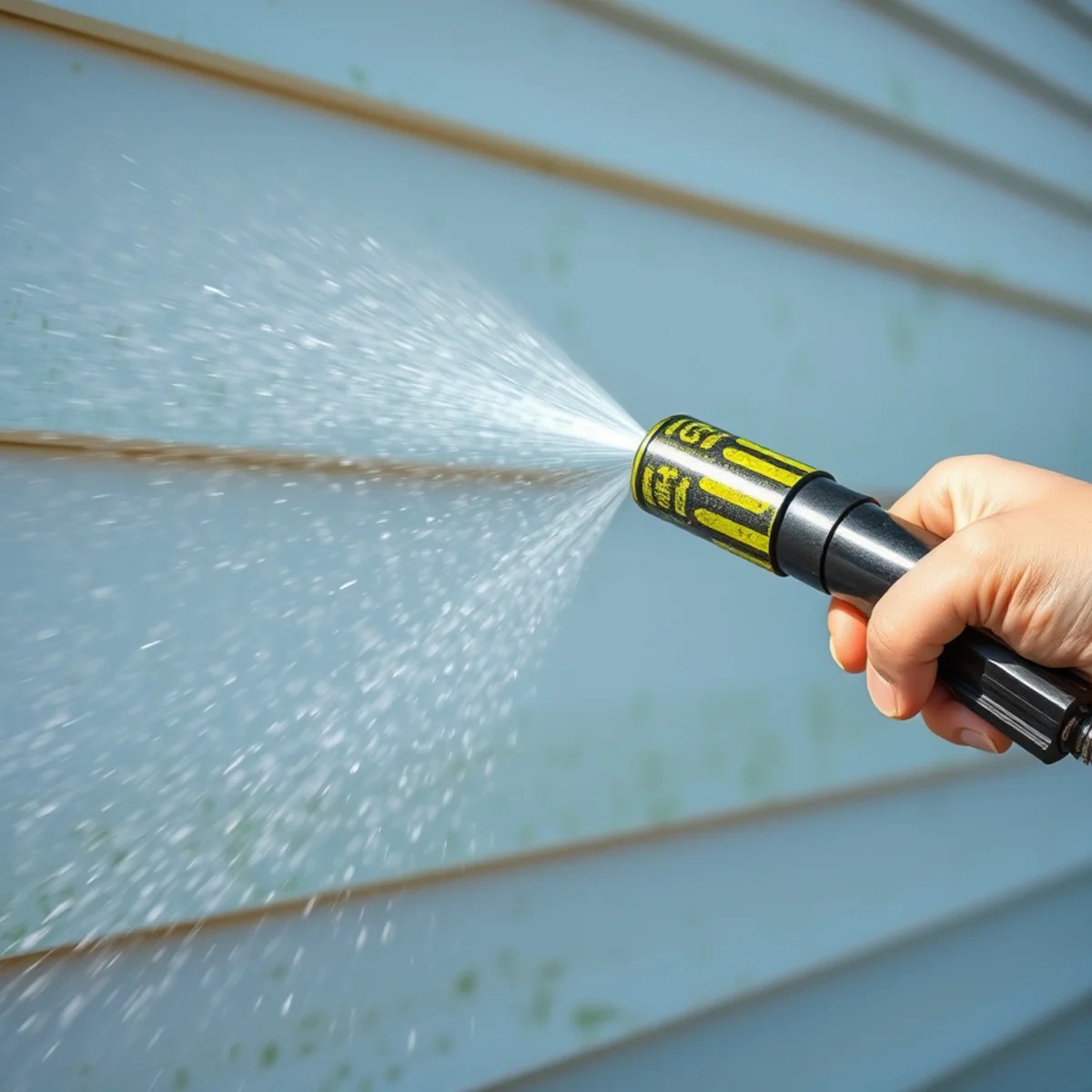
Low-pressure soft washing that kills roof algae, mold, and black streaks at the root, safely cleaning MA roofs and siding.
Read More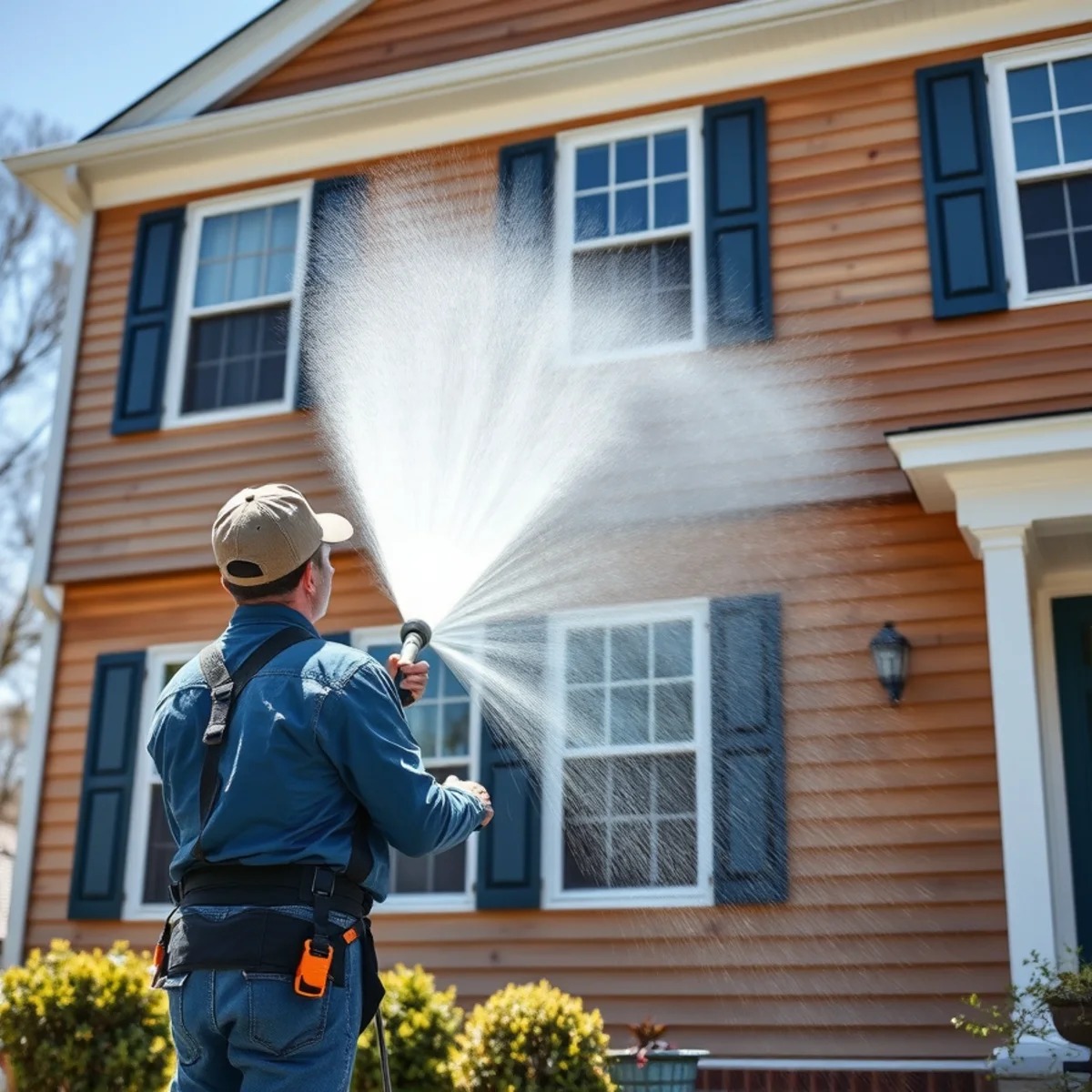
House Washing
Low-pressure soft wash house washing across MA. We kill algae, mold, and black streaks at the root, never blasting your siding.
Read More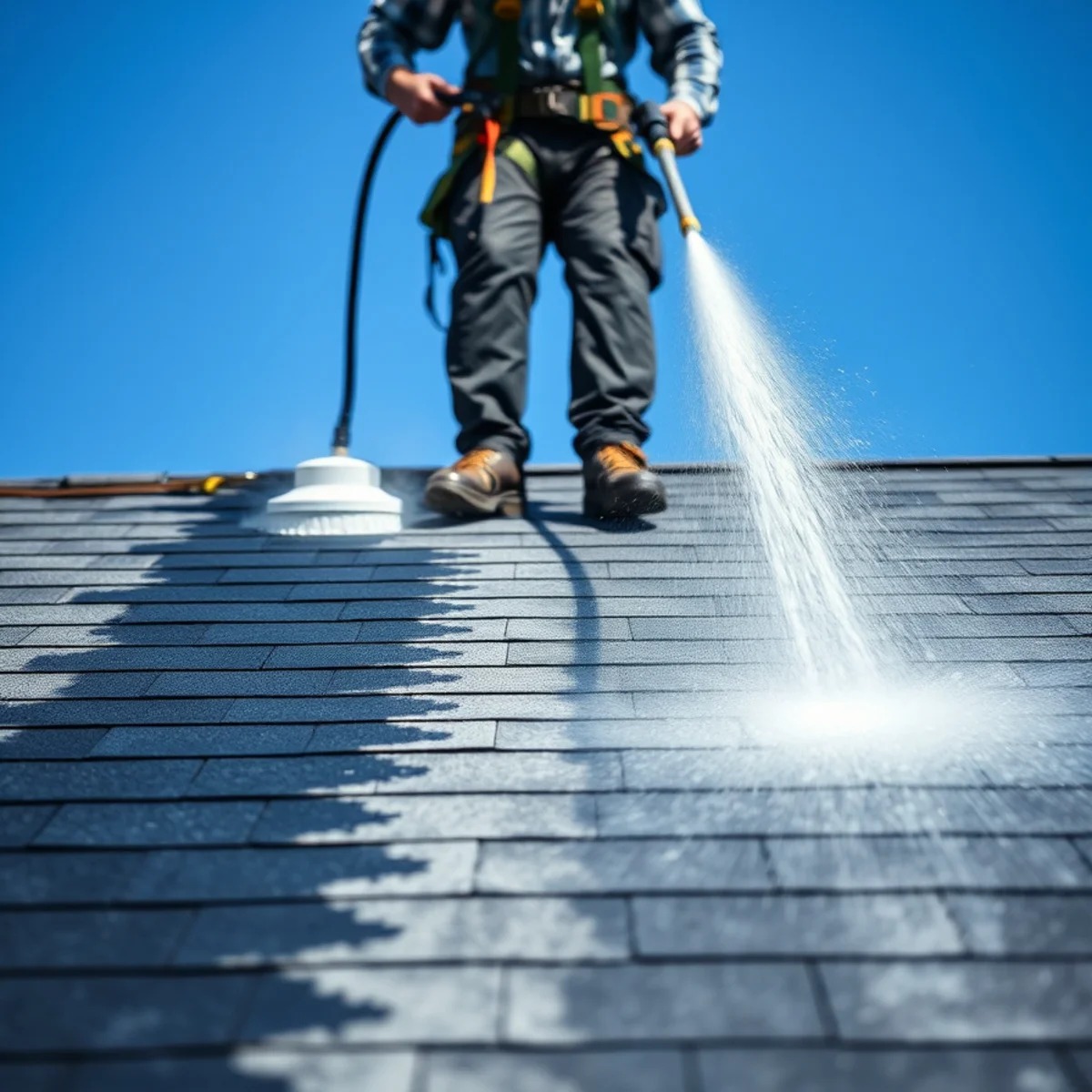
Roof Cleaning
Safe soft wash roof cleaning across Massachusetts that removes black streaks, moss, algae and lichen without harming your shingles or warranty.
Read More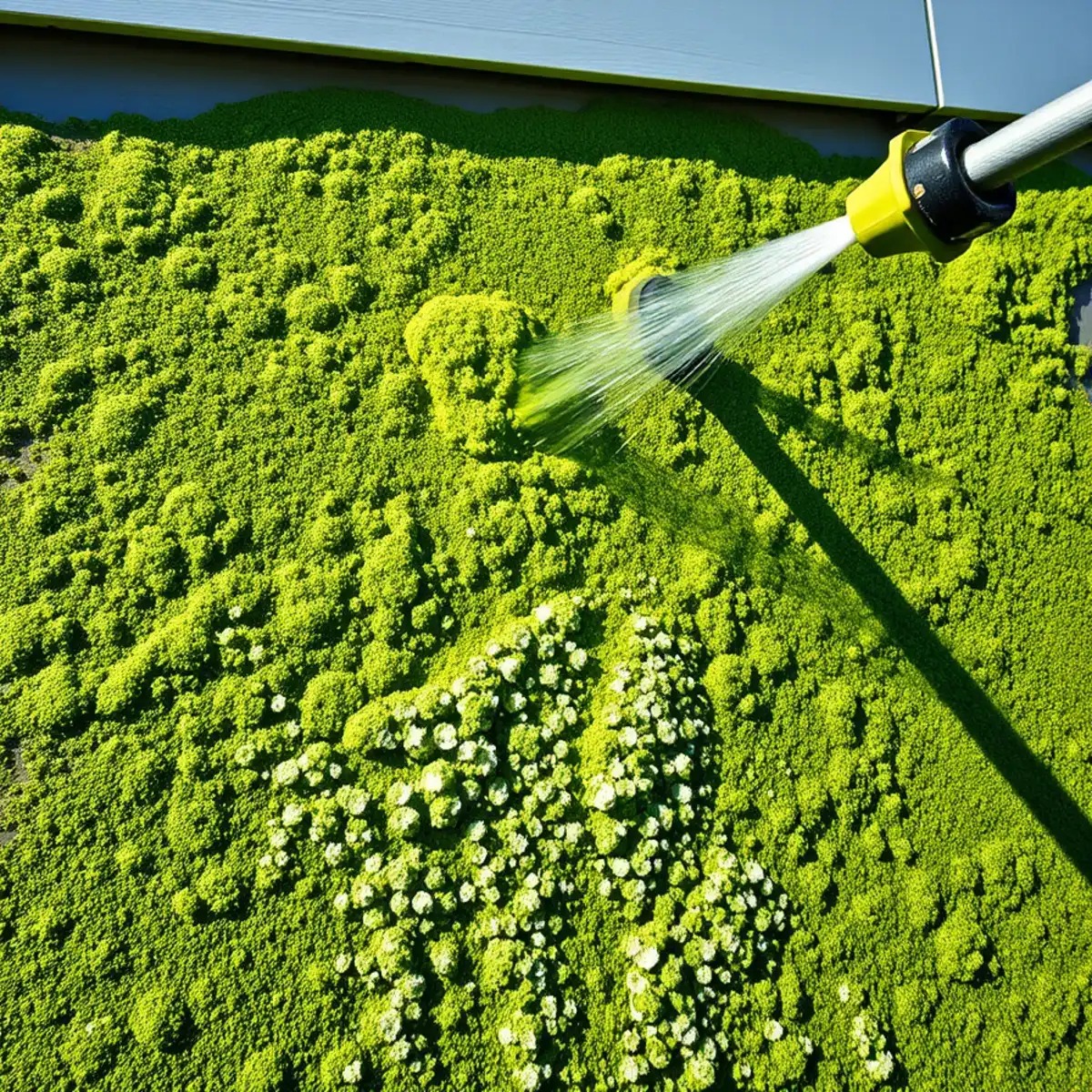
Algae Removal
Soft-wash algae removal for Massachusetts roofs, siding, and hardscapes — kill the colony at the root, not just the green you can see.
Read More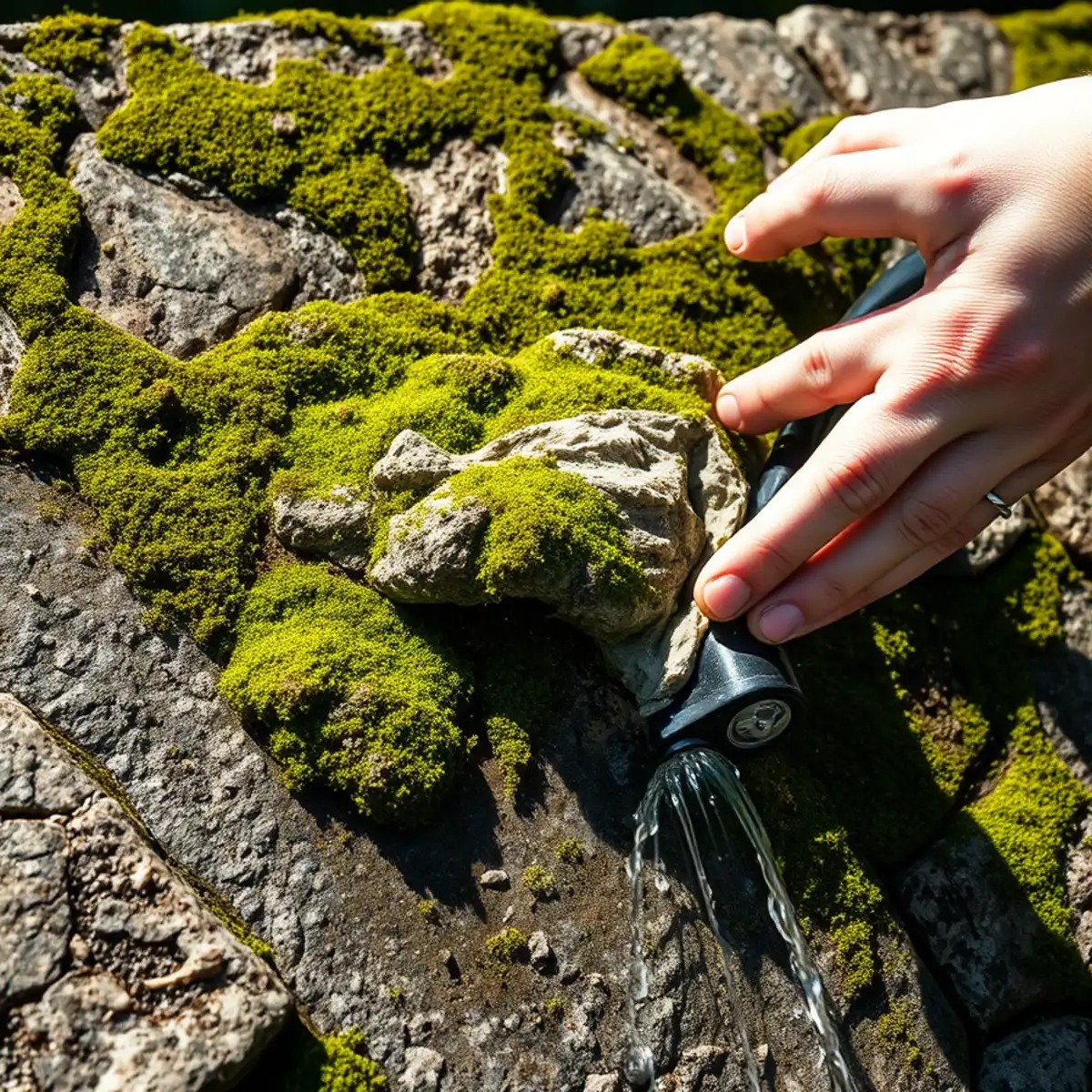
Moss & Lichen Removal
Soft-wash moss and lichen removal in Massachusetts that kills growth at the root and protects your roof, siding, and hardscapes.
Read MoreReady to Schedule Mildew & Mold Removal?
Contact Wash Bros today for a free mildew & mold removal estimate anywhere in Massachusetts.