Power Washing Services in Massachusetts
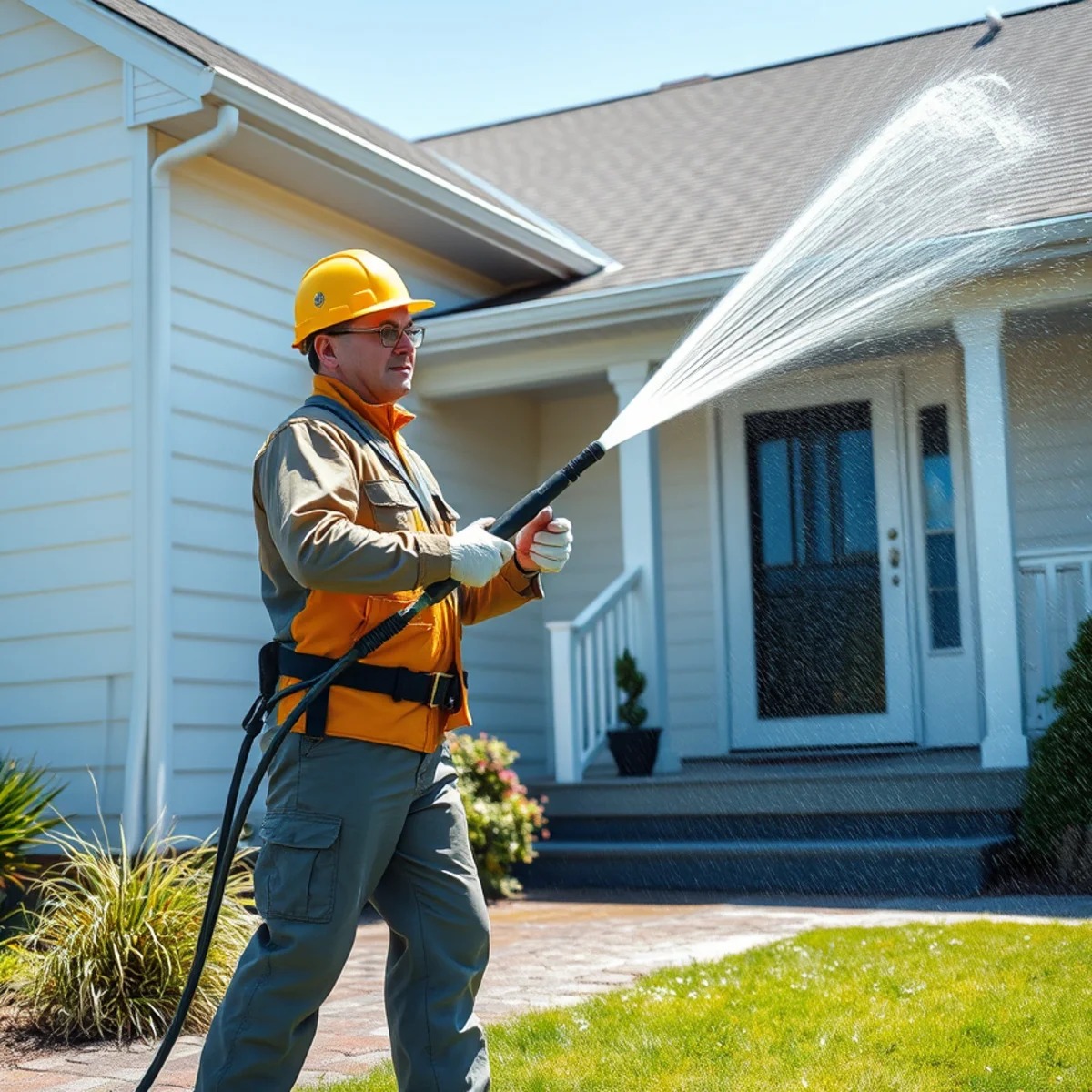
Professional power washing from Wash Bros for Massachusetts homes and businesses — affordable, dependable, and designed to restore curb appeal safely.
Your driveway went gray. The walkway grew a green film that gets slick after rain. The brick patio shows white crust where winter road salt soaked in and dried. You bought a rental machine, blasted away for an afternoon, and either barely moved the grime or carved wand stripes into the concrete you can still see.
That is the power washing trap. More pressure feels like the answer. It rarely is.
Here is the truth a veteran Massachusetts contractor learns fast: you don't need more pressure, you need the right chemistry and the right machine for the surface in front of you. Pressure moves dirt. It does not kill algae roots, and it can permanently damage the surface you were trying to clean. The right approach lifts contaminants, protects the substrate, and lasts.
What Is Power Washing? (and How It Differs from Pressure Washing and Soft Washing)
Power washing uses high-pressure water, usually heated, to strip ground-in grime, grease, gum, and traffic film off hard, durable surfaces. The heat is the dividing line. Hot water power washing dissolves oils and breaks sticky residue the way warm water cuts kitchen grease, so the surface needs less time and less force under the wand.
Pressure washing is the same equipment without the heat. Cold water, high pressure. It works on most flatwork but takes longer on oil and gum.
Soft washing is the opposite end. Low pressure, around garden-hose force, paired with biodegradable detergents that do the actual cleaning. Soft washing is for anything that high pressure would damage: vinyl siding, cedar, stucco, painted wood, and roofs.
Three tools, three jobs. A contractor who only owns one is going to use it on everything, and that is how damage happens.
Power Washing vs. Pressure Washing vs. Soft Washing: When We Use Each
We pick the method by what the surface can take, measured in PSI (pounds per square inch) and GPM (gallons per minute). PSI is the punch. GPM is the flow that flushes contaminants away. A high-GPM machine cleans faster and gentler than a high-PSI machine starved for water.
Here is the honest decision matrix we work from in the field:
- Concrete driveway, sidewalk, garage floor: power wash with a surface cleaner attachment, roughly 2,000–3,000 PSI. Durable enough for real force.
- Paver patio and segmental walls: power wash at moderated pressure, then re-sand the joints. Too much PSI blows out the polymeric sand.
- Historic brick and mortar: soft wash, no direct high spray, under 400 PSI. Old lime mortar crumbles under a pressure wand.
- Vinyl siding: soft washing with a low-pressure rinse, 100–500 PSI. High pressure forces water behind the panels.
- Wood deck and fence: low pressure and chemistry, never a tight high-pressure tip that furs and gouges the grain.
- Stucco and EIFS: soft wash only, under 150 PSI.
- Asphalt shingle roofs: soft wash, under 100 PSI, the ARMA-approved roof cleaning standard.
When a surface lands in the soft-wash column, we route it to the right service: soft washing for siding and delicate exteriors, house washing for full home exteriors, and roof cleaning for shingles. Power washing is for the surfaces that genuinely need force.
Surfaces We Power Wash in Massachusetts
Power washing is built for hardscape and masonry, the surfaces that take abuse and can handle a real clean.
Concrete driveways, walkways, and garage floors. The bread and butter. Gray, grimy concrete comes back to its original tone with a surface cleaner and the right pre-treatment. See our dedicated concrete cleaning and driveway cleaning pages.
Pavers and patios. Interlocking pavers trap dirt, weeds, and algae in the joints. We clean, then re-sand to lock everything back in place. More on our paver cleaning page.
Brick and block. Newer, sound brick handles controlled power washing. Older heritage brick does not, and we treat it gently to protect the mortar.
Decks and patios. Composite and pressure-treated wood get a moderated approach, never a high-pressure tip.
We also handle the stains that a straight wash leaves behind: oil stain removal, rust stain removal, efflorescence (the white salt bloom on masonry), and surface oxidation removal. If your job has any of those, we pair the wash with oil stain removal, rust removal, and efflorescence removal so the finish comes out even, not patchy.
Our Power Washing Process: Inspection, Pre-Treatment, Wash, Rinse, Final Walkthrough
Picture a driveway you can park a clean car on without picking up a gray film. That is the goal of every visit, and the process gets us there without collateral damage.
It starts with inspection. We read the surface, identify the contaminant, and check for cracks, loose mortar, and anything water could get behind. Then pre-treatment: we apply biodegradable surfactants and let the chemistry do the heavy lifting. Mold and mildew removal and algae and moss removal happen here, at the chemical level, because pressure does not kill the spores and roots, the right solution does. We downstream the cleaning agents through the machine at low pressure, soak landscaping first, and stage runoff containment away from storm drains, gardens, and any well water on the property.
Then the wash. Correct nozzle tip and spray angle for the material, surface cleaner on flatwork for even results without zebra stripes, heated water where oil and gum demand it. We finish with a thorough low-pressure rinse so no residue dries on the surface, and a final walkthrough with you so you see the result before we pack up. We are obsessive about technique because we have repaired what happens when nobody is.
Hot Water vs. Cold Water Power Washing and Why PSI and GPM Matter
Heat changes the job. Hot water power washing emulsifies grease and oil, melts gum, and cleans faster with less mechanical force, which means less wear on the surface. For oily concrete, dumpster pads, and drive-thru lanes, hot water is the difference between clean and smeared. Our dedicated hot water pressure washing service exists for exactly these jobs.
Cold water is fine for general dirt, algae film, and most residential flatwork once the chemistry has done its part.
PSI and GPM are not the same thing, and chasing PSI is a beginner's mistake. PSI is impact force. Too much of it etches concrete, blows out mortar, and shreds wood. GPM is the volume of water carrying contaminants off the surface. A machine with strong GPM and moderate PSI cleans better and safer than a screaming high-PSI unit with weak flow. We match both numbers to the material every time.
Benefits of Professional Power Washing
Curb appeal is the obvious one. A clean driveway and bright walkway change how the whole property reads from the street, which matters whether you are selling or just tired of looking at gray.
It goes deeper than looks. Algae and moss removal eliminates the slick, dangerous film that makes walkways treacherous after Massachusetts rain and snowmelt. Clearing mold and mildew removes an allergen source right outside your door. And flushing road salt residue, spring pollen, and embedded grime out of concrete pores before it does structural harm extends the surface's life and helps any sealer you apply actually bond. This is property maintenance, not vanity. Surfaces that get cleaned on schedule last longer and cost less over time.
Residential Power Washing Services
For homeowners, we revive driveways, walkways, garage aprons, retaining walls, back patios, pool decks, and concrete steps. We coordinate the hard-surface power wash with gentler methods for the parts of your home that need them, so the whole exterior gets the correct treatment, not one blunt instrument applied everywhere. Families across Worcester, Newton, and Quincy call us every spring once the pollen settles.
Commercial and Industrial Power Washing Services
Businesses need surfaces that are presentable and safe. We clean entryways, sidewalks, loading docks, dumpster pads, concrete aprons, and parking areas for property managers, retailers, and facility teams. HOA, condo, and multi-unit demand runs high in dense Massachusetts municipalities, and we schedule around tenants and traffic. Our commercial pressure washing service covers the larger scopes, with hot water on hand for the grease-heavy jobs restaurants and industrial sites bring.
How Much Does Power Washing Cost in Massachusetts?
Anyone quoting a flat price sight-unseen is guessing. Honest pricing depends on real factors, and these are the ones that move the number:
- Square footage and layout. Open flatwork cleans fast. Tight, broken-up areas with steps and obstacles take longer.
- Surface type and condition. Heavy oil, deep staining, and years of neglect need more pre-treatment and time.
- Contaminant. Light dirt is quick. Oil stain removal, rust stain removal, and thick algae are specialized work.
- Access. Water source, slope, and runoff containment needs all factor in.
- Hot water. Heated jobs require more equipment and fuel.
We give a free, specific estimate after we see the property, not a number pulled from the air to win the call.
How Often Should You Power Wash Your Home?
For most Massachusetts properties, hard surfaces benefit from a yearly clean. Shaded, damp lots with heavy tree canopy and chronic algae may want it twice a year. High-traffic commercial flatwork and oil-prone areas often need a regular cycle. A good rule: when the surface looks dingy, feels slick, or shows green and black streaks, it is time. Waiting lets contaminants etch and stain permanently.
Best Time of Year to Power Wash in Massachusetts
Timing is local. The best window runs from late spring through early fall, once overnight temperatures stay reliably above freezing.
Spring is prime. Spring pollen peaks in April and May, coating decks, patios, and concrete in a yellow film, and a late-May or June wash clears the whole allergen load at once. Summer keeps surfaces dry and safe to clean. Early fall is the moment to wash hardscape and pavers before leaf debris and tannin staining set in, and before the freeze-thaw season locks grime into the pores.
The other Massachusetts reality is road salt residue. Winter sand and de-icing salt work into driveways and walkways, leaving white crust and accelerating wear. A spring clean flushes it out. If you are planning to seal concrete, do it before road-salt season, on a clean surface.
Why DIY Power Washing Can Damage Your Property
Here is the problem with the rental machine.
It has one nozzle and no chemistry, and the person holding it has no surface knowledge. Too much pressure on concrete leaves permanent etching and wand stripes you cannot sand out. A tight tip on wood furs the grain. High pressure on vinyl siding forces water behind the panels into the wall cavity, where it grows the mold you will never see until it is a real problem. Aim a pressure wand at old mortar and you will excavate it.
And after all that risk, the algae comes back in weeks, because pressure never killed the roots. Only the chemistry does.
This is why people call a pro: not because they cannot operate a machine, but because the machine is the easy part. Knowing which surface gets which pressure, which detergent, and which surfaces should never see high pressure at all, that is the job.
Eco-Friendly, Biodegradable Cleaning Solutions and Safe Methods
The chemistry does the cleaning, so the chemistry matters. We use biodegradable surfactants and measured sodium hypochlorite solutions at the right dilution, applied through low-pressure downstreaming so we are never blasting concentrated chemicals around.
Protecting the property goes with it. We pre-soak landscaping so plants take up clean water before any solution reaches them, rinse foliage during and after, and stage runoff away from storm drains, gardens, and well water. Pets and kids are safe once surfaces are dry. Responsible exterior cleaning and effective exterior cleaning are the same thing when you do it right.
Why Choose Wash Bros: Fully Insured and Satisfaction-Focused
Wash Bros is a family-run business, started by brothers Louis and Dominic in 2023, with a straightforward promise: dependable exterior cleaning done right the first time. We are fully insured, with a certificate of insurance available on request, and we run commercial-grade hot-water equipment.
Before you hire anyone, ask for proof of insurance. An uninsured contractor who damages your driveway, your siding, or your neighbor's car becomes your problem. In Massachusetts, you can also ask whether a contractor holds HIC registration for applicable home-improvement work. Vet the people on your property. We are satisfaction-focused and stand behind the work, which is why local homeowners and businesses have given us a 5.0 average across 130 Google reviews.
Service Areas Across Massachusetts
We serve communities statewide, from Boston and the MetroWest suburbs out to Worcester County, with regular work in Cambridge, Framingham, and the South and North Shore. Coastal properties on the Cape, the Islands, and the shore lines deal with salt-air corrosion and humidity that drive mold and algae harder; inland towns in Worcester County and the Pioneer Valley fight shaded, damp lots and pollen. We tailor the method to your microclimate.
Get a Free Power Washing Quote
Stop looking at gray concrete and slick walkways. See what your driveway, brick, and pavers are supposed to look like, cleaned correctly, without damage, by a crew that knows the difference between pressure and technique.
Call Wash Bros at +1 (351) 242-0666 for a free, no-pressure estimate.
Problems We Solve
- Gray, grimy concrete driveways and walkways that a garden hose can't touch
- Slick green algae and black mildew making walkways dangerous after rain or snowmelt
- White road-salt crust eating into driveways, walkways, and foundations after winter
- Yellow spring pollen coating decks, patios, and concrete every April and May
- Oil, rust, and efflorescence stains left behind by a basic wash
- Etching, wand stripes, and water-behind-siding damage from DIY rental machines
Our Cleaning Process
- 1
Inspect the surface and identify problem areas
- 2
Protect nearby landscaping, fixtures, and finishes
- 3
Apply the correct cleaning method for the surface
- 4
Wash and rinse thoroughly with professional equipment
- 5
Final quality check and walkthrough with you
Why Choose Wash Bros
- Affordable, upfront pricing
- Dependable scheduling
- Experienced exterior cleaning team
- Surface-safe process, every job
- Residential & commercial options
- 5.0 stars across 130 reviews
Power Washing Across Massachusetts
We provide power washing in 351 Massachusetts cities, including:
Power Washing FAQs
Related Services
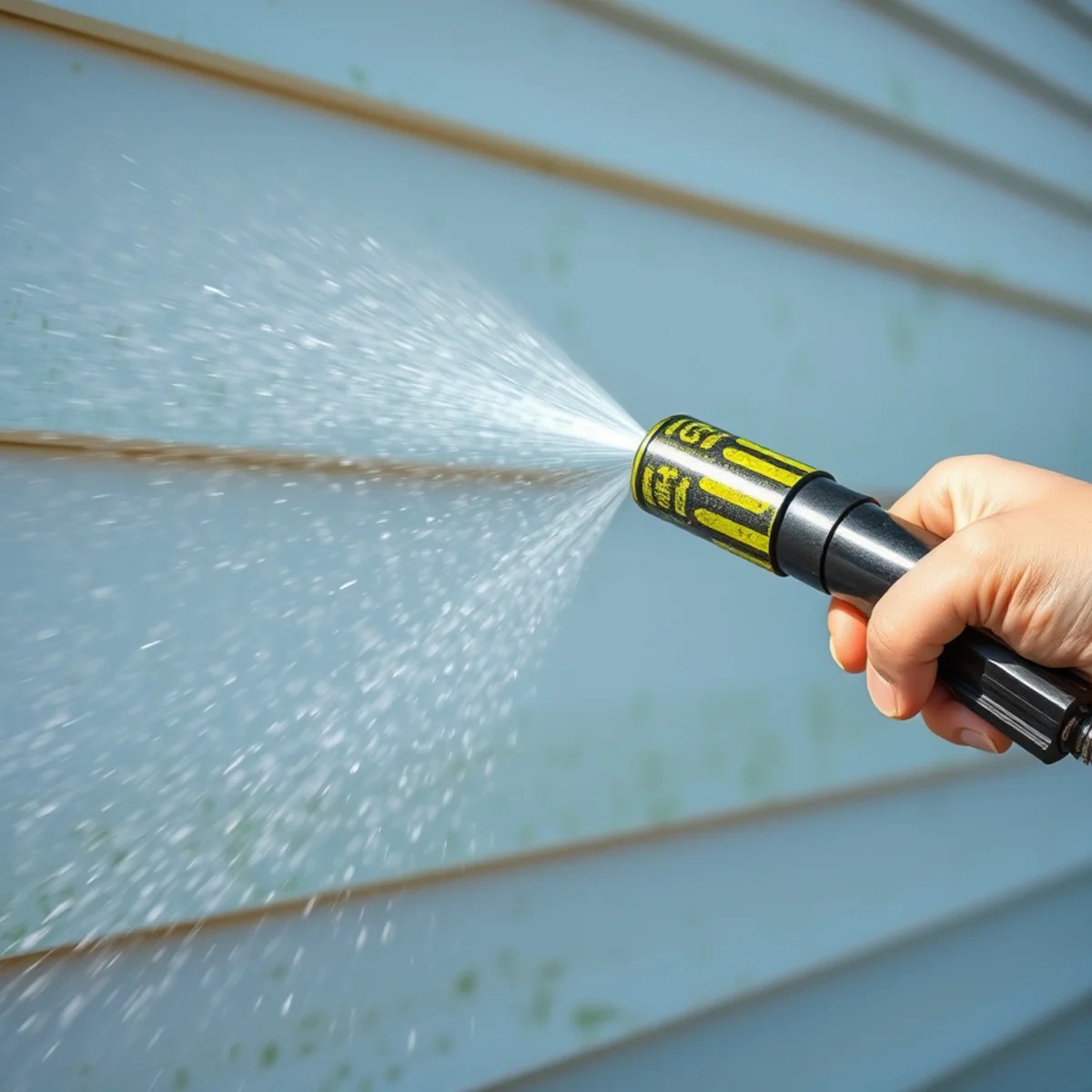
Soft Washing
Low-pressure soft washing that kills roof algae, mold, and black streaks at the root, safely cleaning MA roofs and siding.
Read More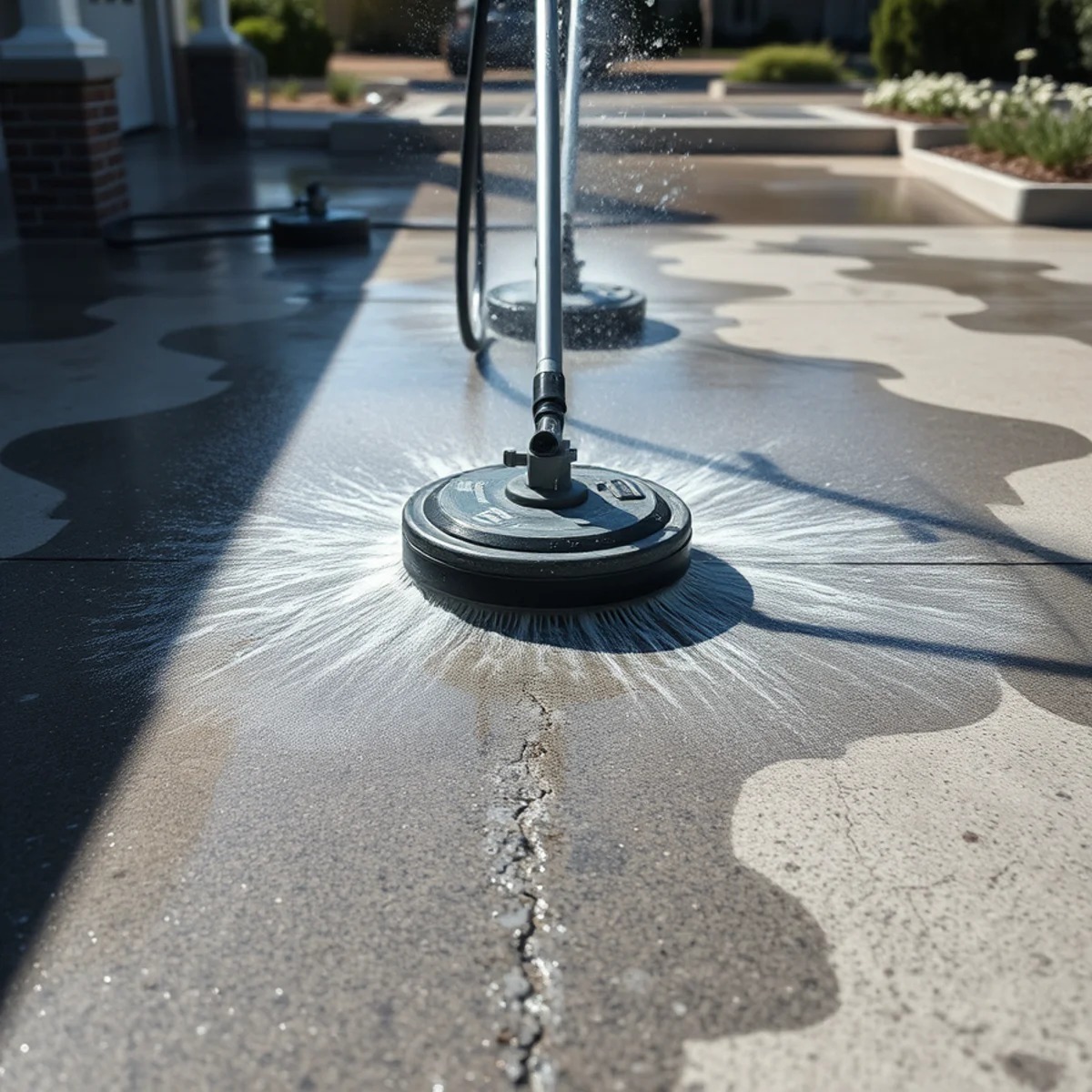
Concrete Cleaning
Expert concrete cleaning in Massachusetts: surface-cleaner flatwork, hot-water degreasing, and chemistry that removes salt, algae, oil, and efflorescence.
Read More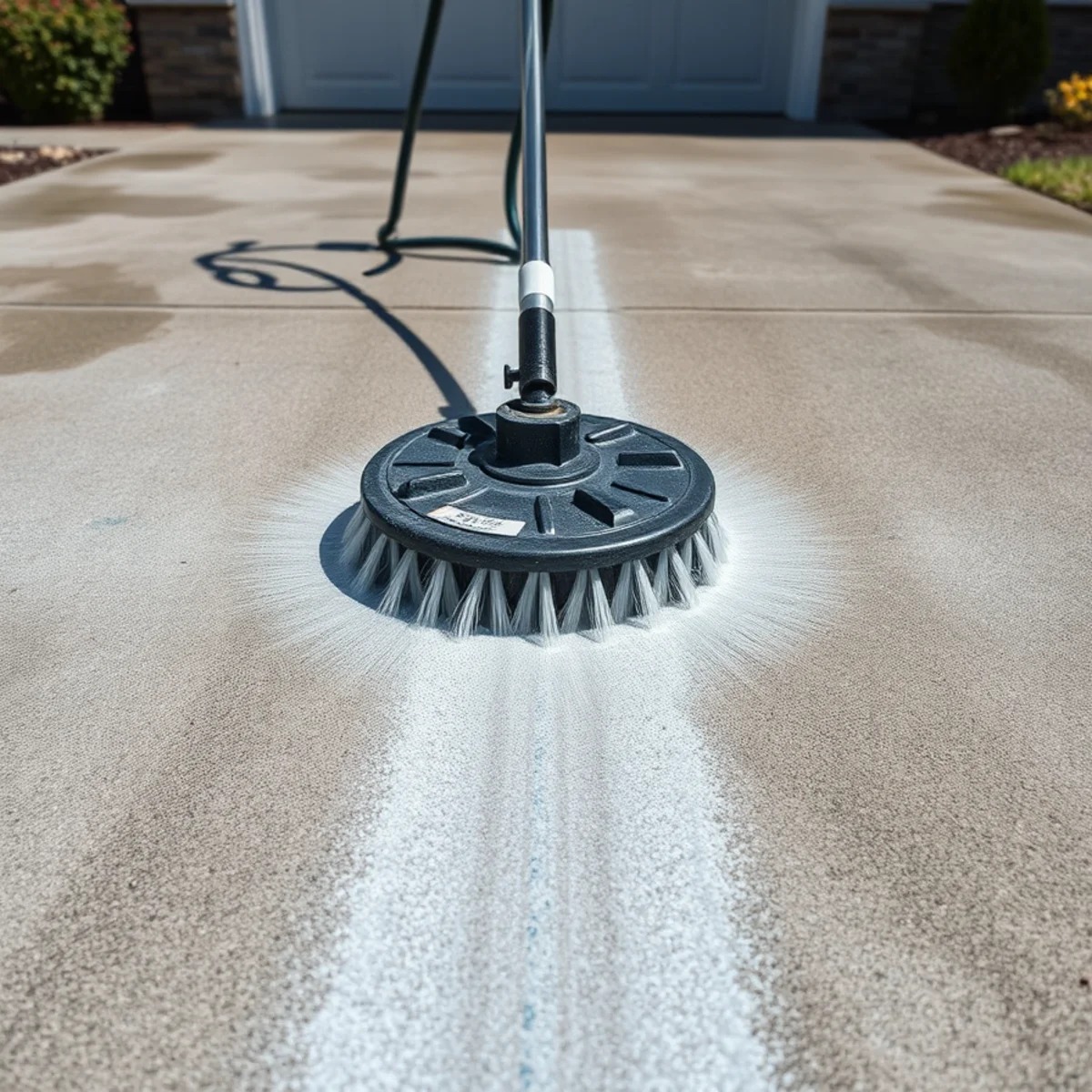
Driveway Cleaning
Expert Massachusetts driveway cleaning for concrete, asphalt, pavers and brick, removing oil, algae, moss and road salt safely.
Read More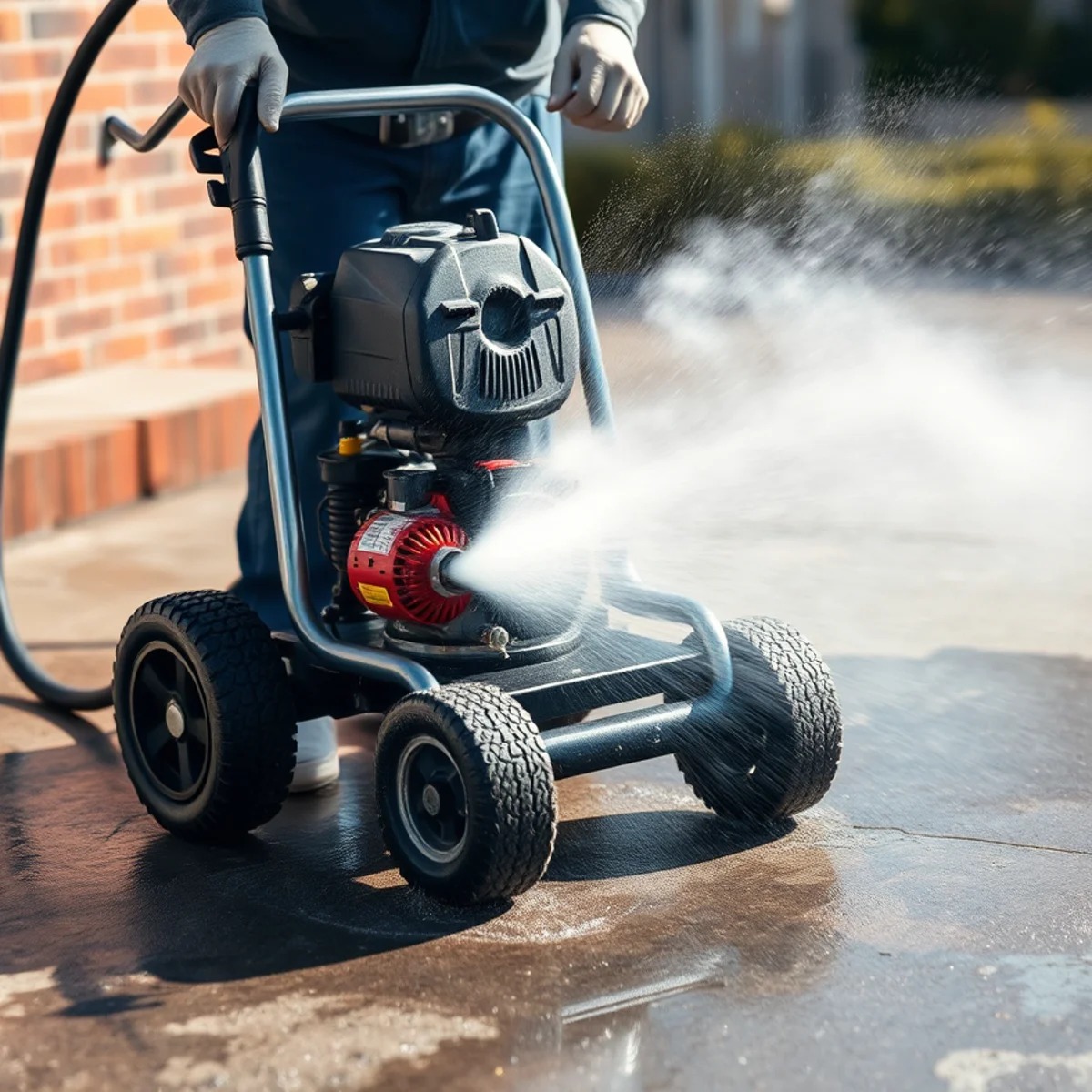
Hot Water Pressure Washing
Truck-mounted hot water pressure washing across Massachusetts that emulsifies grease, oil, gum, and sap on concrete and commercial flatwork.
Read More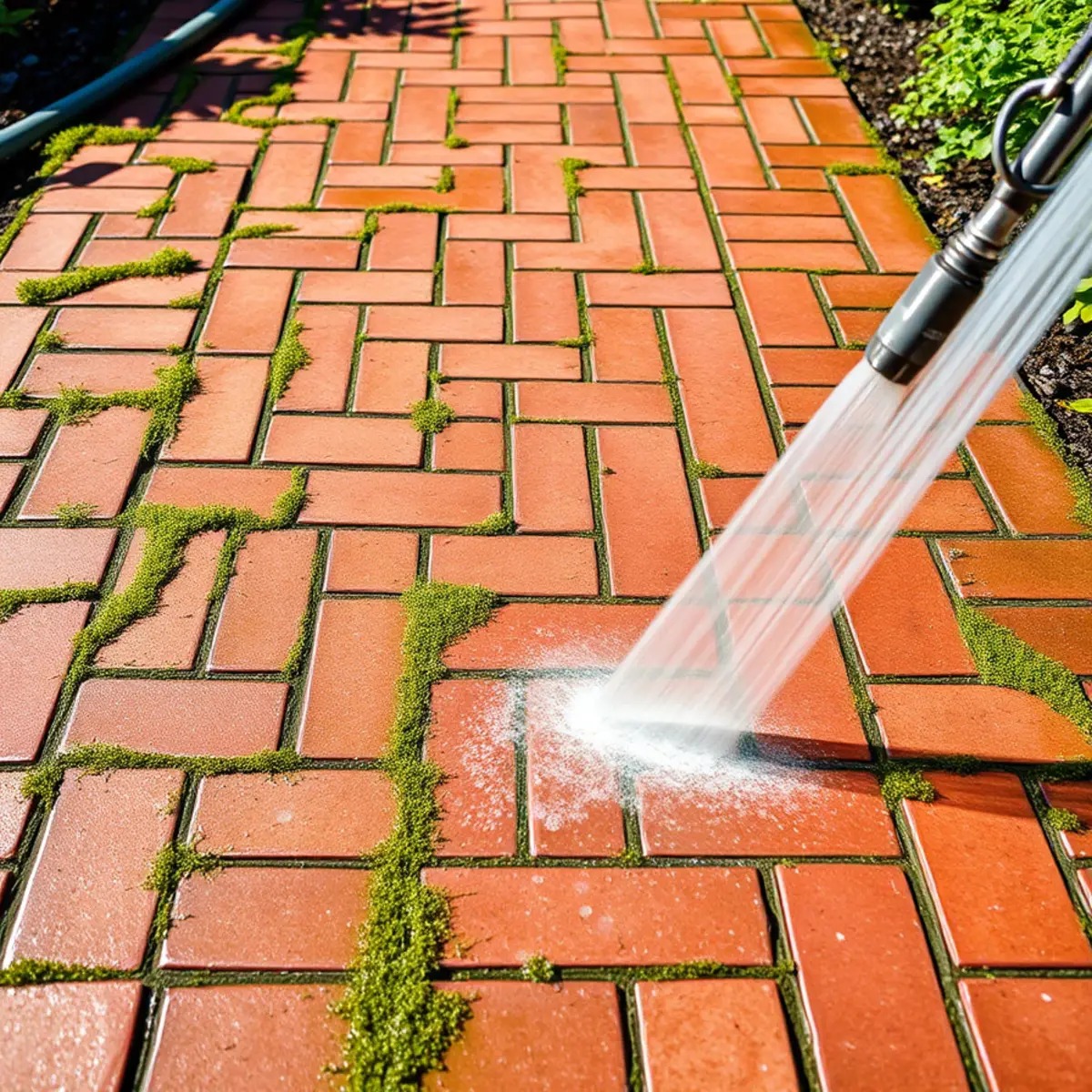
Paver Cleaning
Professional paver cleaning, re-sanding, and sealing across Massachusetts. Soft-wash chemistry that protects joints and stone, not high-PSI blasting.
Read MoreReady to Schedule Power Washing?
Contact Wash Bros today for a free power washing estimate anywhere in Massachusetts.