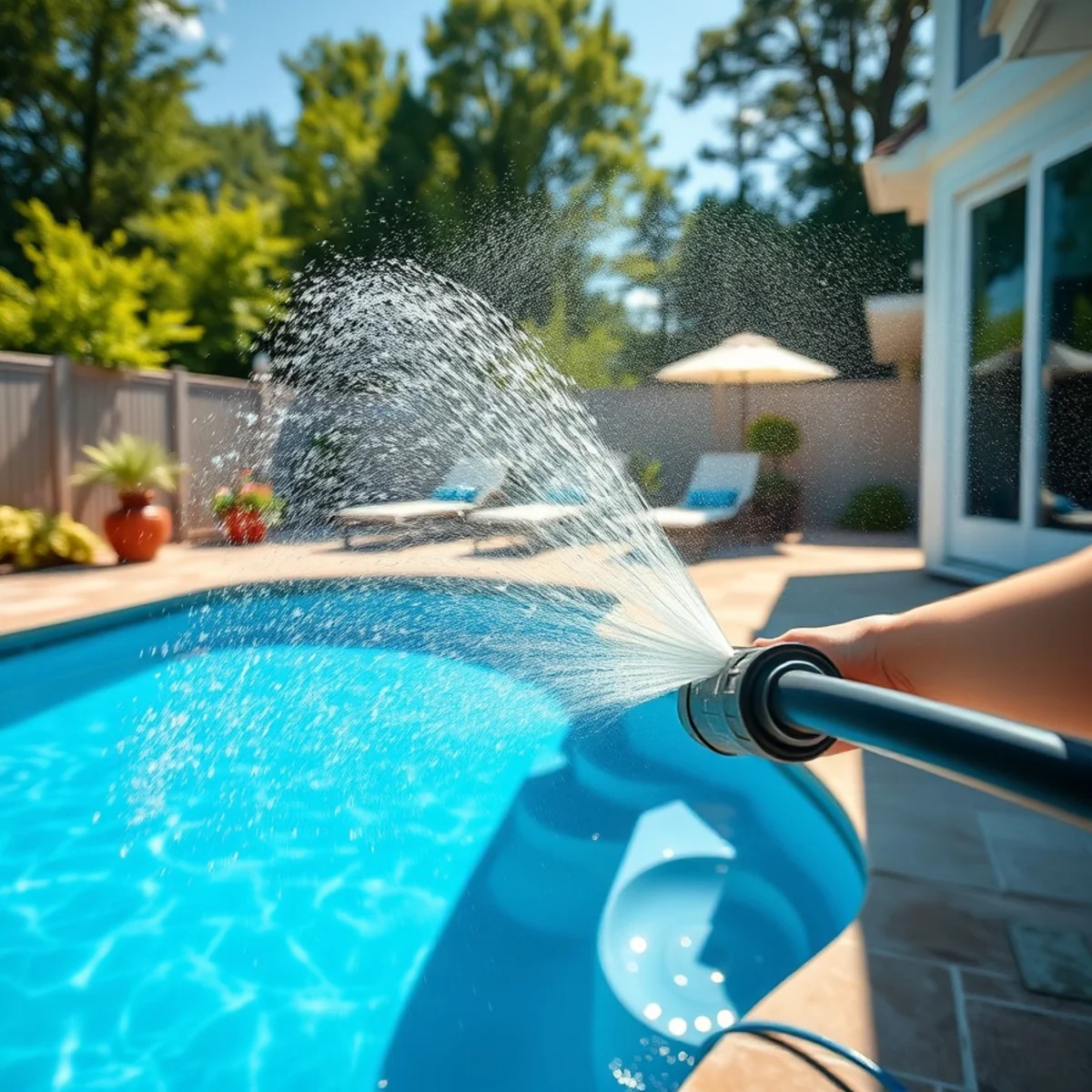
A Massachusetts guide to pressure washing patios and pool decks: exact PSI by surface, soft-wash vs pressure, stain removal, and summer timing.
Summer is when your patio and pool deck finally earn their keep, so a clean, slip-free surface matters more in June than at any other point on the calendar. This guide gives Massachusetts homeowners the specifics most articles skip: exact PSI and nozzle numbers by surface, separate playbooks for patios and pool decks, and the New England timing that keeps stone and concrete looking right from Memorial Day through Labor Day.
Why Summer Is the Ideal Time to Pressure Wash in Massachusetts
By the time warm weather settles in, your hardscape has survived a long winter and a damp spring. Road salt, snowmelt, the freeze-thaw cycle, and weeks of tree pollen leave patios dull and pool decks coated in a thin, slick film. That film is mostly algae, mildew, and organic debris, and it does more than look bad. It holds moisture against the surface and it turns wet stone into a slip hazard.
The Massachusetts pool season is short. Roughly Memorial Day through Labor Day is your window, so cleaning early maximizes the weeks you actually get to enjoy a safe surface. Summer also gives you the one thing spring and fall cannot reliably deliver: warm, dry, rain-free stretches. Warm air lets cleaning solutions dwell and work, and it dries surfaces fast so you can re-sand, seal, and walk barefoot again without a multi-day wait.
There is a practical scheduling angle too. Wash one to two weeks before a July 4th cookout or a backyard party and the surface looks its best when guests arrive, with enough cure time for any sealer to set. Get ahead of growth now and you are not fighting peak algae in the humid heat of August.
What Builds Up Over a New England Summer
Knowing what you are removing tells you which chemistry to reach for. Pressure alone does not solve most of this.
- Algae, mildew, moss, and lichen. New England humidity, frequent rain, and shaded tree cover feed organic growth. This is the green film and black mildew that make surfaces slick. Pressure knocks off the visible layer, but biodegradable surfactants are what actually kill the roots so it stays gone.
- Pollen and leaf tannins. Spring oak and maple pollen settles into concrete texture and lingers into early summer. Fallen leaves leave brown tannin stains that a garden hose will not touch.
- Chlorine and saltwater residue. Splash-out from the pool dries and leaves chemical residue on the deck. Saltwater pools and coastal salt air add corrosive salt deposits that work into concrete and grout.
- Grill grease and BBQ splatter. Cookout season means grease spots on the patio near the grill, which need a degreaser rather than brute force.
- Suntan lotion and body oils. These soak into porous stone and concrete around the pool and turn into stubborn dark blotches over the summer.
Patio vs. Pool Deck: Why They Need Different Approaches
People lump these together, but they are different jobs. A patio is usually farther from water, often hosts the grill and dining furniture, and collects grease, food, pollen, and general foot traffic. You can be more aggressive with chemistry and pressure on a typical concrete or paver patio.
A pool deck is wet constantly, walked on barefoot, and surrounds a body of water with carefully balanced chemistry. Three things change the rules:
- Slip safety is paramount. Bare feet plus standing water plus any leftover film is how injuries happen. The goal is a genuinely non-slip surface, not just a clean-looking one.
- The pool water, pump, and filter are vulnerable. Detergent runoff and debris that reach the water can throw off pool chemistry and clog the filter. Containment is not optional here.
- Pool decks are often softer materials. Travertine, flagstone, and other natural stone are common around pools precisely because they stay cooler underfoot, and they are easy to etch with too much pressure.
Treat the patio as a hardscape cleaning problem and the pool deck as a safety-and-containment problem, and you will make better decisions on both.
Know Your Surface Before You Start
The biggest mistake homeowners make is treating every surface the same. A setting that is fine for a concrete walkway will permanently scar softer material. Identify what you have first.
- Poured concrete. Durable and tolerant of higher pressure, but it still etches if you hold a narrow tip too close. Let chemistry do the work on stains.
- Concrete pavers and brick pavers. Common across eastern Massachusetts patios and pool surrounds. They clean beautifully, but aggressive pressure blasts out the joint sand, which leads to shifting pavers and weeds.
- Stamped concrete. Decorative and sealed. The sealer and the high points of the pattern are easy to dull or strip. Lower pressure, wider fan, more chemistry.
- Natural stone (travertine, flagstone, bluestone). Soft and porous. Travertine in particular is calcium-based and will pit under high pressure. These are soft-wash candidates.
- Brick. Historic Massachusetts brick is soft and the mortar joints are softer still. Keep pressure low to avoid blowing out mortar.
- Wood decking. Pressure-treated and cedar boards tear and fur easily. The grain raises into a splinter-prone surface if you get aggressive.
- Composite and Trex. Capped composite resists stains but the surface can still gouge and fuzz. Manufacturers cap the recommended pressure low for a reason.
Recommended PSI and Nozzle Tips by Surface Type
Here is the quick-reference chart almost no competing article will give you. PSI is the pressure; the nozzle tip controls the spray angle and therefore how concentrated that pressure hits the surface. Wider angle equals gentler. A 40-degree tip spreads the water out; a 15-degree tip concentrates it. Never use a 0-degree (red) tip on any of these surfaces, and keep the wand 12 to 18 inches off the surface as a starting distance.
| Surface | Target PSI | Nozzle tip | Notes |
|---|---|---|---|
| Poured concrete patio | 2,000–3,000 | 25° green | A surface cleaner attachment gives the most even result |
| Concrete / brick pavers | 1,200–2,000 | 25° green | Avoid the joint sand; re-sand after |
| Stamped concrete | 1,200–1,500 | 40° white | Protect the sealer; keep moving |
| Brick (historic) | under 400 | 40° white | Soft mortar blows out easily |
| Natural stone / travertine | under 1,200, often soft wash | 40° white | Calcium-based stone pits; test first |
| Wood deck | under 600 (cedar under 200) | 40° white | Go with the grain; furring is the risk |
| Composite / Trex | 500–1,000 | 40° white | Follow manufacturer cap; fan spray only |
Treat these as starting points. Always run a test spot in an inconspicuous corner, start at the lower pressure with the wider tip, and only step up if the surface is unharmed and the dirt will not budge. The key message in this trade holds here: you rarely need more pressure, you need the right chemistry and the right dwell time.
Pressure Washing vs. Soft Washing on Pool Decks
Matching method to surface is what separates a clean result from an expensive repair.
Pressure washing uses higher-pressure water and suits hard, durable surfaces: poured concrete patios, brick, and many concrete-paver installations. It excels at lifting ground-in dirt, dried mud, and surface staining.
Soft washing uses low pressure (think a garden-hose-like rinse) paired with cleaning solutions that kill algae, mold, and mildew at the root. It is the correct call for travertine, flagstone, wood, composite, painted surfaces, and anything sealed. Because it treats the biology, the surface stays clean longer.
Use this decision framework for a pool deck:
- Soft wash if the deck is natural stone, travertine, sealed/stamped concrete, wood, or composite, or if the main problem is living organic growth (green film, black mildew, moss).
- Pressure wash (within the chart above) if the deck is bare poured concrete or sturdy concrete pavers with ground-in grime rather than just biological staining.
- Combine both on many real decks: soft-wash the whole surface to kill growth, then use measured pressure only on stubborn grease or traffic stains.
Step-by-Step: How to Pressure Wash a Patio Safely
- Clear and protect. Remove furniture, planters, grills, and toys. Pre-soak surrounding plants with plain water and cover sensitive landscaping.
- Dry sweep. Clear loose leaves, dirt, and debris so the wash is even and faster.
- Pre-treat. Apply a cleaner matched to the surface and staining. For grill grease, use a degreaser. Let it dwell, but do not let it dry out in the sun.
- Work top to bottom, in sections. On a sloped patio, start high so dirty runoff flows away from cleaned areas.
- Keep the wand moving. Hold a steady 12 to 18 inches and use smooth, overlapping feathering strokes. Stopping in one spot or changing distance leaves wand marks and "zebra striping."
- Rinse thoroughly. Flush all detergent and loosened debris so nothing dries back onto the surface.
- Re-sand and seal later. Replace joint sand on pavers; plan sealing once the surface is fully dry (more on this below).
Step-by-Step: How to Pressure Wash a Pool Deck Safely
The patio steps apply, with pool-specific changes layered on.
- Protect the pool first. Where practical, keep the cover on, and physically block runoff and debris from reaching the water. This protects your pool chemistry, pump, and filter.
- Choose the gentler method. Default to soft washing for stone, travertine, and sealed surfaces. Reserve measured pressure for bare concrete.
- Use pool-safe, plant-safe chemistry. More on which detergents below; harsh chemistry near the water and your landscaping is a problem.
- Wash away from the pool. Direct your strokes and runoff toward deck drains or landscaping you have pre-soaked, never toward the water.
- Rinse and confirm traction. Once clean and rinsed, the surface should feel grippy, not soapy. Any residual film is a slip hazard.
- Check pool chemistry after. Even with containment, test and rebalance the water before swimming if any runoff may have reached it.
Safety First: Preventing Slips and Falls Around the Pool
A freshly cleaned pool deck should be safer, not slicker. Rinse until no detergent film remains, because leftover surfactant is slippery underfoot. Let the surface dry before heavy barefoot traffic. If your deck is smooth and you want extra grip, ask about a non-slip additive when resealing. And never run a pressure washer while standing in standing water or on a wet edge near the pool; the kickback on a wand is real, and a slip with a live trigger is dangerous.
Best Time of Day, Temperature, and Weather
New England weather makes timing matter as much as technique.
- Temperature window. Aim for roughly 50 to 80°F. You want overnight and daytime temps above about 50°F so surfaces dry and any sealer cures properly.
- Avoid direct midday sun above ~75°F. Hot sun dries cleaning solution before it finishes working and bakes streaks into the surface. Early morning or an overcast day gives the most even result.
- Pick a dry stretch. Plan for several rain-free days so the surface dries fully for re-sanding and sealing. Spring is too damp and unpredictable; that is a big reason summer wins.
- Morning vs. afternoon. Morning is usually better: cooler, lower sun, and a full day to dry before evening dew.
Cleaning Solutions Safe Around Pools, Plants, and Pets
You don't need more pressure; you need the right chemistry. But around a pool the chemistry has to be chosen carefully.
- Sodium hypochlorite (the active ingredient in soft-wash mixes) kills algae and mildew effectively but must be diluted correctly, applied at low pressure, and kept off landscaping and out of the pool.
- Sodium percarbonate / oxygenated bleach is a gentler, oxygen-based option that is friendlier to wood, plants, and the water, and a good choice for decks near established landscaping.
- pH-neutral and biodegradable cleaners with quality surfactants handle general grime and are the safest default around pets and gardens.
Whatever you use, pre-soak nearby plants with plain water, rinse them again afterward, and keep pets off the surface until everything is rinsed and dry. We lean on biodegradable surfactants and runoff awareness on every job, which matters most for Massachusetts homeowners with mature landscaping and anyone on well water.
Removing Specific Stains
- Algae and green film: a sodium hypochlorite or oxygenated cleaner with dwell time. Kill the root; do not just blast the top.
- Black mildew: same approach, longer dwell. Reapply on stubborn shaded areas rather than increasing pressure.
- Rust stains (from furniture feet or fertilizer): a dedicated oxalic-acid-based rust remover, not pressure, which only spreads it.
- Chlorine and saltwater residue: rinse thoroughly with fresh water and a pH-neutral cleaner; salt deposits dissolve with water more than with force.
- Suntan oil: a degreaser with dwell time to lift oil out of porous stone.
- BBQ grease: a degreaser first; hot water pressure washing is far more effective on grease than cold water at any pressure.
Protecting Landscaping, Pool Water, Pets, and People
Containment is the professional habit that separates a clean job from a costly one. Pre-soak and, where needed, tarp sensitive plantings. Direct runoff toward drains or pre-watered beds, never the pool. Keep cleaning solution out of the water so you are not buying chemicals to rebalance it and so you protect the pump and filter. Keep kids and pets off the deck until it is rinsed and dry. These are the same runoff-containment practices we follow on every property.
After You Wash: Re-Sanding and Resealing
Washing pavers almost always blasts some joint sand out of the seams, and that sand is what locks the pavers in place. Replacing it is not optional if you want the patio to stay flat and weed-free.
The correct sequence matters:
- Let it fully dry. Re-sanding and sealing both require a dry surface, which is another reason to pick a multi-day dry stretch.
- Re-sand the joints. Sweep fresh polymeric sand into the seams. Polymeric sand hardens when activated with a light mist, locking joints and resisting weeds and washout better than plain sand.
- Reseal. Once joints are set and the surface is dry, apply a paver or concrete sealant. Sealing repels grease, suntan oil, and salt, slows algae regrowth, and deepens color. On smooth pool decks, a non-slip additive in the sealer is worth it. See our paver cleaning approach for how this ties together.
How Often Should You Wash a Patio or Pool Deck?
For most Massachusetts homes, a thorough wash once a year keeps patios and pool decks in great shape, with early summer the natural time. Schedule a second touch-up later in the season if:
- The surface is heavily shaded by trees and grows algae quickly.
- You are near the coast and fighting constant moisture and salt air.
- You host often and want surfaces looking their best for events.
- The deck starts feeling slick underfoot, which is the clearest signal growth has returned.
Common Mistakes to Avoid
- Too much pressure on the wrong surface. The number one cause of permanent damage: etched concrete, furred wood, blown-out paver joints.
- Blasting out joint sand. A narrow tip held too close at the seams empties them in seconds. Keep the fan pattern wide and angled away from joints.
- Furring wood. Aggressive pressure raises and tears wood fibers. Stay low, go with the grain.
- Getting too close. Closer is not better. Hold 12 to 18 inches and let chemistry carry the load.
- Skipping the detergent. Water alone removes the stain but leaves the organisms, so growth races back.
- Cleaning in harsh midday sun. Streaks bake in.
- Ignoring the pool. Letting chemicals drift into the water costs you in rebalancing and filter strain.
DIY vs. Hiring a Professional in Massachusetts
A bare concrete patio is a reasonable DIY job if you respect the chart and own or rent the right tips. The calculus changes fast with an expensive paver pool deck, soft natural stone, a wood or composite surface, or a saturated organic problem in a shaded yard. Rented machines are powerful and unforgiving in unpracticed hands, and a single etched stamped-concrete deck costs far more to fix than a professional wash. When you hire out, choose a fully insured company that can provide a certificate of insurance and that matches method to surface rather than blasting everything at one pressure. Homeowners from Boston and the inner suburbs out to Worcester and down to the coast near Plymouth all share the same humid-summer pattern, so the value of getting it right is the same statewide.
Maintenance Between Washes
- Sweep and rinse regularly so debris and tannins do not stain.
- Move furniture feet and planters periodically to prevent rust and trapped moisture rings.
- Rinse pool splash-out off the deck so chlorine and salt do not build up.
- Keep tree limbs trimmed back to let shaded areas dry and slow algae.
- Wipe grill grease promptly before it soaks in.
Timing Your Wash Around Summer Events
Book the wash one to two weeks ahead of a July 4th cookout or backyard party. That gives time to clean, re-sand, dry, and seal with cure time to spare, so the surface looks its best and the sealer is set before foot traffic. Wash early in the season overall to lock in safe, clean use across the whole short New England pool season.
Wash Bros was founded in 2023 by brothers Louis and Dominic, and we have built our reputation across Massachusetts on doing exterior cleaning the right way, with the correct method and pressure for every surface. We are fully insured with a certificate of insurance available on request, and we hold a 5.0 average across 130 Google reviews. Ready for a cleaner, safer outdoor space this summer? Contact us for a free estimate or call +1 (351) 242-0666, and we will assess your patio and pool deck, recommend the right approach, and protect what matters.
Frequently Asked Questions
Need Professional Exterior Cleaning?
Wash Bros provides affordable, dependable pressure washing across Massachusetts. Get your free estimate today.
Get a Free Estimate