Rust Removal Services in Massachusetts
Professional rust removal from Wash Bros for Massachusetts homes and businesses — affordable, dependable, and designed to restore curb appeal safely.
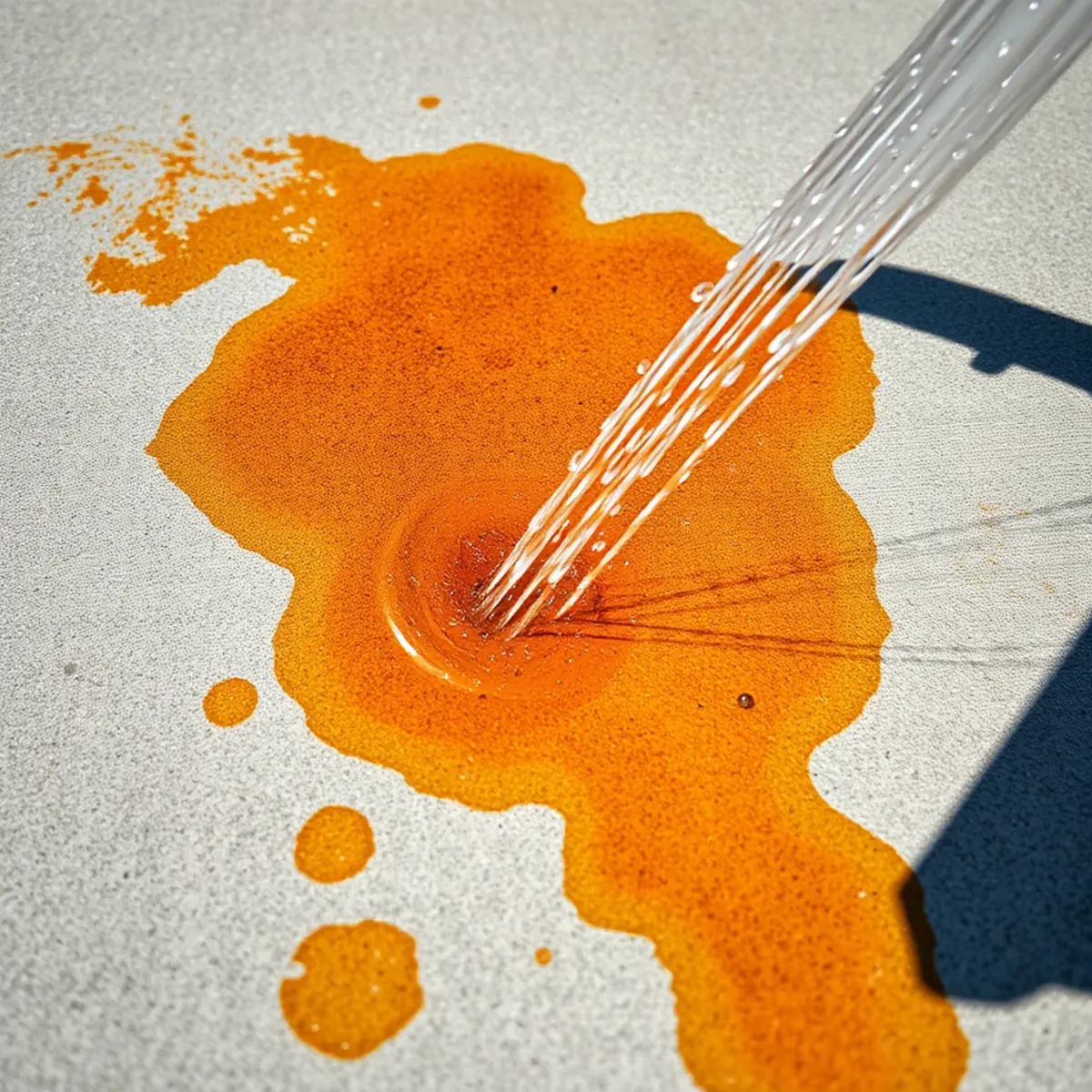
Those orange streaks bleeding across your concrete are not dirt, and they are not going anywhere on their own. You can run a pressure washer over a rust stain for an hour, burn through a tank of gas, and watch it sit there exactly as before. Worse, you may drive the pigment deeper into the pores and leave a permanent ghost. Rust is a chemical problem. It needs a chemical answer, applied by someone who knows the surface they are standing on.
That is the whole job. Wash Bros removes iron stains, fertilizer stains, and battery-acid stains from Massachusetts surfaces using a buffered, specialty rust remover and surface-appropriate technique, so the stain lifts instead of spreading.
What Is Professional Rust Removal & Why Pressure Washing Alone Won't Fix It
Rust is iron oxide. When ferrous iron from metal, fertilizer, or well water sits on a wet, porous surface and oxidizes, it bonds chemically into the concrete pores or the texture of brick, stucco, and vinyl. It is not resting on top like grime. It has reacted with the surface.
Pressure does not break a chemical bond. A surface cleaner and a high-PSI tip move dirt and biofilm, but they slide right over oxidation. Push hard enough to make a dent and you start eroding the cement paste itself, which etches the concrete and leaves a rougher, more stain-prone surface than you started with.
The fix is stain-neutralizing chemistry. A rust-dissolving agent reacts with the iron oxide, converts it to a soluble compound, and releases its grip on the surface. Then, and only then, does a controlled rinse carry it away. That is why a pro lifts rust that a rental machine cannot touch. You don't need more pressure. You need the right chemistry.
Common Causes of Rust Stains on Massachusetts Properties
Almost every rust stain we see in New England traces back to one of a handful of sources, and several are uniquely regional.
- Well water iron. Across rural and suburban Massachusetts, private wells pull iron-rich groundwater. Run that through a sprinkler and every pass leaves orange staining on driveways, fences, foundations, and siding. Irrigation rust and sprinkler rust streaks are one of the most common calls we get.
- Fertilizer. Iron-fortified lawn fertilizers are standard on New England lawns. Granules thrown onto a driveway or walkway, or fertilizer-laden runoff during the growing season, leave fast-spreading fertilizer stains.
- Rebar and embedded metal. Freeze-thaw cycles crack concrete and expose iron-rich aggregate and steel rebar beneath the slab. As that metal corrodes, rust bleeds up through the surface from the inside.
- Road salt and de-icing slurry. New England winters coat metal railings, fasteners, and hardware in corrosive salt. Come spring, those corroded fixtures bleed rust onto the concrete below.
- Metal furniture and fixtures. Patio chairs, umbrella stands, planters, grills, and AC condenser cages all leave rust rings where they sit.
- Battery acid. A leaking battery or a tipped charger drops sulfuric acid that reacts with concrete and leaves an aggressive orange battery acid stain.
Types of Rust & Metal Stains We Remove
Not all rust is the same, and the difference dictates the treatment.
Topical rust sits on the surface and has not had long to bond, like a fresh fertilizer splash or a furniture ring caught early. These release fastest.
Embedded rust has migrated into the concrete pores or masonry texture, typically from months or years of irrigation or a corroding rebar. It takes stronger chemistry and a longer dwell, sometimes a second coat.
Thin staining is light orange haze across a broad area, common with well-water overspray. Thick staining is concentrated and dark, like the pooled stain under a rusting iron post.
We also treat fertilizer staining, which spreads in irregular splatter patterns, and orange battery acid staining, which often combines a rust component with surface etching that has to be addressed honestly.
Surfaces We Treat
Iron does not care what it lands on, so we treat a wide range of substrates, each with its own protocol:
- Concrete driveways, walkways, and foundations
- Patio pavers and stamped or decorative concrete
- Brick and historic masonry
- Stucco and EIFS
- Vinyl siding, painted siding, and trim
- Pool decks and coping
- Asphalt
- Retaining walls, fences, and downspouts
- Commercial pads, loading areas, and dumpster enclosures
Rust removal pairs naturally with concrete cleaning, paver cleaning, and brick cleaning when you want the whole surface to read uniform instead of clean-with-a-stain.
Our Rust Removal Process, Explained
Every stain gets assessed first. We identify the source, judge whether the rust is topical or embedded, and read the surface so we can match chemistry to substrate. A vinyl panel and a stamped-concrete pool deck do not get the same treatment, and guessing is how amateurs cause damage.
From there we pre-rinse and soft wash the surrounding area so the rust remover works on the stain rather than fighting through loose dirt and biofilm. We pre-soak landscaping and stage runoff containment, because we are mindful of storm drains, well heads, and the plants you actually want to keep.
Then comes the specialty rust remover. We apply it with a pump-up sprayer for control, keeping it on the stain and off everything it does not belong on. We let it dwell. Dwell time is where the reaction happens, and it is not negotiable or rushable; too short and the bond holds, too long on the wrong surface and you invite trouble. As the product works, the orange visibly turns and lifts. We rinse with the gentlest effective pressure, evaluate, and apply a second coat to any stubborn embedded areas that need it. Deep stains sometimes need more than one pass, and we would rather tell you that up front than overpromise.
Why We Use a Specialty Rust Remover Instead of Muriatic or Oxalic Acid
The hardware-store playbook for rust is muriatic acid or straight oxalic acid. Both are blunt instruments. Muriatic (hydrochloric) acid is brutally aggressive; it eats cement paste, etches concrete, dulls the finish, and burns plants, skin, and lungs. Plain oxalic acid is gentler but still unbuffered, and used at the wrong strength it bleaches the surrounding surface and leaves a clean spot that looks as bad as the stain.
We use a buffered rust remover built for this work, in the family of professional products like F9 BARC. Buffered phosphoric-acid-based chemistry targets the iron oxide without stripping the cement paste, so it dissolves rust without etching the concrete or leaving a halo. It is biodegradable, it rinses clean, and it does not turn your driveway into collateral damage. The point of hiring a pro is not just the product; it is knowing the dilution, the dwell, and the surface limits cold.
Rust Removal vs. Standard Pressure Washing: What's the Difference
Standard power washing is mechanical. A surface cleaner and 2,000 to 3,000 PSI strip dirt, algae, and grime off concrete through force and water volume. That is the right tool for a dirty driveway, and it is a different job entirely.
Rust removal is chemical. The pressure washer is the smallest part of it; the rust remover does the actual work, and the rinse just clears the field. Run a power washer at a rust stain with no chemistry and you will scour the slab without touching the orange. That is the line between the two services, and it is why "I already pressure washed it and the rust is still there" is one of the most common things we hear.
Driveway & Concrete Rust Stain Removal
Concrete is the worst offender because it is porous and thirsty. Iron-laden water wicks into the pores and locks in. For driveway and concrete rust, we treat the stain chemically first, then we can follow with a full surface clean so the treated area matches the rest of the slab instead of standing out as a suspiciously clean patch. When the driveway needs both a stain treatment and a general refresh, we fold in driveway cleaning so you get one even result in one visit.
Removing Rust Streaks From House Siding, Gutters & Downspouts
Vinyl and painted siding need a completely different hand than concrete. Siding gets a soft wash, low-rinse approach at 100 to 500 PSI, never a high-pressure blast that forces water behind the panels. Rust streaks here usually come from corroding gutter brackets, fasteners, vents, and downspouts, or from sprinkler overspray hitting the lower courses. We apply the rust remover by hand, control the dwell, and rinse gently so we lift the streak without warping or driving water into the wall. This dovetails with vinyl siding cleaning and soft washing when the whole exterior needs attention.
How Much Does Rust Removal Cost in Massachusetts
Honest answer: it depends, and anyone quoting a flat number sight-unseen is guessing. Rust removal is typically priced by the square footage of the affected area and the severity of the staining, not by a one-size figure. The factors that move the price are straightforward:
- Stain severity and depth. Light topical staining costs less than deep embedded rust that needs multiple coats.
- Surface type. Delicate vinyl, historic brick, and decorative concrete take more care and time than a plain slab.
- Total area. A single fertilizer splash on a front walk is a small job; rust across an entire driveway or a commercial facade is not.
- Source remediation. If a corroding fixture or a sprinkler is still feeding the stain, addressing the cause adds scope.
- Number of treatments. Embedded rust that needs a second or third pass costs more than a stain that releases on the first coat.
We quote after we see the stain, so the number is real. No mystery line items, no bait pricing.
How to Prevent Rust Stains From Coming Back
Removing the stain is half the battle. Keeping it gone means cutting off the source.
- Adjust your irrigation. Re-aim sprinkler heads so they water the lawn, not the driveway, fence, or siding. If your well water is iron-rich, an iron filter on the system pays for itself in saved surfaces.
- Move the metal. Get furniture, planters, grills, and metal stands off bare concrete, or put them on pads. No metal contact, no rust ring.
- Seal porous concrete. A quality concrete sealer fills the pores so iron-laden water can't soak in and bond, making future stains far easier to rinse off.
- Fertilize carefully. Sweep stray fertilizer granules off hard surfaces before they get wet, and keep iron-fortified products off the driveway.
- Fix the rust at the source. Replace or treat corroding railings, brackets, and fasteners before spring road-salt season turns them into stain factories.
Can Rust Stains Be 100% Removed? Setting Realistic Expectations
Here is the honest part most companies skip. Most rust comes out beautifully, often to the point where you cannot tell it was ever there. Topical and moderate stains routinely clean up to near-total removal.
But deeply embedded rust that has lived in concrete for years, or staining that arrived alongside surface etching from battery acid, may not return to a perfect factory white. On those, realistic results land in the 80 to 100 percent range, with a dramatic improvement that reads clean from any normal viewing distance. We will tell you which category your stain falls into before we start. We would rather set the right expectation than sell you a miracle and disappoint you.
Residential vs. Commercial Rust & Battery Stain Removal
For homeowners, rust work is usually about curb appeal and pre-sale prep: driveways, walkways, pool decks, siding, and the front of the house. It is exactly the kind of thing buyers notice and inspectors flag.
Commercial properties bring volume and different contaminants. Loading docks, parking structures, fleet yards, and industrial pads collect battery acid stains, heavy fertilizer runoff from landscaped islands, and rust from equipment and railings. The chemistry is the same family, but the scale, scheduling, and access planning change. We handle both, and commercial pressure washing clients often bundle rust treatment into a broader exterior maintenance plan.
Why Choose Wash Bros for Rust Removal in Massachusetts
Wash Bros is a local, family-run operation, started by brothers Louis and Dominic in 2023, with a 5.0 average across 130 Google reviews. We are fully insured, and a certificate of insurance is available on request. We are not an out-of-state franchise routing your call to a dispatcher three states away; we load the rig here and we know New England surfaces because we clean them every week.
That matters with rust specifically. The wrong product or too much pressure leaves damage that costs more to fix than the original stain. We bring buffered chemistry, surface-correct technique, runoff and landscaping awareness, and a satisfaction-focused approach to every job.
Service Areas We Cover Across Massachusetts
We provide rust and metal-stain removal across the state, from inland well-water country to the salt-air coast. That includes Worcester, Boston, Cambridge, Quincy, and Plymouth, along with Worcester County, Middlesex County, the South Shore, Cape Cod, and the New Bedford area. If you are in Massachusetts and you have an orange stain, we can get to it.
Get a Free Rust Removal Estimate
Rust does not improve with age. The longer iron sits on a wet, porous surface, the tighter it bonds and the harder it is to lift, so spring and early summer, before the short New England outdoor season gets away from you, is the time to deal with it.
Stop spreading the problem around with a pressure washer and let us treat it at the source. Call Wash Bros at +1 (351) 242-0666 for a free, no-pressure rust removal estimate, and watch those orange stains lift for good.
Problems We Solve
- Orange rust streaks bleeding across your concrete driveway, walkway, or pool deck that a garden hose won't touch
- Rust stains from sprinklers spraying iron-rich well water onto driveways, fences, and siding
- Fertilizer stains splattered across walkways during the New England growing season
- Rust runoff from corroding gutter brackets, downspouts, railings, and metal furniture marking vinyl siding and brick
- Aggressive orange battery acid stains and rebar bleed that keep coming back
- A pressure washer that scoured the surface but left the rust exactly where it was
Our Cleaning Process
- 1
Inspect the surface and identify problem areas
- 2
Protect nearby landscaping, fixtures, and finishes
- 3
Apply the correct cleaning method for the surface
- 4
Wash and rinse thoroughly with professional equipment
- 5
Final quality check and walkthrough with you
Why Choose Wash Bros
- Affordable, upfront pricing
- Dependable scheduling
- Experienced exterior cleaning team
- Surface-safe process, every job
- Residential & commercial options
- 5.0 stars across 130 reviews
Rust Removal Across Massachusetts
We provide rust removal in 351 Massachusetts cities, including:
Rust Removal FAQs
Related Services
Concrete Cleaning
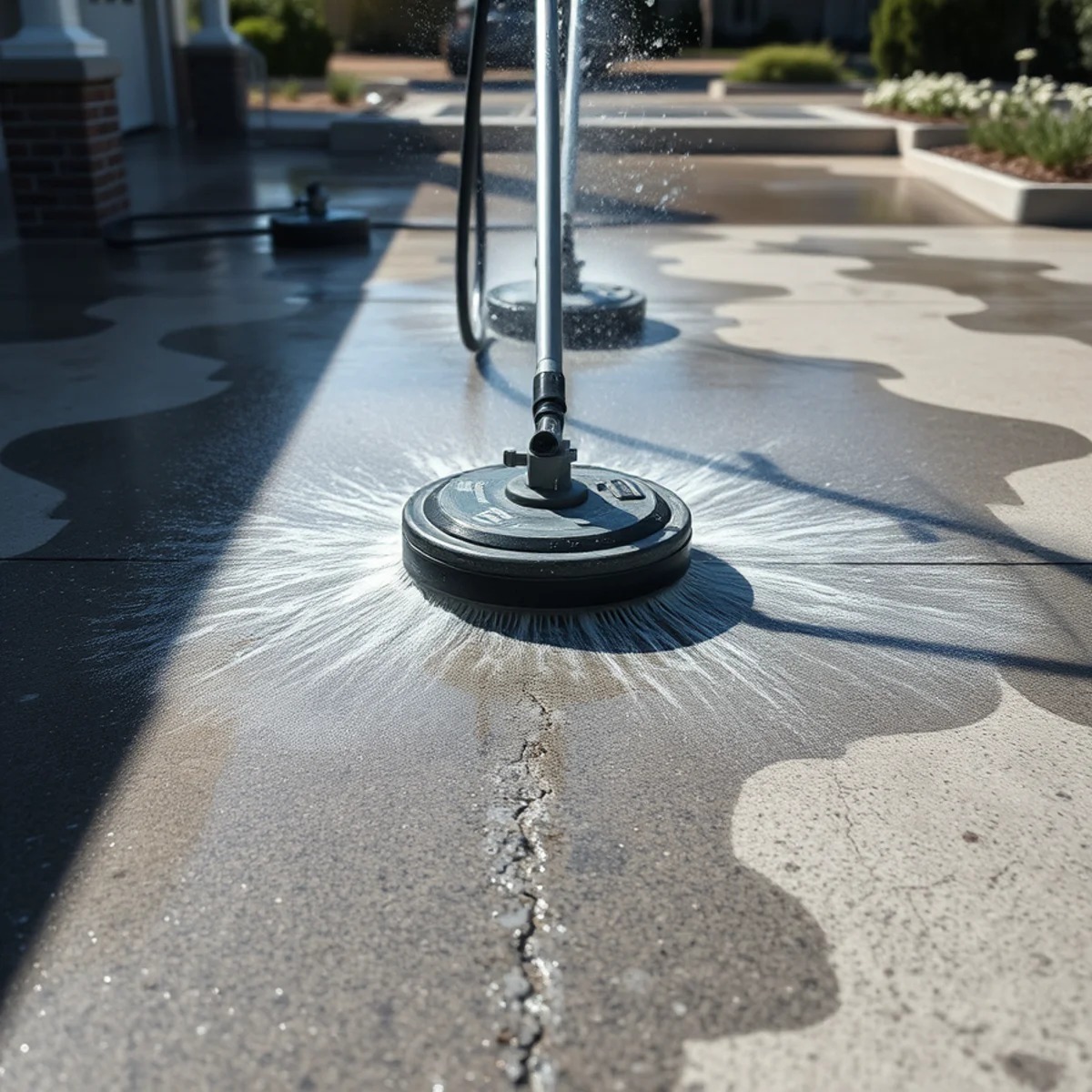
Expert concrete cleaning in Massachusetts: surface-cleaner flatwork, hot-water degreasing, and chemistry that removes salt, algae, oil, and efflorescence.
Read More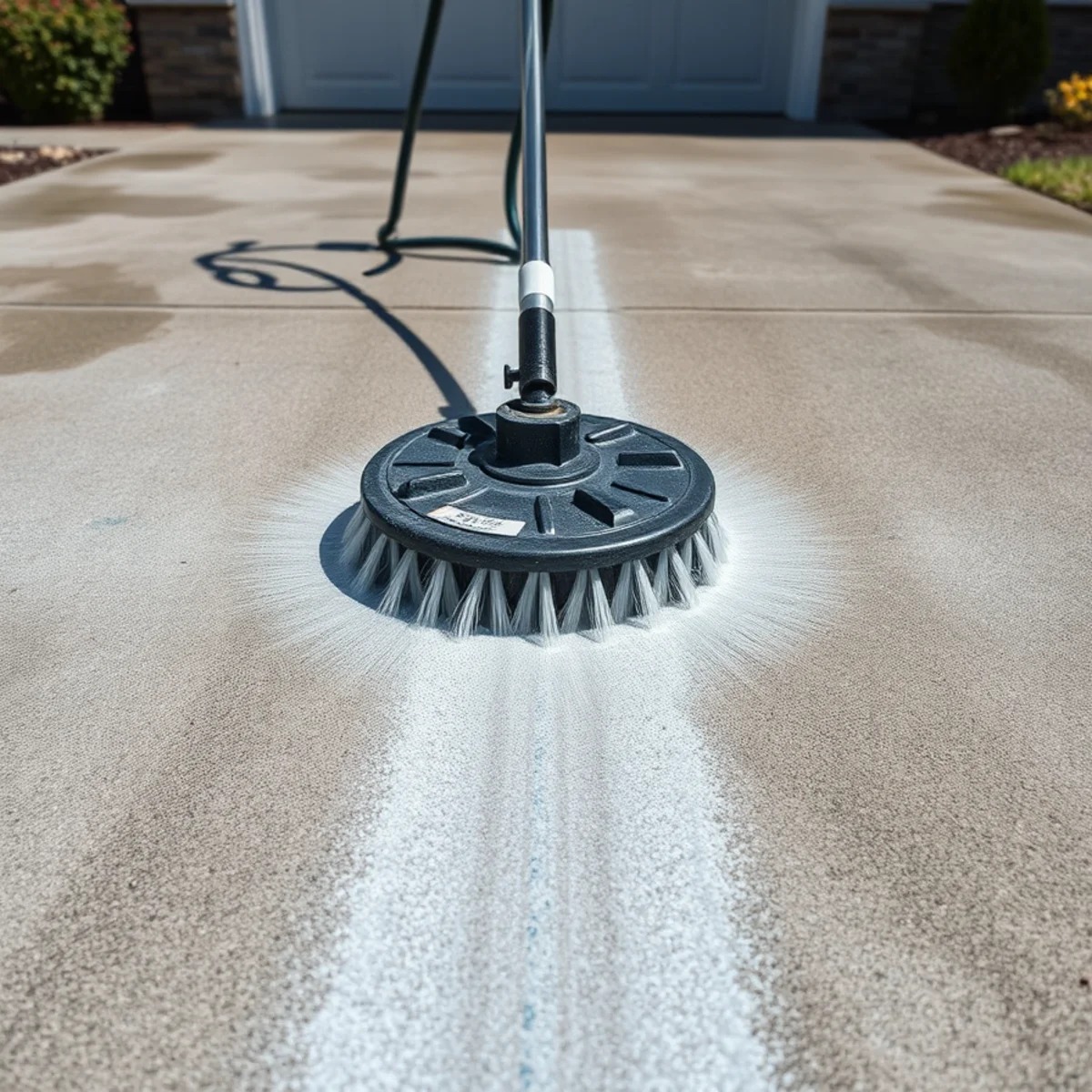
Driveway Cleaning
Expert Massachusetts driveway cleaning for concrete, asphalt, pavers and brick, removing oil, algae, moss and road salt safely.
Read More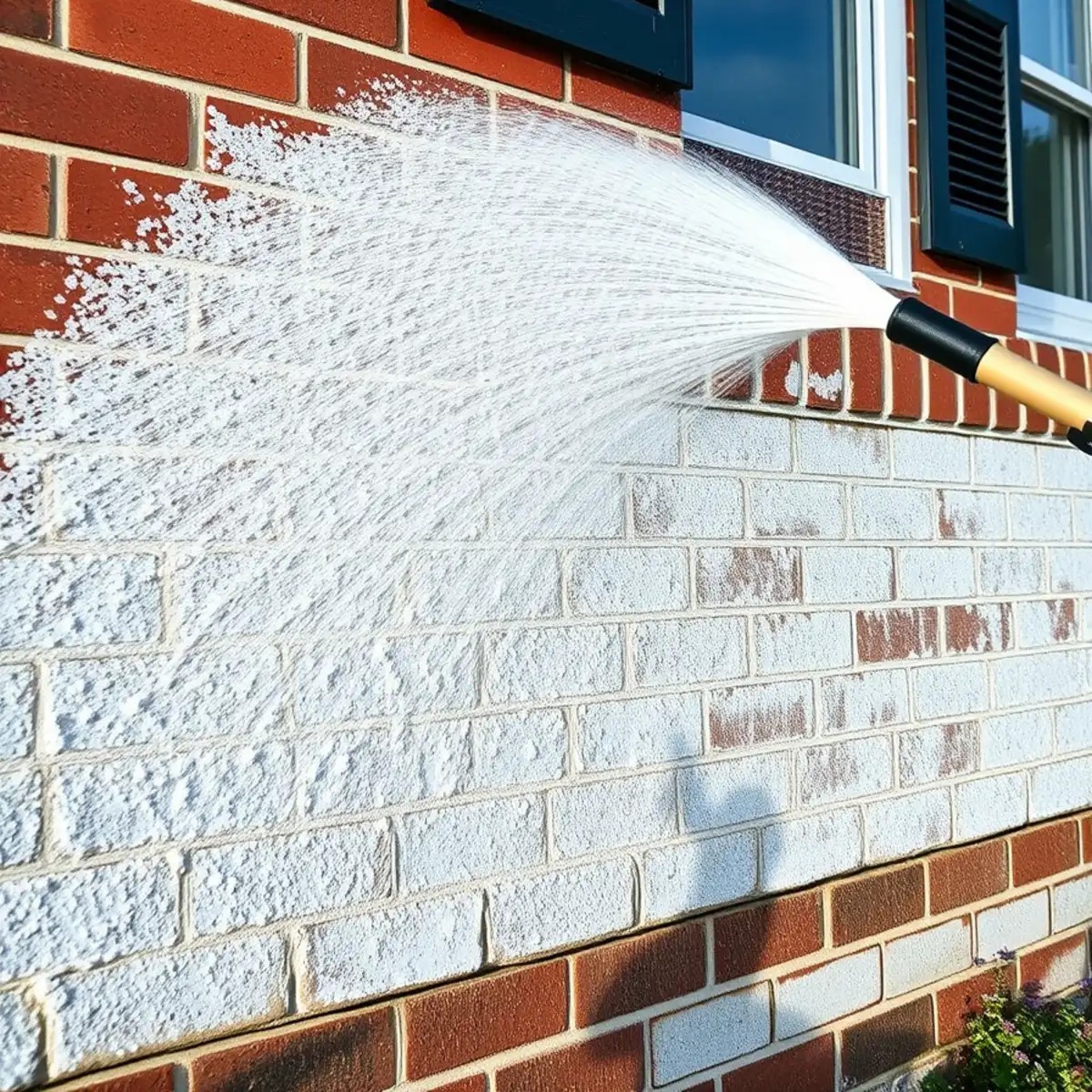
Efflorescence Removal
Wash Bros removes the white salt bloom from brick, pavers, and foundations with acid-free, low-pressure methods built for Massachusetts masonry.
Read More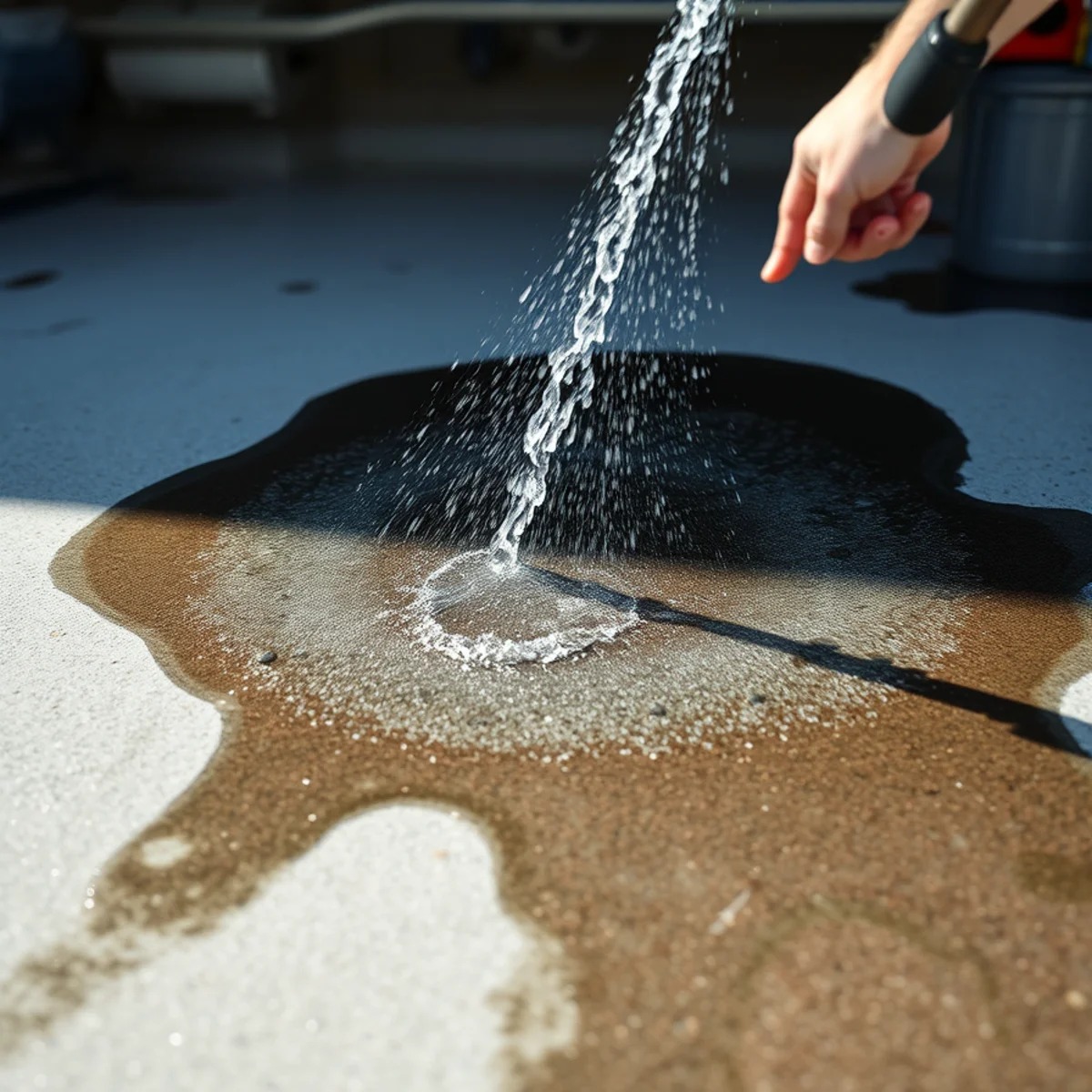
Oil Stain Removal
Hot-water degreasing that lifts motor oil, grease, and fuel stains out of MA concrete, pavers, and asphalt, not just over them.
Read More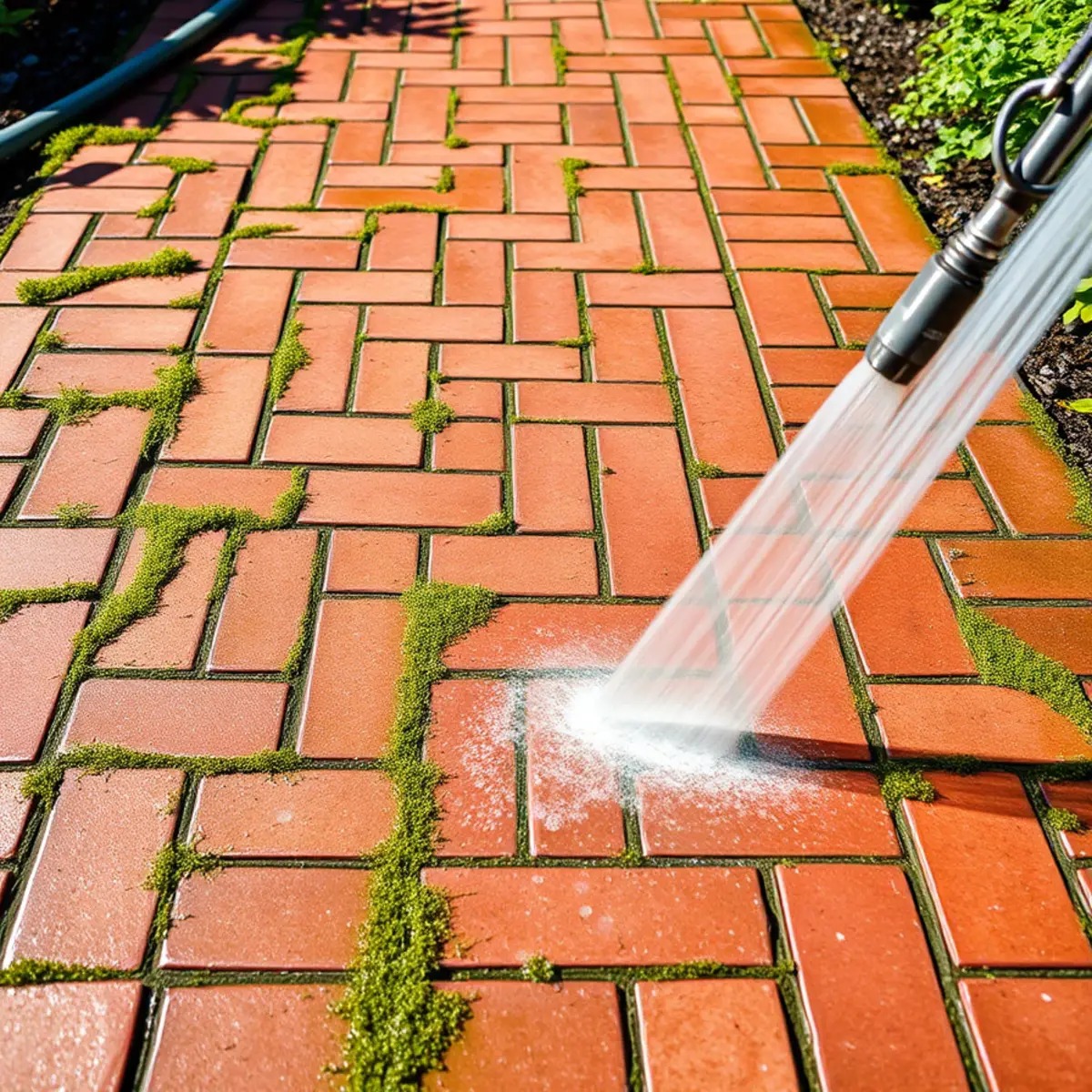
Paver Cleaning
Professional paver cleaning, re-sanding, and sealing across Massachusetts. Soft-wash chemistry that protects joints and stone, not high-PSI blasting.
Read MoreReady to Schedule Rust Removal?
Contact Wash Bros today for a free rust removal estimate anywhere in Massachusetts.