Patio Cleaning Services in Massachusetts
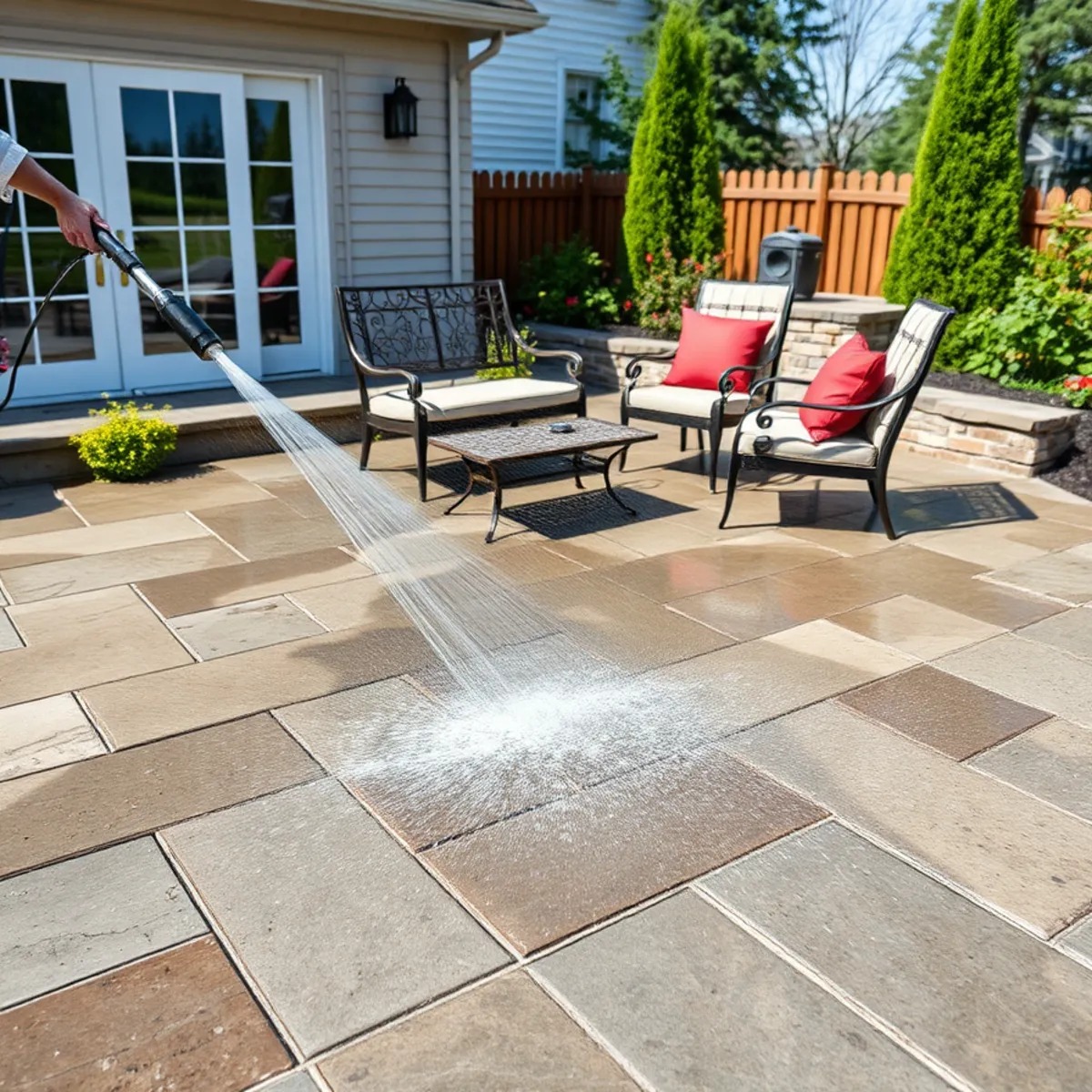
Professional patio cleaning from Wash Bros for Massachusetts homes and businesses — affordable, dependable, and designed to restore curb appeal safely.
Your patio should be where you unwind on a warm New England evening. Instead, it has gone slick and green, the seams between the pavers are dark with moss, and there is a film that turns greasy underfoot the moment it rains. That film is not just ugly. It is a fall waiting to happen, and the same organic growth that makes it slippery is also holding moisture against the stone, feeding the slow damage that Massachusetts winters finish off.
Here is the hard truth most homeowners learn too late: a dirty patio does not stay the same, it gets worse. Algae spreads. Moss roots deeper into the joints. Water that should run off instead soaks in, then freezes, then expands. By the time the surface looks bad enough to act on, the freeze-thaw cycle has often already started lifting and spalling the stone.
We fix that. Wash Bros restores paver, bluestone, flagstone, brick, and concrete patios to a clean, even, slip-resistant finish using surface-appropriate pressure and biodegradable chemistry that kills growth at the root. We are a family-run company, started in 2023 by brothers Louis and Dominic, fully insured, with a certificate of insurance available on request and a 5.0 average across 130 Google reviews.
Professional Patio Cleaning in Massachusetts: Curb Appeal and Safety
A clean patio reads as a cared-for home. It is the first thing guests notice in the backyard and one of the details buyers weigh during a walkthrough. But the case for cleaning is bigger than appearances.
The black and green you see is living. Algae, mildew, and moss are organic colonies, and they make stone genuinely dangerous when wet. A patio you used to cross without thinking becomes a slip hazard for kids, older relatives, and anyone carrying a tray of food. Cleaning is not cosmetic maintenance. It is the difference between a surface that sheds water and dries fast and one that stays damp, slick, and degrading.
Done right, patio cleaning restores curb appeal, removes the slip hazard, and extends the life of the hardscape you paid good money to install. Done wrong, it strips joint sand, etches the surface, and leaves wand marks you cannot undo. The method matters more than the muscle.
Patio Surfaces We Clean
Every patio material has its own porosity, hardness, and tolerance for pressure. A poured slab and a piece of antique bluestone could not be more different, and treating them the same is how amateurs cause damage. We clean and tailor our approach to each of these:
- Concrete pavers and interlocking pavers — the most common patio surface in Greater Boston. Durable, but the sanded joints are vulnerable to careless pressure.
- Brick and clay pavers — porous and prone to organic staining; older clay brick needs gentler handling than modern concrete brick.
- Bluestone — a New England classic. Beautiful, but reactive. We never put bleach-heavy mixes or aggressive pressure on bluestone; the wrong chemistry can blotch and lighten it permanently.
- Flagstone and natural stone — irregular, often older, with soft mortar joints that demand low pressure and a careful hand.
- Travertine pavers — popular around pools and patios; porous and easily etched, so chemistry and rinse technique matter.
- Cobblestone and granite cobblestone — tough stone, but the deep mortar and sand joints trap moss and weeds that need pre-treatment, not blasting.
- Porcelain pavers — dense and stain-resistant, but slippery when filmed over; they clean up beautifully with low pressure.
- Stamped and colored concrete — the decorative surface coat and color hardener are the weak point. Too much PSI burns through the finish and exposes raw gray concrete.
If you are unsure what you have, that is fine. Identifying the material correctly is the first thing we do on site, and it dictates everything that follows.
Pressure Washing vs. Soft Washing for Patios
This is the question that separates a lasting clean from a quick rinse that greens up again in a month.
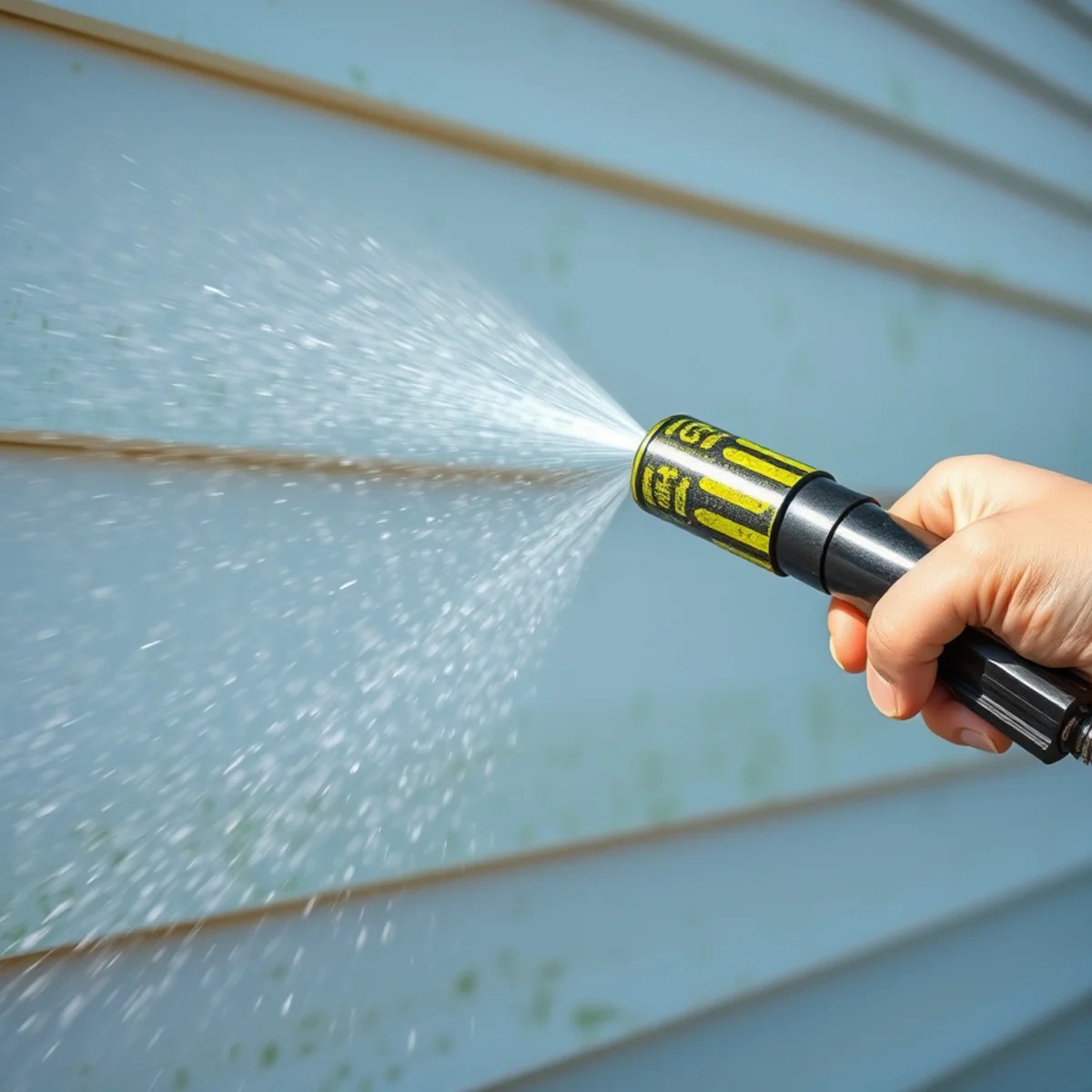
Soft washing uses low pressure and biodegradable surfactants to kill organic growth at the root. This is the correct method for porous and reactive surfaces: bluestone, flagstone, natural stone, older brick, and anything that stains or etches easily. The key message we give every customer is simple: you do not need more pressure, you need the right chemistry. Pressure does not kill algae or moss spores; it just blows the visible film off the top while the roots survive in the pores and joints. Biodegradable surfactants kill the organism, so the green stays gone far longer. Learn more about our soft washing approach.
Power washing with a surface cleaner has its place too, mainly on hard, non-decorative concrete patios and concrete pavers where the goal is to lift embedded dirt evenly. For reference, a concrete driveway or slab tolerates 2,000 to 3,000 PSI through a surface cleaner attachment. A delicate paver patio with sanded joints does not. Historic brick should never take direct high spray and stays under roughly 400 PSI with a soft-wash-first approach.
The practical rule: we lead with chemistry, then apply only as much controlled pressure as the specific surface can take. For most patios, that means a soft wash to treat the growth and a low-pressure, even rinse to lift the loosened grime, often through a surface cleaner that spreads the force across a wide path instead of concentrating it through a narrow wand.
How Patio Cleaning Actually Works
The visible part of the job is the rinse. The part that makes results last is everything that happens before it.
We start by protecting the surroundings. Landscaping gets a pre-soak so detergent does not concentrate on roots, and we stay aware of runoff, storm drains, and well water on rural properties. Then we identify the material and mix chemistry to match it, dialing biodegradable surfactants strong enough to kill the growth but gentle enough not to blotch stone or strip color hardener.
The cleaning solution goes down first and gets dwell time. This is where the actual killing of algae, mildew, moss, and lichen happens, down in the pores and joints where pressure alone cannot reach. Only after the growth is neutralized do we wash, using low pressure or a surface cleaner sized to the patio so the result is even, with no zebra striping, no gouged mortar, and no sand blown out of the joints. We finish with a controlled rinse that carries the loosened contaminants off the surface cleanly.
On sanded paver patios, we protect the joints throughout and, when cleaning has thinned or displaced the joint sand, we recommend re-sanding and sealing as a follow-up to restore stability. That clean-then-restore sequence is what protects the installation, not just its looks.
What Patio Cleaning Removes
A New England patio collects a long list of contaminants, and we treat all of them:
- Moss, algae, lichen, mildew, and mold — the slippery organic growth that thrives in shade and damp
- Weeds growing between pavers — pulled and treated, with re-sanding to discourage regrowth
- Black spots and organic staining — including the stubborn lichen specks that grip natural stone
- Dirt, pollen, and leaf tannin stains — the yellow-green spring pollen coat and the dark tannins that autumn leaves soak into porous pavers
- Rust stains — from furniture feet, fertilizer, and metal fixtures
- Oil and grease stains — from grills and equipment, addressed with targeted degreasing
- Efflorescence — the chalky white mineral haze that surfaces on pavers and brick, especially after winter
- Road salt and de-icer residue — tracked across patios all winter and best removed each spring
For heavier biological problems we also offer dedicated moss and lichen removal and efflorescence removal.
Why Pressure Washing Pavers Requires the Right PSI and Nozzle
This is where rented-machine jobs go wrong.
A paver patio is held together by what is in the joints. Polymeric or joint sand locks the units in place and keeps them from shifting and tilting. Hit that joint with too high a PSI or too tight a nozzle tip, and the sand blows out in seconds. Now the pavers are loose, water gets underneath, and the whole field starts to wander.
The damage does not stop at the joints. A narrow-angle nozzle held close to the surface etches concrete pavers, burns through the color layer on stamped concrete, and strips the face off soft clay brick. Those marks are permanent.
Doing it right means a wider fan spray, the correct nozzle tip, adequate distance, and pressure matched to the material, usually delivered through a surface cleaner so the force is spread evenly across the path rather than concentrated in one screaming jet. It also means knowing when to back the pressure off entirely and let the chemistry do the work, which on bluestone and natural stone is most of the time.
Re-Sanding With Polymeric Sand After Cleaning
Cleaning a paver patio properly will move some joint sand, and on patios that were already low on sand, the cleaning simply reveals a problem that was already there. Either way, the fix is the same: re-sand the joints.
We refill with polymeric sand, which binds when activated with water and sets up firm in the joint. That firm joint does real work. It stabilizes the pavers so they stop rocking and shifting, locks the field tight, and chokes out the weeds and ants that exploit loose, open joints. A properly re-sanded patio looks finished and stays put through the season.
Re-sanding is not always necessary, but when joints are visibly low or weed-prone, it is the step that turns a clean patio into a stable one. We will tell you honestly whether yours needs it.
Patio Sealing Services
Sealing is the optional last step that protects everything you just paid to clean.
A quality sealer adds water repellency, locks the joint sand in place, and shields the surface from staining and the freeze-thaw cycle that punishes Massachusetts hardscapes all winter. You choose the look: a matte finish keeps stone looking natural, while a gloss or color-enhancing sealer deepens the tone and makes wet-look pavers pop. Color enhancement is especially popular on bluestone and travertine.
The right time to seal is after a thorough clean and any re-sanding, on a dry surface, in mild weather. Most patios benefit from resealing every few years depending on sun exposure, traffic, and the product used. In New England, sealing before road-salt season gives the surface its best shot at shrugging off winter. We will recommend an interval based on what your patio actually faces, not a one-size number.
Benefits of Professional Patio Cleaning
Picture the patio you actually want: even color, clean joints, no slick film, a surface you cross in bare feet without thinking. That is the standard we work to, and the payoff is more than visual.
A professional clean restores curb appeal in a single visit, the kind that makes the whole backyard look maintained. It removes the slip hazard that builds up invisibly in shade and damp. It extends the lifespan of the hardscape by stripping out the organic growth and moisture-trapping grime that accelerate spalling and joint failure. And it gives you back a healthier outdoor space, one without the mildew and mold that aggravate allergies and make a patio feel neglected.
We prove it with before-and-after results on every job and a satisfaction-focused approach: if something is not right, we make it right.
How Often Should You Clean Your Patio
For most Massachusetts patios, once a year is the baseline, and spring is the ideal window. A spring cleaning clears the winter grime, road-salt residue, efflorescence, and leaf tannins before patio season, and it removes the green growth before the damp summer lets it explode.
Some patios need more. North-facing and tree-shaded spaces stay wet for days after rain and grow algae, moss, and lichen fast, often warranting a mid-season touch-up. Coastal South Shore properties near the water deal with humidity, salt air, and accelerated organic staining and rust, which pushes the recommended frequency higher. If your patio greens up within months of a clean, that is your cue to move to a more frequent schedule, ideally paired with sealing.
Patio Cleaning Cost in Massachusetts
We do not publish a flat price because no honest contractor can quote your patio without seeing it. What we can do is be transparent about the factors that move the number:
- Square footage — the single biggest driver, whether priced per square foot or as a flat project rate
- Surface material — delicate bluestone, flagstone, and travertine take more careful, slower work than a plain concrete slab
- Condition — a patio with years of heavy moss, lichen, and weed growth takes more chemistry and dwell time than light maintenance
- Access and layout — tight gates, steps, multiple levels, and long hose runs add labor
- Add-on services — re-sanding with polymeric sand and sealing are separate scopes that add to the base cleaning
- Stain severity — rust, oil, and deep tannin staining may need targeted treatment
You get a clear, itemized estimate before we start, so you know exactly what cleaning, re-sanding, and sealing each cost. No surprises, no vague hourly meter running in the background.
DIY vs. Hiring a Pro Patio Cleaning Service
A rented pressure washer is one of the fastest ways to ruin a patio, and we have been called in to fix the aftermath more than once.
The problem is that a hardware-store machine gives you raw pressure and no judgment. Too much PSI etches concrete, burns the color off stamped surfaces, blows joint sand into the lawn, and leaves wand stripes across the field. Worse, plain water does not kill algae, mildew, or moss spores, so the green is back within weeks and you have done damage for nothing. You also spend a full weekend doing it, hauling equipment, and guessing at chemistry you do not have.
A professional matches pressure and biodegradable chemistry to your exact material, treats the biological growth so the results last, protects the joints and landscaping, and carries the insurance to back it up if anything goes wrong. The cost difference shrinks fast once you factor in the rental, the cleaners, the lost weekend, and the very real risk of an expensive mistake on stone you cannot easily replace.
How to Vet a Patio Cleaning Contractor
Before anyone touches your patio, confirm they are fully insured and ask for a certificate of insurance. Get the surface-by-surface plan in plain language: which areas get soft washing, what PSI goes near the joints, whether re-sanding is included. Be skeptical of low-ball, uninsured operators who quote a flat number sight unseen, because that is usually a sign they intend to blast everything at one pressure and move on. For your own protection, you may also want to confirm a contractor holds Massachusetts Home Improvement Contractor (HIC) registration where required for larger work. We are fully insured and will provide our COI on request.
Service Areas Across Massachusetts
Wash Bros cleans patios across Greater Boston and well beyond. We regularly work in Boston, the MetroWest towns like Framingham and Newton, and out to Worcester and the surrounding county. On the South Shore we serve Quincy, Braintree, and Plymouth, where coastal humidity and salt air make regular cleaning especially worthwhile.
Patio work pairs naturally with the rest of the backyard, so many clients have us handle deck cleaning, pool deck cleaning, and driveway cleaning in the same visit to finish the whole outdoor space at once.
Get a Free Patio Cleaning Quote
A clean, even, slip-safe patio is one visit away, and the longer you wait, the deeper the moss roots and the harder the winter hits. Let a fully insured, family-run team that treats your stone the way it should be treated handle it the right way the first time.
Call Wash Bros today at +1 (351) 242-0666 for a free patio cleaning estimate.
Problems We Solve
- Slick green algae and black mildew making your patio a slip hazard when wet
- Moss, lichen and weeds rooting deep in the joints between pavers
- Joint sand blown out and pavers shifting after a careless DIY pressure wash
- Efflorescence, road-salt residue and leaf tannin stains left behind by New England winters
- Etching, wand marks and burned-off color from too much PSI on stone or stamped concrete
- Freeze-thaw damage spalling and lifting pavers because trapped moisture cannot dry out
Our Cleaning Process
- 1
Inspect the surface and identify problem areas
- 2
Protect nearby landscaping, fixtures, and finishes
- 3
Apply the correct cleaning method for the surface
- 4
Wash and rinse thoroughly with professional equipment
- 5
Final quality check and walkthrough with you
Why Choose Wash Bros
- Affordable, upfront pricing
- Dependable scheduling
- Experienced exterior cleaning team
- Surface-safe process, every job
- Residential & commercial options
- 5.0 stars across 130 reviews
Patio Cleaning Across Massachusetts
We provide patio cleaning in 351 Massachusetts cities, including:
Patio Cleaning FAQs
Related Services
Soft Washing
Low-pressure soft washing that kills roof algae, mold, and black streaks at the root, safely cleaning MA roofs and siding.
Read More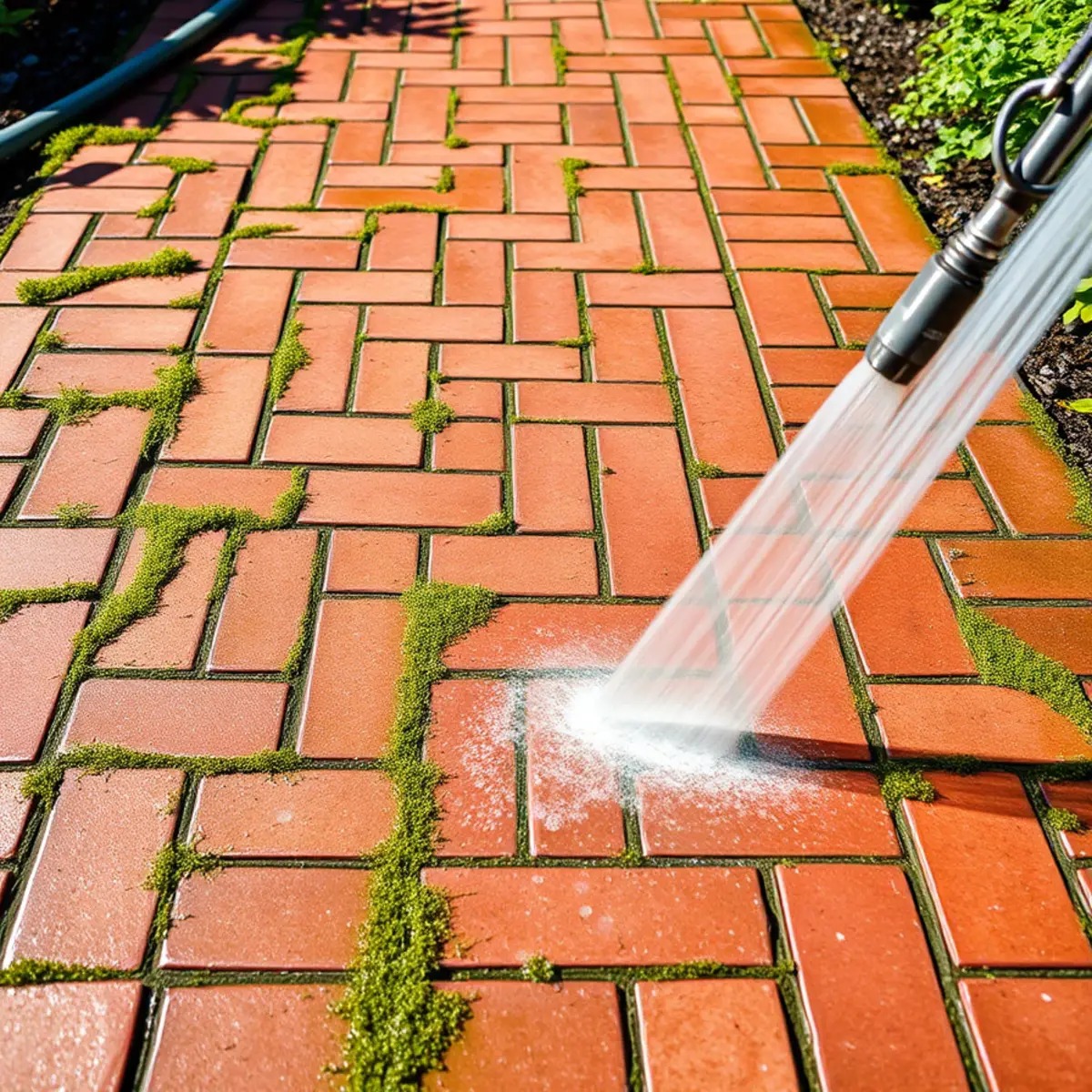
Paver Cleaning
Professional paver cleaning, re-sanding, and sealing across Massachusetts. Soft-wash chemistry that protects joints and stone, not high-PSI blasting.
Read More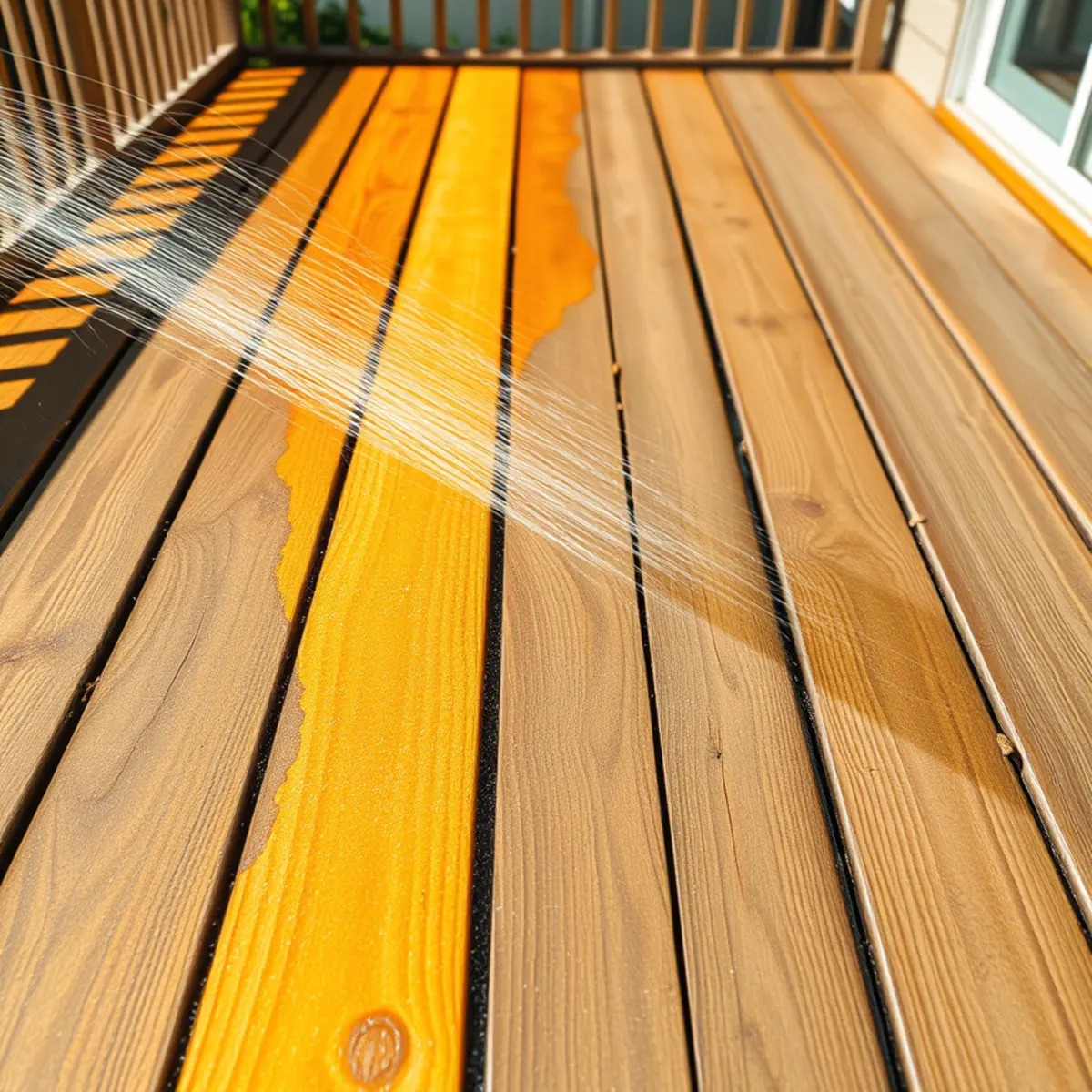
Deck Cleaning
Expert deck cleaning in Massachusetts using safe soft washing for wood, cedar, composite, and Trex. Fully insured, satisfaction-focused.
Read More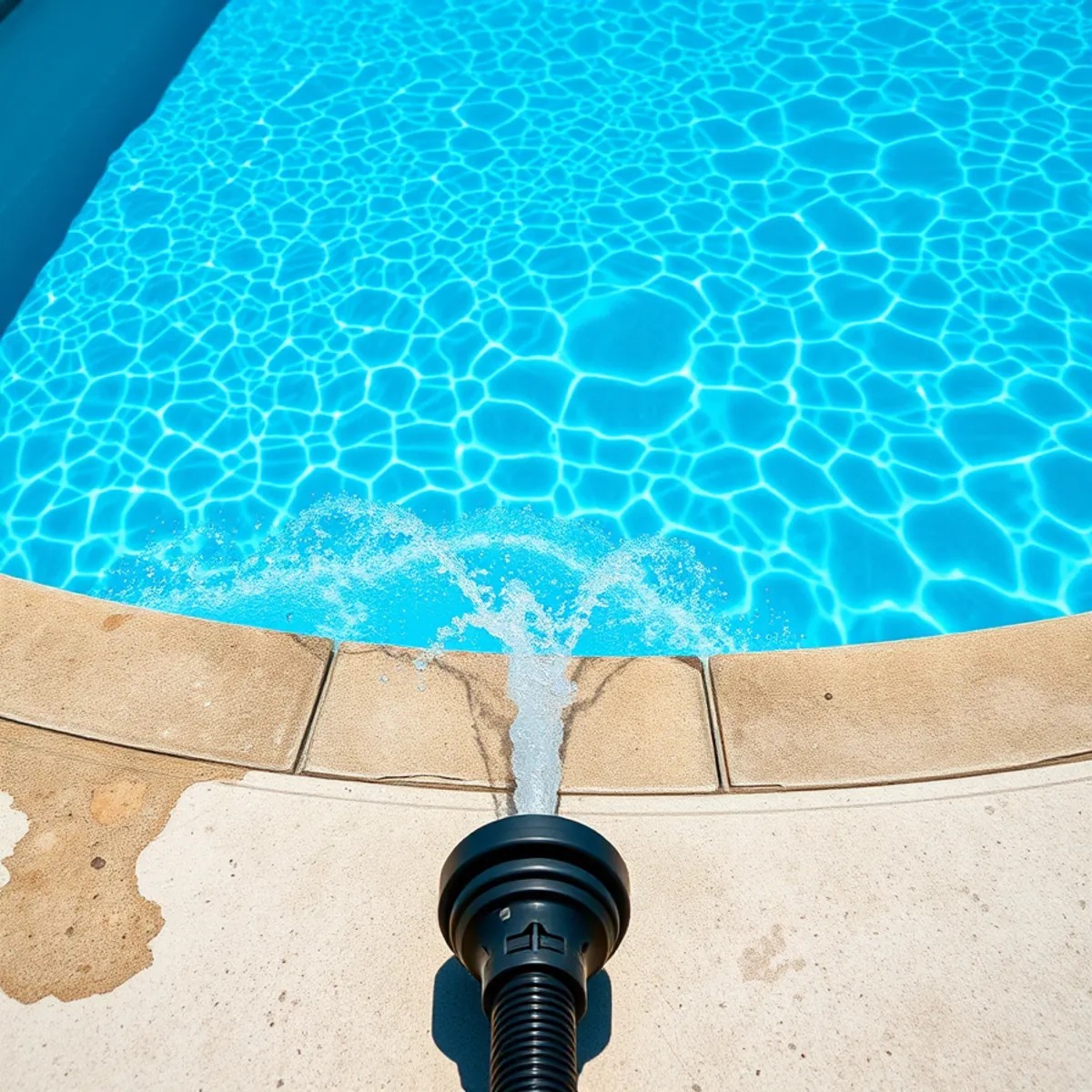
Pool Deck Cleaning
Slip-safe pool deck cleaning across Massachusetts. Surface-matched PSI and pool-safe chemistry for concrete, pavers, travertine and Kool Deck.
Read More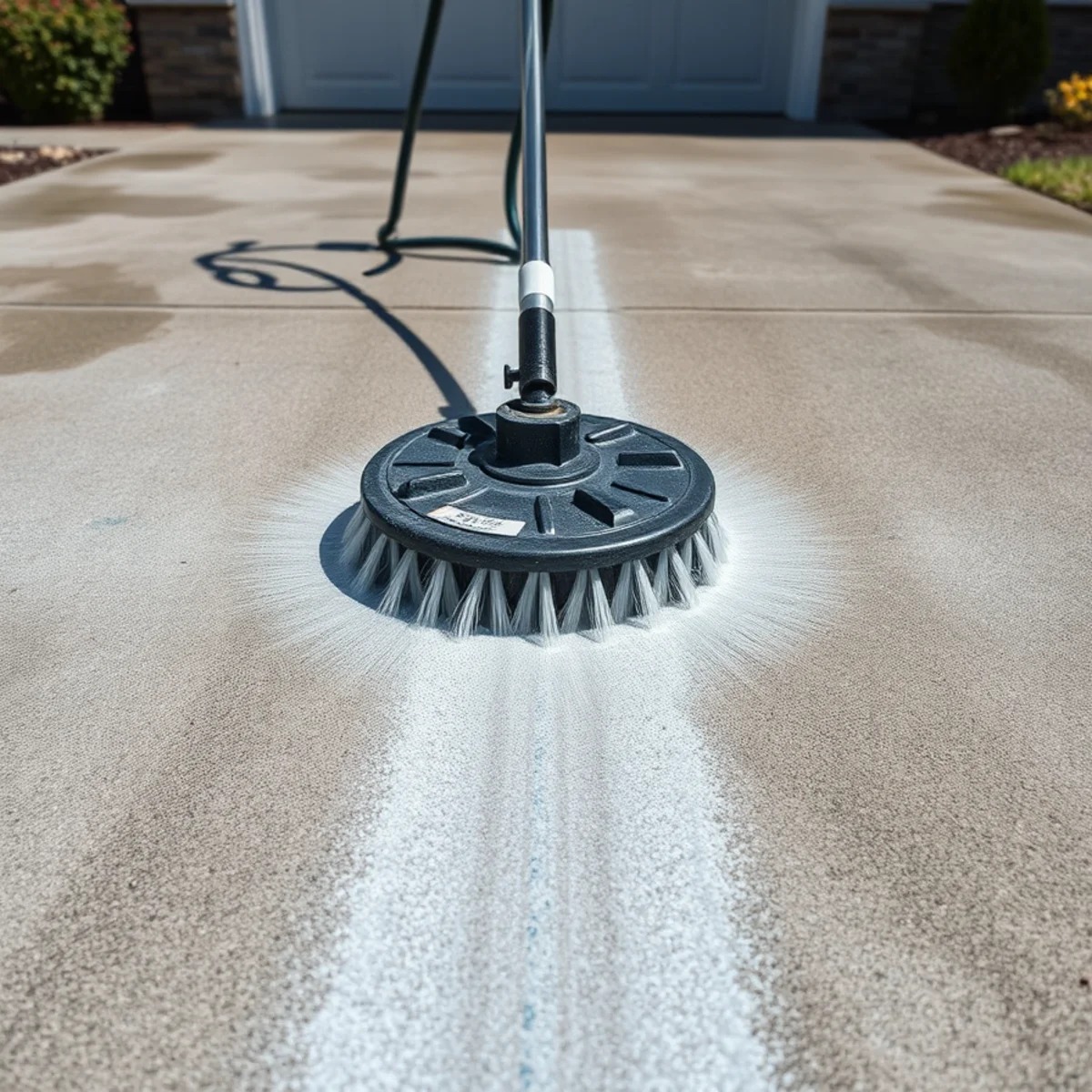
Driveway Cleaning
Expert Massachusetts driveway cleaning for concrete, asphalt, pavers and brick, removing oil, algae, moss and road salt safely.
Read MoreReady to Schedule Patio Cleaning?
Contact Wash Bros today for a free patio cleaning estimate anywhere in Massachusetts.