Hot Water Pressure Washing Services in Massachusetts
Professional hot water pressure washing from Wash Bros for Massachusetts homes and businesses — affordable, dependable, and designed to restore curb appeal safely.
Some stains laugh at cold water. You can crank the pressure until the wand kicks back in your hands, and that ground-in motor oil, that flattened wad of gum, that black halo around the dumpster pad will still be sitting there. The problem isn't force. It's temperature. More PSI on a grease stain just etches the concrete around it and leaves the grease behind. What actually lifts oil, grease, gum, and sap off a hard surface is heat working with the right chemistry, not a bigger pump.
Wash Bros runs truck-mounted hot water pressure washing across Massachusetts, putting heated water on the surfaces that cold rinses give up on. Below is exactly how it works, when you need it, when you don't, and how to make sure the contractor you hire won't cook your siding in the process.
What Is Hot Water Pressure Washing? How Heat Boosts Cleaning Power
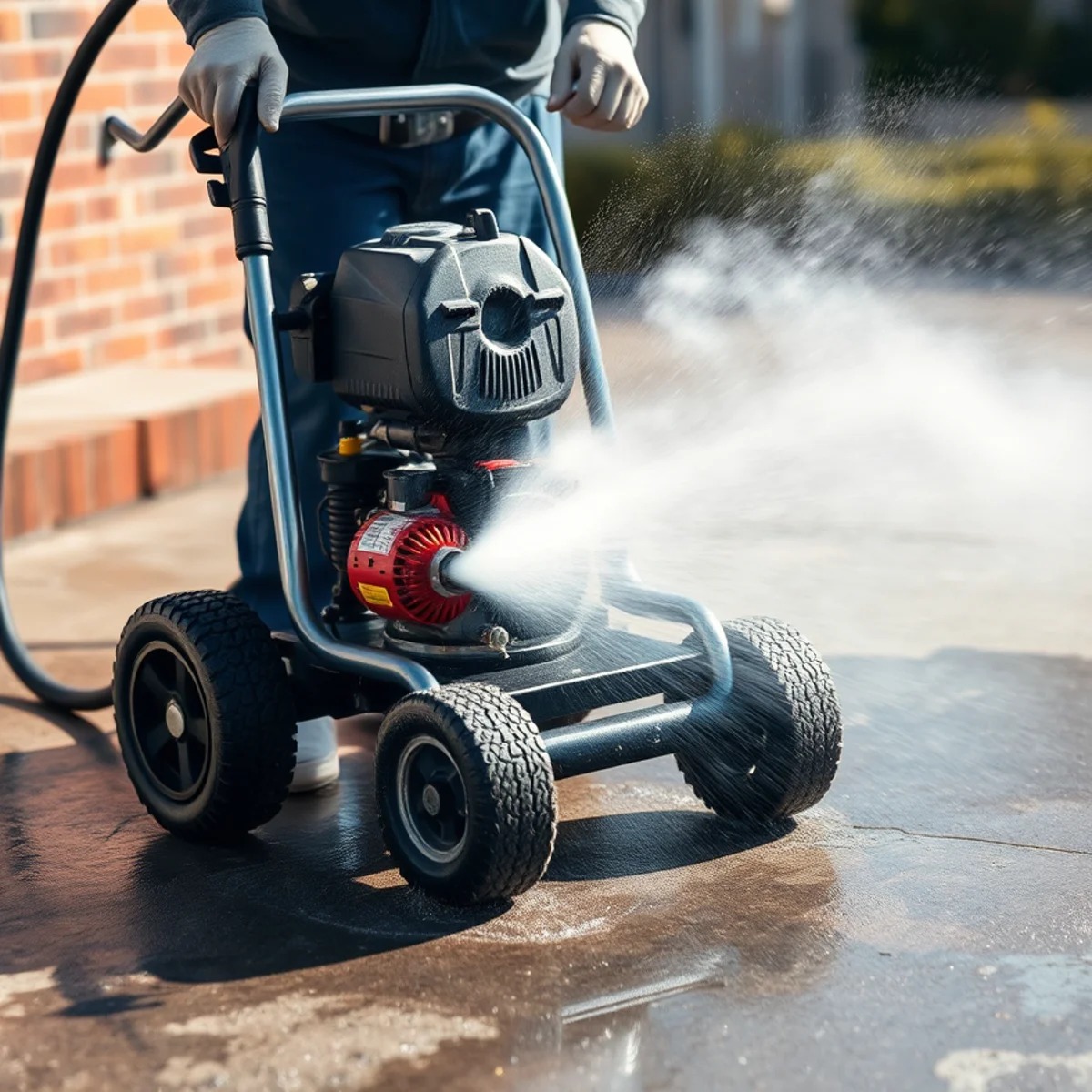
Hot water pressure washing combines high-pressure water with a diesel-fired heating coil that raises water temperature into the 180 to 250 degree range before it ever hits the surface. The pressure (measured in PSI, pounds per square inch) provides mechanical force. The flow rate (GPM, gallons per minute) carries debris away. The heat does the chemical work cold water can't: it softens and emulsifies grease and oil so they release from the substrate instead of smearing around on top of it.
Think of washing a greasy pan. Cold water beads off and the grease stays. Hot water and a little soap, and it wipes clean. Hot water pressure washing is that same principle scaled up to concrete, masonry, and commercial flatwork. The heat lets us use less detergent, less dwell time, and far less abrasive pressure to get a deeper clean, which is gentler on the surface in the end.
Hot Water vs. Cold Water Pressure Washing: Key Differences
Cold water pressure washing relies almost entirely on PSI and GPM. It's excellent for general dirt, loose soil, cobwebs, and pre-soaking before a soft wash. But on anything oil-based or sticky, cold water hits a wall. You either give up, or you push the pressure so high that you etch the concrete trying to compensate for what heat would have done easily.
Hot water changes the equation. The heat reduces the surface tension of the water itself, so it penetrates pores and creeps under contaminants instead of sitting on top. It emulsifies grease and oil into something water can actually flush. It cleans faster, which matters more than people realize in Massachusetts, because cold ambient air robs heat from the surface and slows every reaction. In a 40-degree March parking lot, hot water keeps working while cold water just makes everything wet and cold.
Bottom line: cold water moves dirt. Hot water dissolves the stuff dirt is stuck in.
The Science: How Heat Breaks Surface Tension and Emulsifies Grease
Two things happen when you heat the water.
First, surface tension drops. Cold water is "stiff" at the molecular level and tends to bead. Hot water spreads and wets out, sliding into the microscopic pores of concrete and masonry where grime hides. That surface tension reduction is why heat reaches contamination that cold water rolls right over.
Second, heat emulsifies. Oil and grease are hydrophobic, which is a fancy way of saying they refuse to mix with water. Add heat, and the oil's viscosity drops, it loosens its grip on the surface, and a biodegradable degreaser can break it into tiny droplets suspended in the rinse water. That suspension is emulsification, and it's the entire reason hot water degreasing works where a cold rinse fails. Once the grease is emulsified, the pressure and flow simply carry it away.
This is also why heat helps on biological growth. Warmth accelerates the kill on mold, mildew, and algae when paired with the right surfactants, and it speeds detergent reactions across the board.
When You Need Hot Water (and When Cold Water or Soft Washing Is Better)
You don't need hot water for every job. You need it for the right jobs.
Reach for hot water when the contaminant is oil-based, sticky, or baked on: grease, motor oil, food residue, chewing gum, tree sap, tire marks, and the gray salt-and-oil film that builds on Massachusetts driveways and loading zones over winter.
Stick with standard cold-water power washing for general dirt on durable flatwork like sidewalks and unstained concrete, where a surface cleaner attachment and 2,000 to 3,000 PSI handle it fine without heat.
Choose soft washing instead for siding, roofs, and any organic growth on a delicate surface. Algae, mildew, and roof streaks don't need heat or high pressure. They need biodegradable surfactants that kill the growth at the root and a gentle low-pressure rinse. You don't need more pressure; you need the right chemistry. Blasting a roof or vinyl wall with hot, high-pressure water is how amateurs cause the damage we get called to assess.
The skill is matching the method to the surface. Use heat where it earns its keep, and put the wand down where it doesn't.
Surfaces and Stains Hot Water Pressure Washing Removes Best
Heat is the answer for contaminants that are sticky, oily, or chemically bonded:
- Oil stains on concrete driveways, garage floors, and parking areas, where heat liquefies the oil so a degreaser can pull it out of the pores
- Grease and grime at restaurant exteriors, kitchens, and trash enclosures
- Chewing gum fused to sidewalks and entryways, which softens under heat and scrapes free
- Tree sap and pollen that glue themselves to patios and walkways every Massachusetts spring
- Tire marks and rubber scuffs on drive aprons and garage floors
- Food residue and beverage spills baked onto storefront sidewalks and patios in summer sun
For deep, set-in oil we often pair this service with dedicated oil stain removal and concrete cleaning for flatwork that needs both heat and a surface-cleaner pass.
Commercial Applications: Dumpster Pads, Drive-Thrus, Gas Stations, Loading Docks, Garages
This is where hot water pays for itself. Commercial grease is relentless, and cold water just relocates it.
Restaurant dumpster pads absorb grease trap overflow and food waste until they reek and stain. Heat cuts the grease and a biodegradable degreaser flushes it. Drive-thru lanes collect dropped food, spilled drinks, and tire grime in a narrow strip of heavy traffic. Gas station forecourts soak up fuel drips and oil across the whole apron. Loading docks and bay floors take a beating from hydraulic fluid, diesel, and pallet scuffs. Parking garages trap exhaust soot and oil drips that go slick and dangerous.
Across the Boston, Worcester County, South Shore, and MetroWest restaurant and retail corridors, property managers need these surfaces clean for safety, for health inspections, and for the simple fact that a greasy entrance turns customers away. We handle this work as part of our commercial pressure washing and restaurant pressure washing programs, including recurring maintenance contracts that keep flatwork from ever getting that bad in the first place.
Residential Uses: Greasy Driveways, Garage Floors, Walkways, Patios
Homeowners call for heat when cold washing already failed. The classic case is the oil-stained driveway where a leaking car left a dark map of the parking spot. Heat and a degreaser lift it instead of fading it. Garage floors glazed with years of drips, walkways dotted with gum and sap, and patios that have gone slippery with grime all respond to hot water in a way a rental unit never will. If your slab has gone gray and greasy, this is the fix.
Hot Water vs. Steam Cleaning: Temperature, PSI, and GPM Explained
People use "steam cleaning" and "hot water pressure washing" interchangeably, but they aren't the same.
Hot water pressure washing runs water in the roughly 180 to 200 degree range at high PSI and high GPM. It's a high-volume process: lots of hot water moving fast to flush emulsified grime away.
True steam cleaning pushes water past the boiling point so it leaves the nozzle as low-pressure vapor, typically at much lower GPM. Steam excels at sanitizing and at delicate spot work where you can't use volume or pressure. For the broad flatwork and commercial degreasing most Massachusetts properties need, hot water at high flow does the job faster and more thoroughly. We dial temperature, PSI, and GPM to the surface rather than treating one setting as the answer to everything.
Surfaces to Avoid with Heat: Vinyl Siding, Painted Wood, and Delicate Materials
Heat is a tool, not a default. On the wrong surface it causes the exact damage we warn homeowners about.
Vinyl siding can warp and buckle under hot water, and high pressure forces water behind the panels where it feeds mold you'll never see. Vinyl gets a low-pressure soft wash in the 100 to 500 PSI range, never heat. See our vinyl siding cleaning approach for how that's done correctly.
Painted wood blisters and peels when heat hits it. Historic brick and old mortar are vulnerable too: too much heat or pressure on aged masonry blows out the mortar joints, and in dense historic neighborhoods like Boston and Worcester that careful temperature control isn't optional, it's the whole job. Heritage brick takes under 400 PSI and no direct high spray.
Concrete itself has a limit. Run hot water at excessive pressure on a cured slab and you'll etch it, leaving permanent wand marks and a rough, fast-soiling surface. The damage is the contractor, not the concrete. Knowing where heat doesn't belong is as much a part of this trade as knowing where it does.
Our Hot Water Pressure Washing Process
Every job starts with reading the surface. We identify the substrate, test an inconspicuous area, and choose a temperature, PSI, and GPM the material can take. Greasy concrete might get a full hot pass with a surface cleaner attachment at 2,000 to 3,000 PSI; an aged brick entry gets heat backed way down and no direct high spray.
Before any water moves, we protect the surroundings. Landscaping gets a pre-soak so detergent runoff doesn't burn it, and we plan where the water goes. On commercial sites that means runoff containment and an eye on storm drains, because Massachusetts stormwater and wastewater discharge rules don't allow grease-laden water to wash into a catch basin. For heavy grease work we use wastewater reclamation to capture and dispose of runoff responsibly, the way an EPA-conscious operator should.
Then we apply the right biodegradable degreaser, give it time to emulsify the grease, and rinse with heated water at a controlled pressure. We work in sections, downstream-inject detergent where it helps, and finish with a clean rinse so nothing dries back onto the surface. The goal every time is the dirt comes off and the substrate stays exactly as strong as we found it.
Degreasers and Eco-Friendly Detergents We Use
Heat does a lot, but the chemistry finishes the job. We use biodegradable, surface-appropriate degreasers and detergents matched to the contaminant: heavier hot-water degreasers for trap grease and motor oil, milder surfactants for food residue and general grime. Biodegradable matters in Massachusetts, where well water, wetlands, and storm drains are never far from the work. The right detergent emulsifies grease so it rinses clean and breaks down safely afterward, instead of a harsh chemical that strips the surface and poisons the runoff. Eco-conscious chemistry isn't a slogan here; it's how you clean a gas station forecourt without contaminating the ground under it.
Why Choose Wash Bros for Hot Water Pressure Washing in Massachusetts
Most consumer and rental machines are cold-water only, so they can't touch the grease and gum that sent you looking in the first place. The few rentals that heat water rarely reach the temperature that makes heat work, and almost no homeowner has the training to run hot, high-pressure equipment without etching concrete, blowing out mortar, or warping siding. Hot equipment is genuinely dangerous in untrained hands.
Wash Bros is a local, family-run operation, started by brothers Louis and Dominic in 2023, and we load the rig ourselves. We're fully insured, and our certificate of insurance is available on request. We match temperature, pressure, and chemistry to your surface, we contain and reclaim wastewater on commercial jobs, and our 5.0 average across 130 Google reviews reflects work that holds up. We're satisfaction-focused on every driveway, dock, and storefront we touch.
Service Areas Across Massachusetts
We bring hot water pressure washing across the state, from Boston and Worcester through the MetroWest corridor in Framingham and Natick, out to Marlborough and the Shrewsbury and Westborough area, and down to the South Shore. Coastal South Shore towns deal with salt-air grime layered onto hardscapes, and inland Worcester County and MetroWest properties fight winter sand, road salt, and oily film on driveways and commercial flatwork. Heat handles all of it. We serve HOAs, gas stations, restaurants, and retail centers across Greater Boston and Central Massachusetts with both one-time cleanings and year-round maintenance contracts.
Hot Water Pressure Washing Cost: What Affects Pricing
We don't post flat prices, because honest pricing depends on the job in front of us. A few factors drive every estimate:
- Square footage and access of the area being cleaned
- Severity and type of contaminant (light grime rinses fast; baked-on trap grease and set-in oil take more dwell time and degreaser)
- Surface and substrate and how much temperature control it demands
- Degreaser and detergent volume the contamination requires
- Wastewater containment and reclamation needs on commercial sites with stormwater concerns
- One-time service vs. a recurring maintenance contract, which typically lowers the per-visit factor
A greasy residential garage floor and a restaurant dumpster pad with health-inspection stakes are very different jobs, and the estimate reflects that. We'll look at your surface and give you a straight number, with no surprise add-ons.
If cold water and a rental machine already failed you, stop fighting the stain and bring in heat that actually removes it. Call Wash Bros at +1 (351) 242-0666 for a free hot water pressure washing estimate anywhere in Massachusetts.
Problems We Solve
- Oil and grease stains on driveways, garage floors, and dumpster pads that cold water and rental machines simply can't lift
- Chewing gum, tree sap, tire marks, and baked-on food residue fused to sidewalks, patios, and storefronts
- Gray salt-and-oil winter film on Massachusetts driveways, walkways, and loading zones after freeze-thaw season
- Restaurant, gas station, drive-thru, and loading dock flatwork too greasy to pass inspection or stay safe
- Etched concrete, warped vinyl, and blown-out mortar left behind when heat or pressure is used on the wrong surface
- Grease-laden runoff washing into storm drains and violating Massachusetts stormwater discharge rules
Our Cleaning Process
- 1
Inspect the surface and identify problem areas
- 2
Protect nearby landscaping, fixtures, and finishes
- 3
Apply the correct cleaning method for the surface
- 4
Wash and rinse thoroughly with professional equipment
- 5
Final quality check and walkthrough with you
Why Choose Wash Bros
- Affordable, upfront pricing
- Dependable scheduling
- Experienced exterior cleaning team
- Surface-safe process, every job
- Residential & commercial options
- 5.0 stars across 130 reviews
Hot Water Pressure Washing Across Massachusetts
We provide hot water pressure washing in 351 Massachusetts cities, including:
Hot Water Pressure Washing FAQs
Related Services
Oil Stain Removal
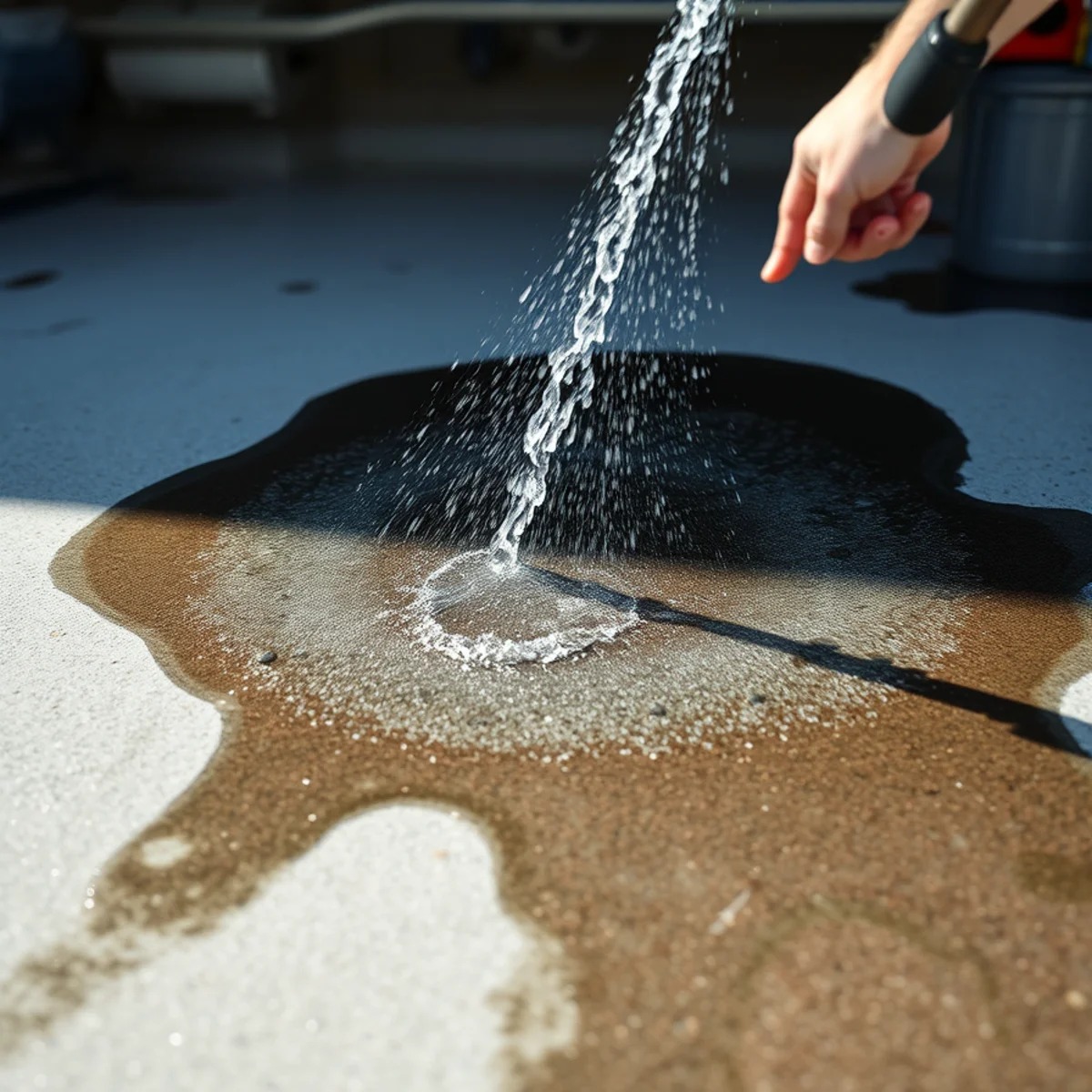
Hot-water degreasing that lifts motor oil, grease, and fuel stains out of MA concrete, pavers, and asphalt, not just over them.
Read More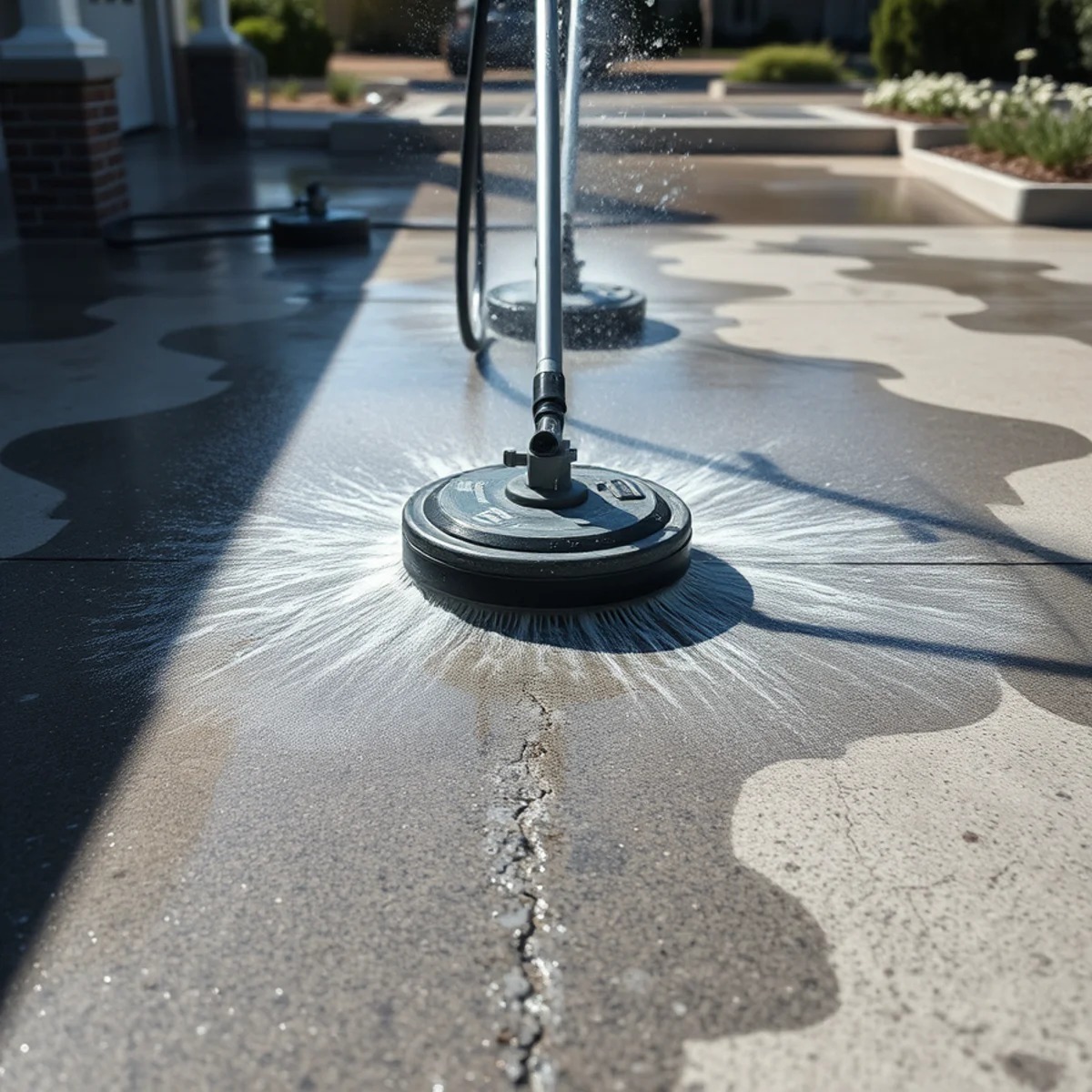
Concrete Cleaning
Expert concrete cleaning in Massachusetts: surface-cleaner flatwork, hot-water degreasing, and chemistry that removes salt, algae, oil, and efflorescence.
Read More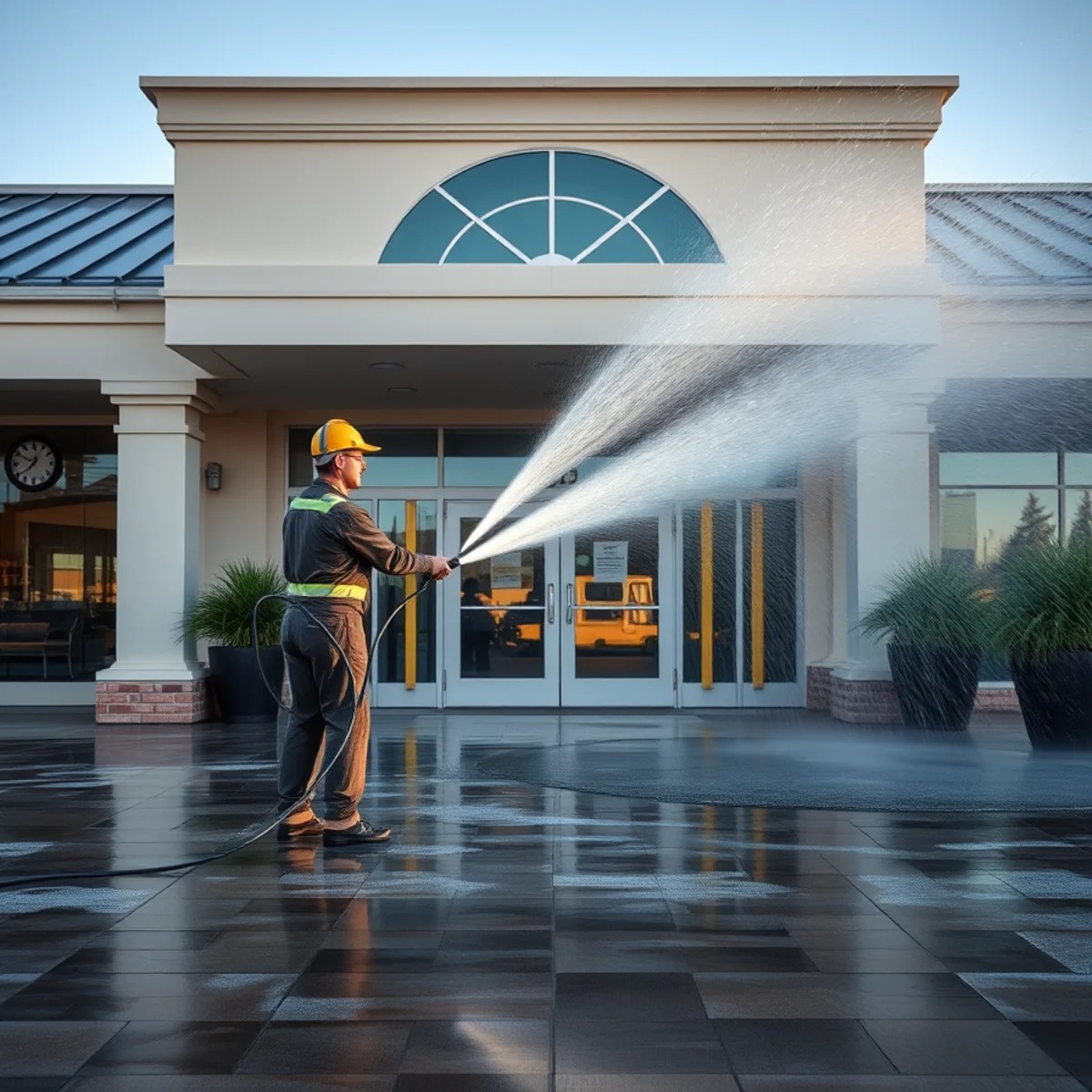
Commercial Pressure Washing
Fully insured commercial pressure washing across Massachusetts. Soft wash and hot water for storefronts, lots, docks, and dumpster pads, scheduled around your hours.
Read More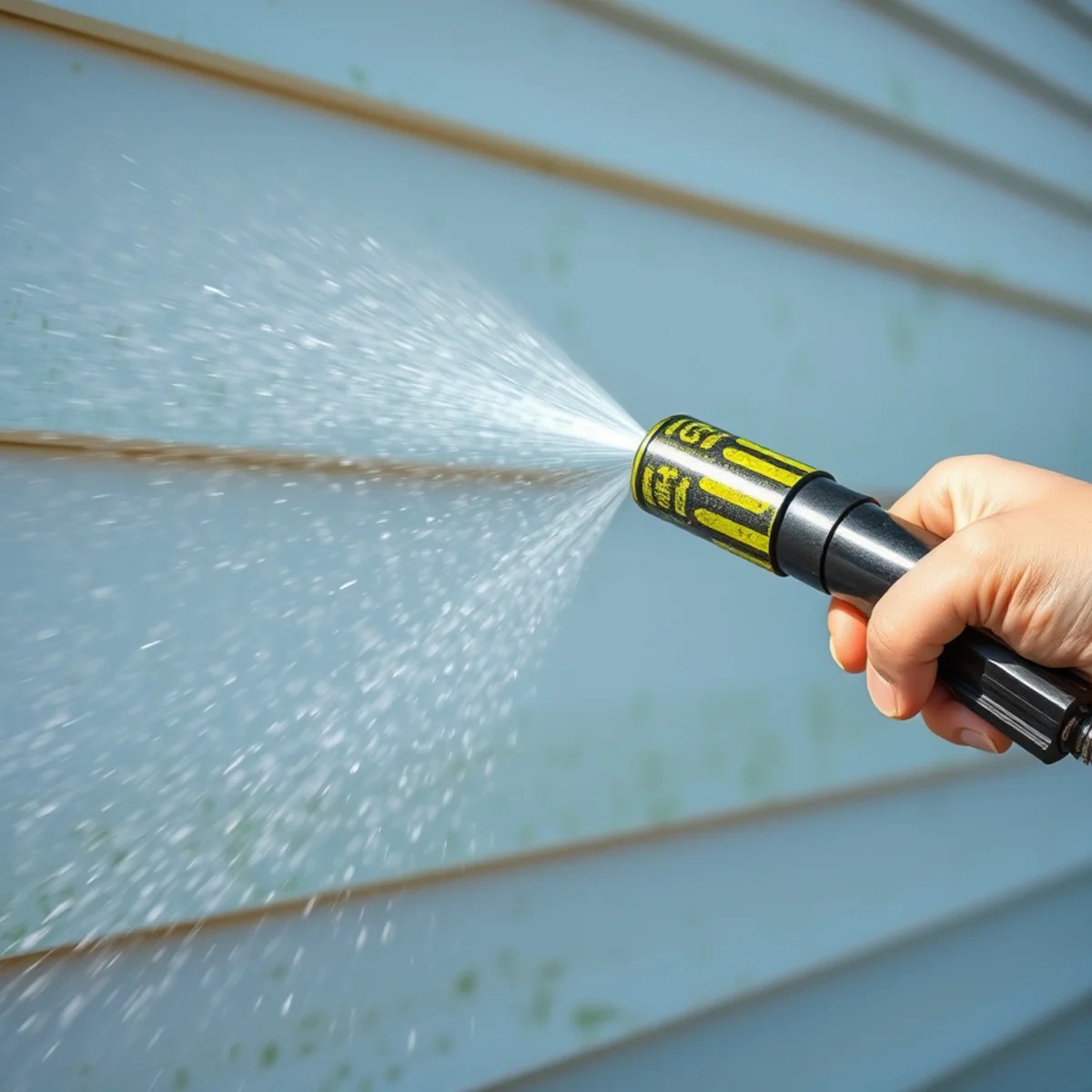
Soft Washing
Low-pressure soft washing that kills roof algae, mold, and black streaks at the root, safely cleaning MA roofs and siding.
Read More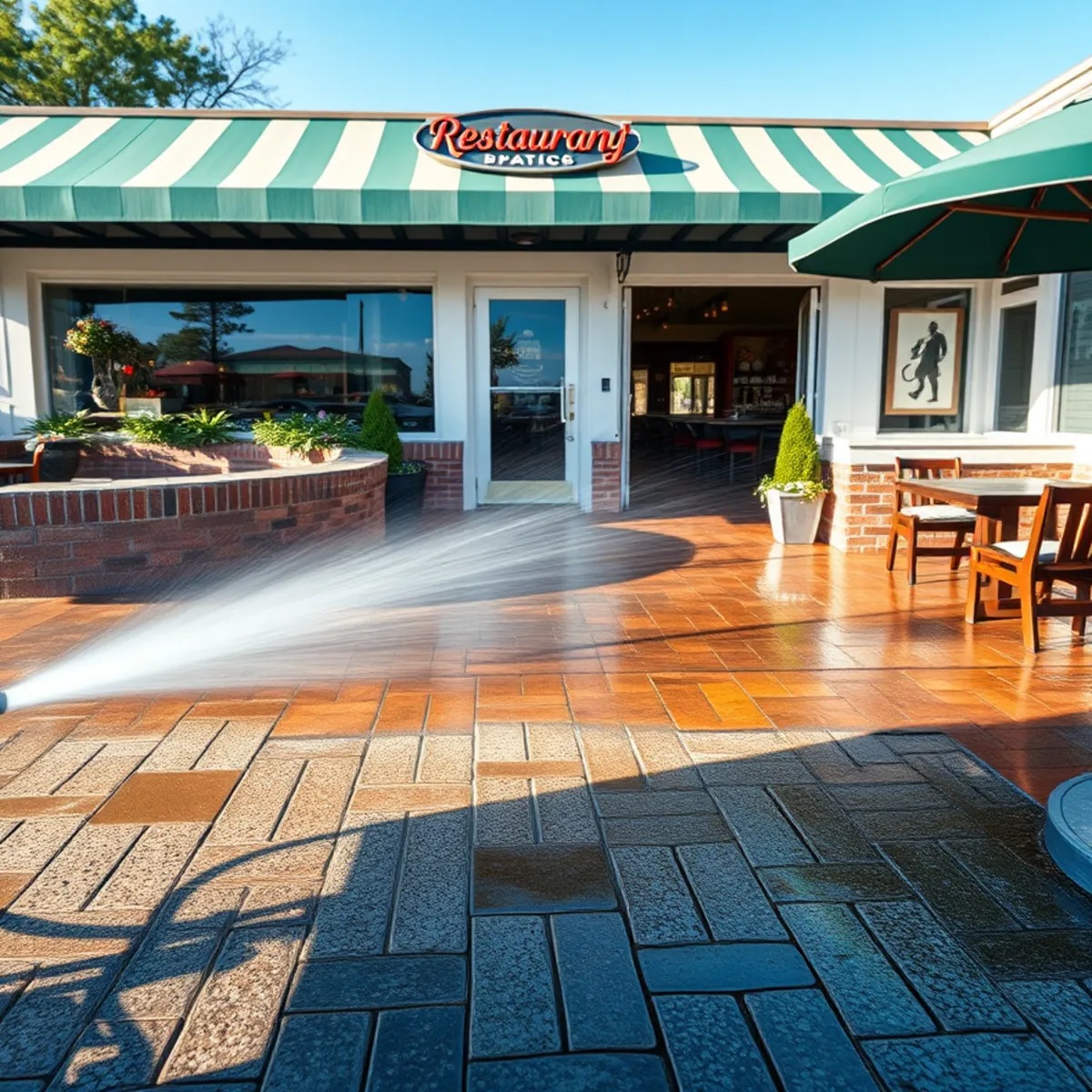
Restaurant Pressure Washing
Hot-water restaurant pressure washing across Massachusetts: grease removal for dumpster pads, drive-thrus, sidewalks, and patios, done after hours.
Read MoreReady to Schedule Hot Water Pressure Washing?
Contact Wash Bros today for a free hot water pressure washing estimate anywhere in Massachusetts.