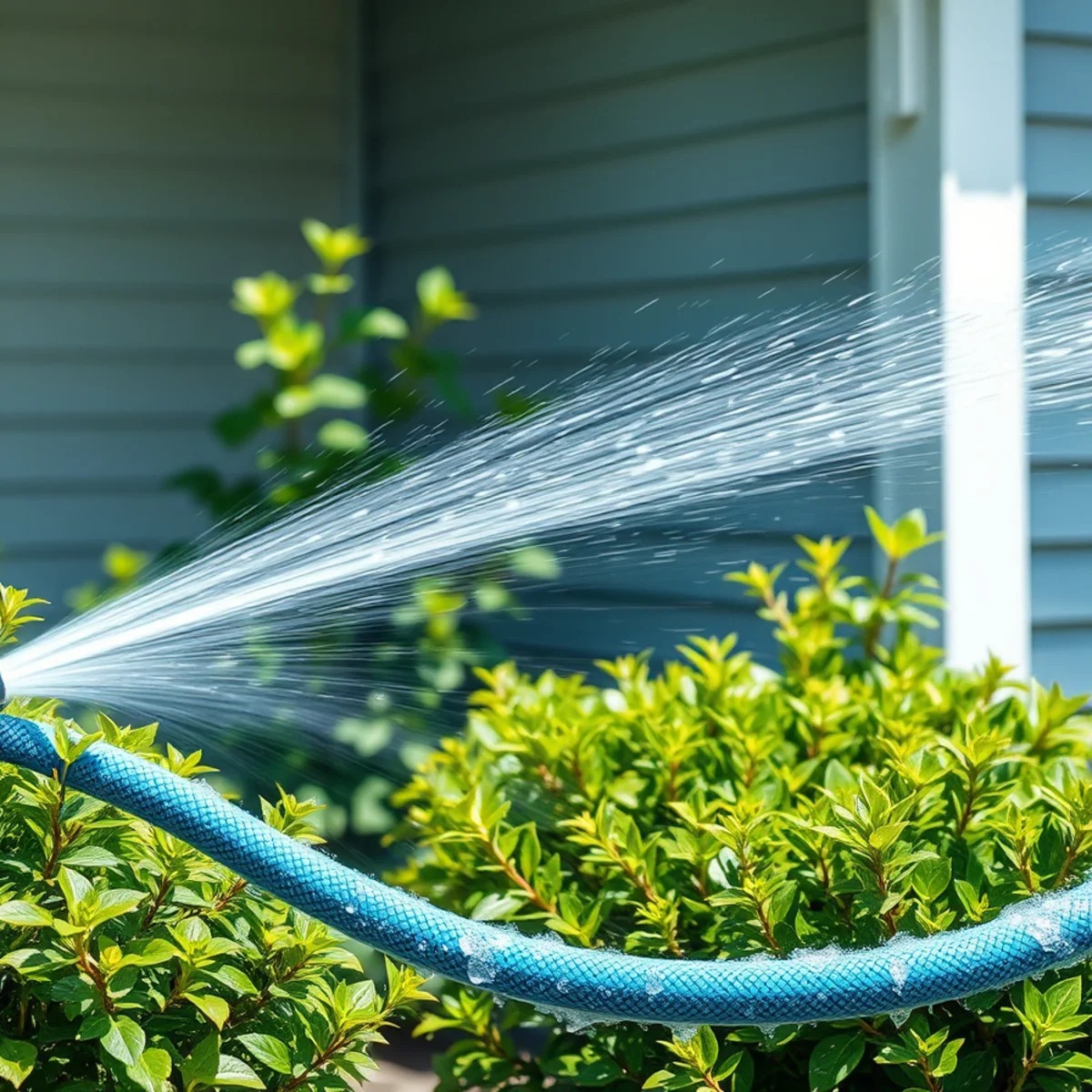
Eco-friendly pressure washing comes down to three things: safe products, less water, and where the runoff goes. A Massachusetts contractor explains all three.
"Eco-friendly" gets stamped on a lot of cleaning services these days, and most of the time nobody explains what it actually means. For pressure washing, it comes down to three concrete things: the products that touch your surfaces, the water the job consumes, and where the dirty runoff ends up. Get all three right and you protect both your home and the Massachusetts pond, river, or coastal estuary that water eventually reaches. This guide breaks down what genuinely makes a wash environmentally responsible, the honest tradeoffs, the state rules worth knowing, and the exact questions to ask before anyone turns on a hose at your property.
What "Eco-Friendly Pressure Washing" Actually Means
Most companies treat "eco-friendly" as a checkbox: they say "biodegradable products" and stop there. That is not enough to mean anything. Genuinely responsible exterior cleaning is the sum of three separate practices, and a company can do one well while ignoring the other two.
- Water-only cleaning. Plain pressurized water, no detergent. Best for loose dirt, dust, and pollen film on hard surfaces. It is the lowest-impact option, but it does not kill algae, mold, or mildew, so the growth comes back fast.
- Low-toxicity detergents. Biodegradable surfactants, phosphate-free cleaners, oxygen bleach, and diluted, properly applied cleaning solutions that break down organic growth without persisting in soil and water. This is where the real cleaning happens on a living, stained surface.
- Responsible runoff management. Controlling where the wastewater goes so detergents, sediment, and pollutants filter through soil or vegetation instead of pouring into a storm drain.
A crew that uses a "green" detergent but lets contaminated water run straight into a catch basin has solved only one-third of the problem. Real green cleaning controls all three at once. The phrase you want to hear is not "we use biodegradable soap" but "here is how we keep the wash water out of your storm drain."
Is Pressure Washing Bad for the Environment? The Honest Answer
No, pressure washing is not inherently bad for the environment. The water itself is harmless. The environmental impact comes entirely from what the water picks up and where it goes afterward.
When you wash a driveway or siding, the runoff collects dirt, algae, mildew, oil, old paint particles, sediment, and whatever cleaning chemicals were applied. If that mix flows untreated into a waterway, it becomes a pollutant discharge. The honest framing is this: pressure washing is a tool, and like any tool it is only as clean as the person operating it. A careful crew using diluted, biodegradable solutions and managing runoff has a small footprint. A careless one dumping concentrated bleach into a storm drain does real harm. The method is neutral; the practice is what matters.
The Three Environmental Risks: Runoff, Water Waste, and Emissions
Every concern about pressure washing's environmental impact falls into one of three buckets.
- Chemical runoff. The biggest issue by far. Detergents, bleach, and dissolved pollutants traveling off your property into the storm sewer system. More on this below, because it deserves its own section.
- Water waste. A pressure washer uses water, but far less than most people assume. The real waste comes from inefficient technique, repeated jobs, and letting a hose run between passes.
- Energy and emissions. Gas-powered pressure washers burn fuel and add to a job's carbon footprint. Electric units and efficient hot water systems reduce it. This is the smallest of the three risks for a typical residential wash, but it is real over a season of work.
Address runoff first, water second, emissions third. That order reflects actual impact, and it is the order a responsible contractor thinks in.
Why Stormwater Runoff Is the Biggest Concern
Here is the fact most homeowners do not know: in Massachusetts, the storm drain at the end of your street does not lead to a treatment plant. It flows untreated, directly into the nearest brook, river, lake, pond, or coastal estuary. The storm sewer system and the sanitary sewer system are two completely separate networks. Your toilet water gets treated. Your storm drain water does not.
So when wash water loaded with detergent and algae residue goes down a catch basin, it lands in a living waterway with no filtration in between. Phosphates and nutrients feed algae blooms that choke aquatic life. Sediment clouds the water. Bleach and surfactants stress fish and the insects they feed on. In a state with as many lakes, ponds, rivers, and estuaries as Massachusetts, runoff is an outsized concern, and it is the single thing that separates genuinely responsible cleaning from greenwashing.
What a Responsible Crew Does With Runoff
- Directs flow toward a vegetated area or grassy filtration strip where soil microbes break down organics
- Pre-soaks and rinses in stages so any cleaning agent is heavily diluted before it leaves the property
- Blocks or avoids open storm drains during the wash, using mats or berms for runoff containment where feasible
- Chooses lower-volume methods like soft washing when the surface allows it
Chemicals to Avoid: Bleach, Hydrochloric Acid, and Sodium Hydroxide
Some chemicals show up in exterior cleaning that deserve real caution, especially in concentrated form near landscaping or water.
- Sodium hypochlorite (bleach). The active ingredient in household bleach and the most common tool for killing algae and mildew. It is effective and breaks down relatively quickly once diluted. The danger is misuse: over-concentration, spraying near gardens without pre-wetting, and failing to rinse. It is not a chemical to ban outright, but it is one to respect and dilute properly.
- Hydrochloric (muriatic) acid. Sometimes used aggressively on masonry and to strip efflorescence or rust. It is corrosive, dangerous to handle, and damaging to soil and aquatic life if it runs off. There are gentler ways to handle most of what it is used for.
- Sodium hydroxide (lye/caustic soda). A strong degreaser found in some heavy-duty products. Highly caustic, harmful to plants, and a hazard in runoff.
The general rule: the harsher the chemical, the more it matters who is applying it and how the runoff is managed. This is one of the clearest reasons to hire a crew that understands chemistry and technique rather than guessing with rented equipment and a jug of pool chlorine.
Safer Cleaning Agents That Actually Work
The good news is that most exterior cleaning can be done with low-toxicity products that break down quickly. "Chemical-free" is mostly marketing, so the real questions are: does the product biodegrade, how concentrated is it when it reaches the ground, and is it being applied in a targeted way?
- Biodegradable surfactants. Plant-based surfactants lift dirt and grime and break down in the environment instead of persisting.
- Phosphate-free cleaners. Phosphates are a major driver of algae blooms in fresh water. Phosphate-free formulas avoid feeding the exact problem you are trying to clean off.
- Oxygen bleach (sodium percarbonate). A gentler alternative to chlorine bleach. It breaks down into soda ash, water, and oxygen. Excellent on wood and many organic stains, and far kinder to surrounding plants. We rely on it heavily for deck cleaning where chlorine would harm both the wood and the garden below.
- Citric acid and oxalic acid. Mild, naturally occurring acids effective on rust and certain mineral and tannin stains, useful for rust removal without resorting to muriatic acid.
- Eco-certified products. Look for recognized third-party certifications rather than vague label claims.
The right product depends on the surface and the stain. The skill is matching a mild, biodegradable solution to the job so you never reach for something harsher than necessary.
Does Eco-Friendly Pressure Washing Clean as Well?
This is where honest contractors part ways with the greenwashers, so here is the straight answer: it depends on what you mean by "eco-friendly."
Pure water-only cleaning is genuinely less effective than sodium hypochlorite at killing algae, mold, and the black streaks on a north-facing roof. Anyone who tells you plain water kills algae roots is selling you a repeat visit in three months. Pressure knocks the visible layer off; it does not kill the organism, so the growth returns fast.
But that is not the real comparison. The right comparison is between misused harsh chemicals and properly diluted, biodegradable solutions with adequate dwell time. A correctly applied low-toxicity detergent, given time to work, kills algae and mildew at the root just as thoroughly as a harsh approach, and the results last just as long. The key is technique, not brute strength. This is the core idea behind everything we do: you don't need more pressure, you need the right chemistry. Pressure does not kill algae roots. Biodegradable surfactants do.
So eco-friendly cleaning, done well, cleans every bit as effectively. What it does not do is let you skip the technique. Cutting corners on dwell time, dilution, or rinsing is what produces weak results, and that has nothing to do with whether the product is green.
How Soft Washing Fits Into Eco-Friendly Cleaning
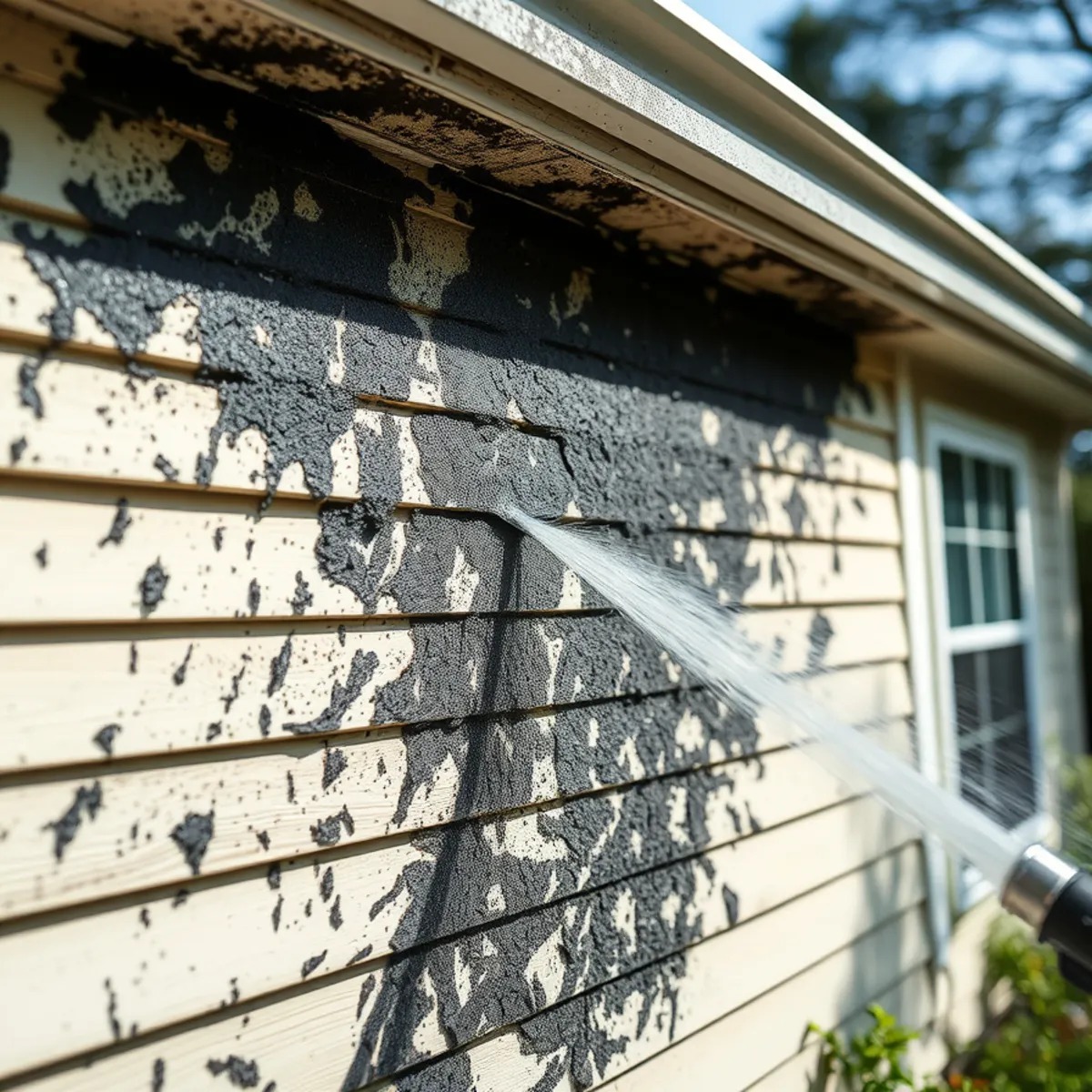
Soft washing is the method that best embodies all three eco principles at once. Instead of relying on high pressure, it applies a low-pressure stream paired with targeted, diluted cleaning solutions that break down algae, mold, and mildew at the source.
It helps the environment in two ways. First, low-pressure cleaning uses far less water than high-pressure blasting over the same area. Second, because the solution kills the organic growth rather than just removing the visible layer, surfaces stay clean far longer, so the job does not need repeating as often. Fewer repeat cleanings means less total water and product over the life of your home.
Soft washing is the correct, and only safe, method for delicate or porous surfaces, and the recommended PSI ranges make the point:
- Asphalt shingle roofs: soft wash under 100 PSI, never high pressure
- Vinyl siding: roughly 100 to 500 PSI
- Cedar and wood siding: under 200 PSI
- Stucco and EIFS: under 150 PSI
- Historic brick: under 400 PSI
For driveways, walkways, and concrete patios, higher pressure (commonly 2,000 to 3,000 PSI on concrete) is still the right tool. The eco-friendly move is matching the method to the surface, not over-applying chemicals everywhere or blasting something that needs a gentle touch.
Water Conservation: Pressure Washing vs. a Garden Hose
People assume a pressure washer is a water hog. The opposite is usually true. Because a pressure washer cleans with force and the right chemistry, it does the job in a fraction of the time and water a garden hose would need.
A typical residential pressure washer runs around 1.5 to 3 gallons per minute (GPM). A standard garden hose left running pushes out far more, often in the range of 6 to 12 GPM (these are general equipment estimates, not measured figures for your specific setup). Because the pressure washer cleans efficiently and finishes faster, it can use a small fraction of the water you would spend rinsing the same area with an open hose. The pressure does the work that volume cannot.
Simple Ways to Cut Water Use Further
- Use a trigger shut-off so water only flows during the actual cleaning stroke, not between passes
- Pre-soak stained areas so the solution does the lifting and you make fewer passes
- Clean on a sensible schedule so grime never cakes on and each job stays short and light
- Match nozzle and pressure to the surface so it comes clean on the first pass
Equipment That Reduces Impact
The machine matters. A few choices meaningfully shrink a job's footprint.
- Electric vs. gas pressure washers. Electric pressure washers produce no direct emissions and run quieter. Gas-powered pressure washers are more portable and powerful but burn fuel and add to the carbon footprint of every job.
- Hot water pressure washing. Hot water units cut through grease and grime with less chemical and sometimes less water, because heat does part of the work. That is why hot water is the standard for driveway oil and grease and commercial degreasing.
- Adjustable flow and ENERGY STAR-rated motors. Equipment that lets the operator dial flow down to what the surface needs avoids wasting water.
- Trigger shut-off guns. A small detail that prevents a surprising amount of waste over a full day.
- Water reclamation systems. On commercial and sensitive jobs, a water reclamation system vacuums up the wastewater, filters it, and prevents it from reaching the storm drain at all. It is the gold standard for runoff containment where local rules or site conditions demand it.
How to Protect Plants, Lawns, and Landscaping During a Wash
Massachusetts homeowners invest a lot in their yards, and a responsible wash leaves that investment intact. The protocol is simple and it doubles as both plant protection and environmental responsibility.
- Pre-wet. Saturate nearby plants, shrubs, and lawn with clean water before any solution is applied. Wet foliage absorbs far less, and any stray cleaning agent is immediately diluted.
- Cover briefly. Tarp or cover especially sensitive plantings, vegetable gardens, and pollinator beds near the work area, but do not leave them sealed under plastic in the heat.
- Rinse after. Once the section is done, rinse the surrounding landscaping again with clean water to flush any residue off the leaves and into diluted soil.
- Redirect runoff. Steer flow toward grassy, vegetated areas where soil filters it, and away from ponds, water features, and storm drains. Capturing downspout runoff and redirecting it keeps the path of the water under control.
- Time it right. Avoid peak pollinator activity and extreme heat when plants are already stressed.
Keep solutions away from koi ponds and water features, which support fish and beneficial insects. These habits protect your garden and the broader ecosystem at the same time.
Keeping Pets and Kids Safe With Low-Toxicity Products
The same low-toxicity approach that protects waterways protects the family. Pet-safe and kid-safe practice comes down to product choice and timing.
Biodegradable, phosphate-free solutions applied at proper dilution break down quickly and leave little residue once surfaces are rinsed and dry. The sensible routine: keep children and pets indoors or off the treated area during the wash and until everything has been thoroughly rinsed and allowed to dry. Avoid letting pets drink from puddles during the job. After a properly rinsed wash with mild products, a yard is safe for normal use the same day. This is another argument for diluted, biodegradable chemistry over harsh concentrates, because the safety margin around the people and animals you live with is far larger.
Responsible Wastewater Management: Where the Dirty Water Should Go
This is the practical question almost no competitor answers: where is the wash water supposed to end up?
- Best: a vegetated area. Directing wastewater across a lawn or planted bed lets soil and grassy filtration trap sediment and break down organics naturally. For most residential house and driveway washing with mild products, this is the right answer.
- Acceptable for heavily contaminated water: the sanitary sewer, but only where the local authority permits it, often via an indoor drain or cleanout, never assumed.
- Captured and hauled: for jobs with significant oil, grease, or chemical load, a water reclamation system collects the water for proper disposal.
- Never: the storm drain. Detergent-laden or pollutant-heavy water should never enter a storm drain or the street that feeds one.
A note specific to much of Massachusetts: many homes, especially on Cape Cod and in central and western MA, run on a septic system and a private well rather than municipal water and sewer. Where groundwater is not municipally treated, low-toxicity cleaning matters even more, because what soaks into the ground can reach the same aquifer the household drinks from. Eco-conscious chemistry is not optional in well-and-septic country.
Massachusetts Rules Homeowners Should Know
You do not need a permit to wash your own house, but it helps to understand the framework, because it explains why a careful contractor cleans the way they do.
- The Clean Water Act and NPDES. Federal law prohibits discharging pollutants into waters of the United States without an NPDES permit. Massachusetts is one of the few states not authorized to run its own NPDES program, so EPA administers these federal permits here, with MassDEP guidance alongside. MassDEP publishes a "Guide to Selecting Pressure Washing Management Practices" on mass.gov worth a look.
- MS4 stormwater permits. Many MA municipalities operate under EPA MS4 stormwater permits that prohibit non-stormwater discharges, including wash water, from entering storm drains. Both homeowners and contractors can face local enforcement. The simple principle: storm drains are for rain.
- Outstanding Resource Waters and the Lakes and Ponds Program. MassDEP designates certain high-quality waters as Outstanding Resource Waters with extra protection. With the number of lakes, ponds, and rivers across the state, and recurring harmful algae blooms, runoff near these waters is taken seriously.
- The Wetlands Protection Act. Properties in or near a wetland buffer zone fall under local conservation commission jurisdiction. If your home abuts a wetland, marsh, or waterfront, that is a detail a knowledgeable crew respects.
There is also MassDEP's homeowner guidance to "sweep, don't spray." For road salt, sand, and loose debris, sweep it up with a broom first rather than hosing it into the street. It is a small habit with a real effect, especially after a New England winter.
Eco-Friendly Cleaning Through the New England Seasons
The reason we clean at all in Massachusetts is the climate, and each season brings its own stain with its own eco-smart timing.
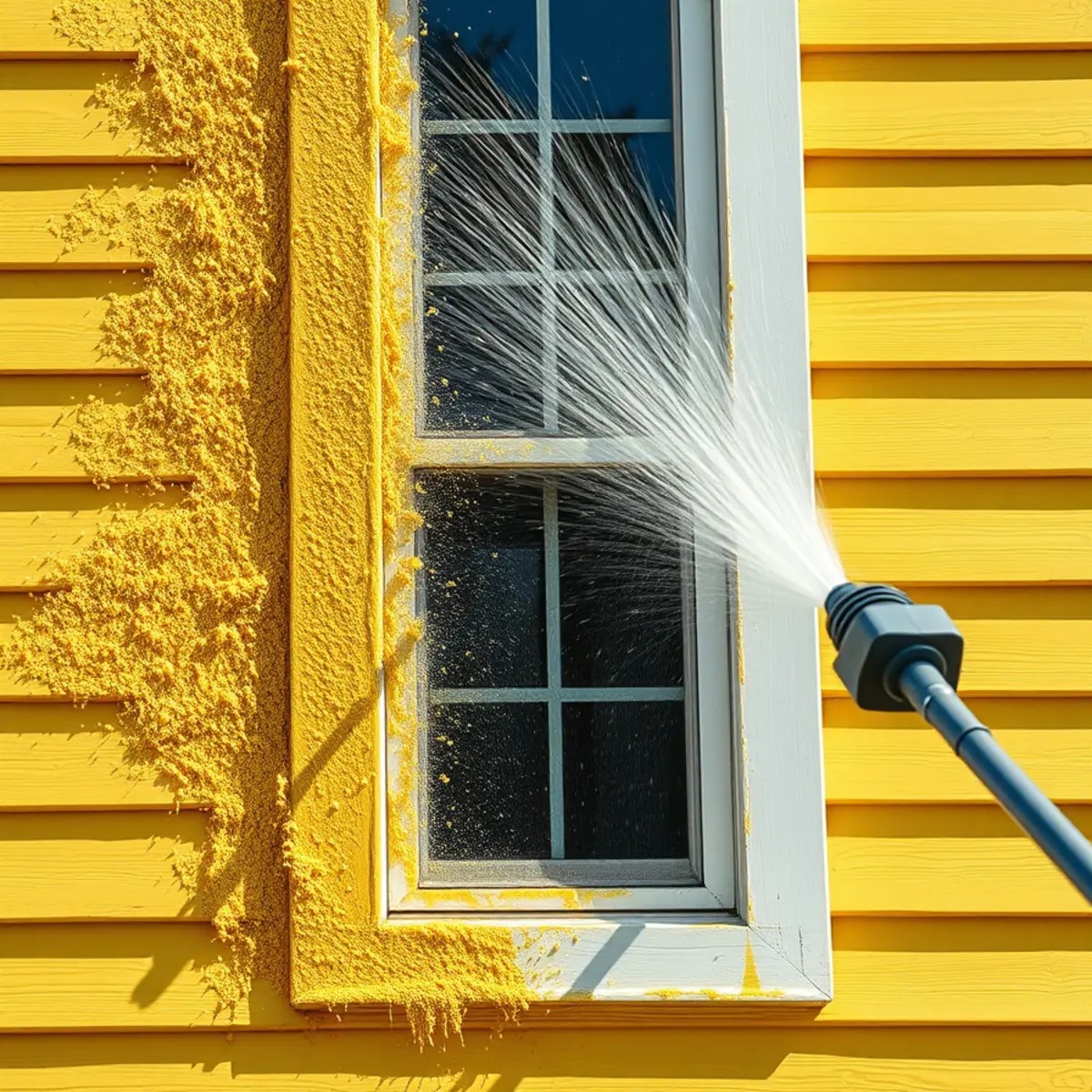
- Spring pollen. Late May into June, a yellow-green film coats everything. Often this rinses with a low-pressure, water-forward wash, the lowest-impact cleaning of the year. This is the standard window for house washing once the pollen drops.
- Summer algae and mildew. Humid New England summers feed Gloeocapsa magma, the black-streak algae on north-facing roofs and siding, plus general mold and mildew. This is soft-wash season, where the right chemistry, not pressure, does the work.
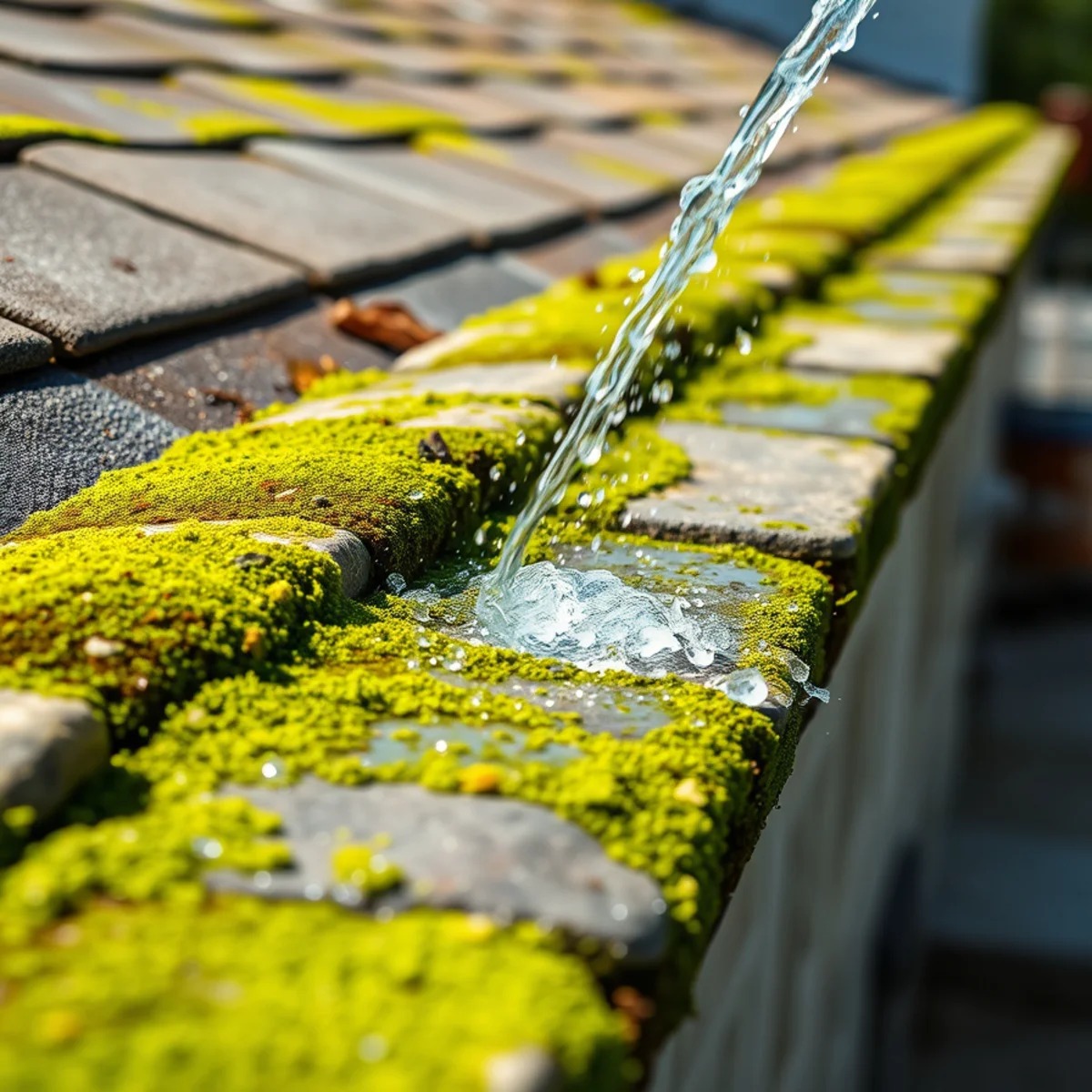
- Moss and lichen. Shaded, damp areas grow moss and lichen that hold moisture against the surface and accelerate decay. Gentle treatment beats aggressive scraping.
- Fall and winter road salt. MA winters wash salt and sand onto driveways and walkways. Sweep first, then rinse, in line with the "sweep, don't spray" guidance, and seal concrete before salt season where appropriate.
DIY Eco-Friendly Pressure Washing vs. Hiring a Pro
You can absolutely clean responsibly yourself, within limits. If you rent or own a machine, here is how to keep it green:
- Use a biodegradable, phosphate-free detergent and dilute it properly
- Pre-wet and rinse your landscaping
- Direct runoff onto the lawn, never toward the storm drain
- Use a trigger shut-off and the lowest effective pressure for the surface
- Sweep loose salt and debris before you rinse
Where DIY runs into trouble is roofs (a soft wash under 100 PSI is unforgiving of mistakes), two-story siding, and any heavy algae or mold problem that needs the right chemistry and dwell time to actually solve. Misjudging pressure damages surfaces, and misjudging chemistry either fails to clean or harms the yard. A pro brings surface-matched pressure, proper dilution, and runoff awareness, plus full insurance if something goes wrong. For dense neighborhoods like Boston and Cambridge where homes sit close to storm drains and shared property lines, careful water management is genuinely hard to pull off with rented equipment.
Questions to Ask a Company About Their Green Practices
A few direct questions separate a genuinely eco-conscious contractor from one reciting buzzwords:
- How do you keep wash water and detergents out of storm drains?
- What products do you use, and are they biodegradable and phosphate-free?
- Do you adjust your method and pressure for different surfaces?
- How do you protect plants, lawns, and water features?
- What do you do differently near wetlands, a pond, or a property on well and septic?
- Are you fully insured? (Ask for a certificate of insurance.)
Vague answers ("we use eco products") are a flag. Specific answers about runoff direction, dilution, and surface-matched technique tell you they actually do the work.
Eco-Friendly Pressure Washing Checklist for Homeowners
Use this before and during any wash, DIY or professional:
- Confirm biodegradable, phosphate-free products at proper dilution
- Pre-wet all nearby plants, shrubs, and lawn with clean water
- Cover sensitive plantings and vegetable gardens briefly
- Direct all runoff toward a vegetated area, never a storm drain
- Keep solutions away from ponds, wells, and water features
- Use a trigger shut-off and surface-matched pressure
- Sweep loose salt, sand, and debris before rinsing
- Rinse landscaping again after each section
- Keep kids and pets off treated areas until rinsed and dry
- Near a wetland or waterfront, check local conservation rules
How Wash Bros Keeps Your Home and Massachusetts Waterways Clean
At Wash Bros, founded in 2023 by brothers Louis and Dominic, responsible cleaning is built into how we operate, not bolted on as a marketing line. We match the method and pressure to each surface, lean on biodegradable, phosphate-free solutions at proper dilution, pre-soak and protect landscaping, and manage runoff with the local watershed in mind, whether that means a vegetated discharge area, a property on well and septic, or a home near a protected waterway. We are fully insured with a certificate of insurance available on request, and our 5.0 average across 130 reviews reflects work that is both effective and responsible.
If you want your home cleaned in a way that is tough on grime and gentle on the environment, we would love to help. Reach out for a free estimate through our contact us page or call us directly at +1 (351) 242-0666. We will walk you through the right approach for your surfaces, your landscaping, and your corner of Massachusetts, with affordable, dependable service you can count on.
Frequently Asked Questions
Need Professional Exterior Cleaning?
Wash Bros provides affordable, dependable pressure washing across Massachusetts. Get your free estimate today.
Get a Free Estimate