
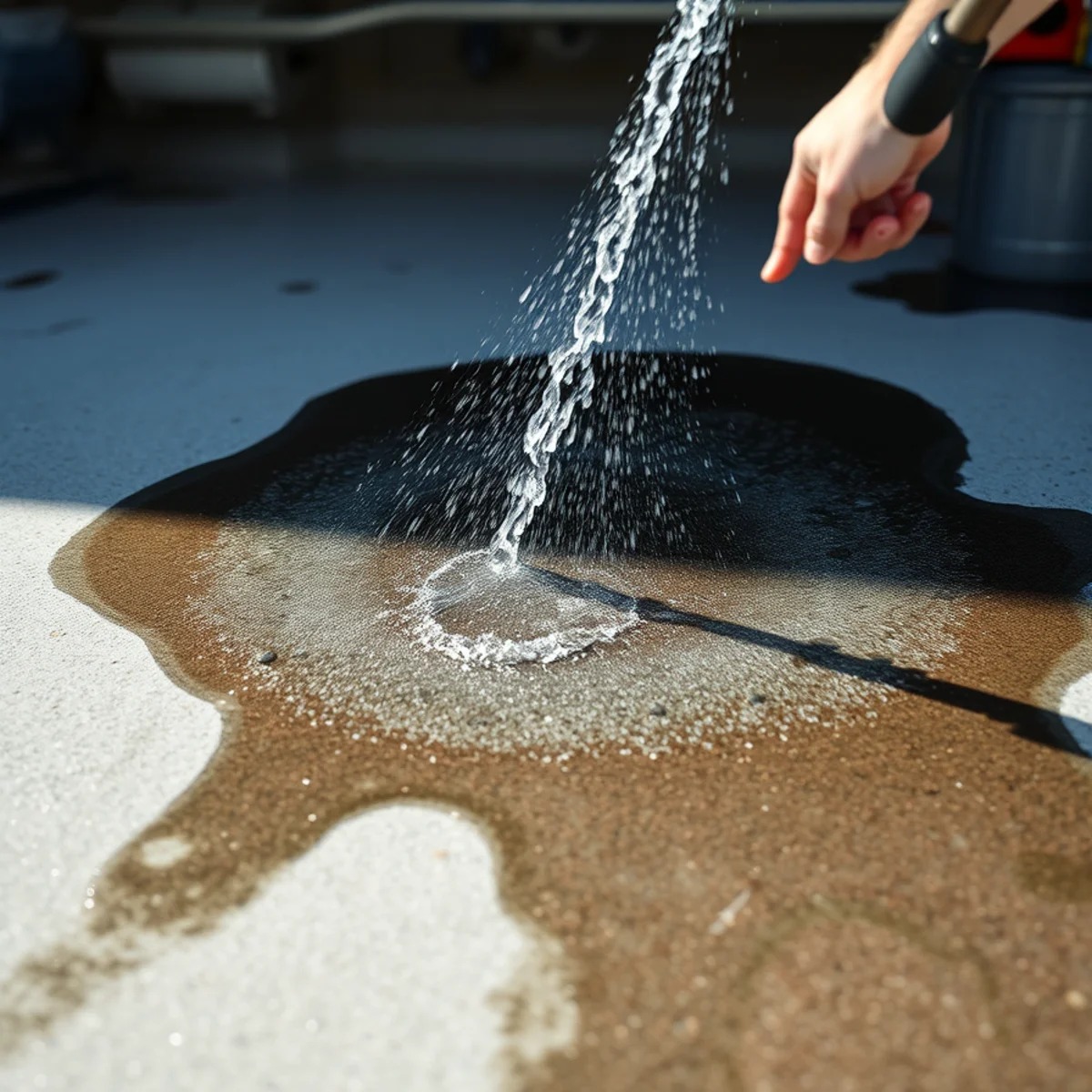
Oil Stain Removal Services in Massachusetts
Professional oil stain removal from Wash Bros for Massachusetts homes and businesses — affordable, dependable, and designed to restore curb appeal safely.
You hosed it down. You scrubbed it. You bought the orange bottle from the hardware store. And the dark blotch on your driveway is still there, mocking you every time you pull in.
Here is the hard truth: oil does not sit on concrete the way mud does. It sinks. By the time you notice a motor oil stain, the petroleum has already wicked deep into the pore structure of the slab, and no amount of surface scrubbing reaches it. Worse, a homeowner with a rental pressure washer and the wrong nozzle usually makes it permanent, etching the concrete and driving the oil sideways into a wider gray halo.
That is the problem we solve. Wash Bros is a family-run exterior cleaning company started in 2023 by brothers Louis and Dominic, and we lift motor oil, transmission fluid, hydraulic leaks, grease, and fuel out of concrete, pavers, brick, and asphalt across Massachusetts, the right way, with the right chemistry. You don't need more pressure. You need the right chemistry, controlled heat, and an honest read on what your surface can give back.
What Is Professional Oil Stain Removal? (And Why Pressure Washing Alone Isn't Enough)
Professional oil stain removal is a chemistry job first and a washing job second. A pressure washer moves water fast. It does not, by itself, break the molecular bond between petroleum and porous concrete. Spraying a set-in motor oil stain with a high-PSI wand mostly cleans the top millimeter, makes the stain look better for an afternoon, and then watches it bleed back as the oil migrates up through the capillaries.
Real removal works in two stages. First, a degreaser and surfactant emulsify the oil, meaning they chemically lift it out of the pores and suspend it in solution so it can be flushed instead of smeared. Second, hot water and controlled pressure extract that emulsified oil and rinse it away. Skip the chemistry and you are just rearranging the stain. That is why a quick rinse from a landscaper or a handyman almost never holds.
Can Pressure Washing Actually Remove Oil Stains From Concrete?
Partially, and only sometimes. Cold-water pressure washing with a surface cleaner attachment will pull up fresh, shallow oil and the gritty film that surrounds it. For a spill caught within a day or two, that is often enough.
For anything older, pressure alone falls short. The petroleum has penetrated below the reach of water impact, and the only thing that gets it out is heat plus degreasers that emulsify the oil so water can carry it off. So when someone asks whether pressure washing removes oil stains from concrete, the honest answer is: pressure is a tool in the process, not the process. The degreaser does the heavy lifting. The hot water makes it work faster. The pressure flushes the result.
Why Oil and Grease Stains Are So Hard to Remove
Three things make petroleum stains stubborn, and all three get worse with time.
Porosity. Concrete looks solid but it is a sponge. A driveway is laced with microscopic capillaries, and unsealed or older slabs are thirstier still. Oil wicks into that network and clings to the interior surfaces of the pores, far below where a brush or a spray reaches.
Penetration depth. A fresh drip sits near the surface. Leave it a month and rain, heat, and traffic drive it a quarter inch down or more. The deeper it goes, the more product and dwell time it takes to draw back out, and the more likely you are looking at lightening rather than total erasure.
Age of the stain. Old oil oxidizes and hardens inside the concrete. What started as a wet, liftable film becomes a cured, set-in stain bonded to the masonry. That is the difference between a stain that vanishes and one that fades to a shadow.
Massachusetts conditions accelerate every one of these. More on that below.
Our Oil Stain Removal Process: Pre-Treat, Degrease, Agitate, Hot-Water Extract, Rinse
We treat every stain as a problem to diagnose, not a spot to blast. The approach follows a logical arc. First we identify the contaminant, because motor oil, hydraulic fluid, and cooking grease do not all respond to the same product. We pre-treat the area, sometimes with an absorbent pre-soak to pull standing or weeping oil before chemistry even starts. Then we apply a commercial-grade alkaline degreaser and surfactant blend and let it dwell, giving the solution time to emulsify the oil and break its grip on the pores.
Next comes agitation, working the product in with a brush or broom so it reaches into the surface texture rather than sitting on top. Then the part most DIYers can't replicate: hot-water extraction. Our equipment runs water hot enough to thin and mobilize petroleum that cold water leaves locked in place, flushing the emulsified oil out of the capillaries. We finish with a controlled rinse and a clear-eyed look at the result. Deep, set-in stains may earn a second round or a poultice draw. We tell you which outcome is realistic before we pack up, not after.
Hot Water vs. Cold Water Pressure Washing for Oil and Grease
This is where equipment depth separates a real oil-removal contractor from a guy with a box-store washer. Cold water and a strong detergent will handle light, fresh grease. But petroleum thins with heat, the same reason your engine oil flows better warm. Our hot water pressure washing rigs bring the water up to temperatures that essentially steam-clean the slab, dramatically improving how fast and how completely the oil emulsifies and releases.
For grease-heavy commercial surfaces, dumpster pads, drive-thru lanes, restaurant entries, hot water is not optional. Cold water on baked-in fryer grease just pushes it around. Heat melts the bond. That capability is the dividing line on the toughest jobs.
Degreasers, Surfactants, and Poultice Treatments We Use
Different stains call for different tools. Most petroleum staining responds to an alkaline degreaser paired with surfactants that lower water's surface tension so it can penetrate and lift the oil. For weeping, deeply set-in stains, especially on porous concrete that keeps bleeding a shadow back to the surface, we use a poultice: an absorbent paste applied over the stain that draws oil up and out as it dries, like a magnet pulling the petroleum back through the pores.
We choose products by surface and contaminant, and we lean on biodegradable cleaning solutions wherever the job allows. Chemistry does the work here, not brute force. The wrong product, or too much pressure to compensate for weak chemistry, is exactly how surfaces get damaged.
Types of Petroleum Stains We Remove
Not every dark spot is the same animal, and the right treatment depends on what leaked.
- Motor oil stains. The classic driveway and garage-floor culprit. Penetrates deep, oxidizes dark, responds well to degreaser plus hot-water extraction.
- Transmission and hydraulic fluid. Often dyed red and slick; common under older vehicles and equipment. Tends to spread thin and wide.
- Grease. Thick, sticky, and heat-loving, the signature stain of restaurant pads and loading docks. Hot water is essential.
- Fuel and gas drips. Frequently leave a residue and a faint etch ring; common on garage floors and gas-station aprons.
- Cooking oil. A commercial-kitchen and drive-thru problem that turns slabs slick and dark and demands degreasers built for food-grade grease.
We also handle the gray, gritty film where oil binds with road sand and salt, a very Massachusetts kind of mess.
Surfaces We Treat: Concrete Driveways, Garage Floors, Asphalt, Pavers, Brick, and Stone
Surface dictates technique, full stop.
Concrete driveways and garage floors are the workhorses. A solid concrete slab tolerates a power wash with a surface cleaner attachment in the 2,000 to 3,000 PSI range, which lets us flush emulsified oil evenly without leaving wand stripes. See our dedicated driveway cleaning and concrete cleaning pages for the surface details.
Asphalt is a different beast. It is petroleum-based itself, so aggressive degreasers and high heat can soften the binder and dig pits. We dial pressure and chemistry down and accept that asphalt usually lightens rather than fully clears.
Pavers demand restraint. Too much pressure blows the joint sand out, and then you have a new problem. We treat oil out of pavers with chemistry and moderated pressure, then address joint sand separately if needed.
Brick and stone are the most delicate. Historic brick and old mortar cannot take a direct high-pressure hit; we soft wash these with gentle chemistry, keeping spray well under 400 PSI to protect the masonry and the joints.
Fresh Spills vs. Old, Set-In Oil Stains (Realistic Expectations)
Here is where we earn trust by being straight with you.
A fresh spill, caught within a day or two, usually comes out clean. The oil has not penetrated deep, the chemistry reaches all of it, and the slab looks uniform again.
An old, set-in stain is a different conversation. Oil that has lived in your concrete for months or years has oxidized, hardened, and migrated deep into the pore structure. We can almost always lighten it dramatically, and often remove it. But we will not promise a flawless erase on a stain that has been baking into your garage floor since the last administration. Anyone who guarantees that is selling you something. On a deep stain, sometimes the honest path is significant lightening plus a fresh sealer to even out the appearance. We will tell you which it is, on site, for free.
Residential Oil Stain Removal: Driveways, Garage Floors, and Walkways
If you park on it, oil finds it eventually. We routinely clear stains from residential driveways, the apron where the drive meets the street, garage and basement floors, carports, and walkways. In Massachusetts there is a seasonal flavor to this: snowblowers, generators, and lawn equipment drip gas and oil on garage floors all year, and a winter of road salt and sand leaves a gray film bound up with the grease.
For homeowners getting ready to list, oil stains are the first thing a buyer's eye lands on in a listing photo. A clean, even driveway is quiet curb appeal that does real work in a competitive market. Spring through fall is the window: post-winter cleanup and pre-listing prep both land in the warm months when chemistry and rinse water behave.
Commercial and Industrial Oil Stain Removal
Petroleum staining is a constant, costly headache for commercial property. We service parking lots, parking garages, dumpster pads, drive-thru lanes, loading docks, gas stations, auto shops, and fleet yards across the state. These are not driveway jobs, they are grease-heavy, high-traffic surfaces that demand hot water, the right degreasers, and a crew that understands runoff containment.
A stained, slick lot is a liability and a bad first impression for customers. For the property managers, HOAs, and business owners we work with from metro Boston to the South Shore to Worcester County, a clean lot signals a maintained property. We scale the same care from a single garage stain to a full commercial pressure washing contract.
Will the Oil Stain Come Back? Sealing and Prevention After Cleaning
Properly removed, the original stain does not return, because the oil is gone, not hidden. What can happen is new staining, since bare concrete is porous and ready to soak up the next drip.
The fix is a concrete sealer. After we clean, sealing the slab closes the pores so future oil sits on top, where you can wipe or wash it off before it penetrates. A sealed garage floor or driveway is dramatically easier to keep clean. We will advise whether your surface is a good candidate and when to seal, since timing matters with Massachusetts weather. For the deep stains that only lightened, a sealer also evens out the appearance so the residual shadow blends in.
Why You Shouldn't DIY Deep Oil Stains
A picture for you: a homeowner rents a pressure washer, points it at a stubborn stain, and leans on the trigger. The agitation problem.
Here is what goes wrong. Too much PSI in one spot etches the concrete, leaving a permanent rough patch lighter than the surrounding slab, you traded a stain for a scar. On pavers, the same pressure blasts out the joint sand. The wrong cleaner can spread the oil into a wider halo instead of lifting it, or react badly with the surface. And household washers lack the heat and flow, measured in GPM, to actually flush emulsified grease out of the pores, so the stain comes back. Add the chemical-safety angle: pushing oily, degreaser-laden water straight into a storm drain is both an environmental problem and, for commercial sites, a regulatory one.
Deep oil removal is a job where the wrong move makes things permanently worse. That is the whole reason to bring in someone who does it for a living.
Eco-Friendly Degreasers and Safe Water Runoff / EPA Stormwater Compliance
Oily wash water cannot just run into a storm drain. In Massachusetts, MS4 stormwater rules and DEP regulations make responsible runoff handling a real obligation, especially on commercial lots, and the EPA takes petroleum in stormwater seriously.
We use biodegradable degreasers wherever the job allows and practice runoff containment, capturing and managing oily rinse water rather than chasing it into the nearest catch basin. For commercial clients, that is not just good manners, it is a compliance safeguard that protects you from fines and protects the watershed. We are also careful around landscaping, wells, and pets, pre-soaking and directing flow so plants and groundwater are not in the path of degreasers.
Oil Stain Removal Cost Factors and Free On-Site Estimates
We don't quote prices sight unseen, because honest pricing depends on what is actually on your slab. The factors that move a quote:
- Age and depth of the stain. Fresh and shallow is quick; old and set-in needs more product, dwell time, and possibly a poultice draw or second pass.
- Surface type. Concrete, asphalt, pavers, brick, and stone each call for different methods and care.
- Size and number of stains. A single garage drip versus a fleet-yard apron is a different scope entirely.
- Contaminant type. Baked-in grease takes more than a fresh oil drip.
- Access and containment needs. Commercial sites with runoff requirements add steps.
- Sealing. Whether you want the surface sealed afterward to prevent future staining.
We come out, read the surface in person, and give you a free, no-pressure estimate with realistic expectations attached.
Service Areas Across Massachusetts
We're a local, family-run crew, and we cover communities statewide, from Boston and Cambridge through Worcester, Quincy, and Plymouth. Whether it is a single oil stain on a garage floor in MetroWest or a grease-soaked drive-thru lane on the South Shore, we bring the same equipment and the same care.
When you hire an exterior cleaner for a job that can permanently mark your concrete, vet them. Ask whether they are insured. Wash Bros is fully insured, with a certificate of insurance available on request. We hold a 5.0 average across 130 Google reviews, and our approach is satisfaction-focused, we are not done until the surface looks right and you know exactly what to expect from it.
Stop staring at that stain. Call Wash Bros at +1 (351) 242-0666 for a free, on-site oil stain removal estimate anywhere in Massachusetts.
Problems We Solve
- Dark motor oil and grease stains soaked deep into porous concrete driveways and garage floors
- Stains that fade after a rinse but bleed back days later because the oil is still in the pores
- Old, set-in petroleum stains that have oxidized and hardened into the slab over months or years
- Etching, paver joint-sand loss, and wider halos caused by DIY pressure washing with the wrong nozzle or cleaner
- Grease-soaked commercial surfaces like dumpster pads, drive-thru lanes, and fleet yards with stormwater runoff obligations
- Road salt, sand, and freeze-thaw cycles binding with oil into a gray film that ordinary cleaning leaves behind
Our Cleaning Process
- 1
Inspect the surface and identify problem areas
- 2
Protect nearby landscaping, fixtures, and finishes
- 3
Apply the correct cleaning method for the surface
- 4
Wash and rinse thoroughly with professional equipment
- 5
Final quality check and walkthrough with you
Why Choose Wash Bros
- Affordable, upfront pricing
- Dependable scheduling
- Experienced exterior cleaning team
- Surface-safe process, every job
- Residential & commercial options
- 5.0 stars across 130 reviews
Oil Stain Removal Across Massachusetts
We provide oil stain removal in 351 Massachusetts cities, including:
Oil Stain Removal FAQs
Related Services
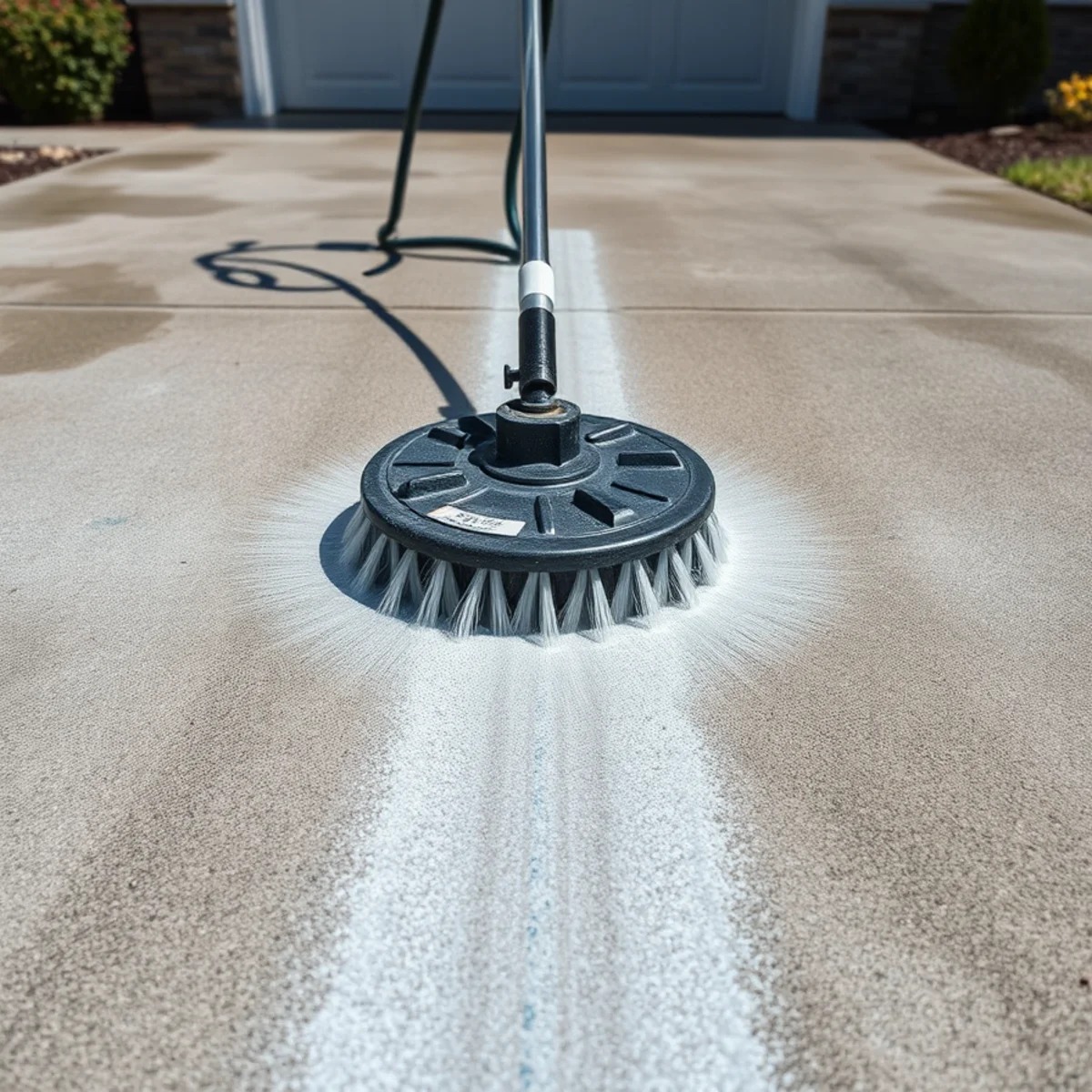
Driveway Cleaning
Expert Massachusetts driveway cleaning for concrete, asphalt, pavers and brick, removing oil, algae, moss and road salt safely.
Read More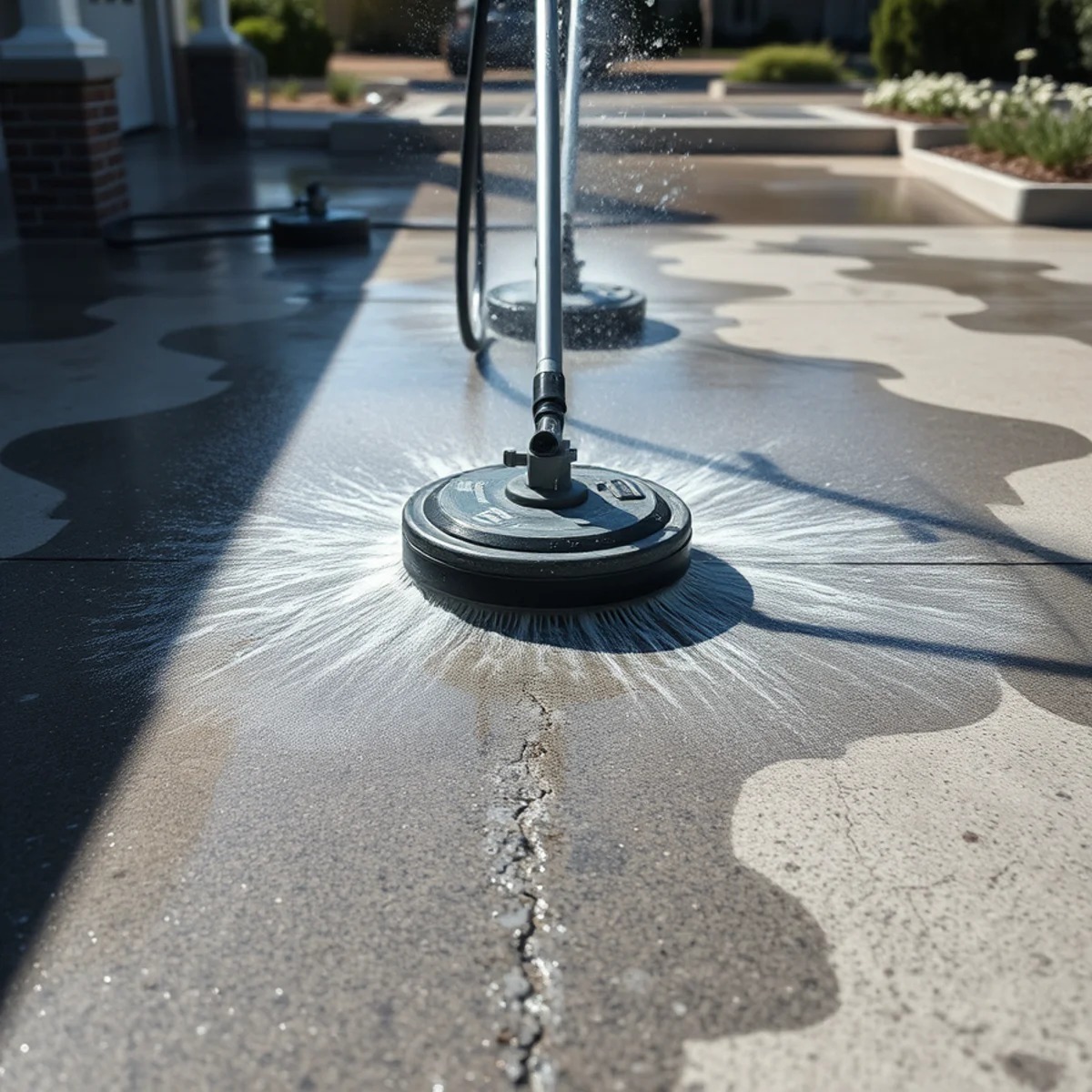
Concrete Cleaning
Expert concrete cleaning in Massachusetts: surface-cleaner flatwork, hot-water degreasing, and chemistry that removes salt, algae, oil, and efflorescence.
Read More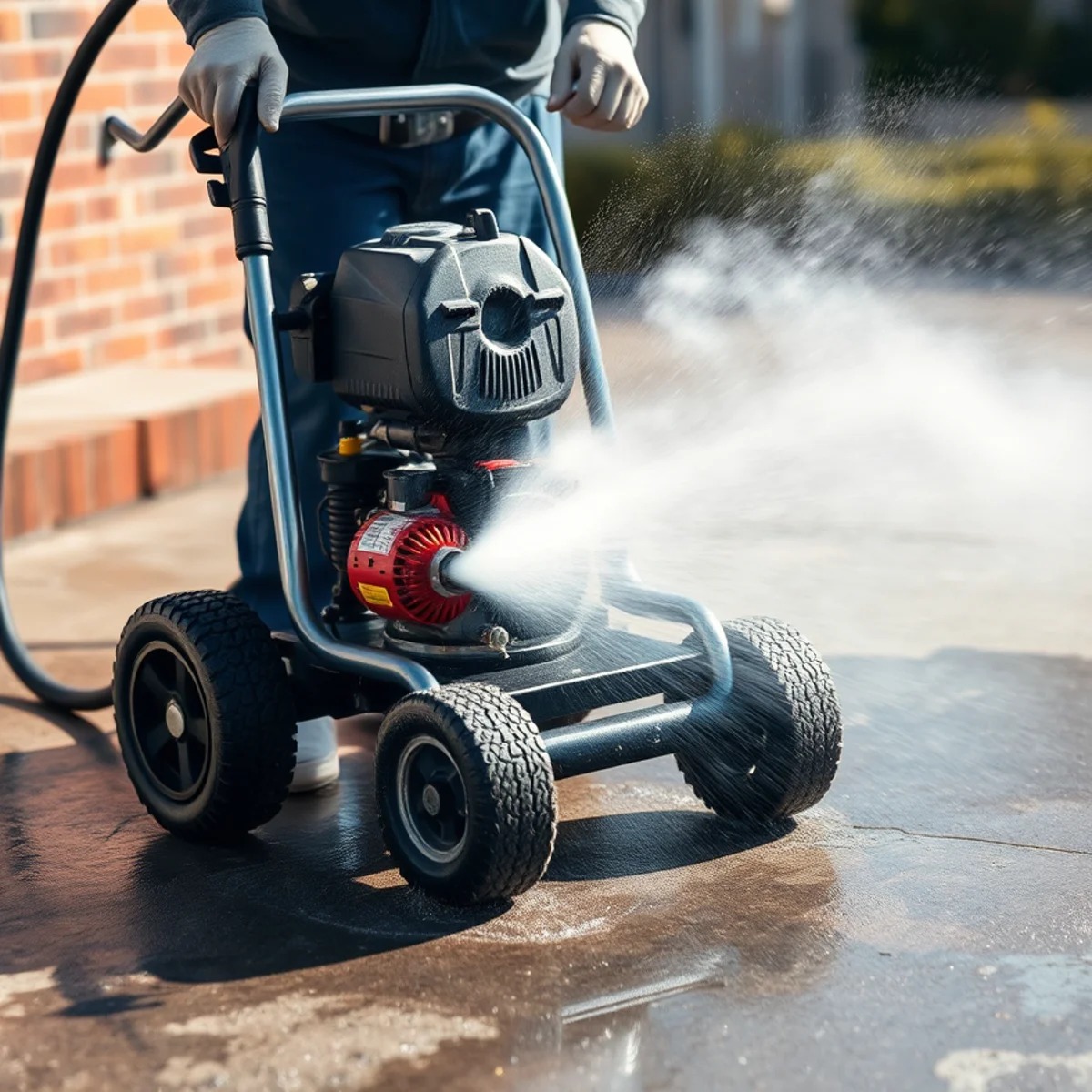
Hot Water Pressure Washing
Truck-mounted hot water pressure washing across Massachusetts that emulsifies grease, oil, gum, and sap on concrete and commercial flatwork.
Read More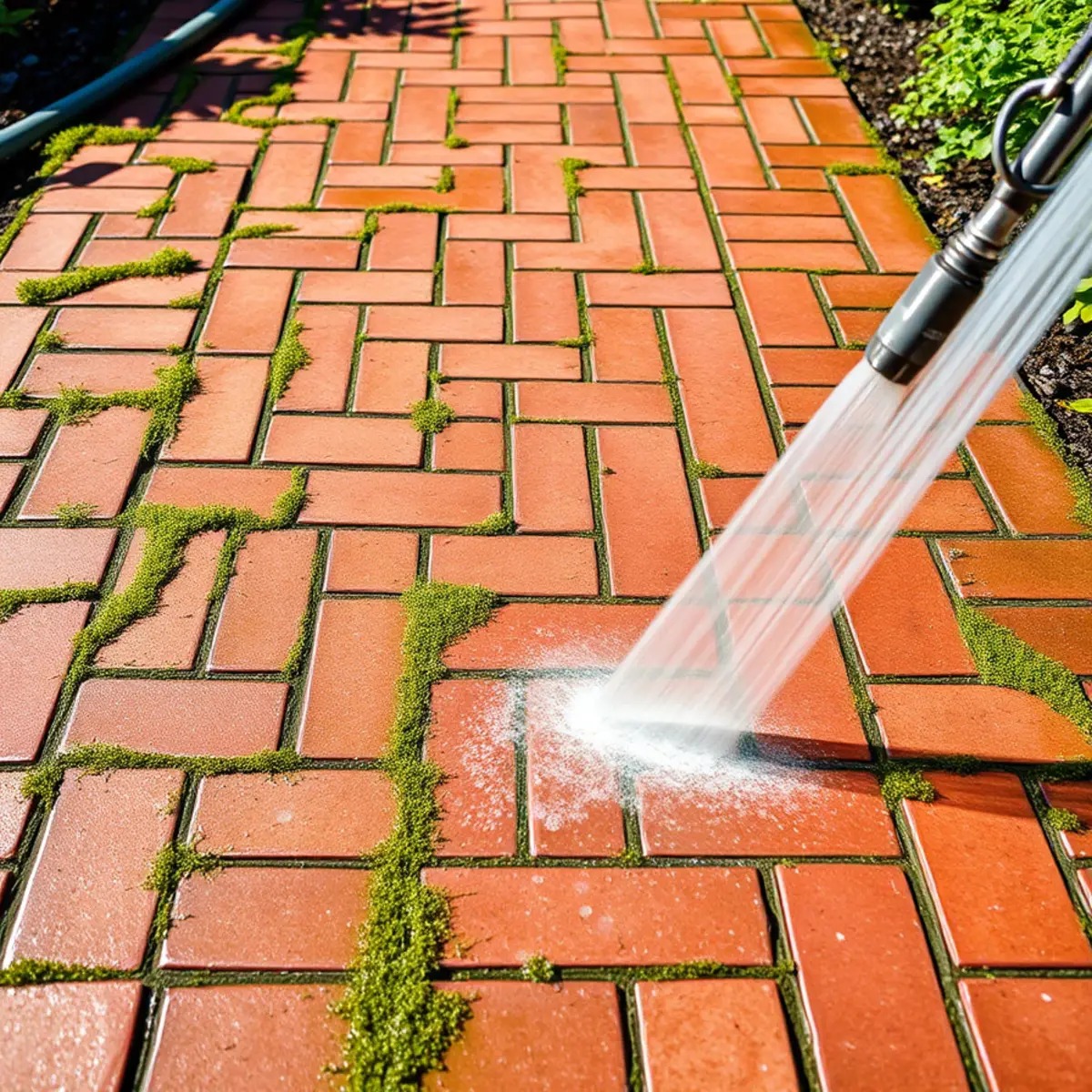
Paver Cleaning
Professional paver cleaning, re-sanding, and sealing across Massachusetts. Soft-wash chemistry that protects joints and stone, not high-PSI blasting.
Read More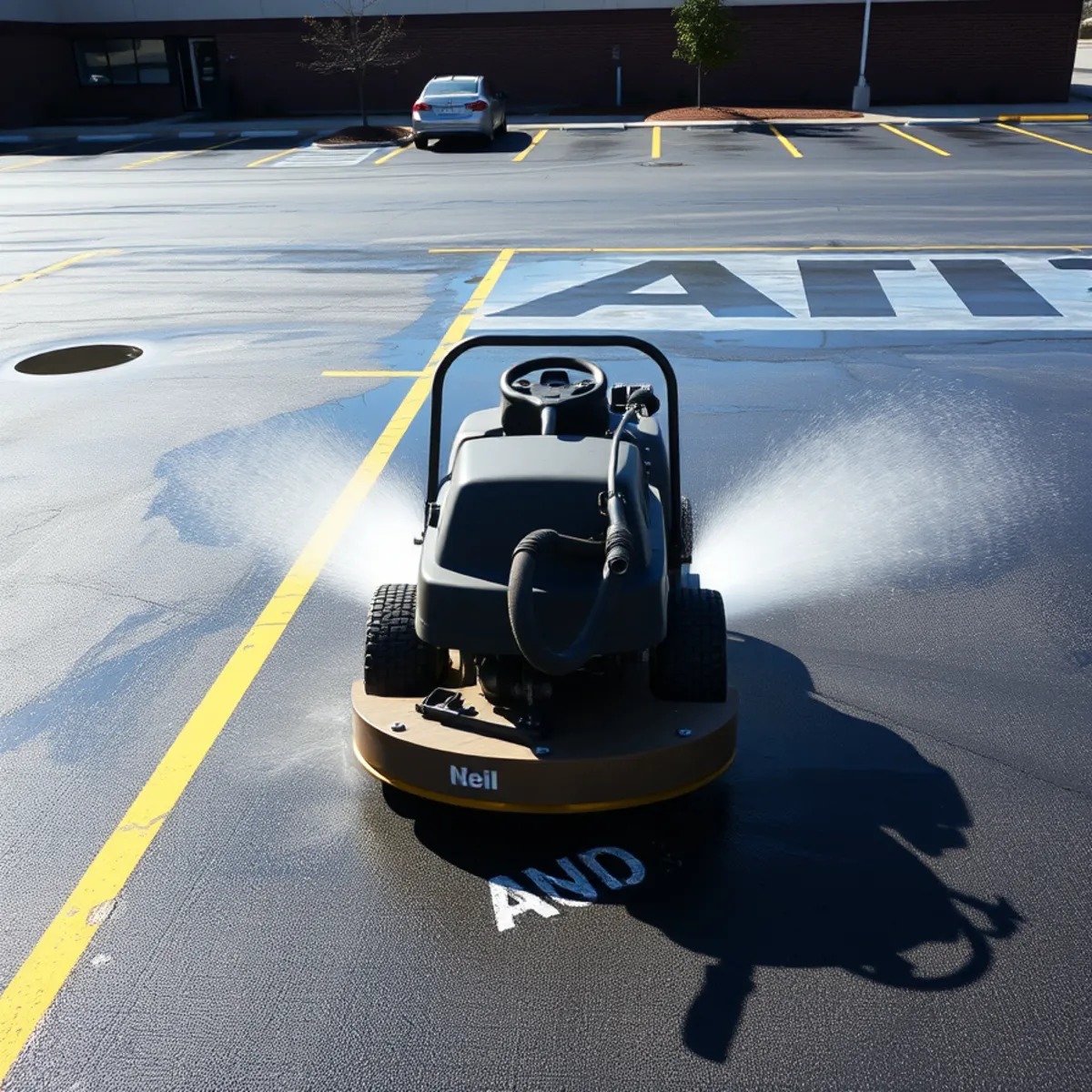
Parking Lot Cleaning
Hot-water commercial parking lot pressure washing across MA. We remove oil, gum, tire marks and road salt while protecting storm drains and your asphalt.
Read MoreReady to Schedule Oil Stain Removal?
Contact Wash Bros today for a free oil stain removal estimate anywhere in Massachusetts.