Efflorescence Removal Services in Massachusetts
Professional efflorescence removal from Wash Bros for Massachusetts homes and businesses — affordable, dependable, and designed to restore curb appeal safely.
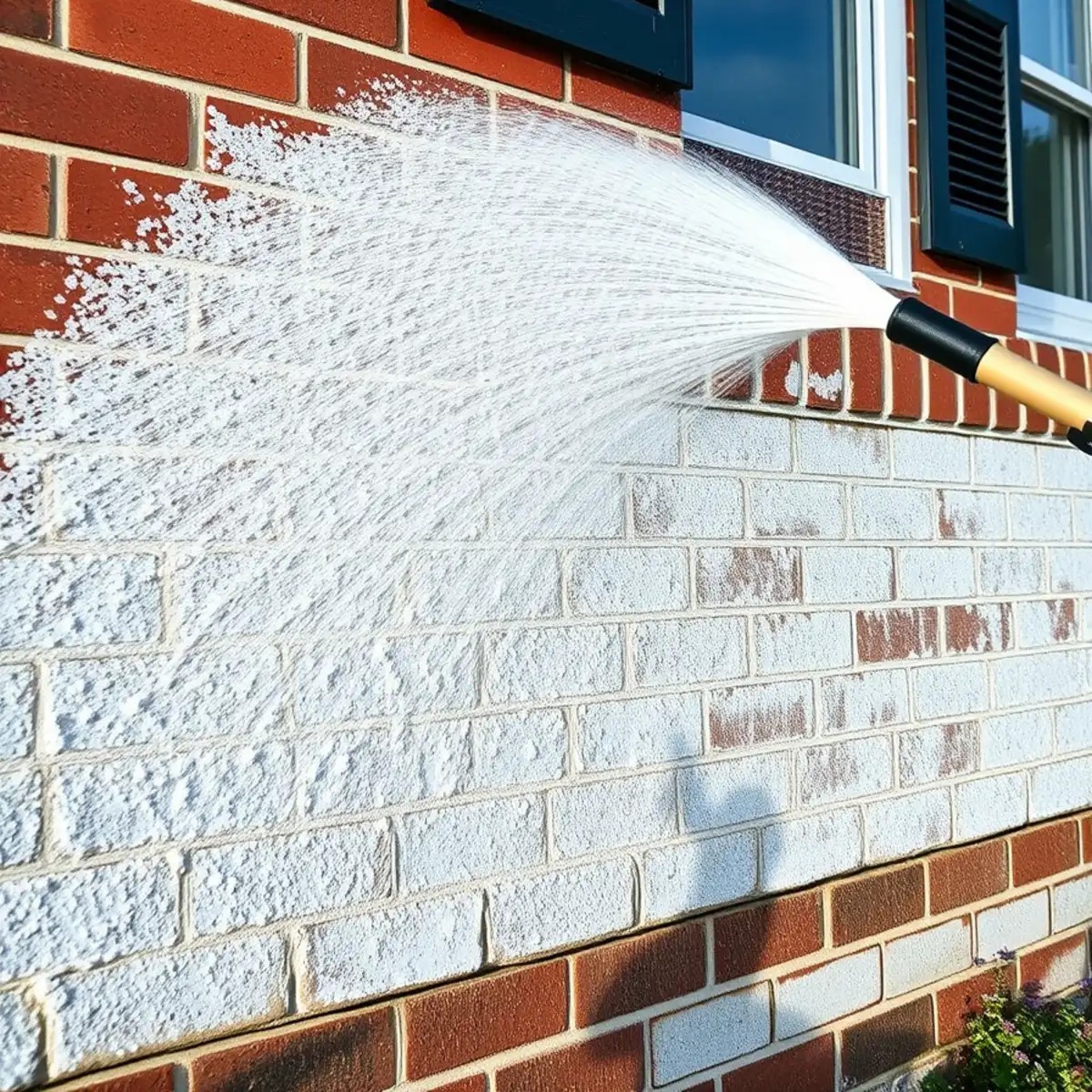
Those chalky white stains creeping across your brick, your foundation, and the pavers around your patio are not dirt. You can scrub with a garden hose all afternoon and they will still be there tomorrow.
That is efflorescence. Mineral salt pushed out of the masonry from the inside.
Left alone, the white powdery residue dulls a wall, hides the real color of your brick, and quietly tells you that water is moving through material it should not be. Worse, the most common "fixes" found online — a stiff wire brush, a jug of vinegar, a pressure washer cranked to full power — drive the salt deeper, etch the surface, and trigger a fresh bloom weeks later. Wash Bros removes efflorescence the way masonry science says it should be done: the right chemistry, a low-pressure rinse, and an honest look at where the moisture is coming from.
What Is Efflorescence? The White Powdery Residue on Brick, Concrete and Pavers Explained
Efflorescence is the crystalline deposit of water-soluble salts left behind when moisture migrates to the surface of porous masonry and evaporates. The water carries dissolved soluble salts up through the pores, then leaves as vapor. The salt cannot, so it crystallizes on the face of the brick, block, or paver as a white-to-grayish haze.
Most of the time those crystals are calcium carbonate or other alkali salts native to cement, mortar, and clay. The deposit feels like a fine, dry powder and often wipes partly away with a dry hand, only to return after the next rain. On concrete pavers and a new retaining wall it can look like a milky film; on brick veneer it shows as a frosted bloom along the mortar joints first, because the mortar is usually the most porous path.
It is cosmetic at the surface. But the surface is telling you something about what is happening underneath.
What Causes Efflorescence: Salt, Moisture and Porous Masonry (The 3 Required Conditions)
Efflorescence needs three things at once. Remove any one of them and it cannot form.
First, a source of soluble salts. Cement, lime mortar, clay brick, and the aggregate in concrete all contain natural salts; groundwater and de-icing salt add more.
Second, moisture to dissolve and move those salts — rain, snowmelt, a high water table, or simple humidity wicking up from the soil.
Third, a porous surface with capillary action that lets the salty water travel to the face and evaporate. Brick, concrete, stone, stucco, and mortar joints are all porous enough to pull water through, the same way a paper towel draws up a spill.
When all three line up, moisture migration carries the salt out, the water evaporates, and the deposit appears. That is why efflorescence clusters on foundations, basement walls, steps, and the bottom courses of a wall — where ground moisture enters and capillary action is strongest.
Primary vs. Secondary Efflorescence (One-Time Bloom vs. Recurring Problem)
This distinction is the single most important thing a homeowner can understand, and almost no competitor explains it.
Primary efflorescence is the one-time bloom on new masonry — the classic "new construction bloom." When fresh concrete, mortar, or a recently installed paver patio cures, the excess water inside pushes a load of salt to the surface during the first months to roughly two years. It looks alarming, it is almost always harmless, and a single professional cleaning resolves it for good once curing finishes.
Secondary efflorescence is the recurring problem. It comes back season after season because an outside water source keeps feeding new moisture into the masonry — a downspout dumping against the foundation, poor drainage, a high water table, or groundwater wicking up through a basement wall. The cleaning is the easy part. If the water path is not addressed, the salt returns.
We can tell you which one you have by looking at the age of the masonry, the pattern of the deposits, and the moisture conditions around the wall.
Efflorescence vs. White Mold vs. Calcium Buildup (Limescale / Lime Bloom): How to Tell the Difference
A lot of "white stuff on the wall" calls turn out to be three different problems, and the fix for each is different.
Efflorescence is mineral, not biological. It is dry, powdery, usually appears in dry weather after the surface has evaporated, and it sits on top of the masonry. Mist a little water on a small spot and true efflorescence will often dissolve and temporarily disappear, then return as it dries.
White mold (and the broader biofilm family) is biological. It feels slightly slimy or fuzzy rather than crystalline, thrives in damp shaded areas, may smell musty, and grows back wetter, not dryer. Efflorescence vs mold matters because mold is treated with a soft-wash biocide and salt with a different chemistry entirely. If your white deposit is in a constantly damp, shady spot and feels organic, it is more likely mold — and that is our mildew and mold removal service.
Calcium buildup / limescale / lime bloom is the toughest cousin. This is calcium leaching — calcium hydroxide that has reached the surface and reacted with air to form a hard, crusty calcium carbonate scale that does not redissolve in plain water. It is harder than ordinary efflorescence and needs a stronger masonry cleaner and more dwell time.
Guessing wrong wastes product and can damage the surface. Identifying the deposit correctly is the first thing we do on site.
Surfaces We Treat: Brick, Concrete, Pavers, Retaining Walls, Foundations, Stone and Stucco
Efflorescence shows up across nearly every masonry surface, and each has its own quirks.
Brick and brick veneer bloom first along the mortar joints and on the lower courses near grade. Older New England brick demands the gentlest approach so we do not etch aged, lime-rich mortar. Concrete and concrete pavers — driveways, walkways, and a fresh paver patio — often show primary bloom while curing, plus salt fed by winter de-icing. Retaining walls and segmental block sit against soil, take on constant ground moisture, and are prime candidates for secondary, recurring efflorescence. Foundation and basement walls are the classic capillary-action case: groundwater wicks up and leaves a band of white near the bottom. Natural stone and stucco are both porous and both react to acid, so they need acid-free chemistry and the lightest touch on the hardscape.
This work pairs naturally with our brick cleaning and paver cleaning services, and many clients fold it into a full house washing.
Our Efflorescence Removal Process Step-by-Step (Inspection, Dry Brushing, Chemical Application, Low-Pressure Rinse, Neutralizing)
Picture a brick foundation gone chalky-white along its base, or a new paver walkway clouded gray. Now picture it back to its true, even color — without a single scarred joint. That is the promise, and here is how we keep it.
It starts with inspection. We identify the deposit (efflorescence, not mold or hard lime scale), read the moisture conditions, and check the age and porosity of the masonry. On a heavy bloom we begin with dry brushing — a stiff bristle brush, never a wire brush on soft brick — to lift loose crystalline salt deposits before any water touches the wall, since pre-wetting would only dissolve that loose salt back into the pores.
Then we apply a specialized efflorescence remover matched to the surface, at a dilution chosen for that material, and let it dwell long enough to break down the salt rather than smear it. We follow with a controlled low-pressure rinse that flushes the dissolved salt up and out of the pores instead of driving it back in. Where the chemistry calls for it, we finish with a neutralizing rinse so no active cleaner sits in the masonry to cause new problems later. Throughout, we pre-soak landscaping and manage runoff containment so nothing harmful reaches your beds, the storm drain, or a well.
The wall dries to its real tone. Not bleached, not blotchy.
Why Pressure Washing Alone Can Make Efflorescence Worse (and Why We Use a Soft-Wash / Low-Pressure Method)
Here is the counterintuitive truth at the center of this service: more pressure makes efflorescence worse, not better.
Salt deposits are a chemistry problem, not a force problem. Blast them with a high-PSI tip and you do two damaging things at once. You force a large volume of water deep into the masonry, where it dissolves more internal salt and feeds the next bloom. And you erode the surface skin and the soft mortar joints, leaving permanent etching and spalling that costs far more to repair than the cleaning did.
Historic brick should never see direct high spray. The correct method is a soft wash under 400 PSI — chemistry first, gentle rinse second. You do not need more pressure; you need the right chemistry. That is the principle behind our soft washing work.
Specialized Efflorescence Removers vs. DIY Vinegar and Muriatic Acid (Why We Don't Use Muriatic Acid)
The internet loves to recommend muriatic acid for white stains on brick. We do not use it, and you should be cautious about anyone who does.
Muriatic acid (hydrochloric acid) is aggressive. On masonry it can burn and discolor brick, eat into mortar joints, leave a yellow "acid burn," and — the irony — introduce a fresh wave of moisture and reactive salts that produces more efflorescence after it dries. Household vinegar is milder but still an acidic cleaner; it dulls and etches sensitive surfaces, is weak against hardened calcium, and leaves its own residue.
We use professional, surface-appropriate efflorescence removers and biodegradable surfactants formulated to dissolve salt without scorching the masonry, paired with correct dilution, dwell time, and a neutralizing rinse. The goal is to remove the salt while protecting the brick, the mortar, and everything growing nearby.
Does Efflorescence Come Back? Addressing the Underlying Moisture Source and Drainage
Cleaning removes the salt you can see. Whether it stays gone depends entirely on the water.
Primary efflorescence on curing masonry usually ends after one good cleaning. Secondary efflorescence keeps returning until the moisture source is interrupted. That means looking hard at drainage: downspouts and gutters that discharge against the foundation, grading that slopes toward the wall instead of away, a missing or failed vapor barrier, and chronic groundwater wicking up through a basement or foundation wall.
We will tell you plainly what we see. Sometimes the fix is simple — redirect a downspout, regrade a flowerbed. Sometimes it points to drainage or waterproofing work beyond exterior cleaning, and we will say so rather than sell you a cleaning we know will not last. Keeping the gutters clear and moving water away from the wall is the most underrated step in stopping salt from returning.
Sealing After Cleaning: Protecting Masonry and Pavers Against Future Efflorescence
Once the surface is clean, dry, and fully cured, a sealer can dramatically slow the next bloom — but only the right kind of sealer.
A quality breathable, hydrophobic masonry sealer repels liquid water from the outside while still letting water vapor escape from within. That keeps rain and de-icing salt out of the pores while allowing the wall to dry. The wrong choice — a non-breathable film that traps moisture and acts like an unintended vapor barrier — makes efflorescence worse, sealing salt and moisture inside until pressure behind the coating leads to spalling.
Timing matters too. Seal too soon, before primary efflorescence has finished blooming and the masonry has cured, and you trap salt under the sealer. We seal after the salt is gone, the surface is dry, and the curing window has passed. Paver sealing in particular is a strong value-add on a freshly cleaned patio or walkway.
Is Efflorescence Harmful? What It Signals About Water Intrusion in Your Walls or Foundation
The salt itself is not a health hazard. It is not toxic, and a light primary bloom on new brick is usually nothing to worry about.
The warning is what it represents. Recurring efflorescence is a visible flag for moisture intrusion — water finding a path into masonry that is supposed to stay dry. Over time that same moisture, combined with our freeze-thaw cycle, cracks mortar, spalls brick, and degrades a foundation. You do not need to fear the white powder, but treat persistent efflorescence as a symptom worth tracing. It is cheaper to find the water now than to repair a compromised foundation later.
DIY vs. Professional Efflorescence Removal in Massachusetts
We understand the urge to handle it yourself. The problem is that the cheap, fast DIY methods are exactly the ones that cause expensive damage. The pressure washer you rent has no soft-wash setting calibrated for historic brick, and full power drives salt and water deeper. The acid from the hardware store does not come with the dilution knowledge that keeps it from burning your mortar. And none of it diagnoses why the salt is there — so the bloom returns, and you do it all again.
A professional brings the correct chemistry, surface-appropriate pressure, landscaping protection, and runoff containment, plus the judgment to tell primary from secondary efflorescence. In a climate like ours, that diagnosis is worth as much as the cleaning. We have repaired masonry scarred by well-meaning DIY across Worcester, Cambridge, and Newton, and the repair always costs more than doing it right the first time.
How Much Does Efflorescence Removal Cost? Factors That Affect Pricing
We will not print a fake number on this page, because an honest estimate depends on your wall, not a headline price. The factors that move the cost are straightforward.
The size of the affected area is the biggest one. A single foundation band cleans faster than an entire brick facade plus a paver patio. Severity matters next — a light primary haze releases easily, while hardened lime bloom or years of accumulated salt takes more product and dwell time. Surface type plays a role: delicate historic brick, natural stone, and stucco call for slower, gentler chemistry than a concrete block wall. Access and height factor in, as does whether you add sealing. And secondary efflorescence that involves a drainage diagnosis is a different scope than a one-time bloom.
We look at the actual surface and give you a clear, written estimate for free — no guesswork, no surprises.
Why Choose Wash Bros for Efflorescence Removal in Massachusetts
Wash Bros is a family-run company started in 2023 by brothers Louis and Dominic, and we have built a 5.0 average across 130 Google reviews by doing this work carefully. We are fully insured, and our certificate of insurance is available on request — a step the low-ball, uninsured outfits skip, and the one that protects your property if something goes wrong. When you vet any masonry contractor, ask for that COI in writing; it is the simplest way to separate the professionals from the weekend operators.
We bring surface-appropriate chemistry and pressure, biodegradable surfactants, landscaping pre-soaks, and real runoff awareness to every job. We are satisfaction-focused, and we would rather tell you the truth about a moisture source than sell you a cleaning we know will not hold.
Service Areas Across Massachusetts
Massachusetts masonry is practically built to grow efflorescence. The freeze-thaw cycle drives moisture deep into brick and concrete all winter, then pushes dissolved salts to the surface each spring. Heavy road and walkway de-icing salt adds an external salt load to driveways, garage aprons, and front steps. High water tables and spring snowmelt feed recurring secondary bloom on foundation and basement walls. And our older, historic brick homes need acid-free chemistry that will not etch aged mortar.
The best results come during the warm, dry stretches from late spring through early fall, when the masonry can fully dry and a sealer can cure before road-salt season returns.
We treat efflorescence on homes and businesses statewide, from Boston and the North Shore to central Massachusetts and Quincy on the South Shore.
If white salt deposits are dulling your brick, foundation, or pavers, call Wash Bros at +1 (351) 242-0666 for a free efflorescence removal estimate today.
Problems We Solve
- White powdery residue or chalky salt deposits dulling brick, concrete, pavers, or your foundation
- New construction bloom clouding a freshly installed paver patio, retaining wall, or concrete walkway
- Recurring efflorescence that keeps returning after every cleaning because of an unresolved moisture or drainage source
- Confusion over whether the white deposit is efflorescence, white mold, or hardened calcium/limescale
- Damage and etching left by DIY vinegar, muriatic acid, or full-pressure washing on masonry and mortar joints
- Salt deposits on basement and foundation walls signaling possible water intrusion behind the masonry
Our Cleaning Process
- 1
Inspect the surface and identify problem areas
- 2
Protect nearby landscaping, fixtures, and finishes
- 3
Apply the correct cleaning method for the surface
- 4
Wash and rinse thoroughly with professional equipment
- 5
Final quality check and walkthrough with you
Why Choose Wash Bros
- Affordable, upfront pricing
- Dependable scheduling
- Experienced exterior cleaning team
- Surface-safe process, every job
- Residential & commercial options
- 5.0 stars across 130 reviews
Efflorescence Removal Across Massachusetts
We provide efflorescence removal in 351 Massachusetts cities, including:
Efflorescence Removal FAQs
Related Services
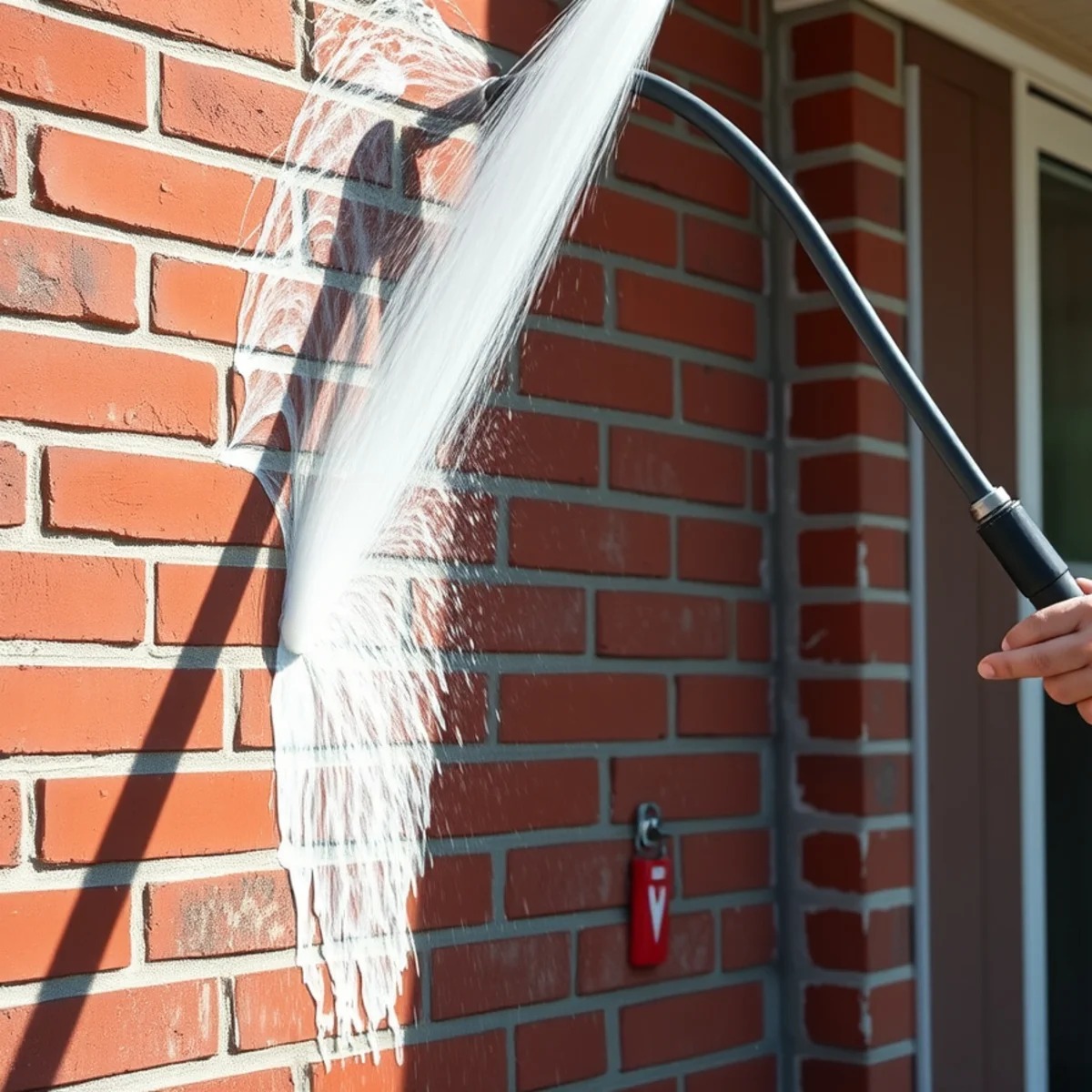
Brick Cleaning
Expert soft-wash brick cleaning in Massachusetts that removes algae, mold, and efflorescence while protecting mortar joints and historic brick.
Read More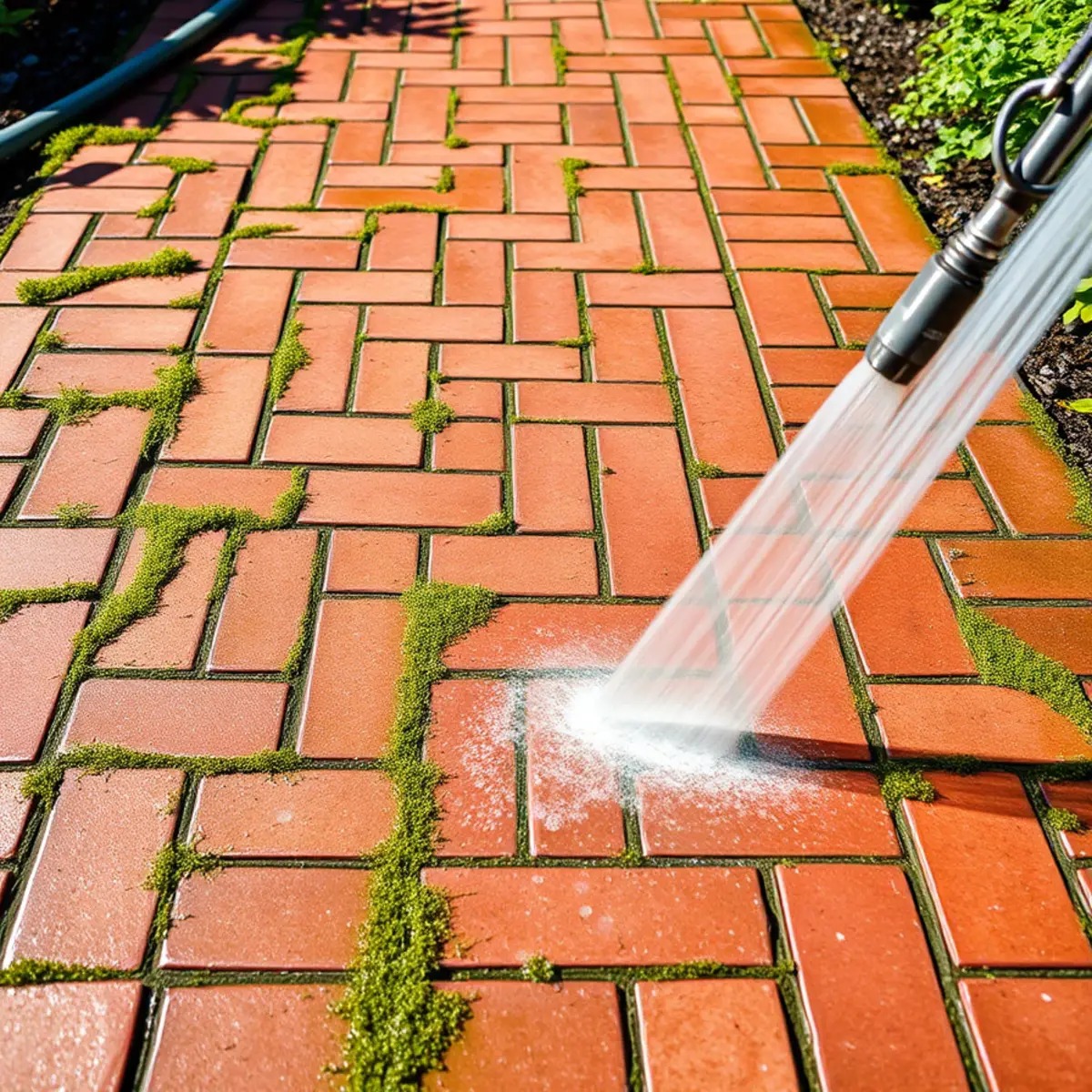
Paver Cleaning
Professional paver cleaning, re-sanding, and sealing across Massachusetts. Soft-wash chemistry that protects joints and stone, not high-PSI blasting.
Read More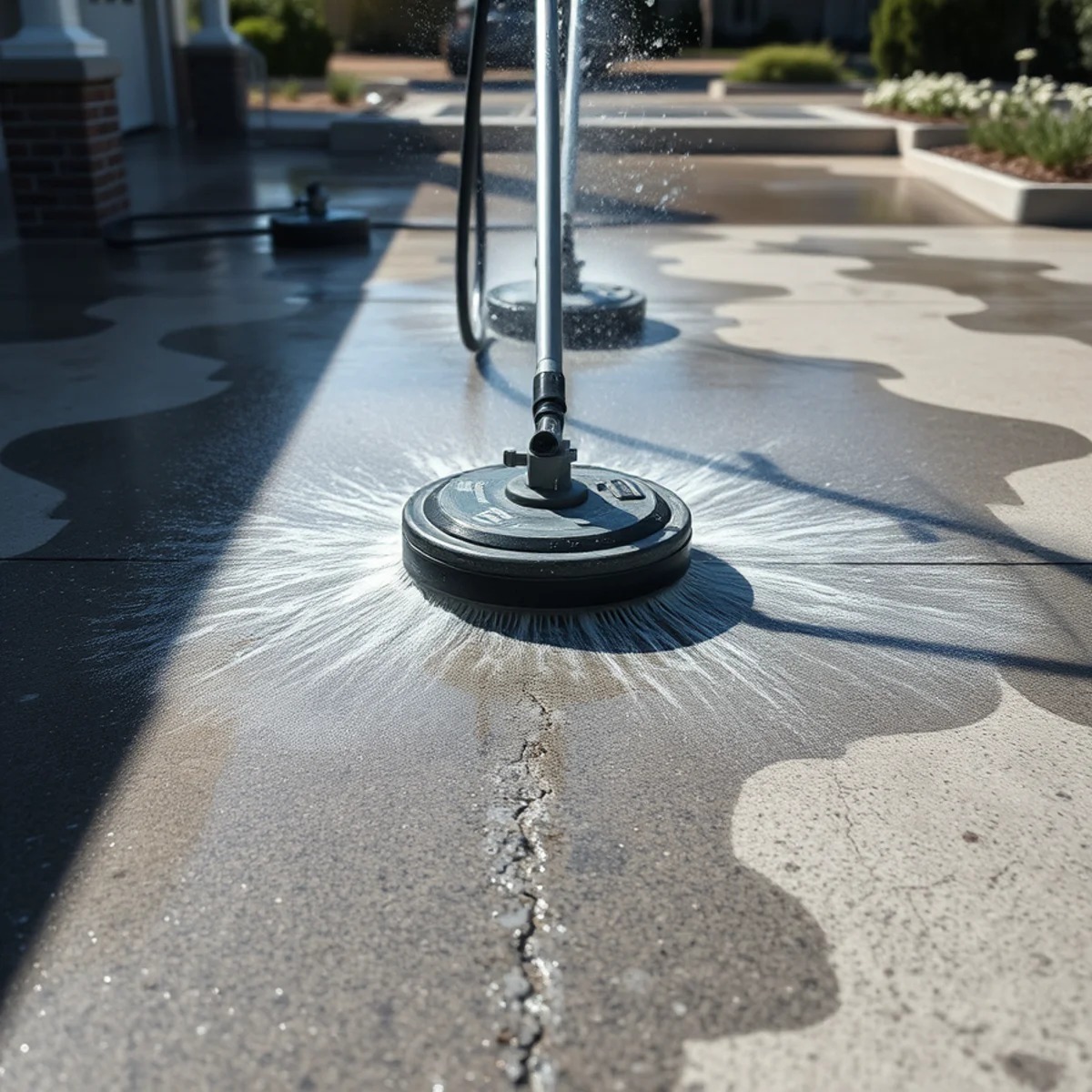
Concrete Cleaning
Expert concrete cleaning in Massachusetts: surface-cleaner flatwork, hot-water degreasing, and chemistry that removes salt, algae, oil, and efflorescence.
Read More
Soft Washing
Low-pressure soft washing that kills roof algae, mold, and black streaks at the root, safely cleaning MA roofs and siding.
Read More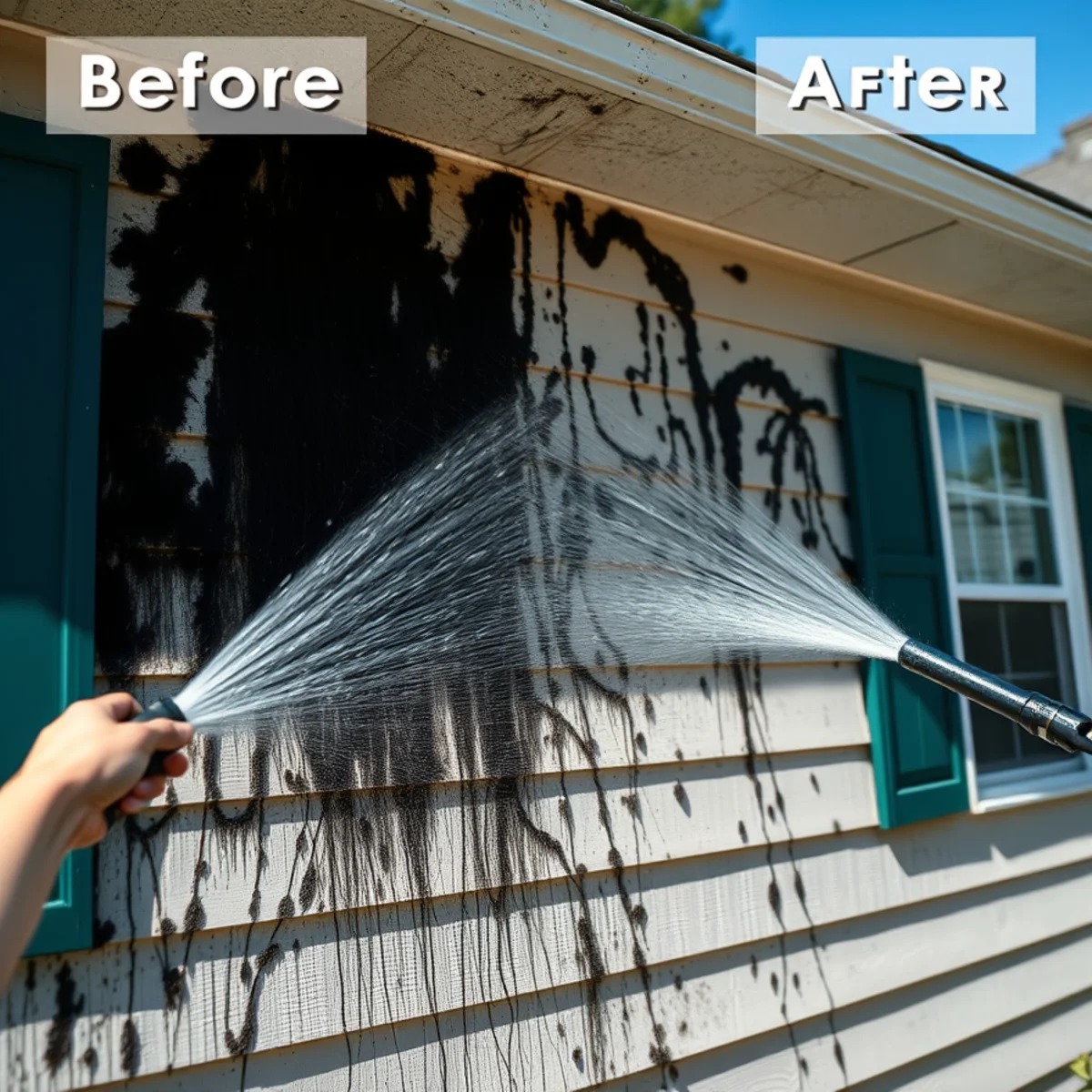
Mildew & Mold Removal
Soft-wash mildew and mold removal that kills growth at the root on Massachusetts siding, roofs, and hardscapes — not just a quick rinse.
Read MoreReady to Schedule Efflorescence Removal?
Contact Wash Bros today for a free efflorescence removal estimate anywhere in Massachusetts.