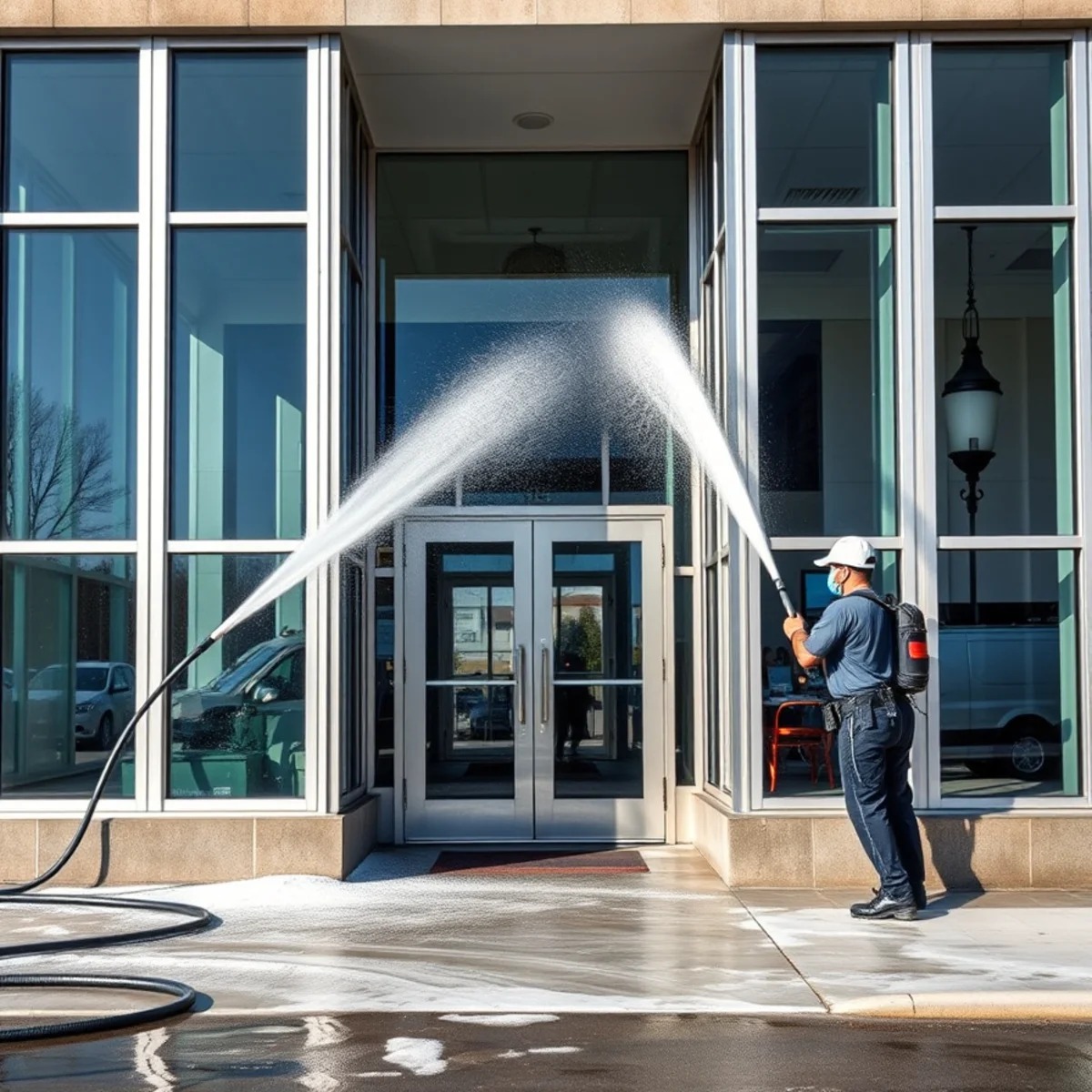
A veteran MA contractor's guide to why commercial buildings need regular pressure washing, covering liability, compliance, costs, frequency, and surface-by-surface method.
Your commercial building is the first thing customers, tenants, and inspectors judge, and in New England it takes a beating twelve months a year. Regular pressure washing isn't a vanity project. It's preventive maintenance that protects your property value, lowers slip-and-fall liability, and keeps your business looking open and trustworthy. This guide walks through what dirt actually does to a building, how often to clean by property type, real cost factors, and how to plan a service schedule that holds up to Massachusetts weather.
Why a Clean Commercial Building Is a Business Asset, Not a Cost
Treat your building envelope the way you treat your HVAC system: a modest, predictable expense that prevents large, unpredictable ones. A dingy facade doesn't just look tired. It quietly costs you tenants, customers, and capital.
Three things happen when you let an exterior go:
- You lose business at the curb. Foot-traffic businesses live and die on first impressions. A gum-covered sidewalk or streaked storefront tells a customer you don't sweep the details, and they extend that judgment to your product or service.
- You accelerate deferred maintenance. Biological growth and salt residue don't sit politely on the surface. They work into porous brick, concrete, and sealant, turning a cleaning bill into a repair bill.
- You weaken your asset. Whether you lease, sell, or refinance, a maintained exterior supports a stronger appraisal and faster transactions. Deferred maintenance is the first thing a buyer's inspector flags.
A scheduled commercial pressure washing program turns all three problems into a line item you control.
What Is Commercial Pressure Washing (and How It Differs from Residential)?
Commercial pressure washing is the exterior cleaning of business properties: facades, storefronts, sidewalks, parking lots, dumpster pads, drive-thrus, and loading docks. It uses a mix of pressure, water temperature, and cleaning chemistry matched to each surface.
The work differs from a home wash in scale and complexity, not just square footage:
- More demanding contaminants. Restaurants generate grease. Warehouses generate dust and tire marks. Retail centers collect gum, oil, and graffiti. These need hot water, surfactants, or both, not just a wand.
- Higher liability. A commercial site has tenants, employees, and the public on it. Containment of wastewater, runoff awareness, and scheduling around business hours all matter.
- Mixed materials in one envelope. A single strip mall might combine EIFS, brick, metal panels, vinyl, and concrete, each demanding a different pressure and approach.
- Bigger equipment. Commercial jobs lean on higher GPM (gallons per minute) machines, hot-water units, surface cleaners for flatwork, and water-reclamation gear for runoff capture.
The core principle the best contractors follow is simple: you don't need more pressure, you need the right chemistry. Pressure alone does not kill algae and mold roots. Biodegradable surfactants do.
Why Commercial Buildings Get Dirty Faster Than Homes
A house sits quietly in a yard. A commercial building absorbs abuse from every direction, all day.
- Foot and vehicle traffic grind dirt, oil, and rubber into walkways and lots. Drive-thru lanes and loading docks see the worst of it.
- HVAC and exhaust residue settle as a gray carbon film on walls near rooftop units, kitchen vents, and busy roads.
- Dumpster pads and grease leak food waste, oil, and bacteria that attract pests and stain concrete.
- Road salt and de-icing chemicals splash off the street onto lower walls, entries, and walkways every Massachusetts winter.
- Signage, awnings, and high glass collect grime, cobwebs, and pollen that read as neglect from across the street.
Each of these accumulates faster than a typical home faces, which is why commercial properties need a real schedule rather than an occasional once-over.
What Buildup Actually Does to Brick, Concrete, EIFS, and Siding
Left alone, exterior grime traps moisture, feeds rot, and forces premature repairs that cost far more than routine washing.
- Algae, mold, and mildew thrive in shaded, damp areas, especially north-facing walls and spots under overhangs. They hold moisture against siding, brick, and concrete and accelerate decay.
- Black streaks on roofs and upper walls come from Gloeocapsa magma, a hardy cyanobacteria that feeds on roofing granules and spreads across whole planes if ignored.
- Lichen and moss sink rootlike structures into mortar joints and porous masonry, prying surfaces apart over time.
- Efflorescence the white, chalky mineral bloom on brick and concrete signals moisture moving through masonry and needs specific treatment, not just blasting.
- Oxidation dulls vinyl siding and metal panels into a chalky film that ordinary rinsing won't restore.
- Oil, grease, and rust stains etch into concrete and asphalt, becoming permanent if they aren't lifted while fresh.
Here's the part owners miss: in Massachusetts, biological growth and moisture combine with the freeze-thaw cycle. Water and trapped organic material soak into porous brick, mortar, and concrete, then expand when they freeze. Repeated freeze-thaw cycles crack joints, spall brick faces, and lift flatwork. Removing growth before winter keeps moisture from getting that foothold. For ongoing protection of larger structures, comprehensive building washing covers the full envelope from upper walls down to ground-level masonry.
First Impressions and Curb Appeal: What Customers See First
For any business that depends on walk-ins, tenants, or client visits, the exterior is a silent salesperson working every hour you're open and every hour you're closed.
Customers form judgments fastest at three zones:
- Entrances and storefronts. Smudged glass, grimy thresholds, and dirty awnings register in the first two seconds.
- Walkways and sidewalks. Stains, mildew, and chewing gum read as neglect and can feel unsafe.
- Parking areas. They set the tone before a customer even opens the car door.
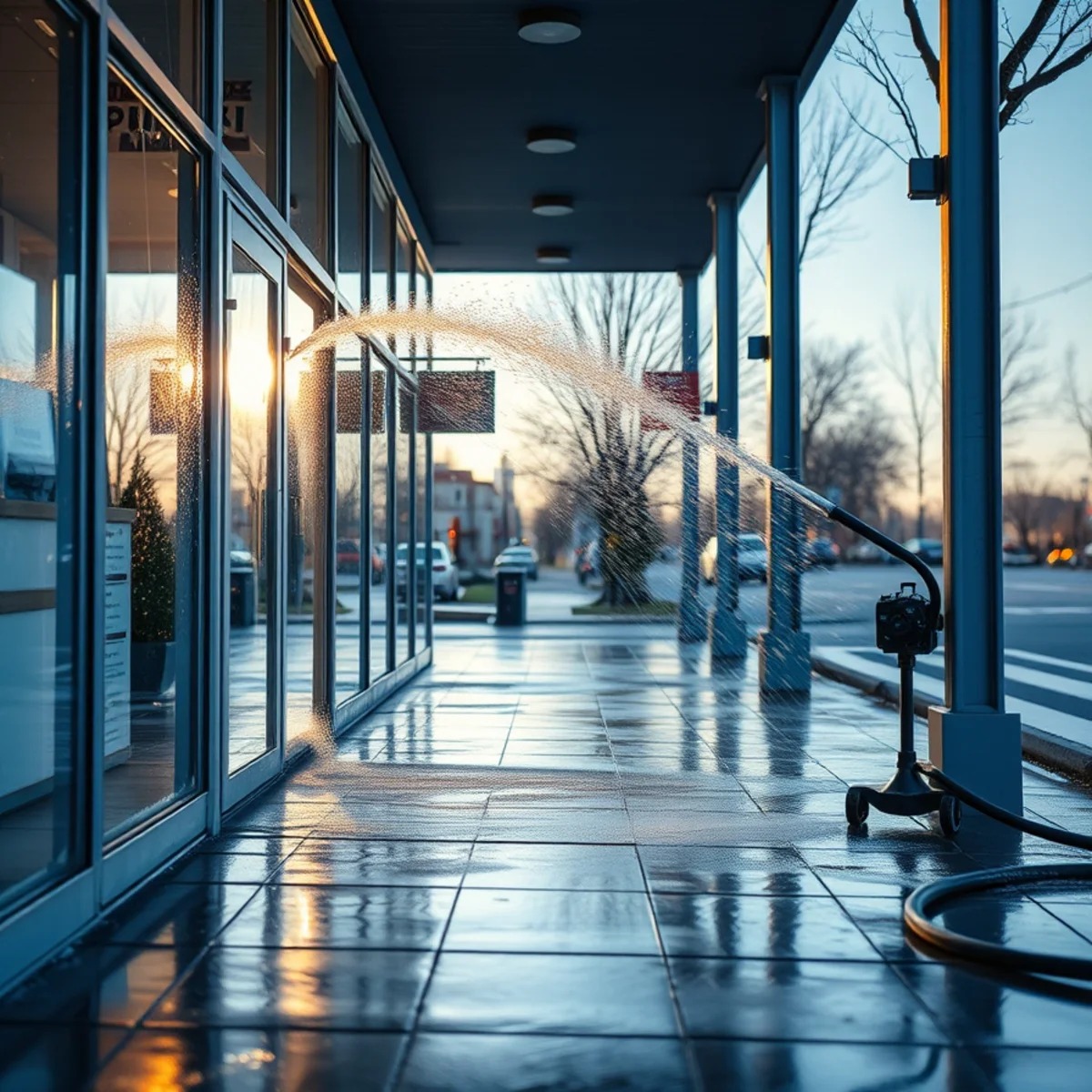
Retail, restaurant, and office tenants in busy districts like Boston and Worcester compete for attention on crowded streets. Regular storefront pressure washing keeps your property looking cared-for and competitive, which feeds directly into your bottom line and your tenants' renewal decisions.
Safety and Slip-and-Fall Liability You Can't Ignore
Slip-and-fall claims are among the most common and expensive liabilities a property owner faces, and organic growth is a leading cause. Algae and mildew on walkways, ramps, loading docks, and stairs create a slick film that turns dangerous the moment it rains or snows, which in New England is most of the year.
Routine cleaning of high-traffic concrete does two things. It reduces the hazard, and it demonstrates that you took reasonable steps to maintain a safe property. That second point matters more than most owners realize.
A documented, recurring cleaning schedule becomes evidence. If a slip-and-fall claim ever lands on your desk, dated service records showing you proactively maintained walkway traction help establish that you met your duty of care. Most competitors never mention this, but it's one of the strongest reasons to keep your cleaning on a paper trail.
Pressure washing also clears the specific hazards that cause falls:
- Slippery moss and algae on entry ramps and steps
- Oil and fluid stains in parking areas that create slick spots
- Built-up grease near restaurant entrances and dumpster pads
Keeping ADA-accessible walkways clean and unobstructed is part of the same responsibility. For food-service properties, grease and grime around back doors and patios attract pests and create health-code exposure, which is why periodic restaurant pressure washing keeps those areas sanitary and inspection-ready.
The Compliance Angle: OSHA, Health Codes, and EPA Runoff
A dirty building can move from cosmetic to legal fast, especially in food service.
- Health codes. Grease, food residue, and pest-attracting buildup around dumpster pads, drive-thrus, and kitchen exits are exactly what a health inspector looks for. Documented cleaning supports a clean inspection.
- OSHA and worker safety. Slick floors at loading docks and entries are a recognized workplace hazard. Keeping traction surfaces clean is part of providing a safe workplace.
- EPA and stormwater runoff. This is the one most DIY and uninsured operators get wrong. Wash water carrying grease, soaps, and chemicals is not allowed to flow freely into storm drains. Massachusetts municipal stormwater (MS4) permits and EPA rules require that contaminated runoff be contained or properly managed.
A professional crew uses runoff containment and, where needed, wastewater reclamation to capture dirty water rather than letting it reach the storm system. That compliance is a genuine selling point of hiring a pro instead of running a hose yourself, particularly for dumpster pads and grease-heavy flatwork.
Pressure Washing vs Soft Washing: Choosing by Surface
The single most important decision on a commercial job is method, not muscle. The wrong technique cracks stucco, forces water behind siding, or strips finishes.
Soft washing uses low pressure (under roughly 100 PSI, similar to a garden hose) combined with biodegradable cleaning solutions and surfactants, often with a measured dose of sodium hypochlorite, to dissolve and kill biological growth at the root. It's the right call for delicate or porous surfaces. Learn more about our soft washing approach.
Pressure washing (also called power washing, especially when heated) uses higher PSI and is reserved for durable, hardscape surfaces that can take it.
Here's a surface-by-surface starting guide for commercial materials:
| Surface | Method | Typical PSI Range |
|---|---|---|
| EIFS / synthetic stucco | Soft wash | Under 150 |
| Real stucco | Soft wash | Under 150 |
| Vinyl siding | Soft wash | 100 to 500 |
| Metal panels / roofing | Low pressure | 500 to 800 |
| Historic / mill brick | Low to moderate | Under 400 |
| Asphalt shingle roof | Soft wash | Under 100 |
| Concrete sidewalk / lot | Pressure wash | 2,000 to 3,000 |
These are guidelines, not gospel. Mortar condition, brick age, and existing damage all shift the right setting. A New England mill building from the 1800s gets treated very differently than a new metal warehouse, and an experienced crew tests an inconspicuous area first.
Common Commercial Surfaces and Areas We Clean
A complete commercial program touches far more than the front wall:
- Facades and upper walls soft washed to remove algae, streaks, and carbon film without driving water behind cladding.
- Storefronts and entries including thresholds, awnings, and column bases.
- Sidewalks and walkways where sidewalk cleaning restores traction and removes gum and stains.
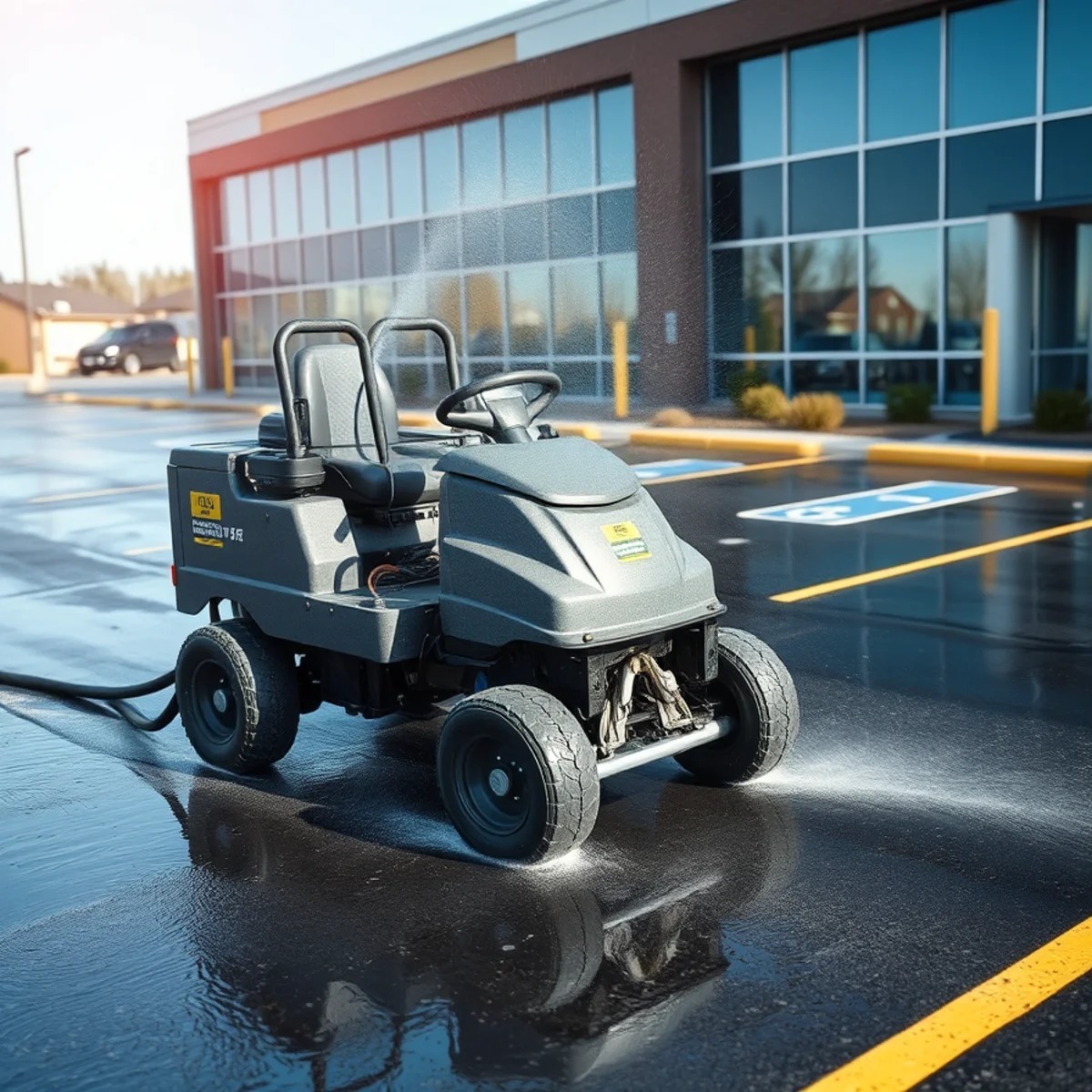
- Parking lots and structures where parking lot cleaning lifts oil, tire marks, and grime from large flatwork.
- Dumpster pads degreased and sanitized to cut odor, pests, and health-code risk.
- Drive-thru lanes and loading docks the highest-wear zones on the property.
- Stubborn stains including graffiti, rust, oil, and gum that need targeted chemistry rather than brute force.
How Often Should You Pressure Wash a Commercial Building?
There's no single answer because every property faces different conditions. Use these as starting points and adjust to what you actually see on the walls.
- High-traffic storefronts and restaurants. Entrances, walkways, and dumpster areas often need attention quarterly or even monthly, with full building washing once or twice a year.
- Office buildings and professional spaces. A thorough exterior cleaning once or twice per year usually keeps things sharp.
- Industrial and warehouse facilities. Schedule by the contaminants you generate. Heavy grease, dust, or equipment traffic pushes toward more frequent service.
- Parking structures and lots. An annual deep clean plus spot treatment for oil and spills works for most properties.
- HOAs and apartment complexes. Common areas, breezeways, and siding typically warrant an annual or semiannual wash to keep tenants satisfied and units leasable.
Massachusetts Factors That Push Frequency Higher
- Coastal and South Shore salt air speeds algae growth and oxidation on buildings near the water.
- Heavy tree cover drops pollen, sap, and organic debris that feed mold.
- Long, wet winters leave de-icing salt and grime that should be washed off every spring.
Industry-Specific Needs
Different businesses generate different messes. Matching the plan to the use case is where long-tail value lives.
- Restaurants and food service. Grease at back doors, patios, and dumpster pads; hot water and degreasers are essential, and frequency runs high.
- Retail and storefronts. Gum, glass film, awning grime, and seasonal pollen. Cleaning before peak retail seasons and tenant turnover pays off.
- Office buildings and office parks. Facade streaking, entry walkways, and parking areas; appearance signals professionalism to clients and prospective tenants.
- Medical and dental. Hygiene perception is the product. Pristine entries and walkways reassure patients before they walk in.
- HOAs and apartment complexes. Breezeways, siding, sidewalks, and amenity areas drive tenant satisfaction and retention.
- Warehouses and industrial sites. Dust, tire marks, loading-dock grease, and equipment grime, often on metal and concrete.
Best Time of Year to Pressure Wash in Massachusetts
The practical window for exterior washing in Massachusetts runs roughly April through October, when temperatures stay reliably above freezing. Washing in hard cold risks ice on walkways and equipment trouble.
Two anchor points make the most sense for commercial properties:
- Spring refresh (April to June). Clears winter road salt, sand, and grime, plus the heavy spring pollen load that coats walls and HVAC intakes. This is the single highest-value wash of the year for most MA businesses.
- Fall cleaning (September to October). Removes summer's biological growth and organic debris before the first frost, so trapped moisture isn't sitting in masonry through freeze-thaw season.
Many property managers run both: a spring deep clean and a fall touch-up, with spot service for high-traffic zones in between.
How Much Does Commercial Pressure Washing Cost?
Honest answer: it depends, and any contractor quoting a firm price sight unseen is guessing. Commercial pricing is most often built on square footage, but several factors move the number:
- Total square footage of walls and flatwork being cleaned.
- Surface type and access EIFS and high facades take more care and equipment than a flat sidewalk.
- Contaminant severity heavy grease, graffiti, rust, and oxidation need specialized chemistry and time.
- Hot water vs cold grease and gum often require hot water pressure washing, which costs more to run.
- Runoff containment and reclamation required on some sites for compliance.
- Frequency recurring service plans typically price better per visit than one-off calls.
Rather than quote a number that wouldn't fit your property, Wash Bros gives a clear written estimate after assessing the site. As a rule of thumb, routine washing costs a small fraction of repairing or replacing the surfaces it protects, replacing spalled brick, resealing failed EIFS, or repaving stained concrete runs into many thousands of dollars more than keeping them clean.
How Long Does It Take?
Most single-building commercial washes are completed in a day, and many storefronts in a few hours. Larger multi-building complexes, parking structures, or heavily soiled industrial sites can run multiple days. Good contractors schedule around your operating hours, early mornings, evenings, or weekends, so cleaning doesn't interrupt customers or tenants.
Why Hire a Professional Instead of DIY or In-House Maintenance
A box-store pressure washer in the hands of a maintenance employee causes more damage than it prevents. Real reasons to bring in a pro:
- Insurance. If something goes wrong on a commercial site, water intrusion, slip injury, property damage, you want a fully insured contractor standing between the incident and your business. Always ask for a certificate of insurance.
- The right equipment. Hot-water units, surface cleaners, soft-wash systems, and runoff reclamation aren't realistic for in-house teams.
- Surface knowledge. Knowing that EIFS needs under 150 PSI while concrete takes 2,000 to 3,000 is the difference between a clean wall and a destroyed one.
- Compliance. Professionals handle EPA and MS4 runoff requirements so you don't inherit a stormwater violation.
- Chemistry. Biodegradable surfactants kill growth at the root; pressure alone just moves it around and brings it back faster.
Signs Your Building Is Overdue for a Wash
Walk your property and look for these:
- Green or black streaking on walls, especially north-facing
- Slick, discolored walkways or entry steps
- White efflorescence bloom on brick or concrete
- Chalky, dull vinyl or metal (oxidation)
- Grease shadows and odor near the dumpster pad
- Gum, oil stains, and tire marks across high-traffic flatwork
- Tenant or customer comments about appearance
Any two of these together means it's time to call.
The ROI of a Recurring Maintenance Plan
A scheduled recurring service plan beats reactive one-off cleanings on every metric that matters. You spread cost into predictable budget lines, you keep the property continuously presentable instead of cycling between clean and neglected, and you build the dated service record that protects you in a liability claim. You also catch growth and staining early, while it still rinses off, before it etches in and demands restoration. For property managers running multiple buildings, a single plan across the portfolio simplifies vendor management and keeps every site on brand.
Massachusetts-Specific Challenges
New England weather is uniquely hard on commercial exteriors, and a contractor who doesn't account for it will under-serve your property.
- Winter road salt and de-icing chemicals splash onto lower walls, entries, and walkways, accelerating concrete spalling and metal corrosion. This drives a strong case for a spring wash every year.
- Freeze-thaw cycles force moisture and trapped organic growth into porous brick, mortar, and concrete, cracking joints and spalling faces. Cleaning before winter removes the growth before freeze damage compounds.
- High humidity and heavy rainfall create ideal conditions for mold, mildew, algae (those Gloeocapsa magma black streaks), and lichen, especially on shaded north-facing walls.
- Spring tree pollen blankets exteriors and clogs HVAC intakes statewide, making the spring wash a seasonal must.
- Coastal salt air on the South Shore, North Shore, and Cape speeds oxidation and biological growth on waterfront buildings.
We're experienced with New England building materials, from historic mill brick and vinyl to EIFS, and we serve commercial properties across communities like Cambridge and the surrounding region.
How to Choose a Commercial Pressure Washing Company in Massachusetts
Not all pressure washing is equal, and on a commercial property the stakes are higher. When evaluating a provider, look for one that:
- Is fully insured and provides a certificate of insurance on request
- Has genuine commercial experience with the surfaces on your building
- Uses the correct method per surface, soft washing where needed and high pressure only where appropriate
- Practices runoff containment and understands MS4 and EPA requirements
- Can work around your hours to minimize disruption
- Provides a clear written estimate with no surprises
Wash Bros was founded in 2023 by brothers Louis and Dominic. We've built our reputation on being affordable, dependable, and easy to work with, and we're proud of our 5.0 average rating across 130 Google reviews. We serve commercial properties across all 351 Massachusetts cities and towns, from downtown districts to suburban office parks and industrial sites.
Protect Your Property This Season
A clean exterior protects your investment, keeps customers and tenants safe, and tells everyone who walks by that your business takes pride in how it shows up. Whether you manage a single storefront or a multi-building complex, we'll assess your property, recommend the right method for each surface, and build a maintenance plan that fits your budget. Request a free commercial estimate through our contact us page or call directly at +1 (351) 242-0666, and we'll keep your property looking its best all year long.
Frequently Asked Questions
Need Professional Exterior Cleaning?
Wash Bros provides affordable, dependable pressure washing across Massachusetts. Get your free estimate today.
Get a Free Estimate