Parking Lot Cleaning Services in Massachusetts
Professional parking lot cleaning from Wash Bros for Massachusetts homes and businesses — affordable, dependable, and designed to restore curb appeal safely.
Your parking lot is the first handshake your business gives. It is also the last impression a customer carries to their car. When that asphalt is streaked with black oil, freckled with flattened gum, and ringed with winter salt haze, it broadcasts neglect before anyone reaches your door. Tenants notice. Customers notice. So do the slip-and-fall attorneys who read a greasy, algae-slicked lot as a liability waiting to happen.
A dirty lot is not just an appearance problem. It is an asset problem. Trapped grit, road salt, and petroleum quietly grind down the asphalt binder and shorten the life of your seal coat, which means re-paving sooner and a bigger capital expense on your books.
Here is the good news. The right cleaning, done on the right schedule with the right chemistry, reverses the grime and protects the pavement underneath. That is the work Wash Bros does for commercial properties across Massachusetts.
Why Clean Parking Lots Matter for Massachusetts Businesses
Curb appeal at the pavement level is real. Studies of retail behavior have long shown that the exterior sets the customer's expectation for everything inside. A bright, uniform lot with crisp striping reads as a well-run operation. A stained one reads as deferred maintenance.
There is a harder edge to it, too. Oil and algae make pavement slick. Standing grime hides trip hazards. When someone falls, the question your insurer and their lawyer will ask is whether the surface was reasonably maintained. A documented cleaning schedule is part of that answer.
For property managers, clean shared pavement is a retention tool. Tenants renew leases in plazas that look cared for. Residents stay in apartment communities where the lot and walkways are not an embarrassment. The lot is common-area infrastructure, and it photographs in every leasing tour and every Google review.
What Our Parking Lot Pressure Washing Removes
Commercial pavement collects a specific cocktail of contaminants, and each one needs the correct approach:
- Oil and grease stains that drip from parked vehicles and bake into the asphalt under summer heat.
- Tire marks and tire-rubber film scuffed into drive lanes and turning radii.
- Chewing gum flattened into a hard, bonded disc that cold water will not touch.
- Ground-in dirt and traffic film that dulls the whole surface to a flat gray.
- Algae, moss, and black mildew in shaded, damp corners and along curb lines.
- Mold and mildew on north-facing aprons and under tree canopy.
- Road salt and ice-melt residue that leaves a chalky white bloom across the lot every spring.
- Bird droppings that etch and stain if left to sit.
- Leaf tannin that bleeds rust-brown organic stains in the fall.
Persistent petroleum spots sometimes need dedicated oil stain removal chemistry, and organic growth in chronically shaded zones may call for targeted algae removal. We fold those treatments into the same visit rather than charging you for a second trip.
Asphalt vs. Concrete Parking Lots: Tailored Cleaning Methods
This is where most low-ball operators get it wrong, and where damage gets done.
Asphalt is porous and flexible. Its surface is bound together by asphalt cement, and that binder is vulnerable. Blast it with a turbo nozzle at full pressure and you will lift aggregate, fuzz the surface, and strip seal coat. Asphalt is cleaned with controlled pressure, a wide-path surface cleaner, and heat plus the right degreaser doing the heavy lifting, not raw PSI.
Concrete is rigid and far more tolerant. Concrete aprons, entry pads, dumpster pads, sidewalks, and curbing handle a power wash with a surface cleaner in the 2,000 to 3,000 PSI range, which is what it takes to pull embedded grime and tire film out of the pores and lift efflorescence off the surface.
The same lot often has both. The drive lanes are asphalt; the entry apron and the dumpster pad are concrete. A crew that treats them identically either damages the asphalt or under-cleans the concrete. We adjust pressure, nozzle, heat, and dwell time surface by surface. That is the difference between cleaning your lot and degrading it.
The principle behind it is simple: you do not need more pressure, you need the right chemistry. Surfactants and degreasers break the bond between contaminant and pavement. Pressure just rinses what the chemistry has already released. Crank the pressure to compensate for skipping the chemistry, and you trade a stain for a scar.
Hot Water Pressure Washing for Oil and Gum
Cold water fails on asphalt-bonded oil. Petroleum and asphalt cement are chemically similar, so motor oil soaks into and bonds with the binder rather than sitting on top. Cold water sheets right over it.
Heat changes the math. Hot water lowers the viscosity of grease and oil, breaks the surface tension, and lets a biodegradable degreaser penetrate and emulsify the contaminant so it can be rinsed away. The same is true for chewing gum. Gum is a thermoplastic. It is rock-hard at ambient temperature and softens with heat, which is why a cold-water rinse leaves a parking lot polka-dotted while hot water pressure washing lifts it clean.
For grease-heavy lots behind restaurants, gas stations, and loading docks, hot water is not a luxury. It is the only thing that actually works.
Our Parking Lot Cleaning Process, Step by Step
Picture the lot the morning after we finish: even-toned pavement, no streak lines, striping that suddenly looks new, and footing that is no longer slick at the entrances.
We get there with a disciplined method. Every job opens with a walk of the lot to identify the surface types, the worst stain zones, drainage points, and storm-drain locations. We clear loose debris and pre-treat oil spots, gum, and organic growth so the chemistry has dwell time to break the bond before any water hits the surface.
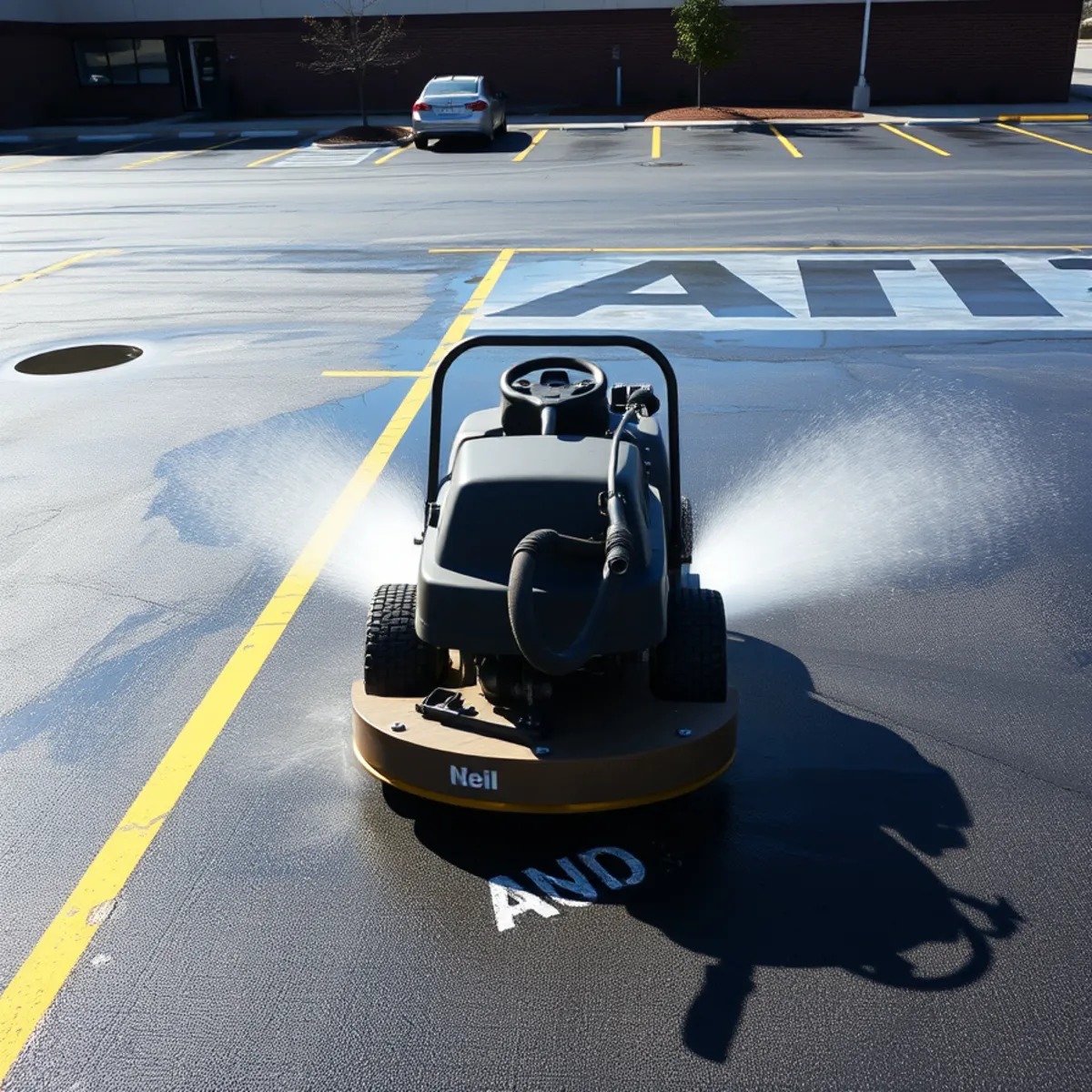
Then comes the surface-cleaner pass. A water-fed flat-surface cleaner rides the pavement on a controlled spray bar, washing in even, overlapping lanes so there are no zebra stripes or missed sections. Heavily stained zones get individual spot treatment. We finish with a full post-rinse that carries the released grime to collection points and keeps it out of the storm drains.
The result is a uniform, bright lot with crisper line striping and safer footing for drivers and pedestrians alike. We promise a clean that reads as professional from the street, and the overlapping-lane method is how we prove it: no operator shortcuts, no missed corners, no streak lines that betray a rushed job.
Commercial-Grade Equipment and Surface Cleaners
You cannot clean acres of pavement with a box-store machine, and you should not have to lend us your water. Wash Bros runs truck-mounted and trailer-mounted units that carry their own water supply, so no business water hookup is needed and your utility bill is untouched.
The workhorse is the water-fed surface cleaner, which encloses spinning high-pressure jets under a shroud and rides the surface on casters. It cleans a wide path at consistent pressure, dramatically faster and far more even than a wand. We match GPM (gallons per minute) and PSI to the surface, run hot water where oil and gum demand it, and use commercial degreasers formulated for petroleum and salt rather than dish soap.
That equipment is the same backbone behind our broader commercial pressure washing program, so a parking lot can be cleaned in coordination with the building, the entrance, and the walkways in a single mobilization.
Striping Prep: Clean Pavement Before Re-Striping and ADA Markings
If you are paying to re-stripe, clean first. Paint and thermoplastic markings do not adhere to oil, dust, and salt film. Stripe over a dirty lot and the lines peel and fade fast, which wastes the striping budget and leaves your ADA-required handicap stalls, access aisles, and fire lanes looking worn before their time.
A proper wash gives the striping contractor bare, sound pavement to bond to. ADA compliance depends on those markings staying crisp and legible, so sequencing a cleaning ahead of the striping crew is not an upsell, it is basic project order. Many of our property managers schedule the wash and the re-stripe back to back in the spring.
EPA and Stormwater Compliance / Water Reclamation
This is the concern no local competitor seems willing to address, and it is the one that keeps property managers up at night.
When you wash a parking lot, the runoff carries oil, detergent, and sediment. Letting that flow untreated into a storm drain can violate the federal Clean Water Act and Massachusetts stormwater regulations, because most storm drains discharge directly to rivers, wetlands, and reservoirs without treatment. In watershed-sensitive areas, like the towns around the Wachusett Reservoir, the scrutiny is real.
We work to keep wash water out of the storm drains. That means blocking and protecting drains, directing runoff to landscaped or pervious collection points, and using biodegradable detergents and EPA Safer Choice-aligned surfactants instead of harsh solvents. For oil-heavy industrial lots where capture is required, vacuum recovery and water reclamation keep the contaminated water contained for proper disposal.
Compliant cleaning protects the watershed and it protects you from a violation you did not see coming. A cheaper crew that hoses everything into the nearest catch basin is handing you their risk.
How Often Should You Pressure Wash a Parking Lot?
Frequency depends on traffic and property type. As a working guideline:
- High-traffic retail plazas, shopping centers, and grocery anchors: quarterly, or monthly for the highest-volume sites.
- Restaurants, gas stations, and fast food: monthly to quarterly, driven by grease load near doors, drive-thrus, and dumpster pads.
- Medical offices, banks, and professional buildings: twice a year, spring and fall, with spot service as needed.
- Apartment complexes and HOAs: twice a year minimum, often quarterly for resident-facing entrances and trash corrals.
- Warehouses, distribution, and loading docks: quarterly, with hot-water spot treatment on dock aprons.
At a minimum, every commercial lot in Massachusetts earns a spring wash to strip the winter salt load and a fall wash to clear leaf tannin before the snow. Recurring service on a maintenance schedule is also cheaper per visit than emergency one-offs, because preventative cleaning stops grime from ever bonding hard.
Industries and Property Types We Serve
We clean pavement for retail plazas and shopping centers, restaurants and fast-food lots, gas stations and convenience stores, HOAs and condominium associations, apartment complexes, medical and dental offices, banks, municipal and government lots, office parks, and warehouse and distribution facilities.
Surfaces we routinely handle include asphalt drive lanes, concrete entry aprons, loading docks, dumpster pads, handicap stalls, curbing, wheel stops, and the adjacent sidewalk cleaning that winter salt tracks onto. For multi-level structures, we also offer dedicated parking garage cleaning, and fleet operators frequently bundle in fleet washing on the same visit.
Parking Lot Cleaning Cost in Massachusetts
We will not quote you a fake number on a web page, because honest pricing depends on the lot in front of us. What we will do is tell you exactly what moves the price.
Pricing is typically built on square footage or a per-stall basis, then adjusted for the factors that actually drive labor and chemistry:
- Total square footage and the number of parking stalls.
- Surface mix of asphalt versus concrete, since they take different passes.
- Condition and contaminant load: heavy oil, gum, and old stains take more dwell time and hot water.
- Whether hot water and specialty degreasers are required.
- Stormwater and water-reclamation needs on sensitive or industrial sites.
- Access and scheduling, including after-hours or sectioned night work.
- Frequency, since recurring maintenance contracts price better per visit than a one-time clean.
We give a clear, written estimate after seeing the site, so there are no surprises on the invoice.
After-Hours and Minimal-Disruption Scheduling
A lot full of cars cannot be cleaned, and you cannot afford to close. So we work around your traffic. We schedule early mornings, nights, and weekends, and on large sites we section the lot and clean it in zones so a portion always stays open for customers, deliveries, and residents.
Property managers tell us this is the detail that matters most. The cleaning is invisible to your operation. You arrive to a finished lot, not a blocked entrance during business hours.
Spring Cleanup After New England Winters
Massachusetts winters are brutal on pavement. The state spreads enormous volumes of road salt and sand every season, much of it ending up packed across commercial lots and walkways. By March, your asphalt wears a chalky white salt haze, and that residue is not just ugly.
Salt is corrosive. It accelerates surface degradation, attacks the asphalt binder, and shortens the life of your seal coat, which pushes up the cost and frequency of re-sealing and re-paving. Freeze-thaw cycles, which Massachusetts gets in abundance, drive moisture and salt deeper and accelerate pothole and surface failure.
A timely spring wash strips the concentrated salt, sand, and ice-melt residue before it does its worst. It also gives your maintenance team clean pavement to inspect for cracks and spalling, which makes spring repair and seal-coat prep far easier. Pair the lot with the adjacent sidewalks and storefront entries that the same salt tracked onto, and you address the whole property's winter impact in one visit.
Fully insured and Satisfaction-Focused
Let us be direct about trust, because the parking-lot cleaning trade has its share of uninsured operators with a trailer and a turbo nozzle.
Wash Bros is fully insured, and a certificate of insurance is available on request, which matters enormously when a contractor is operating high-pressure equipment across a lot full of vehicles and pedestrians on your property. If a crew is not insured, their accident becomes your problem.
We are a local, family-run company, started in 2023 by brothers Louis and Dominic, and we hold a 5.0 average across 130 Google reviews from property owners and managers who trust us with their pavement. We are satisfaction-focused on every job. We would rather do it right the first time than chase a discount we cannot stand behind.
When you vet any parking-lot contractor, ask for proof of insurance, ask how they handle wash-water runoff and storm drains, and ask whether they adjust their method for asphalt versus concrete. The honest ones will have a clear answer to all three.
Service Area Across Massachusetts
We clean commercial pavement throughout the Commonwealth, from the Boston metro and South Shore to the North Shore, MetroWest, and Worcester County. That includes high-traffic corridors in Boston, Worcester, Cambridge, Quincy, and Framingham, along with the surrounding retail plazas, office parks, and apartment communities.
Request a Free Parking Lot Cleaning Quote
Your lot is working hard for your business every day. Give it the cleaning that protects both your image and your asphalt, and put a maintenance schedule in place before the next winter's salt load arrives.
Call Wash Bros at +1 (351) 242-0666 for a free, no-pressure parking lot cleaning quote and a clear written estimate.
Problems We Solve
- Oil, grease and tire-rubber film baked into asphalt drive lanes and parking stalls
- Chewing gum, bird droppings and leaf tannin staining that cold water won't lift
- Winter road salt, sand and ice-melt residue corroding the asphalt binder and seal coat
- Algae, moss and mildew creating slip-and-trip hazards and liability exposure
- Faded, dirty pavement that hurts curb appeal and signals neglect to customers and tenants
- Striping and ADA markings that won't adhere to oil- and salt-filmed pavement
Our Cleaning Process
- 1
Inspect the surface and identify problem areas
- 2
Protect nearby landscaping, fixtures, and finishes
- 3
Apply the correct cleaning method for the surface
- 4
Wash and rinse thoroughly with professional equipment
- 5
Final quality check and walkthrough with you
Why Choose Wash Bros
- Affordable, upfront pricing
- Dependable scheduling
- Experienced exterior cleaning team
- Surface-safe process, every job
- Residential & commercial options
- 5.0 stars across 130 reviews
Parking Lot Cleaning Across Massachusetts
We provide parking lot cleaning in 351 Massachusetts cities, including:
Parking Lot Cleaning FAQs
Related Services
Commercial Pressure Washing
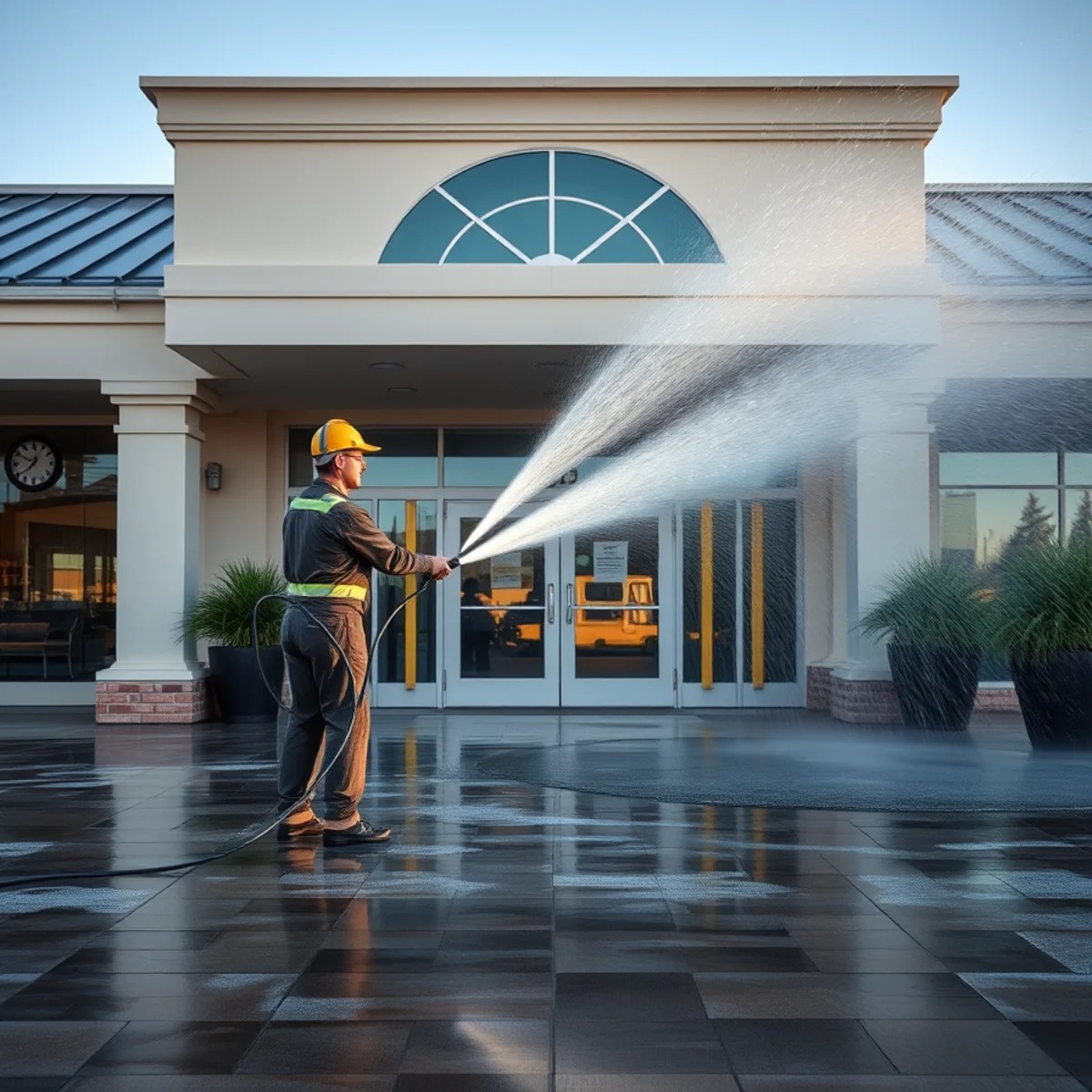
Fully insured commercial pressure washing across Massachusetts. Soft wash and hot water for storefronts, lots, docks, and dumpster pads, scheduled around your hours.
Read More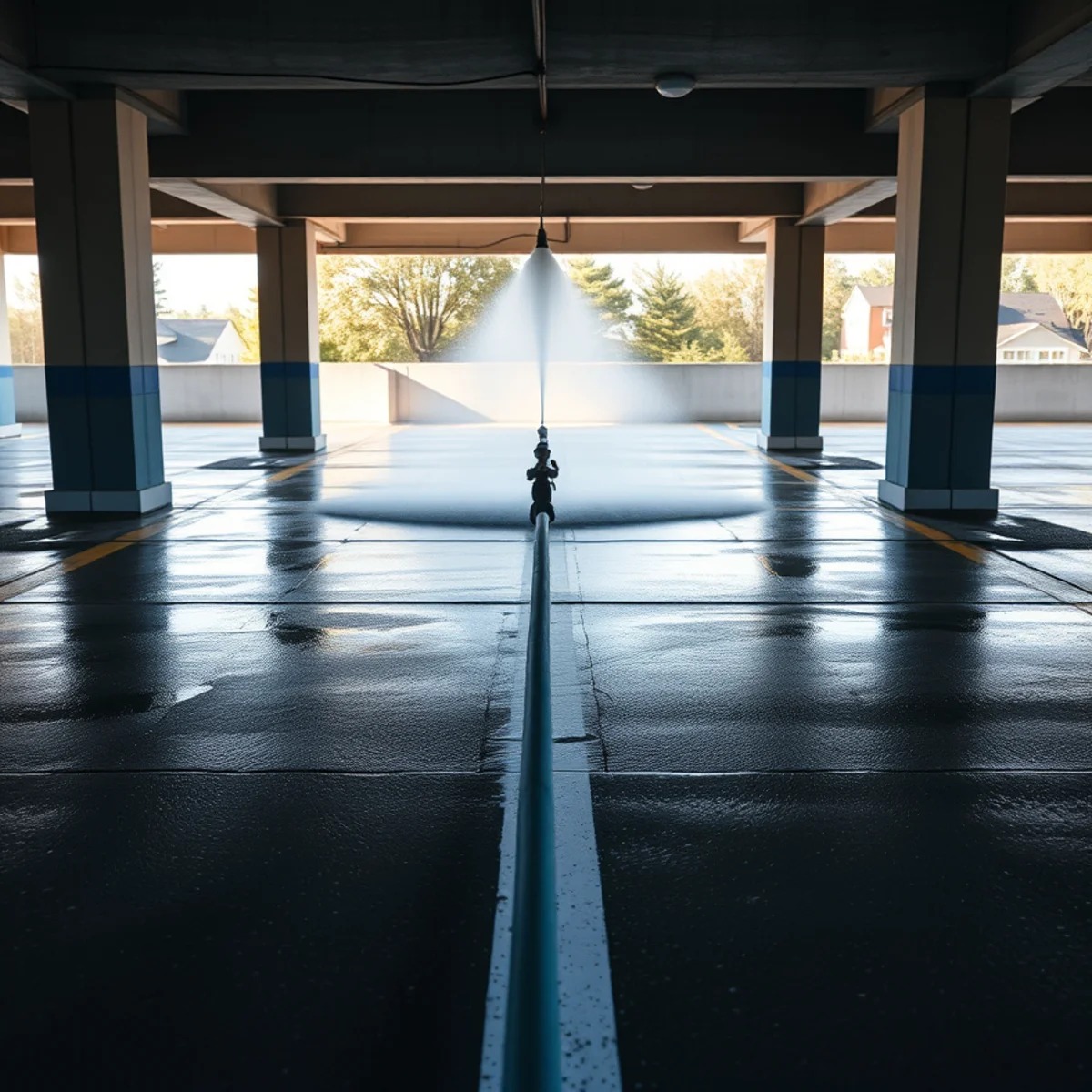
Parking Garage Cleaning
Expert parking garage cleaning in Massachusetts: hot-water washing, oil and salt removal, and stormwater-safe water reclamation for safer, brighter decks.
Read More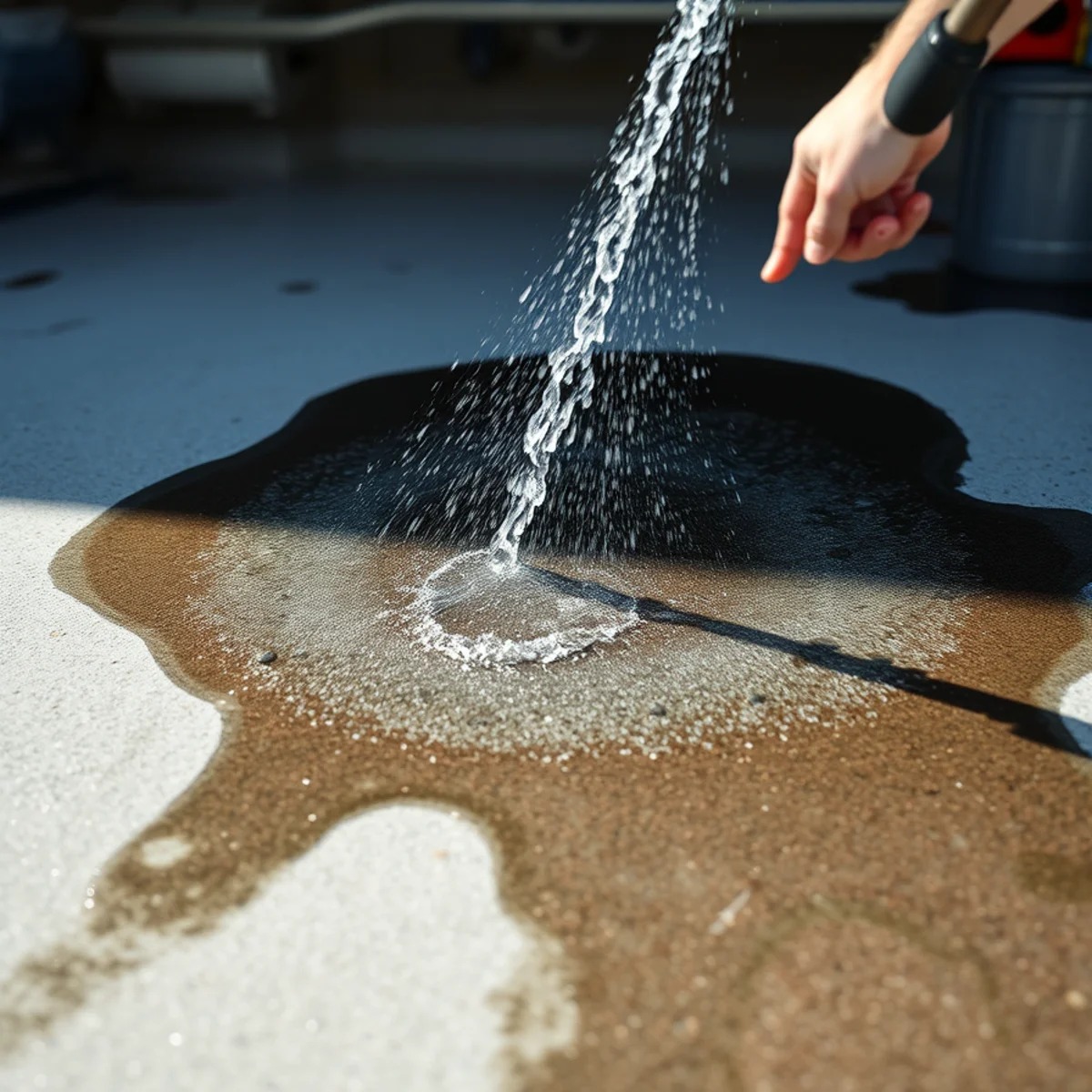
Oil Stain Removal
Hot-water degreasing that lifts motor oil, grease, and fuel stains out of MA concrete, pavers, and asphalt, not just over them.
Read More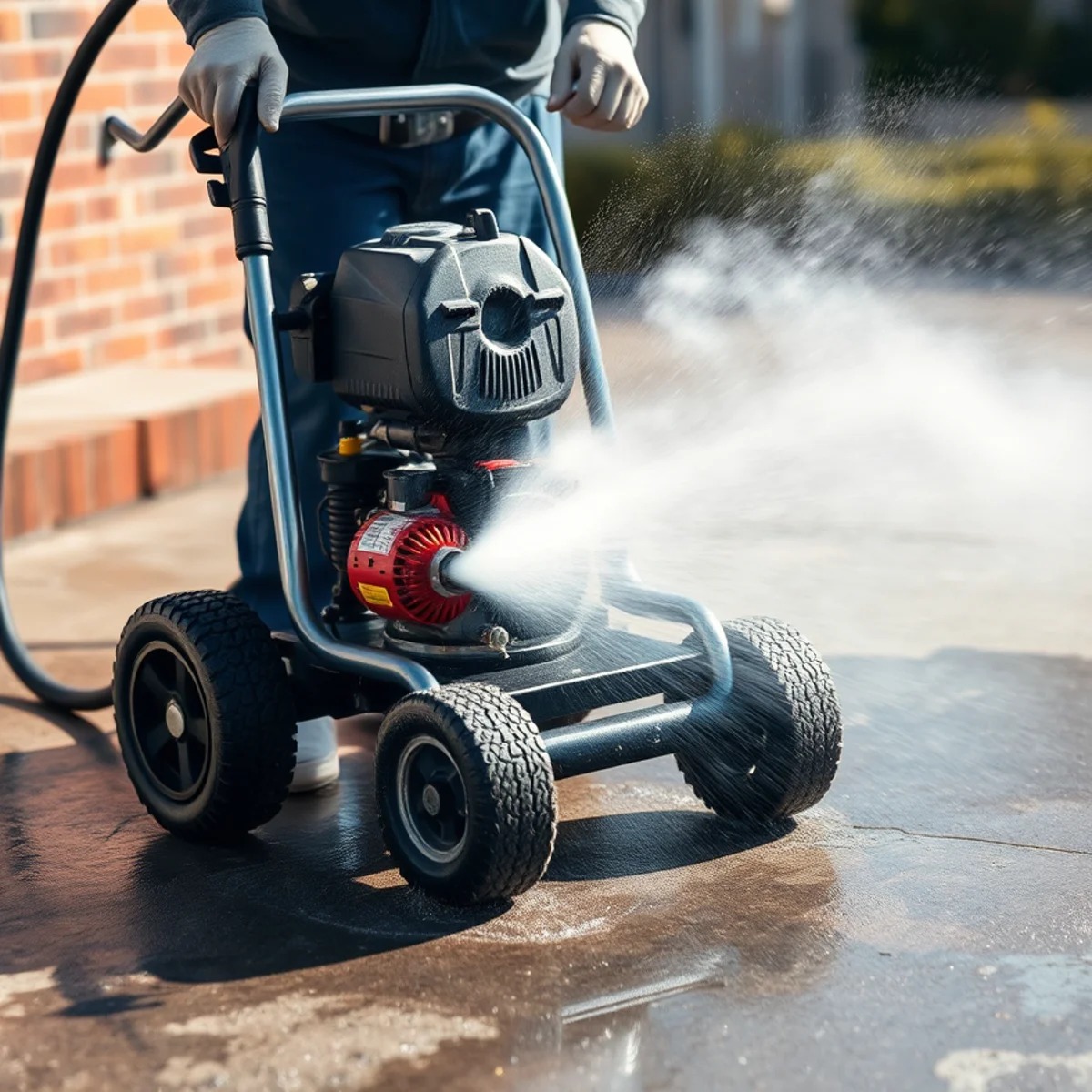
Hot Water Pressure Washing
Truck-mounted hot water pressure washing across Massachusetts that emulsifies grease, oil, gum, and sap on concrete and commercial flatwork.
Read More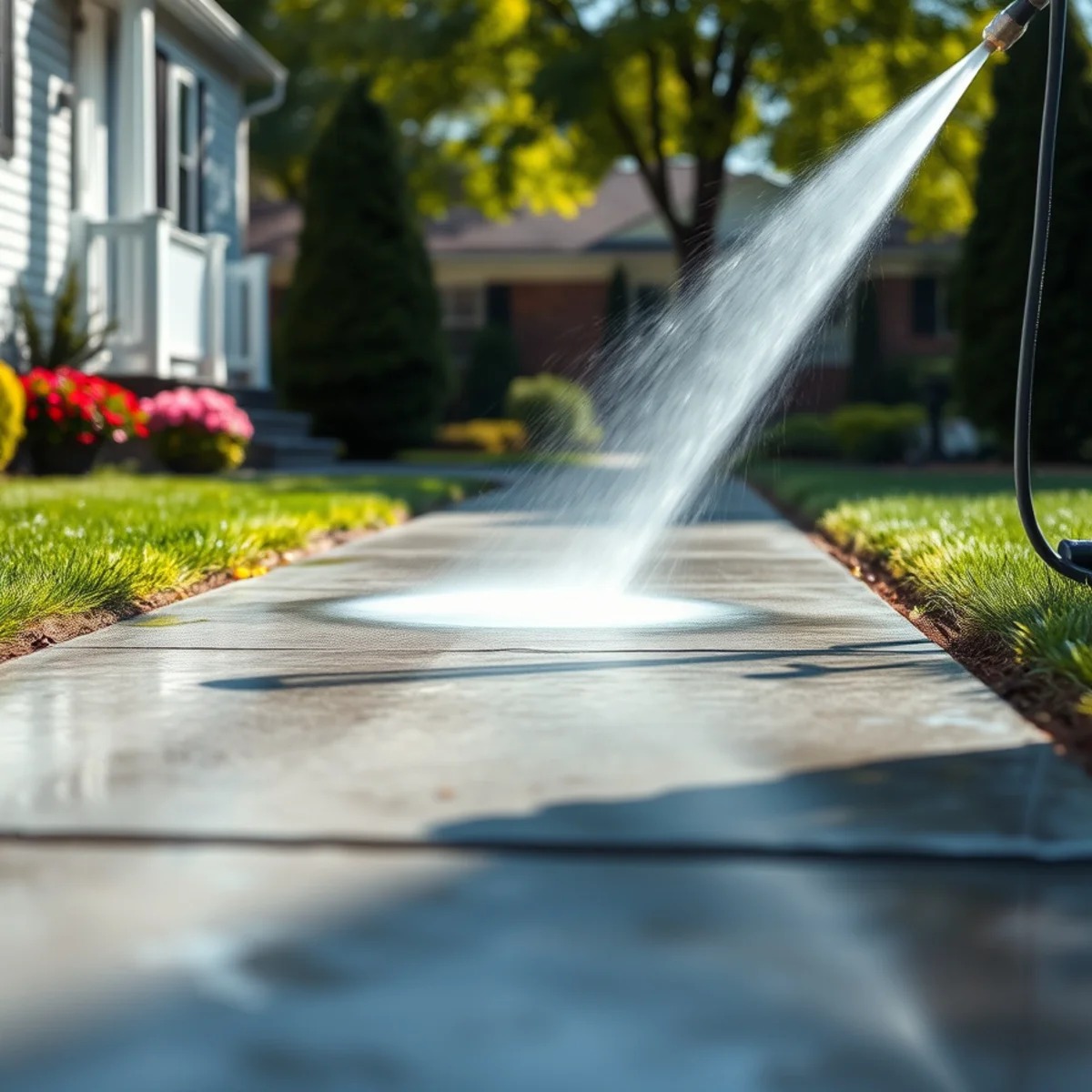
Sidewalk Cleaning
Expert Massachusetts sidewalk cleaning that lifts gum, black spots, algae, and road salt off concrete, pavers, and brick without etching.
Read MoreReady to Schedule Parking Lot Cleaning?
Contact Wash Bros today for a free parking lot cleaning estimate anywhere in Massachusetts.