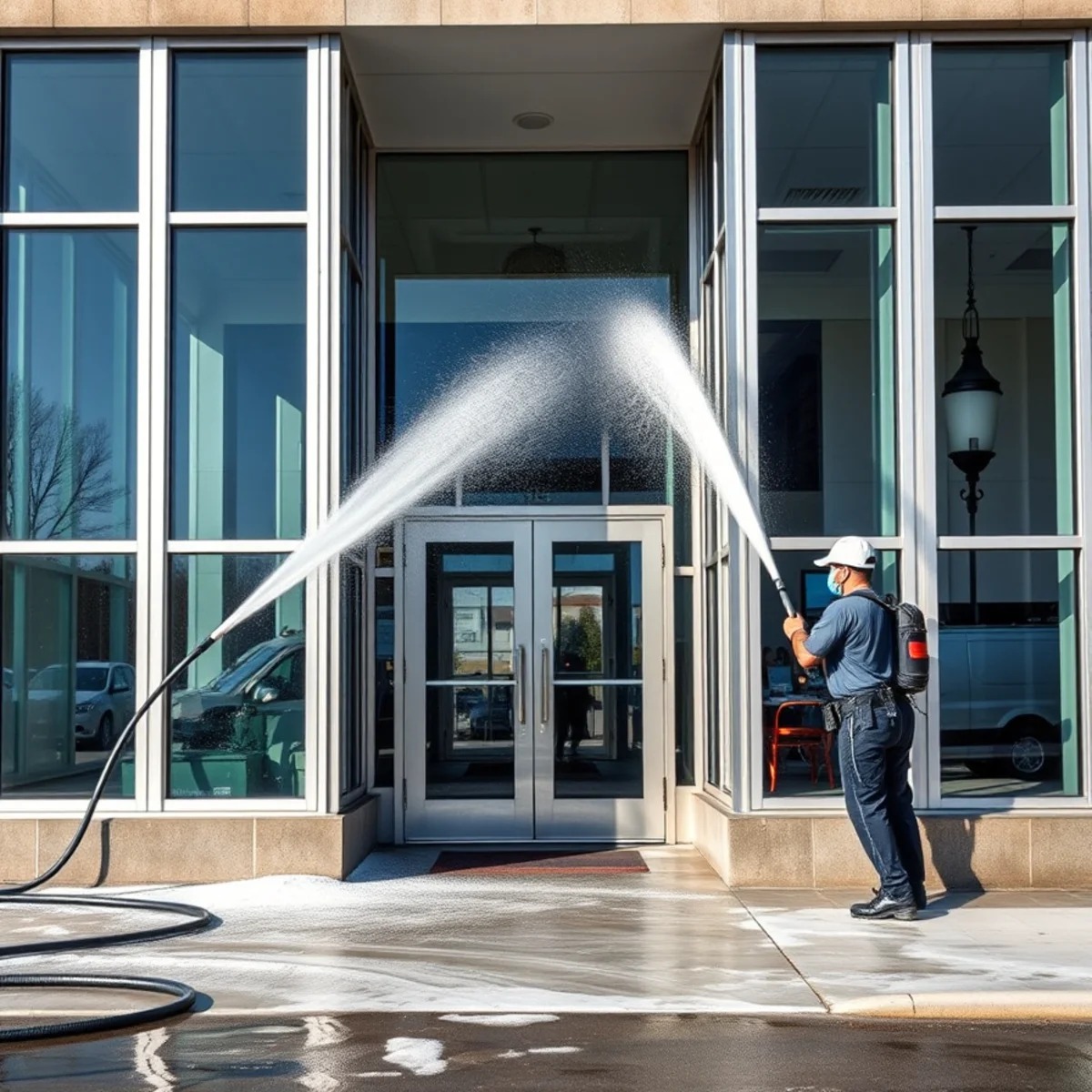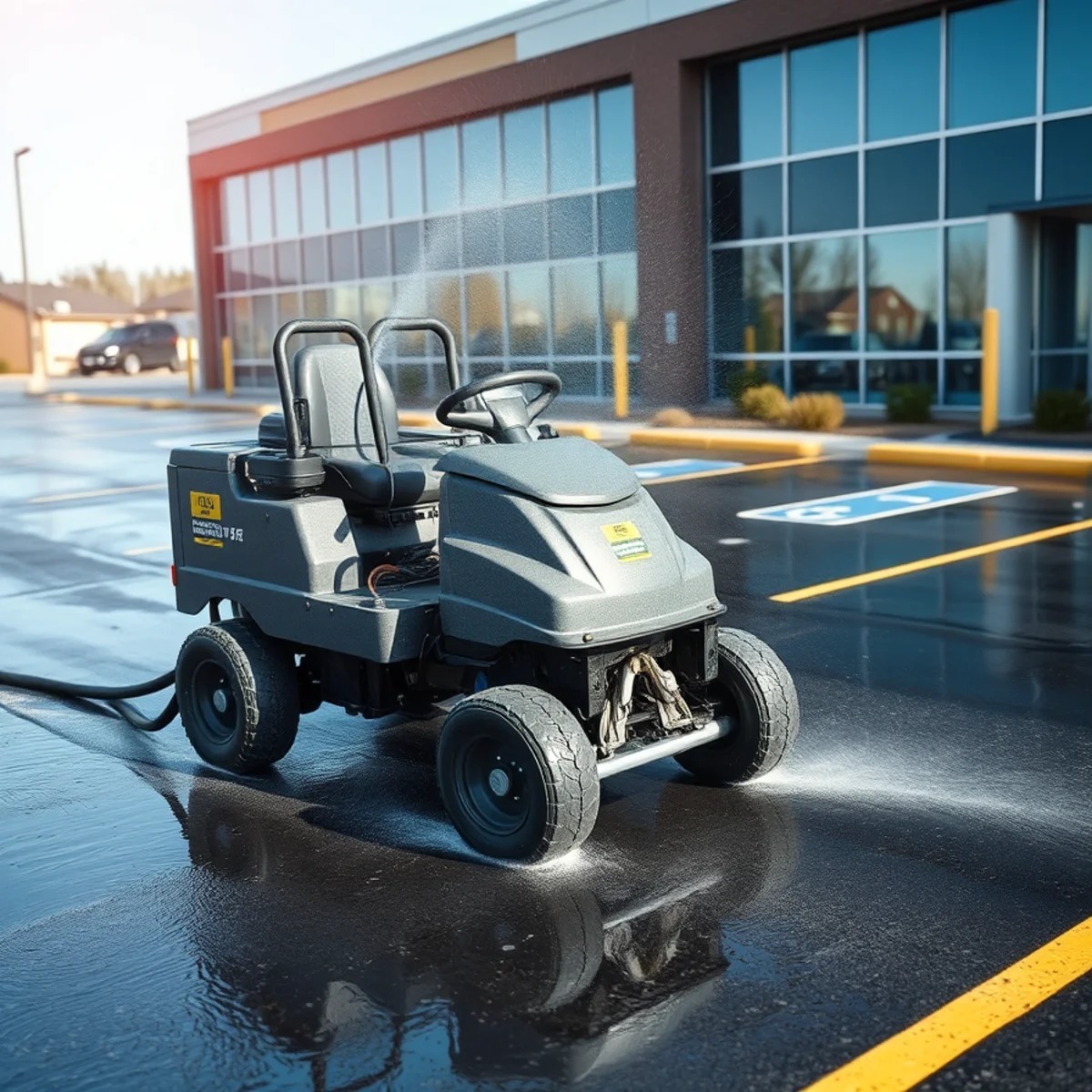
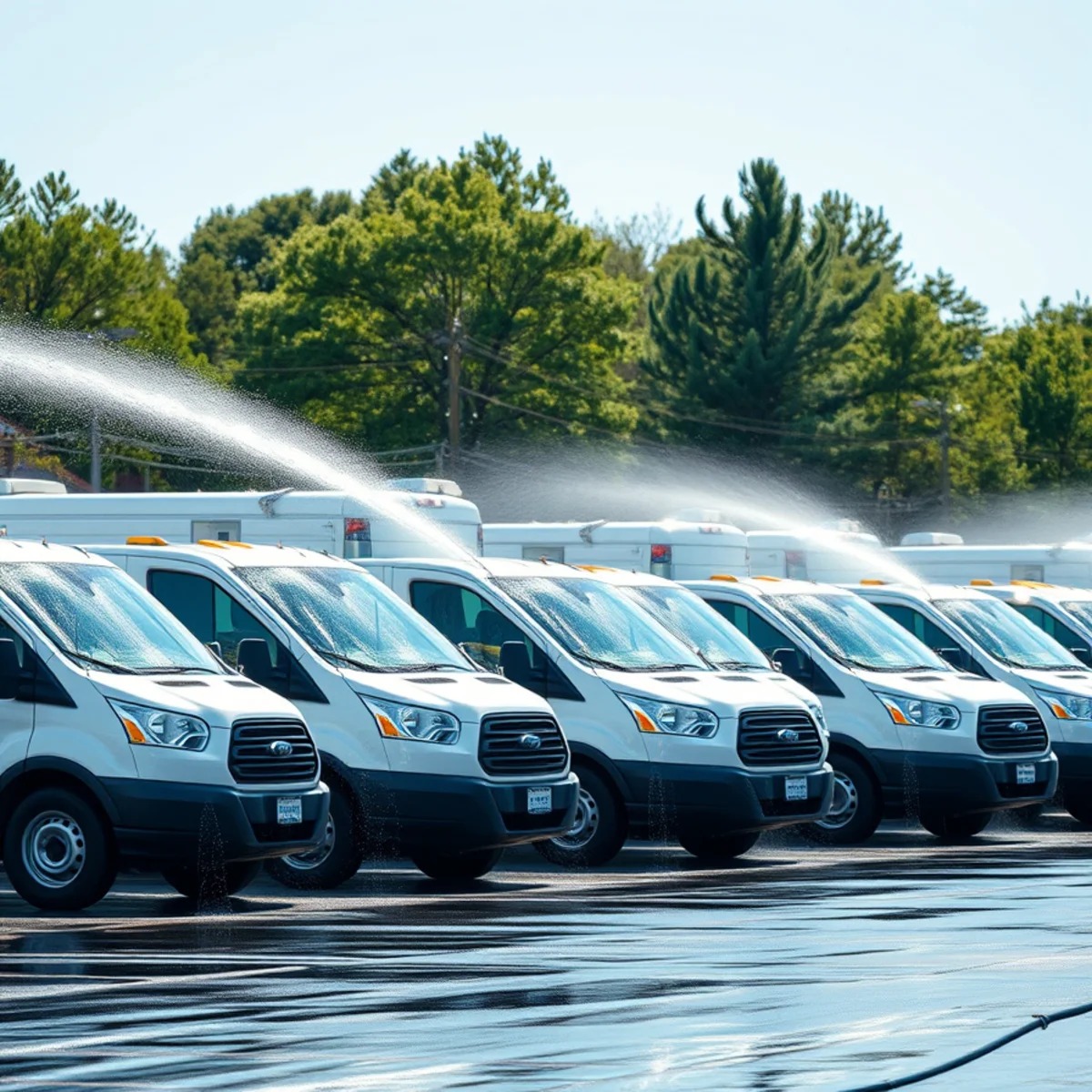
Road salt is quietly eating your trucks. See how regular fleet washing fights corrosion, protects branding, and keeps Massachusetts company vehicles compliant.
Your company vehicles are rolling billboards, working assets, and a major line on the balance sheet all at once. In Massachusetts, where roads get roughly 450,000 tons of salt every winter, the grime your trucks pick up is not just ugly. It is actively eating your investment. This guide explains how a consistent fleet washing program protects vehicle value, fights corrosion, keeps you compliant, and cuts the repair bills that quietly drain a fleet budget.
Why Clean Company Vehicles Are a Business Asset, Not Just a Cosmetic Detail
A dirty truck is not just a dirty truck. It is a depreciating asset losing value faster than it should, a brake line edging toward failure, and a moving advertisement telling customers how you run your business. Washing is not vanity. It is preventive maintenance on the same tier as oil changes and tire rotations. The trucks, vans, and trailers you depend on cost tens of thousands of dollars each, and every season you stretch their service life or breakdown you prevent flows back to your bottom line. Smart fleet managers treat washing as a scheduled line item, not an afterthought when a truck looks embarrassing.
What Is Fleet Washing? (Definition for MA Business Owners)
Fleet washing is the scheduled, professional cleaning of multiple commercial vehicles on a recurring basis to protect both appearance and mechanical condition. Unlike a quick run through an automatic car wash, fleet washing is built for commercial reality: heavy soil, road film, brake dust, and the corrosive brine New England roads layer on all winter.
It covers nearly every kind of working vehicle: box trucks and delivery vans, tractor-trailers and semi-trucks logging highway miles through brine, service vehicles for plumbing, HVAC, electrical, and landscaping crews, construction and plow fleets, and light-duty company cars. A complete program addresses body panels, the wheels and rockers where salt collects, glass and lighting for safety, branding and wraps, and the undercarriage and chassis where the most expensive damage hides.
How Fleet Washing Protects Your Vehicles: The 6 Core Benefits
Strip away the marketing and fleet washing delivers six concrete protections, each mapping to real dollars saved or lost: it prevents rust and corrosion by flushing salt off metal before it reacts; protects paint, wraps, and branding from abrasive grit and acidic etching; extends vehicle lifespan and resale value by keeping frames and finishes sound; improves DOT inspection readiness so plates and lights stay legible; boosts driver safety through clear glass, mirrors, and lights; and protects your brand image so every truck builds trust instead of doubt. The sections below break down the ones that matter most for a Massachusetts fleet.
Preventing Rust and Corrosion (The #1 Reason to Wash a Massachusetts Fleet)
Corrosion is the single most expensive thing that happens to a New England fleet, and it is almost entirely preventable. Rust does not wait for old age. It starts the day salt touches bare or chipped metal and never stops until you flush the salt away. Here is the part most competitor articles skip: the chemistry. Bare iron and steel oxidize slowly in clean air. But dissolve road salt in the film of moisture coating your undercarriage and you create an electrolyte, a salt solution that conducts electricity and dramatically speeds up the reaction that turns iron into iron oxide, also known as rust. In plain terms, salt does not just sit on metal. It powers a tiny battery on the surface of your truck that runs day and night, eating steel.
Industry sources estimate untreated salt exposure can accelerate corrosion roughly 30 to 40 percent faster than clean conditions (a general industry estimate, not a Wash Bros figure). The only defense that works is removing the salt before it does its work, and once rust starts under a chip it spreads beneath the surface where you cannot see it.
How Road Salt and De-Icers Destroy Trucks: Sodium, Calcium, and Magnesium Chloride Explained
Not all de-icers behave the same way, and the differences explain why plain water rinsing is not enough for Massachusetts fleets.
- Sodium chloride (treated rock salt) is the workhorse: cheap, effective down to about 15°F, and the most common chloride your trucks encounter. It draws moisture from the air and keeps salt deposits damp, which keeps the corrosion reaction running.
- Calcium chloride works in much colder temperatures and is intensely hygroscopic, pulling water from the air aggressively. That keeps surfaces wet longer and extends the corrosion window.
- Magnesium chloride is the one MA fleets must worry about most. MassDOT relies heavily on treated rock salt blended with corrosion-inhibited liquid magnesium chloride brine. Magnesium chloride is sticky. It clings to undercarriages, creeps into seams, resists a simple water rinse, and can drive meaningful corrosion in a single season.
That stickiness is exactly why a quick spray-down at the yard does not cut it. Magnesium chloride film needs the right alkaline detergent or a presoak to break its grip, not just high pressure. The wash method matters as much as the frequency.
Why Undercarriage and Chassis Cleaning Matters Most in New England Winters
If you only protect one part of your fleet this winter, make it the undercarriage. It is the lowest, dirtiest, most salt-soaked area of every vehicle and home to the components you can least afford to lose. Salt-laden slush gets thrown directly onto:
- Brake lines, where pinhole corrosion can cause a sudden, dangerous loss of braking
- The exhaust system and muffler, which rust from the outside in until they fail or fall
- The wiring harness and connectors, where corrosion causes intermittent gremlins that are miserable to diagnose
- Frame rails, crossmembers, and fasteners, the structural backbone of the vehicle
- Aluminum components, which corrode through a different but equally destructive reaction when chlorides sit on them
Undercarriage cleaning flushes brine out of these hidden areas before it settles in. With Massachusetts roads brined from the first November storm through the last spring thaw, this is the highest-value wash you can buy. Coastal fleets on the Cape, North Shore, and South Shore face added salt-air corrosion on top of road salt, compounding the threat.
Protecting Paint, Decals, Wraps, and Branding from Contaminant Etching
Your vehicle's finish is its first line of defense and most visible asset. Road grime is not inert. Winter sand and grit act like fine sandpaper against a moving surface, dulling paint and scratching wraps. Bird droppings, tree sap, and spring pollen are mildly acidic and will etch into a clear coat if they bake in the sun. Once the clear coat fails, oxidation sets in, the finish hazes and chalks, and there is no easy reversal.
Vinyl wraps and decals are a significant investment, and salt, grit, and UV exposure shorten their life. Aggressive pressure aimed at a wrap seam will lift it; a soft washing approach uses low pressure and the right chemistry to clean without damage. Remember the rule that governs all good exterior cleaning: you do not need more pressure, you need the right chemistry.
Resale Value, DOT Compliance, Driver Safety, and Brand Image
Beyond corrosion, four more benefits make the case for a washing program, and they all compound over a vehicle's life.
Resale and trade-in value. When it is time to cycle a vehicle out of service, condition drives the check. A truck with intact paint, clean panels, and a frame free of creeping rust commands a far stronger figure than one left to weather Massachusetts winters untouched. Appraisers look first at body condition, the undercarriage, and whether branding was removed cleanly. A documented washing routine signals a maintained vehicle, and those sell faster and for more.
DOT inspection readiness. When DOT numbers, plates, lighting, and reflective markings are legible and unobstructed by caked road film, an inspection goes smoother. A clean rig also signals a well-run operation, which can mean fewer discretionary roadside stops under FMCSA-regulated inspections, and clear lights help you avoid an out-of-service violation for a burned-out lamp you could not see under the dirt. Washing will not fix a mechanical defect, but it removes the grime hiding small problems.
Driver safety. Dirty headlights and taillights cut light output dramatically. Filmed-over mirrors and windshields reduce how well drivers see in the short, dark, wet days of a Massachusetts winter, and salt-fogged reflective markings make a trailer harder to spot at night. A regular wash keeps glass, mirrors, lights, and reflective tape doing their job.
Brand image. A company van parked outside a customer's home makes an impression whether you want it to or not. A clean vehicle says you are organized and serious about quality; a grimy one suggests the opposite. This is the same logic behind keeping a storefront pressure washing schedule. Your fleet is mobile advertising traveling through dozens of communities every week, from Boston to Worcester and the South Shore.
Saving Money: Maintenance Savings, Fuel Efficiency, and Reduced Downtime
Fleet washing is one of the rare line items that pays for itself. The savings show up in three places:
- Deferred maintenance. Every brake line, muffler, exhaust hanger, and connector you keep clear of salt is a repair you do not pay for. Corrosion-driven repairs are among the most expensive and most avoidable failures on a commercial vehicle.
- Reduced downtime. A truck in the shop for a rusted-out brake line is a truck not earning. Preventive washing keeps vehicles on the road and on schedule.
- Fuel efficiency. Heavy mud and grime add weight and drag. The effect on a single van is modest, but across a large fleet over a winter it is a small, real contributor to fuel economy.
Spending a predictable amount on scheduled washing is far cheaper than absorbing unpredictable corrosion repairs, premature replacements, and lost work time. Treat it as preventive maintenance and it is one of the highest-return habits a fleet can build.
How Often Should You Wash Your Fleet? (Frequency by Industry and Season)
There is no single right answer, because frequency depends on how, where, and what you drive. The table below offers practical starting points for Massachusetts fleets (general estimates, not fixed rules).
| Fleet Type | Winter (Nov–Mar) | Rest of Year |
|---|---|---|
| Construction / plow / landscaping | Weekly | Bi-weekly |
| Local delivery / box trucks | Weekly to bi-weekly | Bi-weekly to monthly |
| Long-haul tractor-trailers | Bi-weekly (more if running salted highways) | Monthly |
| Light-duty company cars | Bi-weekly | Monthly |
Winter is the most important season by far. Constant salt and brine exposure pushes many operators to a weekly or bi-weekly winter cadence. Factors that argue for more frequent washing include daily highway mileage, parking outdoors rather than garaged, industry-specific soiling, and how customer-facing the fleet is.
For a simple year-round rhythm: a late-fall reset wash before the salt season; frequent winter washing with undercarriage flushing (December through March, where the bulk of your budget should go); a deep spring reset to strip the last of the salt and clear pollen and sand; and lighter summer maintenance washes for dust and mildew. This concentrates effort where Massachusetts roads do the most damage.
Fleet Washing Methods: Pressure Washing, Touchless/Brushless, Soft Wash, and Two-Step
The method matters as much as the frequency, especially for stubborn magnesium chloride film:
- Touchless / brushless washing uses chemistry and a controlled high-pressure rinse rather than brushes, so nothing drags grit across paint or wraps. It is the gentlest choice for branded vehicles.
- Soft washing relies on low pressure and biodegradable surfactants, ideal for wraps, decals, and finishes that aggressive pressure would damage.
- Two-step washing is the gold standard for road salt. An acid presoak breaks down mineral and salt deposits, including sticky magnesium chloride film, then an alkaline detergent lifts road grime and oily film. The two reactions neutralize each other as they rinse, making this the most effective method for a winter's worth of brine.
- Hot water pressure washing adds heat to cut grease, which is why hot water pressure washing is the right tool for greasy equipment and heavily soiled chassis.
For most fleets the answer is a combination: a degreaser and two-step on the grimy lower body and undercarriage, and a gentle soft wash pass over wraps and lettering.
Mobile / On-Site Fleet Washing vs. In-House DIY vs. Drive-Through Truck Washes
How you get the wash done is its own decision, and each option has real trade-offs.
- Mobile / on-site washing. A crew washes the fleet where it parks, often overnight or on a set schedule. No vehicle downtime, no driver time ferrying trucks, and a setup that handles wash water properly.
- In-house DIY. Washing trucks yourself in the lot seems cheap until you count driver labor, equipment, inconsistent results, and the compliance risk covered next. Cold Massachusetts winters make it worse, with freezing temperatures and runoff that ices over the lot.
- Drive-through truck washes. Convenient where available, but they pull drivers off route, often use brushes that scratch wraps, and rarely give the undercarriage the attention a New England winter demands.
For most Massachusetts fleets, scheduled mobile on-site washing wins on total cost, consistency, and compliance.
EPA and Clean Water Act Compliance: Wash Water Runoff, NPDES, and Reclaim Systems
This is the section most competitor articles ignore, and it is exactly where DIY parking-lot washing gets businesses in trouble. Wash water from a commercial vehicle carries oil, grease, heavy metals, detergent, and dissolved road salt, and under the federal Clean Water Act, letting that runoff flow into a storm drain is a regulated discharge.
Storm drains in Massachusetts generally lead straight to rivers, wetlands, and the ocean without treatment. Discharging contaminated wash water into them can violate NPDES permit requirements and state stormwater rules, and EPA Region 1 enforces these here. Businesses can face EPA fines and be required to develop a Stormwater Pollution Prevention Plan (SWPPP). For a business washing trucks in its own lot without containment, that is a genuine liability.
A professional service manages this with wash water reclamation, capturing and containing runoff rather than letting it reach a drain. Some operations use a closed-loop reclaim system that filters and reuses water. Paired with biodegradable detergents, a compliant mobile service protects your trucks and your business from a regulatory headache.
What Does Fleet Washing Cost in Massachusetts? (Per-Vehicle Pricing Factors)
Industry per-vehicle pricing for fleet washing commonly falls in the range of roughly $40 to $150 per vehicle (a general industry range, not a Wash Bros quote). Rather than a flat number, expect pricing driven by:
- Vehicle size and type. A light van costs less than a box truck, which costs less than a tractor-trailer.
- Fleet size. More vehicles on a single visit usually lowers the per-vehicle cost.
- Wash frequency. A recurring contract typically prices better than one-off washes.
- Scope. Exterior-only versus a full wash with undercarriage flushing, which adds cost but is the part most worth paying for in a Massachusetts winter.
- Soil level and method. Heavy construction grime needing a degreaser and two-step costs more than a light maintenance rinse.
The honest way to price a program is a walkthrough of your actual fleet and routes. We do not publish flat per-truck prices because no two fleets soil the same way.
What to Look for in a Massachusetts Fleet Washing Company
Not every pressure washer is equipped to wash a fleet, and many local outfits only do residential house washing. When you evaluate a provider, look for:
- Full insurance, with a certificate of insurance available on request, so you are covered if something goes wrong on your property.
- Proper wash water handling, including containment or reclamation, so your business is not exposed to stormwater violations.
- The right methods and chemistry, including two-step and degreasing for salt and grease, plus a gentle soft wash touch for wraps.
- On-site mobile capability, so trucks are washed at your yard without losing route time.
- A real grasp of New England conditions, especially the salt, brine, and sand that make MA fleets different from Sun Belt operations.
A provider who checks these boxes protects your vehicles, branding, and compliance at once. The same standard applies if you also need broader commercial pressure washing for your lots and buildings.
Keep Your Fleet Protected Year-Round with Wash Bros
Wash Bros is a fully insured exterior cleaning company founded in 2023 by brothers Louis and Dominic, serving businesses across Massachusetts with a 5.0 average across 130 Google reviews. We come to your yard, we understand exactly what New England roads do to working vehicles, and we build washing routines that protect your investment, your branding, and your compliance standing.
Ready to protect your fleet through the next salt season? Request a free, no-obligation estimate through our contact page or call us at +1 (351) 242-0666. We will walk your fleet and routes and build a washing schedule that fits your trucks, your budget, and the Massachusetts seasons.
Frequently Asked Questions
Need Professional Exterior Cleaning?
Wash Bros provides affordable, dependable pressure washing across Massachusetts. Get your free estimate today.
Get a Free Estimate