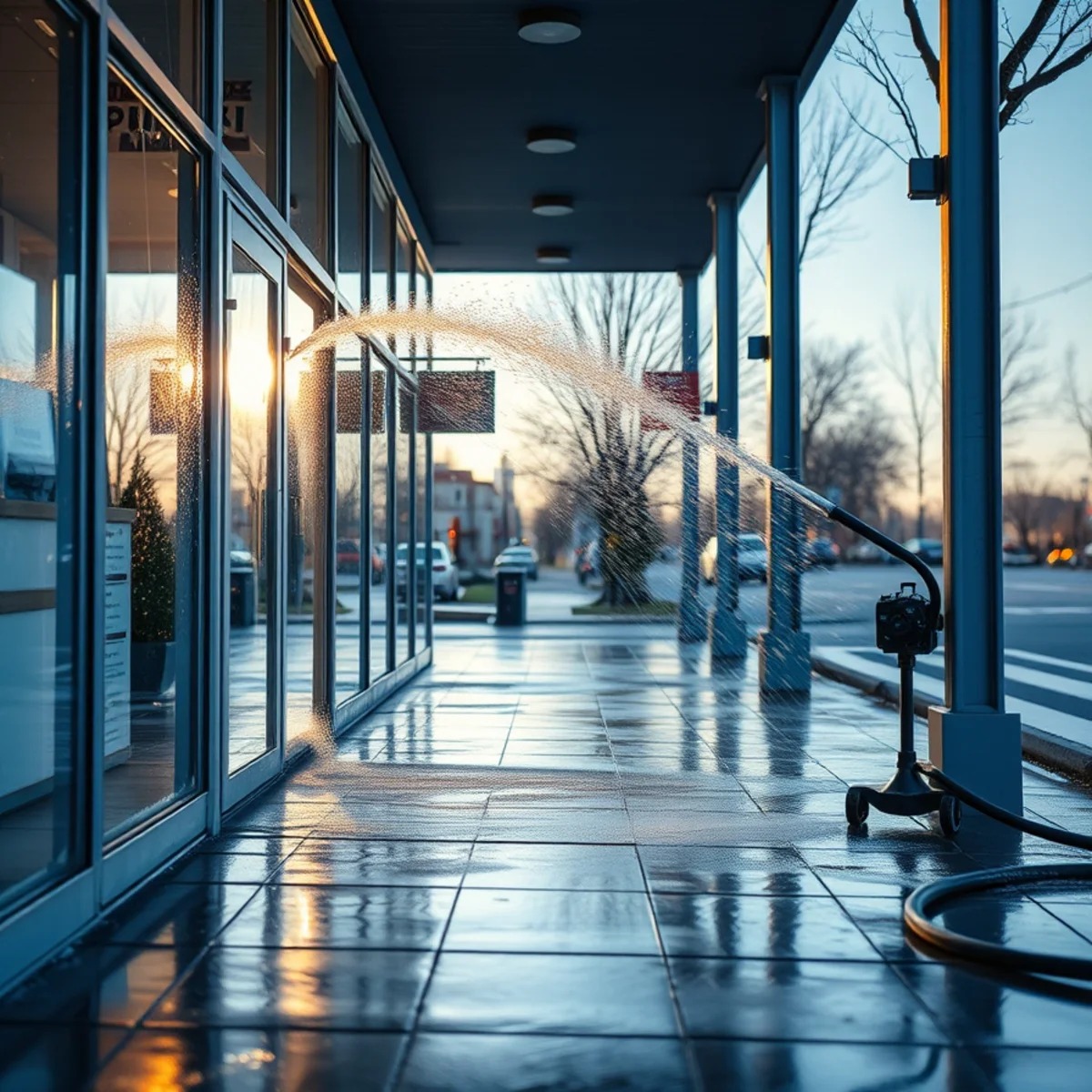
Why a clean storefront wins customers: the right method for each surface, how often to clean, cost factors, and the slip-and-fall liability angle for MA businesses.
Your storefront makes a sales pitch before a single customer reads your sign. Shoppers form a first impression in seconds, and gum-stained sidewalks, streaked glass, and black mildew on the facade quietly tell them you cut corners. This guide covers what storefront grime really costs you, which surfaces need cleaning, the right method for each, how often to schedule, cost factors, the slip-and-fall liability angle most contractors ignore, and how to pick a commercial crew that protects your property and your reputation.
Why Your Storefront Is Your Most Important First Impression
Retail is a visual business. Before anyone reads your signage or steps through the door, they have judged you on what sits in front of them: the entry mat, the glass, the sidewalk, and the building face. Industry research on shopper behavior consistently finds that a large share of consumers will skip a business with a visibly dirty or poorly maintained exterior, and that judgment forms in roughly the first few seconds of seeing your frontage. You do not get a second chance at that glance.
Dirt, gum, salt residue, and black streaking read as neglect, even when the products and service inside are excellent. A clean exterior does the opposite. It signals that you are established, attentive, and worth a customer's time. The same curb appeal principle that makes a house washing project pay off for a homeowner applies to your commercial frontage, except the stakes are measured in foot traffic and sales rather than resale value.
What a dirty storefront actually costs you
The cost is rarely a single dramatic event. It is a slow leak:
- Lost foot traffic. Passersby who hesitate at a grimy entrance often keep walking to the cleaner competitor next door.
- Lower perceived value. A tired exterior makes customers assume your prices are high for the quality, or that the business is struggling.
- Brand damage. If you run multiple locations or a franchise, inconsistent upkeep undermines the uniform image corporate spent money to build.
- Higher repair bills later. Salt, algae, and organic growth do not just look bad. They degrade concrete, masonry, and finishes over time.
Common Buildup on Massachusetts Storefronts
New England puts commercial exteriors through a punishing cycle, and the grime is predictable once you know what to look for:
- Chewing gum flattened and blackened into entry concrete.
- Grease and oil tracked from kitchens, drive-thru lanes, and dumpster pads near restaurant entrances.
- Soda and coffee spills that leave sticky, sugar-darkened patches at high-traffic doors.
- Black mildew and algae streaking down north-facing facades and awnings, especially in humid, coastal South Shore towns.
- Cobwebs and insect debris clustered around lights, signage, and door frames.
- Vehicle exhaust film that grays the lower facade along busy roads and drive-thru lanes.
- Winter road salt, brine, and traction sand that track onto walkways and leave a white, gritty haze that lingers into spring.
Salt deserves special attention here. Massachusetts road salt and brine are corrosive to metal thresholds and door frames, and the freeze-thaw cycle drives salt and moisture deep into porous concrete and brick. Left alone through spring, that combination pits walkway surfaces and pushes mineral salts back out as white efflorescence on lower walls. Spring removal is not cosmetic. It protects the substrate.
Areas of a Storefront That Need Pressure Washing
When you plan a cleaning, budget for where customers actually look and walk.
Entry sidewalks and concrete
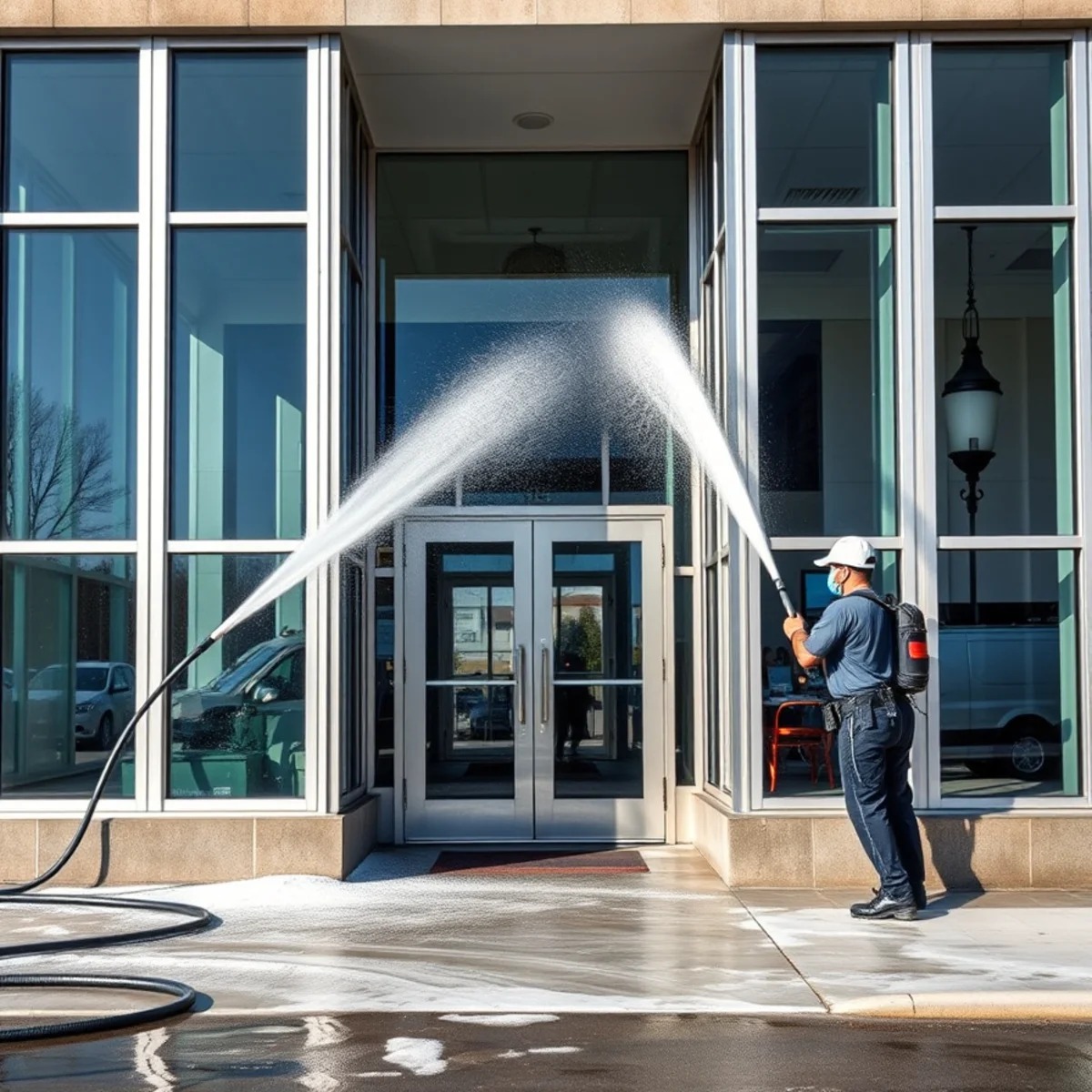
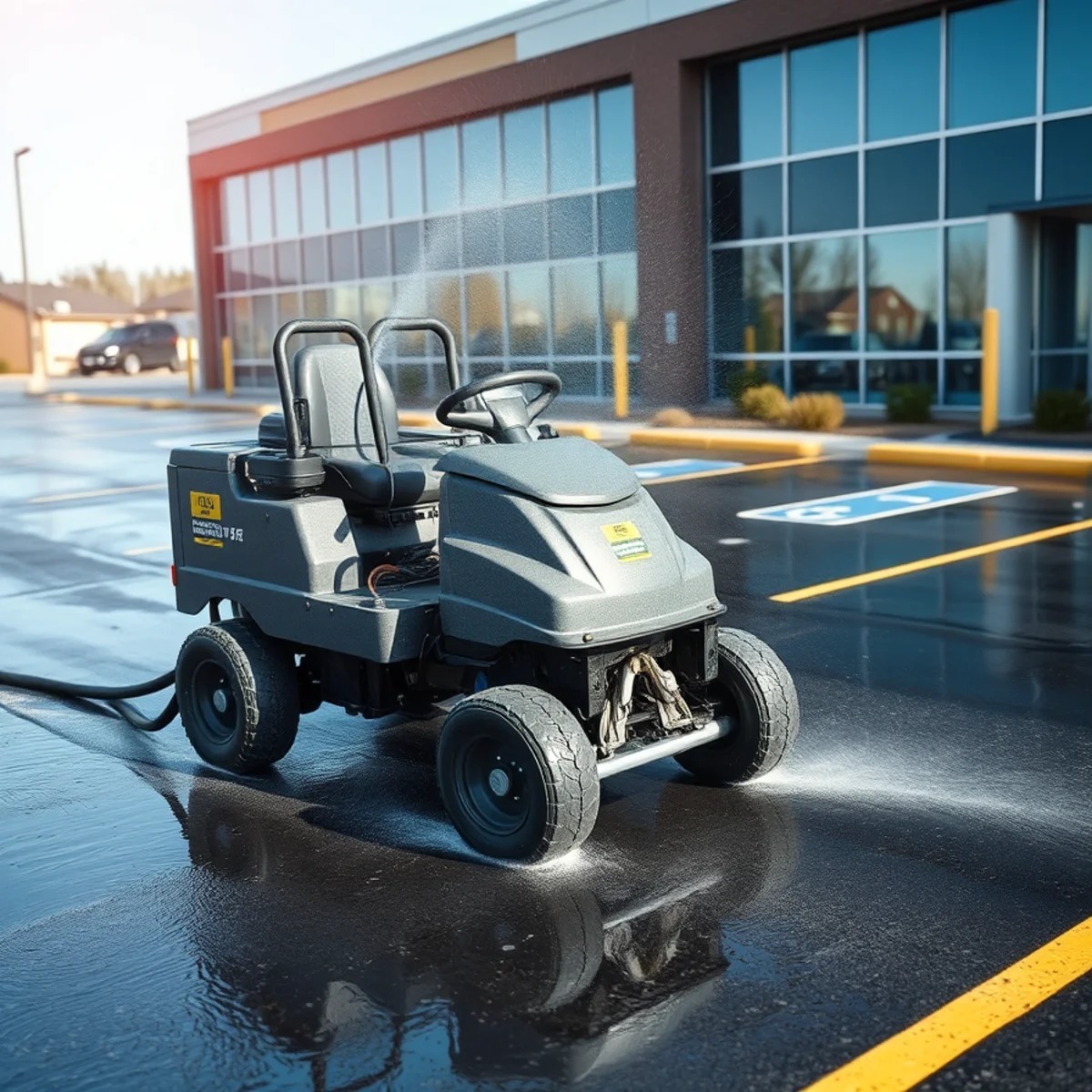
The concrete directly in front of your door takes the heaviest abuse: foot traffic, spilled drinks, cigarette debris, gum, and months of salt and sand. Flat concrete responds best to a surface cleaner attachment, a spinning bar enclosed in a housing that delivers even, stripe-free results far faster than a single wand. Professional sidewalk cleaning lifts embedded grime a hose and broom cannot touch, and it cuts the slip hazard right at your entrance.
Building facade
Brick, stucco, EIFS, vinyl siding, and metal panels all collect dust, exhaust film, and organic growth. Each wants a different approach, which is exactly why method selection matters so much. Brick cleaning and stucco work, in particular, reward a gentle hand.
Glass, windows, awnings, and signage
Smudged glass and a cloudy frame dull your whole display. Pairing the wash with exterior window cleaning lets light flood your merchandise and keeps signage legible from the street. Awnings, canopies, and illuminated signs are delicate, finished surfaces. They get a low-pressure cleaning solution, never a high-pressure blast.
The zones owners forget
Dumpster pads, curbs, bollards, drive-thru lanes, and entry mats make an outsized impression. A sticky trash corner or an algae-green bollard undercuts an otherwise tidy storefront. Include them in scope.
Pressure Washing vs Soft Washing: The Right Method for Each Surface
This is the single most valuable decision in commercial work, and the one low-ball operators get wrong. The key message every veteran learns: you don't need more pressure, you need the right chemistry. High pressure does not kill algae and mildew at the root. Biodegradable surfactants do. Pressure alone just blasts the surface stain away and leaves the organism to regrow in weeks.
Pressure washing uses higher water pressure for hard, durable surfaces:
- Concrete sidewalks and curbs: roughly 2,000 to 3,000 PSI with a surface cleaner.
- Paver entries and dense masonry where ground-in dirt needs lifting.
Soft washing uses low pressure plus specialized detergents for delicate surfaces:
- Painted facades, signage, and awnings: well under 200 PSI, often a gentle rinse around 100 PSI or less.
- Stucco and EIFS: under 150 PSI. These systems will absorb water and fail if blasted.
- Vinyl siding: roughly 100 to 500 PSI.
- Glass and windows: low pressure with proper technique to avoid forcing water past seals.
For most building faces, soft washing is the safer, more thorough choice because it cleans without driving water behind cladding or tearing fabric. For greasy zones near restaurant entries, drive-thrus, and dumpster pads, hot water pressure washing breaks down oils that cold water just smears around. In cold New England, that heat is a year-round advantage for melting embedded grime at busy entrances. Matching method to material is the biggest factor separating a clean result from an expensive repair.
How Professionals Clean a Commercial Storefront, Step by Step
Knowing the workflow helps you plan around business hours and judge whether a contractor knows their trade.
- Surface assessment. The crew identifies each material, maps out high-PSI versus soft-wash zones, and protects landscaping, light fixtures, and electrical outlets.
- Pre-treatment. A biodegradable detergent is applied to gum, grease, and organic growth so the chemistry, not raw force, does the work.
- Dwell time. The solution is allowed to sit and break the bond between grime and surface. Rushing this step is why DIY jobs streak.
- Mechanical cleaning. Flat concrete gets the surface cleaner; stubborn gum or grease may need a turbo nozzle or hot water; facades get a low-pressure soft-wash rinse.
- Post-rinse. Everything is rinsed top to bottom, with runoff managed responsibly.
How Often Should You Pressure Wash a Storefront?
There is no single answer, because traffic and surroundings vary. Use these as starting points and adjust to what you actually see.
- High-traffic retail, restaurants, and cafes: monthly to quarterly. Food, drink, and constant foot traffic soil entries fast.
- Standard storefronts and boutiques: quarterly to semi-annual usually keeps the frontage presentable.
- Offices and lower-traffic businesses: semi-annual, often a spring deep clean plus a fall touch-up.
Businesses near construction, busy roads, or heavy tree cover trend toward the frequent end. Dense downtown and Main Street districts in Boston, Cambridge, and Worcester generate more gum and food spills and usually need more frequent attention than a suburban office park.
You are overdue when you can see black streaks on the facade, dark gum spots dotting the concrete, a white salt haze on walkways, or green growth on the awning. If a recurring commercial pressure washing contract is in place, you rarely reach that point.
Safety and Liability: Slip Hazards, Gum, and Due Diligence
Here is the angle most competitors skip entirely, and the one property managers and restaurant owners should care about most. Gum, grease, algae, and ground-in grime are not just ugly. They are slip hazards. A greasy restaurant entrance or an algae-slick walkway is a slip-and-fall claim waiting to happen.
In many Massachusetts towns, sidewalk upkeep abutting a business falls on the property or business owner, not the municipality. That means the clean, slip-resistant condition of your frontage is your responsibility, and potentially your liability. Regular professional cleaning does two things: it physically removes the hazard, and it creates a documented record of routine maintenance. That paper trail of due diligence matters if a fall ever leads to a claim. Keeping walkways clean is risk management, not just curb appeal.
Best Time to Schedule: After-Hours and Before-Open
Wet walkways and equipment hoses do not mix with paying customers. The best storefront work happens early morning before you open, after close, or overnight for 24-hour districts. Scheduling around your hours keeps the space safe, avoids disrupting shoppers, and lets the crew work without weaving around foot traffic. A good contractor coordinates timing in advance and reopens access quickly. After-hours service also gives wet surfaces time to dry before customers arrive, which loops right back to the slip-and-fall concern above.
Seasonal Storefront Cleaning Schedule for Massachusetts
The grime changes with the calendar here, so the smart cadence follows the seasons:
- Spring (peak season): clear winter soot, traction sand, and road salt before the busy retail and restaurant months. This is the most important wash of the year. Salt left on concrete and lower facades pits and stains as it dries.
- Summer: patio grime, drink spills, and heavy foot-traffic grease build up, especially at restaurant entrances and outdoor seating.
- Fall: oak and pine pollen earlier in the year and leaf tannin stains later coat glass, signage, and light-colored facades. Coastal humidity keeps mildew active.
- Pre-winter: a final clean and, where appropriate, concrete sealing before road-salt season locks in protection and makes spring cleanup easier.
This cadence aligns with how New England weather actually behaves, from freeze-thaw spalling on walkways to the salt-air mildew that hits north-facing facades in towns like Marshfield, Scituate, and Plymouth hardest.
How Much Does Storefront Pressure Washing Cost?
Commercial storefront cleaning is usually priced by square footage and scope rather than a flat fee, and a one-time visit costs more per square foot than an ongoing contract. As a general industry estimate, flat-work cleaning often falls somewhere in the range of roughly 15 to 35 cents per square foot, with facade and specialty work priced separately. Treat any range online as an estimate only. The honest answer is that an on-site look gives you a real number.
What moves the price:
- Total square footage of sidewalk, facade, and specialty surfaces.
- Degree of soiling. Heavy gum, grease, and old salt staining take more time and chemistry.
- Surface mix. Multiple materials mean multiple methods and more setup.
- Access and scheduling. Overnight or after-hours work, height, and tight sites add labor.
- Hot water and specialty treatments for grease, rust removal, or graffiti removal.
- One-time vs recurring. A quarterly or monthly maintenance contract lowers the per-visit rate and turns an emergency expense into a predictable budget line.
We do not publish fixed prices because no two storefronts are alike, but we are happy to walk your site and quote the actual scope.
DIY vs Hiring a Professional Commercial Crew
A consumer-grade machine from the hardware store tops out far below what commercial flat-work needs, lacks the GPM (gallons per minute) to rinse large areas efficiently, and has no hot-water capacity for grease. Beyond the equipment gap, three things push storefront work toward a professional:
- Surface knowledge. The wrong PSI strips paint, etches glass, gouges soft stucco, and forces water behind cladding. Those are expensive mistakes.
- Wastewater rules. Commercial wash water carrying detergents, oils, and debris cannot legally run into storm drains in many jurisdictions. Pros understand runoff containment and reclamation.
- Insurance. Handing a rented machine to staff puts your business on the hook for any injury or damage. A fully insured contractor carries that risk instead.
That last point is the clearest reason to hire out. Wash Bros is fully insured, and a certificate of insurance is available on request.
Eco-Friendly and Compliant Cleaning
Commercial washing is regulated for good reason. Under the EPA Clean Water Act and local stormwater rules, the wash water from a storefront, which can carry detergents, grease, and lifted grime, is generally not allowed to flow untreated into storm drains that feed local waterways. Responsible crews plan for this with runoff containment, biodegradable surfactants, and proper wastewater handling rather than letting everything sheet into the nearest catch basin.
This is an authority gap most local competitors ignore. A contractor who can explain how they handle runoff and which detergents they use is showing you they take both your property and the rules seriously. We pre-soak landscaping, use biodegradable solutions, and stay mindful of where the water goes.
How to Choose a Commercial Pressure Washing Contractor
Not every pressure washing outfit is set up for commercial work. When you compare providers, look for:
- Proof of insurance. Ask for a certificate of insurance so an on-site accident is never your problem. (As a separate matter, Massachusetts contractors doing certain residential work hold HIC registration, worth knowing as a reader, though it is distinct from commercial liability coverage.)
- Real commercial references, specifically storefronts, plazas, and mixed surfaces, not just driveways.
- Both methods. They should offer pressure and soft washing and explain which goes where, rather than running one aggressive setting on everything.
- Recurring maintenance plans that keep every unit consistent and spread cost predictably.
- Flexible after-hours scheduling that respects your business hours.
- Strong local reviews from real Massachusetts customers.
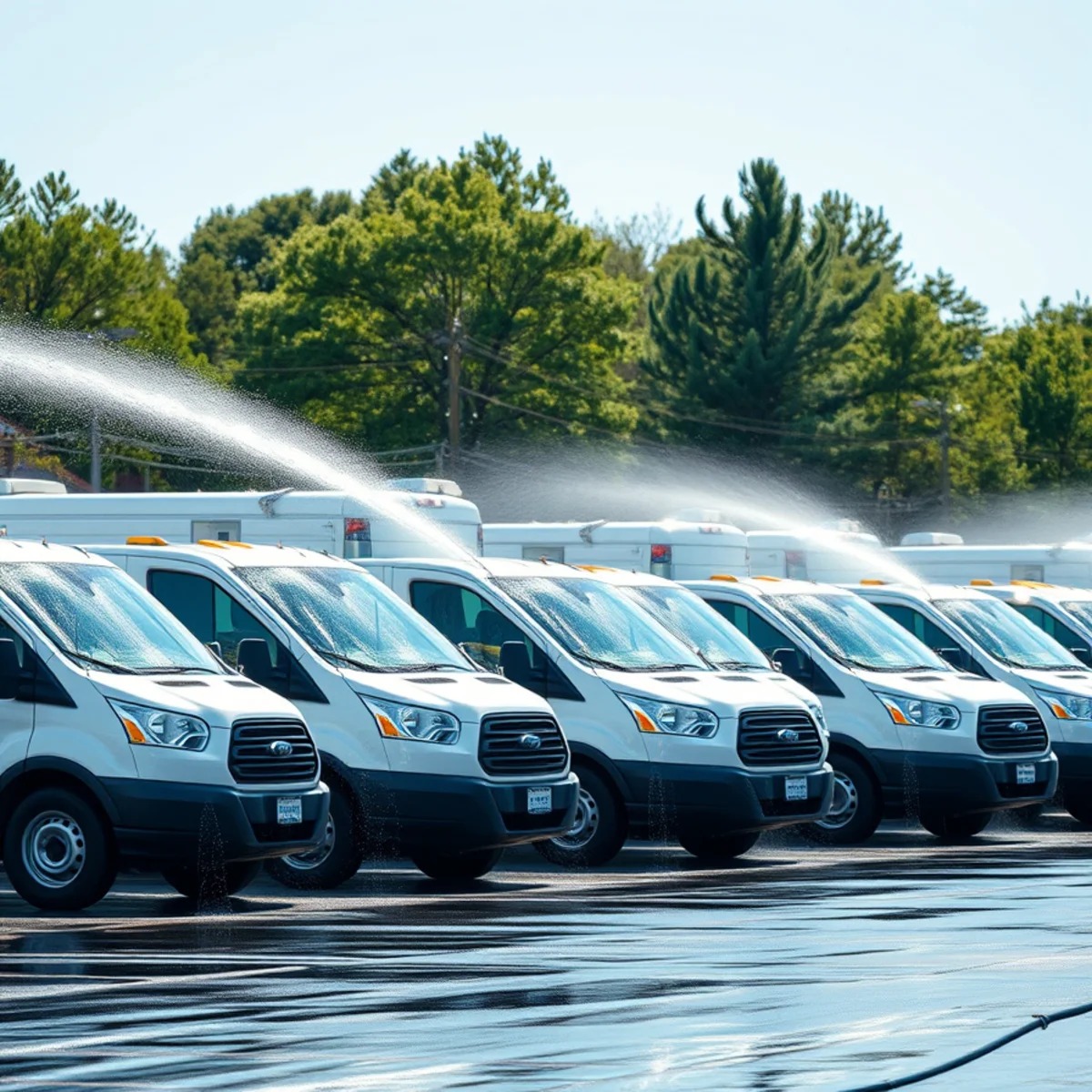
If you manage a shopping center, restaurant group, or multiple units, a maintenance contract from a commercial building exterior cleaning provider keeps every storefront on the same standard.
The ROI of a Clean Storefront
A clean exterior is one of the most affordable, most dependable marketing investments you can make, and it works every day your doors are open. It pulls in foot traffic, raises perceived value, builds the customer trust that drives repeat business, and protects the property itself from salt, algae, and grime damage that gets expensive to repair. For a property manager, consistent curb appeal across a portfolio supports rents and tenant retention. The math is simple: a few cleanings a year cost a fraction of one lost lease or one slip-and-fall claim.
Schedule Storefront Pressure Washing With Wash Bros
Wash Bros was founded in 2023 by brothers Louis and Dominic, and we have earned a 5.0 average across 130 reviews by treating every commercial client's reputation as carefully as our own. We are fully insured, we match the method to each surface, and we schedule around your hours so customers never see the hose. If your entrance, glass, or sidewalks need attention, contact us for a free, no-obligation estimate, or call +1 (351) 242-0666 and we will recommend the right plan for your business and budget.
Frequently Asked Questions
Need Professional Exterior Cleaning?
Wash Bros provides affordable, dependable pressure washing across Massachusetts. Get your free estimate today.
Get a Free Estimate