Paint Preparation Washing Services in Massachusetts
Professional paint preparation washing from Wash Bros for Massachusetts homes and businesses — affordable, dependable, and designed to restore curb appeal safely.
Your painter quoted you a beautiful finish. Then the new coat started peeling by the next summer.
Here is the hard truth most homeowners learn too late: paint does not fail because of cheap paint. It fails because it was rolled over a dirty, chalky, mildewed surface that the painter never properly cleaned. Live mold bleeds through. Chalking residue acts like dust between the topcoat and the wall. Loose paint takes the new coat with it when it lets go. You paid for a multi-year finish and got a one-season cosmetic patch.
That is the problem paint preparation washing solves. Wash Bros prepares exterior surfaces across Massachusetts so primer and topcoat actually bond — and stay bonded through New England's freeze-thaw cycle, coastal salt air, and humid, shaded summers.
What Is Paint Preparation Washing (Pre-Paint Pressure Washing)?
Paint preparation washing is the dedicated cleaning step performed before an exterior repaint or restain. It is not the same as a cosmetic house wash. The objective is a sound, contaminant-free, paint-ready substrate — a surface so clean and stable that the new coating can grip the material instead of gripping a layer of grime that will release later.
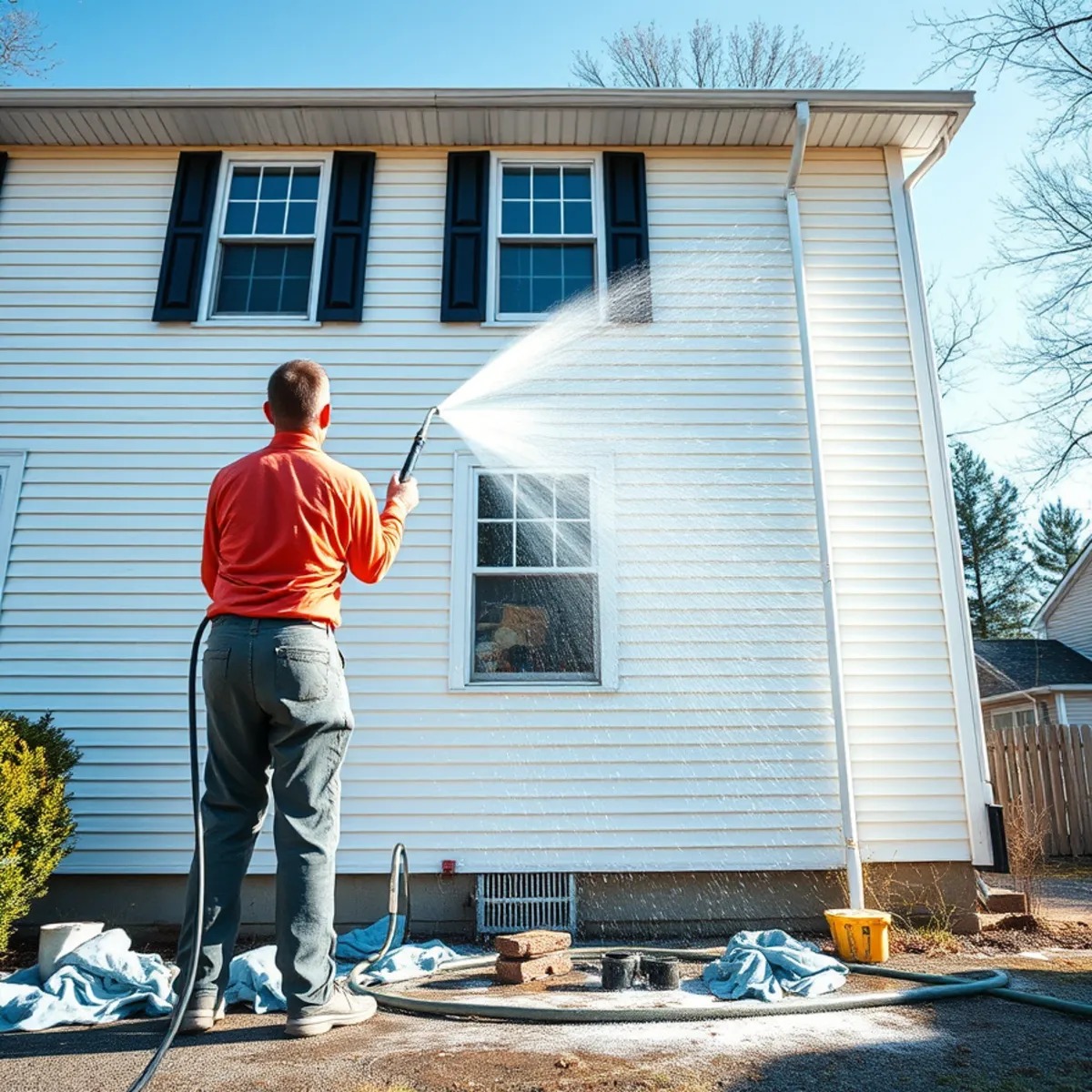
We use controlled pressure and surface-appropriate detergents to strip away everything paint cannot adhere to: dirt and grime, oxidized chalking residue, mildew and mold, algae and pollen, road salt, and loose or peeling paint. On wood, fiber cement, and aged siding we switch to a low-pressure wash so we lift contaminants without driving water behind the cladding or etching the surface.
Think of it as the difference between wiping a counter and sanitizing it. One looks clean. The other is actually ready for what comes next.
Why You Should Pressure Wash Before Painting Your Home's Exterior
Every exterior surface collects a film you cannot fully see: airborne dirt, tree pollen, exhaust grime, and — on any wall that stays shaded or damp — a living layer of mildew and algae. On older painted surfaces, sun breaks the old coating down into a fine chalk that powders off on your hand. Paint a fresh coat over any of that and you are bonding new paint to loose contamination, not to the substrate.
Surface preparation is the single biggest predictor of how long a paint job lasts. Pre-paint cleaning removes the weak layer so the coating contacts solid material. Skip it and you are gambling thousands of dollars in paint and labor on a foundation of dust and mold.
You don't need more pressure. You need the right chemistry. Pressure alone does not kill the biological growth that causes most premature peeling — biodegradable surfactants and a mildewcide do.
How Pre-Paint Washing Improves Paint Adhesion and Doubles Paint Lifespan
Paint adhesion is mechanical and chemical: the coating has to physically key into a clean profile and chemically bond to a stable surface. Anything between the paint and the substrate — chalk, spores, salt, dust — becomes a release layer.
A properly cleaned exterior can dramatically extend how long the finish holds. Industry experience puts a well-prepped repaint in the seven-to-ten-year range, while a coat applied over a dirty or mildewed wall can start failing within a single season. That is the real return on prep: not a cleaner look on day one, but years of additional service life before you are back on a ladder.
In New England specifically, the timber-frame and clapboard housing stock means wood repaints commonly come due every five to seven years. Thorough prep is what keeps you at the long end of that range instead of the short end.
What Paint Prep Washing Removes: Dirt, Chalking, Mildew, Mold, Algae, Loose & Peeling Paint
A pre-paint wash targets the specific contaminants that sabotage adhesion:
- Dirt and grime — the everyday film that blocks contact between paint and substrate.
- Chalking residue — the powdery oxidation that forms as old paint and pigment break down under UV. Wipe a faded wall and the white dust on your hand is chalk. It must be flushed off, not painted over.
- Mildew and mold — biological colonies that thrive on shaded, damp New England walls and bleed through fresh paint if they are not killed at the root.
- Algae and pollen — green growth and sticky spring pollen film that wreck adhesion.
- Oxidation — degraded surface material on aged siding and metal.
- Salt and road grime — winter de-icing salt near entries and driveways, and coastal salt-air corrosion, both of which keep paint from bonding.
- Loose and peeling paint — failing edges and flakes that a controlled wash knocks back so your painter has a sound edge to feather, scrape, and prime.
Killing the biology is the part DIY almost always misses. A mildewcide or mold-killing detergent and a biocide treatment neutralize the growth so it cannot regrow under your new coat. Rinse alone just moves it around.
Soft Washing vs. Pressure Washing for Paint Prep: Choosing the Right Method by Surface
The method is dictated by the material, not by how dirty it looks. This is where most rental-machine damage happens — one pressure setting gets used on every surface.
Soft washing uses low pressure plus cleaning solution to do the work chemically. It is the correct approach for almost all siding and any aged, painted, or porous surface. The right soft washing setup cleans and sanitizes without blasting the material.
Higher-pressure washing has a place — primarily on hard, durable, unpainted surfaces like concrete and masonry flatwork — but it is the wrong tool for siding being prepped for paint.
Surface-appropriate pressure for pre-paint work:
- Vinyl siding — soft wash, low-rinse, roughly 100–500 PSI.
- Wood clapboard and cedar shingles — soft wash, hand-brushed where needed, under about 200 PSI.
- Stucco / EIFS — soft wash only, under about 150 PSI.
- Historic brick and masonry — soft wash, no direct high spray, under about 400 PSI to protect aged mortar.
- Fiber cement and aluminum — soft wash; aluminum oxidizes and gouges easily, fiber cement is durable but does not need brute force.
Match the chemistry and pressure to the substrate and you clean it thoroughly without harming it. That is the whole game.
Surfaces We Prep for Painting: Vinyl, Wood Clapboard, Cedar Shingle, Aluminum, Fiber Cement, Stucco, Brick & Trim
We prep the full range of Massachusetts exterior surfaces for paint and stain:
- Vinyl siding being repainted — degloss and decontaminate without forcing water behind the panels. See our vinyl siding cleaning.
- Wood clapboard and cedar shingle — the classic New England surfaces that chalk, weather, and grow mildew, and demand gentle handling.
- Aluminum siding — heavy oxidation removal so paint bonds to fresh material, not a powdery skin.
- Fiber cement — durable, but still needs a clean, dust-free profile.
- Stucco, brick, and masonry being painted or sealed — cleaned without eroding mortar joints.
- Trim, soffits, fascia, shutters, and railings — the detail surfaces painters fight with most.
Broader projects pair naturally with our house washing and exterior window cleaning so the whole envelope is ready before paint day.
Our Paint Preparation Washing Process Step by Step
Before we pull a trigger, we walk the property and read the surfaces. We note material types, sun exposure, the extent of chalking and biological growth, and any wood rot, failing trim, or soft fascia that should be flagged to you and your painter before paint goes on — catching it during the wash is far cheaper than discovering it under a fresh coat.
We pre-soak landscaping and stage runoff containment. Cleaning solution that is great for siding is hard on plantings, so we wet beds down first and stay mindful of storm drains and well water on rural lots. Our detergents are biodegradable surfactants, but responsible handling still matters.
Then we apply the cleaning solution — a mildewcide-charged mix, typically downstream-injected at a controlled sodium hypochlorite dilution — and let the chemistry dwell so it kills mildew, mold, and algae at the root rather than just rinsing the surface green-to-clean. We work top-down, hand-brushing cedar and delicate trim where needed, and we knock back loose and peeling paint without trying to strip a sound coating with high pressure. We finish with a thorough rinse and neutralize so no residue is left to interfere with primer and topcoat.
What we will not do is crank the pressure to "save time." That is how amateurs splinter cedar, etch siding, and force water into wall cavities.
How Long to Wait After Pressure Washing Before Painting (Drying & Moisture Levels)
This is the question homeowners search for most, and the honest answer has a range.
As a rule, give a washed exterior 24 to 48 hours to dry before painting under good conditions — warm, dry, breezy days. The real target is not the clock, it is moisture content under roughly 15% in the substrate, especially for wood. Paint over wood that is still wet inside and you trap moisture, which causes blistering and adhesion failure as it tries to escape.
In practice, plan on three to five dry days in New England before a wood repaint, more if the weather has been damp, cool, or overcast. Shaded north walls and dense materials like cedar hold moisture longer than sunny, exposed elevations. A pro confirms readiness with a moisture meter rather than guessing.
How do you know your siding is dry enough? Dense, shaded, recently rained-on, or cool conditions all push the window longer. When in doubt, wait — paint applied to a properly dry surface cures and reaches full cure strength the way the manufacturer intended.
Pressure Washing vs. Power Washing for Pre-Paint Cleaning
People use the terms interchangeably, but there is a real distinction. Power washing uses heated water; pressure washing uses unheated water at pressure. For most pre-paint work on siding, neither high-pressure approach is what you want — soft washing does the job. Heat and high PSI matter on greasy concrete and tough flatwork, which is the realm of dedicated power washing. For the side of your house being painted, chemistry and low pressure win every time.
Common Mistakes That Ruin a Paint Job (and How Pros Avoid Them)
The recurring failures we get called to fix:
- Painting over live mildew or chalk. It bleeds through or releases, and the coat fails fast. Pros kill the biology and flush the chalk first.
- Too much pressure on siding. It gouges wood, etches vinyl, and forces water behind cladding where it rots framing and traps the failure underneath. Pros match PSI to the material.
- Not waiting for the surface to dry. Trapped moisture blisters paint from underneath. Pros confirm moisture content, not just the calendar.
- Skipping scraping and sanding after the wash. The wash knocks back loose paint; the painter still needs to scrape, sand, and spot-prime the edges. Prep and paint work together.
- Ignoring salt. Near the coast and along salted winter roads, salt film blocks adhesion and must be washed off.
DIY vs. Hiring a Professional for Pre-Paint Washing
A garden hose will not kill mildew, and a rented pressure washer in untrained hands does more harm than the dirt it removes. The two biggest DIY risks are real and expensive: blasting water into wall cavities (hidden rot you find years later) and stripping or splintering cedar and clapboard with too much pressure. Painting over growth you only rinsed is the number one reason a fresh coat peels within a season.
A professional brings calibrated pressure for each surface, the right mildewcide and biocide to kill growth at the root, runoff and landscaping awareness, and the judgment to call out wood rot before it is sealed under paint. On a repaint costing thousands, prep is not the corner to cut.
Coordinating With Your Painter: Scheduling the Wash Before Paint Day
Good prep is timed, not rushed. We coordinate the wash so the surface has its full drying window before your painter arrives — typically washing several days ahead, then letting New England weather cooperate. Painters across Worcester, Newton, and Cambridge bring us in first precisely because a clean, dry substrate means fewer callbacks for them and a finish that holds for you. We are happy to talk directly with your painter about scheduling and moisture readiness. And to be clear: we clean and de-gloss the surface; we do not strip a sound paint film with high pressure, because that creates damage your painter then has to repair.
Paint Prep Washing for Decks, Fences & Trim Before Staining or Repainting
Horizontal wood takes the worst of the weather, and stain and seal prep is unforgiving — stain will not absorb evenly into a dirty, graying, or mildewed board. We clean decks and fences at low pressure to open the grain, remove gray oxidized fibers and biological growth, and leave a uniform surface that drinks stain the way it should. Decks especially need their full drying window before sealing. In New England the smart timing is early fall — clean and seal before the freeze-thaw cycle starts working moisture into the boards.
Massachusetts Climate & Paint Prep: Why New England Homes Need It
New England is brutal on exterior paint, and that is exactly why prep matters more here than almost anywhere.
The freeze-thaw cycle works moisture into every gap and lifts failing paint at the edges all winter. Humid, shaded summers grow mildew and algae back fast on tree-lined lots across MetroWest, Worcester County, and the Pioneer Valley. Coastal salt-air corrosion on the Cape, the Islands, and the North and South Shores leaves a film that paint will not bond to, and salted winter roads do the same inland. Spring pollen coats everything in a sticky yellow layer right at the start of painting season.
The result: a short painting window from late spring through fall, a wood-and-cedar housing stock that chalks and weathers, and recurring green growth that must be killed, not just rinsed, before paint — or it bleeds through. On older and historic homes, common across Massachusetts towns, the wash is also the moment to catch wood rot and failing trim before it disappears under a fresh coat. Gentle chemistry protects original clapboard, cedar, and heritage mortar in the process. If your problem is the growth itself, our mildew & mold removal and algae removal services address it at the source.
How Much Does Paint Preparation Washing Cost in Massachusetts?
We do not quote blind numbers, because honest pricing depends on the property. The factors that move a paint-prep estimate:
- Square footage and number of stories — more surface and more height means more labor and access.
- Surface material — hand-brushed cedar and delicate trim take more care than flat vinyl.
- Severity of contamination — heavy chalking, thick mildew, or stubborn salt film needs more dwell time and product.
- Extent of loose paint and detail work — intricate trim, soffits, and railings add time.
- Access and landscaping — tight lots, mature plantings, and runoff sensitivity all factor in.
We give a clear, written estimate after we understand the surfaces. No vague figures, no surprises on paint day.
Service Areas Across Massachusetts
Wash Bros provides paint preparation washing statewide, from the coast to the Berkshires. We regularly prep homes for paint in Worcester, Newton, Cambridge, Quincy, and Boston, and across the surrounding towns of MetroWest, the North and South Shores, Worcester County, and the Pioneer Valley. If you do not see your town listed, call us — our service map covers most of the Commonwealth.
Get a Free Paint Prep Washing Quote
A repaint is one of the biggest exterior investments you will make. Protect it by starting on a clean, sound, properly dried surface — not a film of chalk and mildew that takes your new coat down with it.
Wash Bros is a family-run, fully insured company (certificate of insurance available on request), founded by brothers Louis and Dominic in 2023 and built on a 5.0 average across 130 Google reviews. We are satisfaction-focused, surface-smart, and serious about doing prep right the first time so your painter — and your wallet — never has to redo it.
Get your surfaces paint-ready the right way. Call Wash Bros at +1 (351) 242-0666 for a free paint preparation washing estimate anywhere in Massachusetts.
Problems We Solve
- Fresh paint peeling within a season because it was rolled over live mildew, chalk, or dirt
- Chalking residue and pollen film acting as a release layer that stops new paint from bonding
- Mold and algae bleeding through a fresh coat on shaded, damp New England walls
- Rented pressure washers gouging cedar or forcing water behind siding and causing hidden rot
- Wood rot and failing trim getting sealed under fresh paint instead of being caught first
- Painting before the surface is dry, trapping moisture that blisters the new coat from underneath
Our Cleaning Process
- 1
Inspect the surface and identify problem areas
- 2
Protect nearby landscaping, fixtures, and finishes
- 3
Apply the correct cleaning method for the surface
- 4
Wash and rinse thoroughly with professional equipment
- 5
Final quality check and walkthrough with you
Why Choose Wash Bros
- Affordable, upfront pricing
- Dependable scheduling
- Experienced exterior cleaning team
- Surface-safe process, every job
- Residential & commercial options
- 5.0 stars across 130 reviews
Paint Preparation Washing Across Massachusetts
We provide paint preparation washing in 351 Massachusetts cities, including:
Paint Preparation Washing FAQs
Related Services
Soft Washing
Low-pressure soft washing that kills roof algae, mold, and black streaks at the root, safely cleaning MA roofs and siding.
Read More
House Washing
Low-pressure soft wash house washing across MA. We kill algae, mold, and black streaks at the root, never blasting your siding.
Read More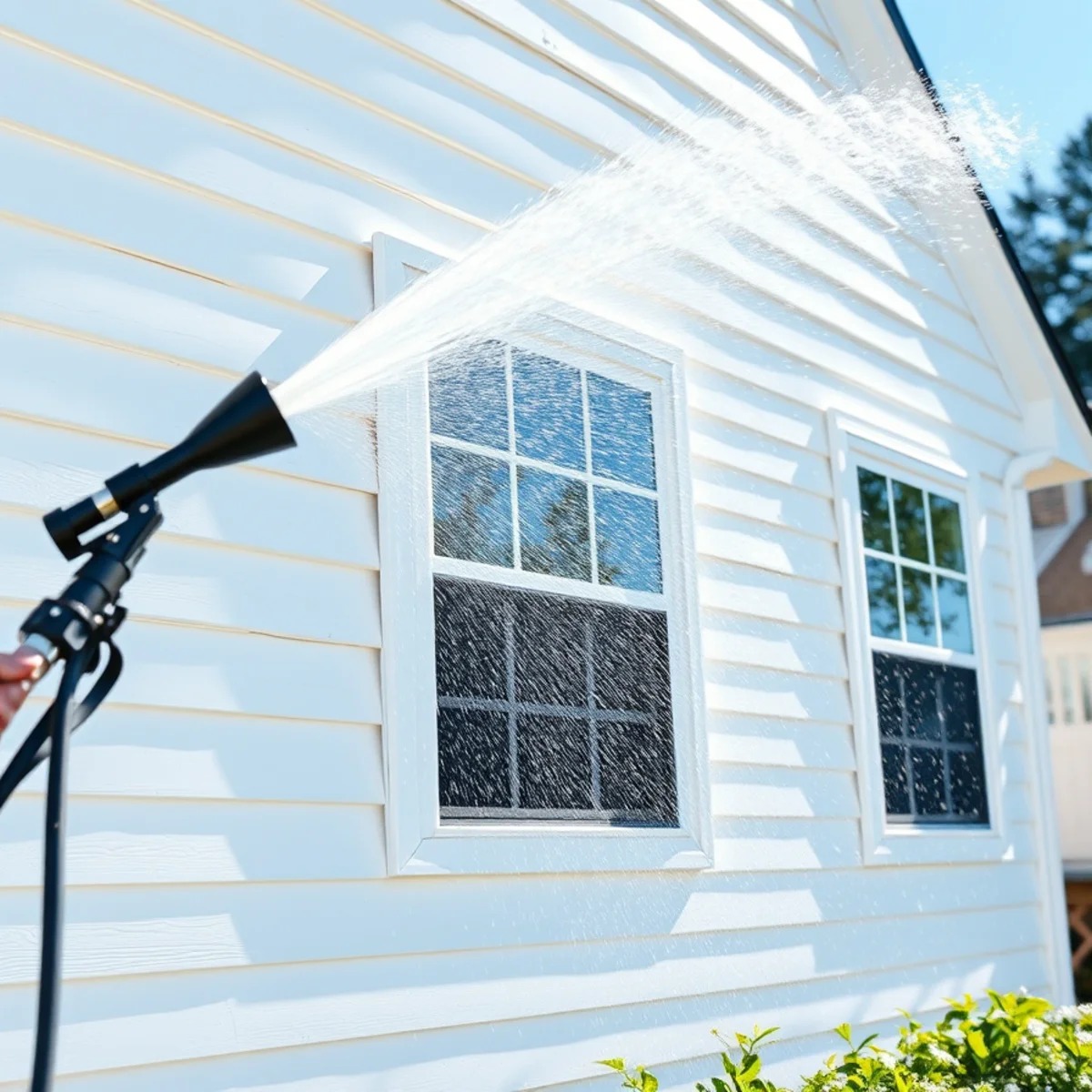
Vinyl Siding Cleaning
Soft wash vinyl siding cleaning that kills green algae, mold and black streaks at the root, without forcing water behind your panels.
Read More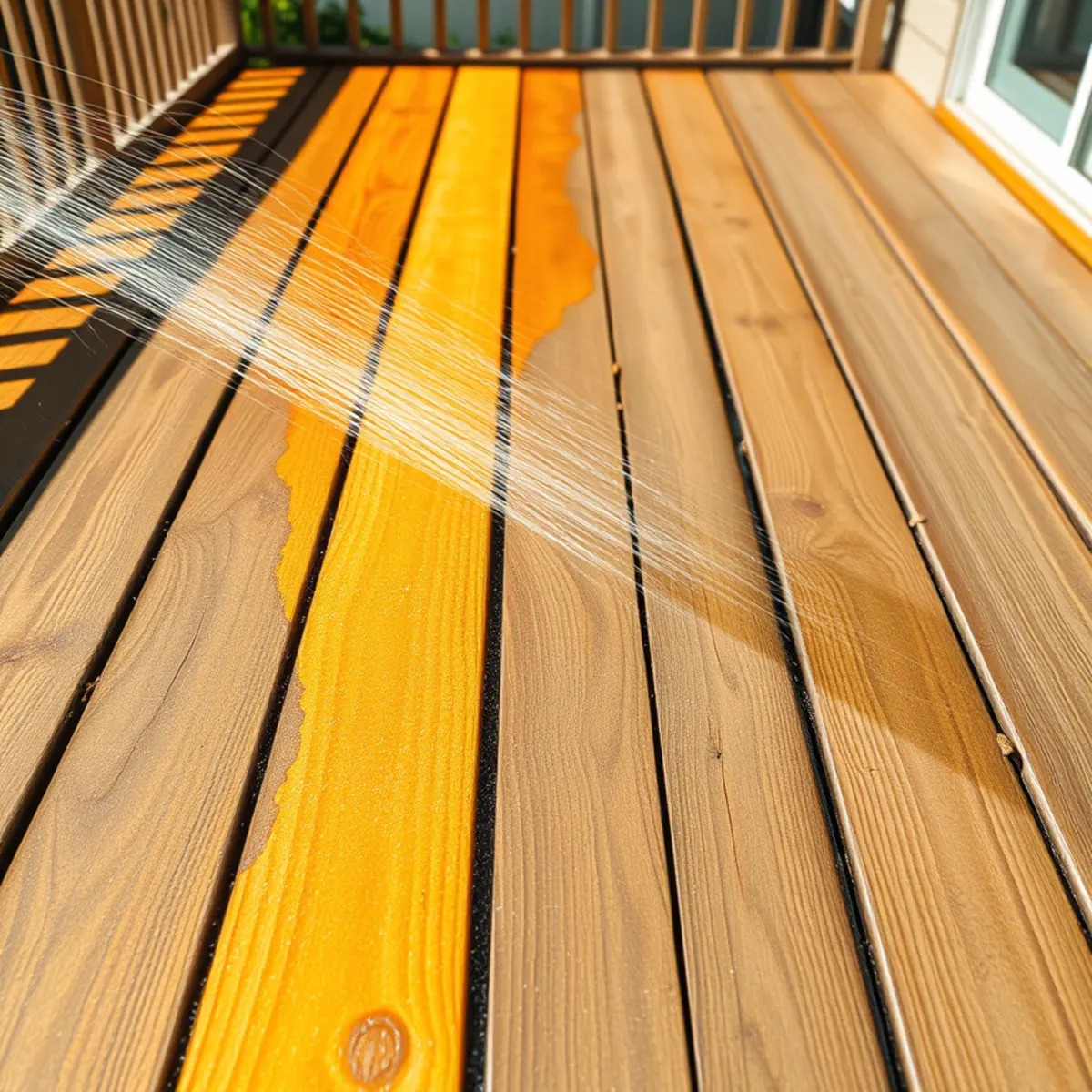
Deck Cleaning
Expert deck cleaning in Massachusetts using safe soft washing for wood, cedar, composite, and Trex. Fully insured, satisfaction-focused.
Read More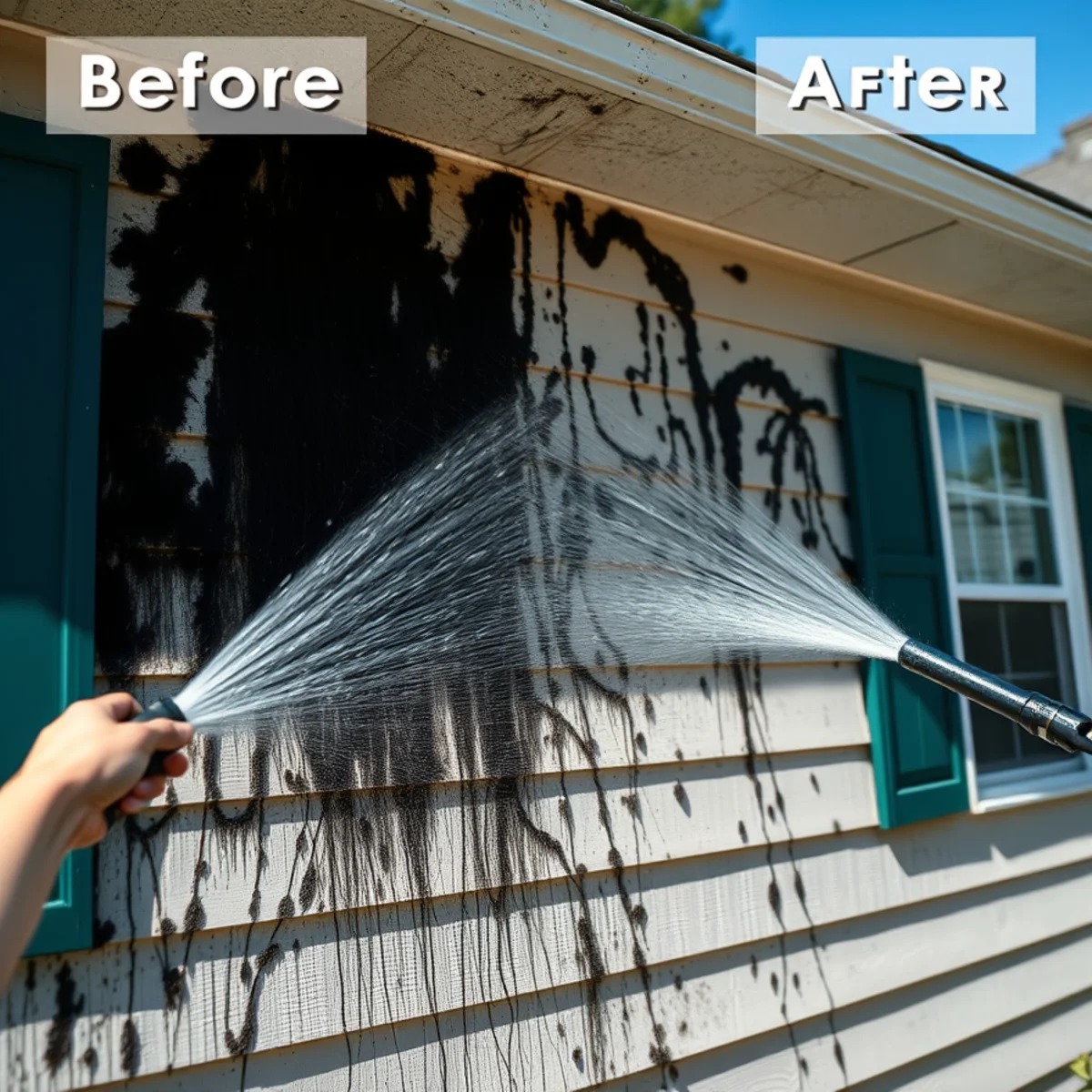
Mildew & Mold Removal
Soft-wash mildew and mold removal that kills growth at the root on Massachusetts siding, roofs, and hardscapes — not just a quick rinse.
Read MoreReady to Schedule Paint Preparation Washing?
Contact Wash Bros today for a free paint preparation washing estimate anywhere in Massachusetts.