Oxidation Removal Services in Massachusetts
Professional oxidation removal from Wash Bros for Massachusetts homes and businesses — affordable, dependable, and designed to restore curb appeal safely.
Run a dry hand down your siding. If your palm comes back dusted in chalky white residue, your home isn't dirty. It's oxidizing.
That film won't rinse off with a garden hose. It's the surface of your siding breaking down. Left alone, it spreads, the color keeps fading, and the panels look a decade older than they are. Worse, the usual "fix" homeowners reach for, a rented pressure washer on full blast, can crack brittle, sun-aged vinyl and leave permanent wand marks that no cleaning will undo.
Here's the good news. The original color is almost always still there, hidden under that oxidized layer. The right chemistry and a careful soft wash lift the chalk off and bring it back, often for a fraction of the cost of repainting or replacing siding. That's exactly what oxidation removal does, and it's a job that rewards experience over horsepower.
What Is Vinyl Siding Oxidation? (The Chalky White Residue Explained)
Vinyl siding is made from PVC polymers with color pigments and UV stabilizers blended in. Those stabilizers buy you years of protection. But they don't last forever. As the outermost layer of plastic degrades, the polymer chains break down and the pigment and chalky filler compounds migrate to the surface.
That powdery residue on your hand is the oxidized layer, literally the spent surface of the material flaking off at a microscopic level. It's a form of weathering called chalking, and it's the single most common reason an otherwise sound siding job looks tired and washed-out.
The same process attacks more than vinyl. Aluminum siding and aluminum gutters oxidize too, forming a dull, sometimes corroded film as the painted finish and the metal beneath react with air, moisture, and salt. Fiberglass shutters, garage doors, and painted metal trim all chalk the same way. Different material, same enemy: UV degradation and time.
Signs Your Siding Is Oxidized: How to Spot Chalky, Faded, or Dull Siding
You don't need a lab to diagnose oxidation. Look for these:
- Chalky white residue. The classic chalk test: wipe a clean, dark rag or your bare hand across the siding. If it comes away coated in white or pastel powder, that's chalking.
- Flat, faded color. Oxidized siding loses its sheen and looks dull, gray, and lifeless compared to shaded or protected areas.
- Uneven fading by exposure. South- and west-facing walls that take the most sun are usually far more faded than north-facing walls. That difference is a dead giveaway.
- Black streaks on gutters. Aluminum gutter oxidation often shows up as a chalky haze plus dark vertical streaking, "tiger striping," that ordinary rinsing won't touch.
- Discoloration around trim and seams. Blotchy patches and a general loss of uniform color across the panel.
If your siding looks washed-out next to a neighbor's home of the same vintage, or a wet cloth comes back chalky, you have oxidation, not dirt.
What Causes Oxidation on Massachusetts Homes (UV, Salt Air, Freeze-Thaw, Humidity)
New England is genuinely hard on exterior surfaces, and oxidation is one of the clearest examples.
Our summers deliver long, intense UV exposure. Sunlight is the primary driver of chalking, and south- and west-facing walls take the brunt of it. By the time a Massachusetts home is fifteen or twenty years old, those sun-facing elevations are noticeably more faded than the rest.
On the coast, salt-air corrosion accelerates everything. From Cape Cod and the Islands up through the North Shore and South Shore, airborne salt settles on aluminum siding and gutters and speeds the breakdown of the finish. Aluminum that would chalk slowly inland corrodes faster within a few miles of the water.
Then there's winter. Freeze-thaw cycles stress surface coatings as they expand and contract, and road-salt spray coats lower panels through the season. Add our humid summers, which feed pollen, algae, and mildew growth on top of the chalk, and you get the gray, dull, tired look that hangs on so many older homes.
There's a real pattern here. A lot of Massachusetts housing stock wears original 1980s and 1990s vinyl and aluminum siding, and that older material is exactly the kind that oxidizes heavily. The siding usually isn't worn out. It's just buried under decades of chalk.
Why Pressure Washing Alone Won't Remove Oxidation
This is the part most homeowners learn the hard way.
Oxidation is a chemical change in the surface of the material, not loose grime sitting on top of it. You cannot blast a chemical reaction off with water. Crank the pressure high enough to scour the chalk and you'll start carving the siding instead, etching streaks, cutting wand marks into aging panels, and on brittle, sun-aged vinyl, cracking it outright.
There's a second failure mode that's worse. High pressure forces water up behind siding through the seams and weep holes, where it gets trapped against the sheathing and feeds mold and rot inside the wall. The damage you can't see is the expensive kind.
So the honest answer to "does pressure washing remove oxidation" is no, not safely. Vinyl siding belongs in the soft-wash range, a low-rinse application around 100 to 500 PSI. The chalk comes off through chemistry and gentle agitation, not force.
You don't need more pressure. You need the right chemistry.
Our Professional Oxidation Removal Process
We approach an oxidized exterior as a restoration, not a rinse, and the sequence matters.
It starts before any product touches the house. We walk the property, identify the material, vinyl, aluminum, fiberglass, or painted metal, and assess how deep the oxidation runs. We pre-soak and protect landscaping, because the detergents that strip chalk are not something you want pooling around your plantings, and we're mindful of runoff containment near storm drains, gardens, and well-water properties.
Then we treat the surface with a specialized cleaning solution built for the material in front of us. On vinyl and aluminum that means a controlled blend of biodegradable surfactants and, where appropriate, a measured dose of sodium hypochlorite to clear the algae and mildew riding along with the chalk, plus a dedicated siding brightener or restoration treatment to lift the oxidized layer itself. Dwell time and dilution are everything here. Too weak and the chalk stays; too strong or too long and you risk uneven, blotchy color. That judgment is what experience buys you.
The chalk doesn't always surrender to chemistry alone. Heavier oxidation gets worked with a soft-bristle brush, hand-agitated panel by panel so the brightener penetrates the oxidized layer evenly. We rinse at low pressure from the proper angle, never driving water up under the laps, and feather every section into the next so there's no hard line where we stopped.
Done right, the result is dramatic and even: restored, true color and no damage. That's the same low-pressure discipline behind our soft washing and vinyl siding cleaning work.
The Soft Washing & Specialized Chemical Treatment We Use
Soft washing is the whole game with oxidation. Instead of relying on PSI, we rely on detergents, surfactants, and brighteners to do the cleaning, then rinse gently.
The chemistry is matched to the surface. Biodegradable surfactants break the bond between the chalk and the panel. A siding brightener or siding restorer targets the oxidized film specifically. Where biological growth is mixed in, a calibrated, diluted sodium hypochlorite solution handles the algae and mildew at the root, because pressure never kills algae, chemistry does. Everything is applied at low volume and rinsed with care, with attention to where the runoff goes.
This is also why a bottle of bleach and a brush from the hardware store rarely produces an even result. The eco-conscious solutions we use are formulated and diluted for the exact material, and applied with the dwell time that restoration demands.
Surfaces We Restore: Vinyl Siding, Aluminum Siding, Gutters, Shutters & Fascia
Oxidation isn't a vinyl-only problem, and we don't treat it like one.
We restore oxidized vinyl siding, the most common request, bringing dull, chalky panels back to uniform color. We treat aluminum siding, which corrodes faster near the coast and responds well to the right brightener. We clear aluminum gutter oxidation and the black streaks and tiger striping that come with it, which ordinary gutter cleaning won't remove on its own. And we handle shutters, fascia, soffits, fiberglass doors, garage doors, and painted metal trim, the trim details that make a chalky house look neglected even after the walls are clean.
Covering aluminum siding and oxidized gutters is exactly where a lot of competitors stop short. We don't.
Oxidation Removal vs. House Washing: What's the Difference?
This trips up a lot of homeowners, so let's be clear.
A standard house washing removes what's sitting on top of your siding: dirt, pollen, cobwebs, algae, and mildew. It's maintenance, and most homes need it regularly. It makes a dirty house clean.
Oxidation removal goes a level deeper. It addresses a change in the surface of the material itself, the chalking and fading, that a routine wash will not fix. A house wash on heavily oxidized siding will lift the loose grime but leave the panels looking flat and faded, because the chalk is part of the surface now. Oxidation removal uses brighteners and agitation to lift that oxidized layer and restore color.
Put simply: house washing cleans the surface. Oxidation removal restores it. Many older homes need both, and we'll tell you honestly which one your siding actually calls for.
Oxidation Removal Before Painting or Replacing Siding
If you're planning to paint chalky siding or trim, this step isn't optional. Paint will not bond to a powdery, oxidized surface. Skip the prep and you get peeling, bubbling, and adhesion failure within a season or two, with the chalk acting like a release layer between the old surface and the new coating.
Proper oxidation removal strips that film and leaves a sound, clean surface that paint can actually grip. It's the foundation of good repaint preparation, and it's why this pairs naturally with our paint preparation washing service. The same logic applies to hardboard siding and other painted exteriors headed for a fresh coat.
And here's the budget angle worth sitting with: for many Massachusetts homeowners, oxidation removal makes painting or full siding replacement unnecessary altogether. If the panels are structurally sound and just chalky, restoring the original color is dramatically cheaper than tearing off and re-siding. We've turned a lot of "we need to replace the siding" conversations into a one-day restoration.
Can Oxidized Siding Be Fully Restored? Setting Realistic Expectations
We'll be straight with you, because too many companies won't.
Most oxidation comes off cleanly, and the improvement is dramatic. On siding that's faded but not deeply degraded, you'll get back something very close to the original color and a uniform finish across the wall.
But oxidation exists on a spectrum. On severely degraded panels, decades of UV breakdown where the material itself is chalked deep into the surface, restoration may be substantial rather than total. We can lift the chalk and even out the color significantly, but a panel that's lost much of its pigment won't return to factory-new. When we see siding that far gone, we tell you before we start, and we'll point you toward repaint prep or replacement instead of overpromising a result we can't deliver.
The other honest point: oxidation is a natural weathering process, so over years it will gradually return. A restored exterior isn't permanent, but with periodic maintenance it stays bright for a long stretch. Setting that expectation up front is how we'd want a contractor to treat us.
DIY Oxidation Removal vs. Hiring a Professional
The DIY temptation is real, a rented pressure washer, a bottle of cleaner, a Saturday. It's also where this job goes wrong most often.
Too much pressure leaves permanent wand marks and cracks brittle vinyl. The wrong chemical, or the right one mixed too strong, strips color unevenly and leaves blotches that look worse than the chalk did. Without experience reading dwell time and feathering sections, it's easy to clean one panel beautifully and leave a hard line against the next. And working off a ladder with slick siding and runoff is genuinely dangerous.
There's also the part you can't see. Drive water behind the siding and you've traded a cosmetic problem for hidden mold and rot. We know which dilution, dwell time, and technique each material needs, we protect your landscaping and windows, and we manage runoff responsibly. The result is even, restored color with no damage and no surprises.
How Often Should Siding Be Treated for Oxidation in New England?
For ongoing maintenance, most Massachusetts homes benefit from a soft-wash house cleaning roughly once a year to keep dirt, pollen, algae, and surface oxidation from building up. Coastal and heavily sun-exposed homes often want it more often, because salt air and UV speed the cycle.
A full oxidation-removal restoration is a less frequent, deeper service, called for when chalking and fading have set in over years rather than as routine upkeep. Keep up with annual soft washing and you stretch the time between full restorations considerably.
On timing: spring is prime season. Massachusetts siding comes out of winter dull and chalky after months of freeze-thaw cycles, road salt, and weathering. A spring restoration clears all of it at once and resets your curb appeal for the year. It's also the right move before listing a home, restored siding photographs and shows far better in a competitive Massachusetts real estate market.
How Much Does Oxidation Removal Cost in Massachusetts?
Every home is different, so we quote after we see the property, never with a one-size price. The factors that move the cost are straightforward:
- Size and height of the home. Square footage of siding and the number of stories drive the labor.
- Severity of oxidation. Light chalking rinses quickly; heavy, deeply set oxidation needs hand-agitation and more product.
- Surface type and mix. Vinyl, aluminum, fiberglass, and painted metal each take different chemistry, and gutters and trim add scope.
- Access and layout. Tight lots, dense landscaping, and hard-to-reach elevations take more setup.
- Add-on services. Bundling house washing, gutter brightening, or window cleaning at the same visit changes the overall number.
Here's the framing that matters most: oxidation removal is almost always a fraction of the cost of repainting or replacing siding. For budget-conscious homeowners, it's the highest-value way to restore an aging exterior. We'll give you an honest, itemized estimate so you know exactly what you're paying for.
Why Choose Wash Bros for Oxidation Removal
Wash Bros is a fully insured, family-run company founded in 2023 by brothers Louis and Dominic. We carry full insurance and can provide a certificate of insurance on request, which matters more than homeowners realize, because Massachusetts is full of uninsured operators working off a rented machine with no coverage if something goes wrong on your property.
We've built a 5.0 average across 130 Google reviews by doing exactly what we say, showing up on time, matching the chemistry and pressure to your specific surface, protecting your landscaping and managing runoff, and treating your home like our own. We're not the company that overpromises a factory-new result on shot siding. We're the one that tells you the truth and delivers a clean, even, restored finish.
Service Areas Across Massachusetts
We serve homeowners and businesses across Greater Boston, MetroWest, the North Shore, the South Shore, Worcester County, and out to Cape Cod. We see oxidation everywhere, from the dense neighborhoods of Boston and Cambridge to the older housing stock around Worcester, the salt-exposed coastal homes near Salem and Quincy, and the established neighborhoods of Newton. Wherever you are in the Commonwealth, the oxidation follows the same pattern, and so does the fix.
If your siding, gutters, or trim have gone chalky, dull, and faded, the color is probably still there waiting to come back. Call Wash Bros at +1 (351) 242-0666 for a free oxidation removal estimate, and let's bring your exterior back to life without the cost of a repaint.
Problems We Solve
- Chalky white residue rubbing off your vinyl or aluminum siding onto your hand
- Faded, dull, washed-out color on sun-facing south and west walls
- Black streaks and tiger striping on oxidized aluminum gutters
- Pressure washing that left wand marks or cracked brittle, sun-aged vinyl
- Paint that won't bond because the chalky oxidized surface was never properly prepped
- A tired, dated exterior making your home harder to list or sell
Our Cleaning Process
- 1
Inspect the surface and identify problem areas
- 2
Protect nearby landscaping, fixtures, and finishes
- 3
Apply the correct cleaning method for the surface
- 4
Wash and rinse thoroughly with professional equipment
- 5
Final quality check and walkthrough with you
Why Choose Wash Bros
- Affordable, upfront pricing
- Dependable scheduling
- Experienced exterior cleaning team
- Surface-safe process, every job
- Residential & commercial options
- 5.0 stars across 130 reviews
Oxidation Removal Across Massachusetts
We provide oxidation removal in 351 Massachusetts cities, including:
Oxidation Removal FAQs
Related Services
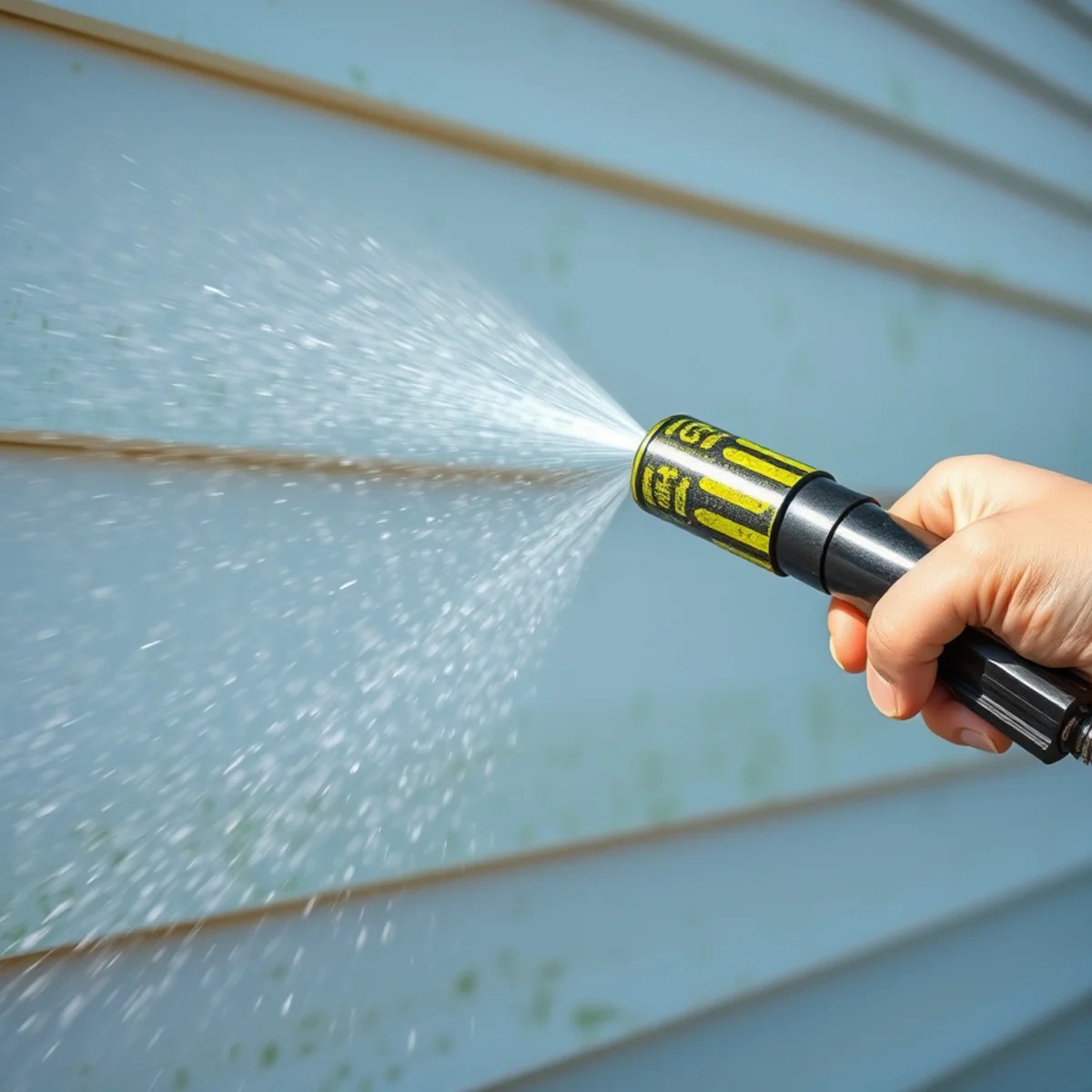
Soft Washing
Low-pressure soft washing that kills roof algae, mold, and black streaks at the root, safely cleaning MA roofs and siding.
Read More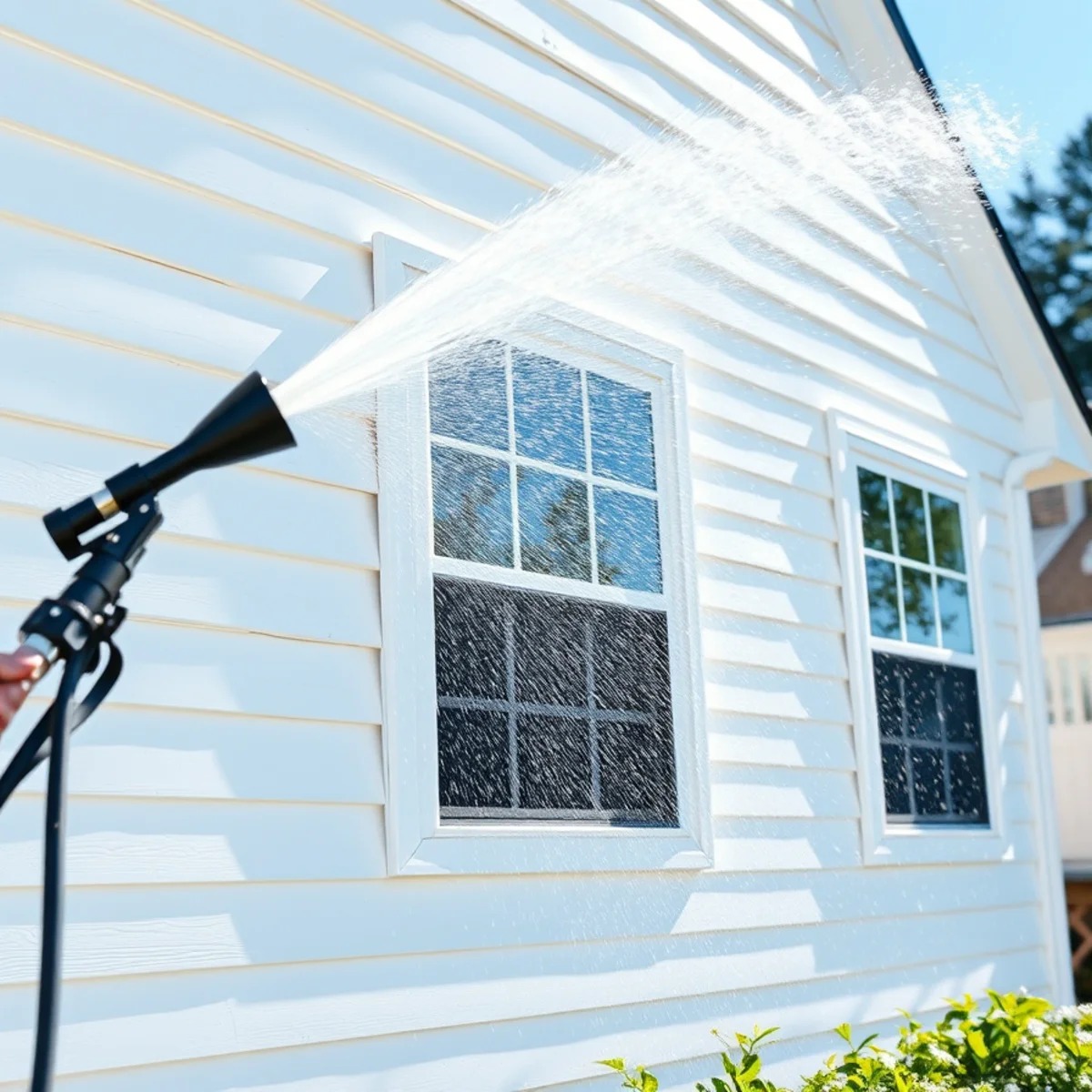
Vinyl Siding Cleaning
Soft wash vinyl siding cleaning that kills green algae, mold and black streaks at the root, without forcing water behind your panels.
Read More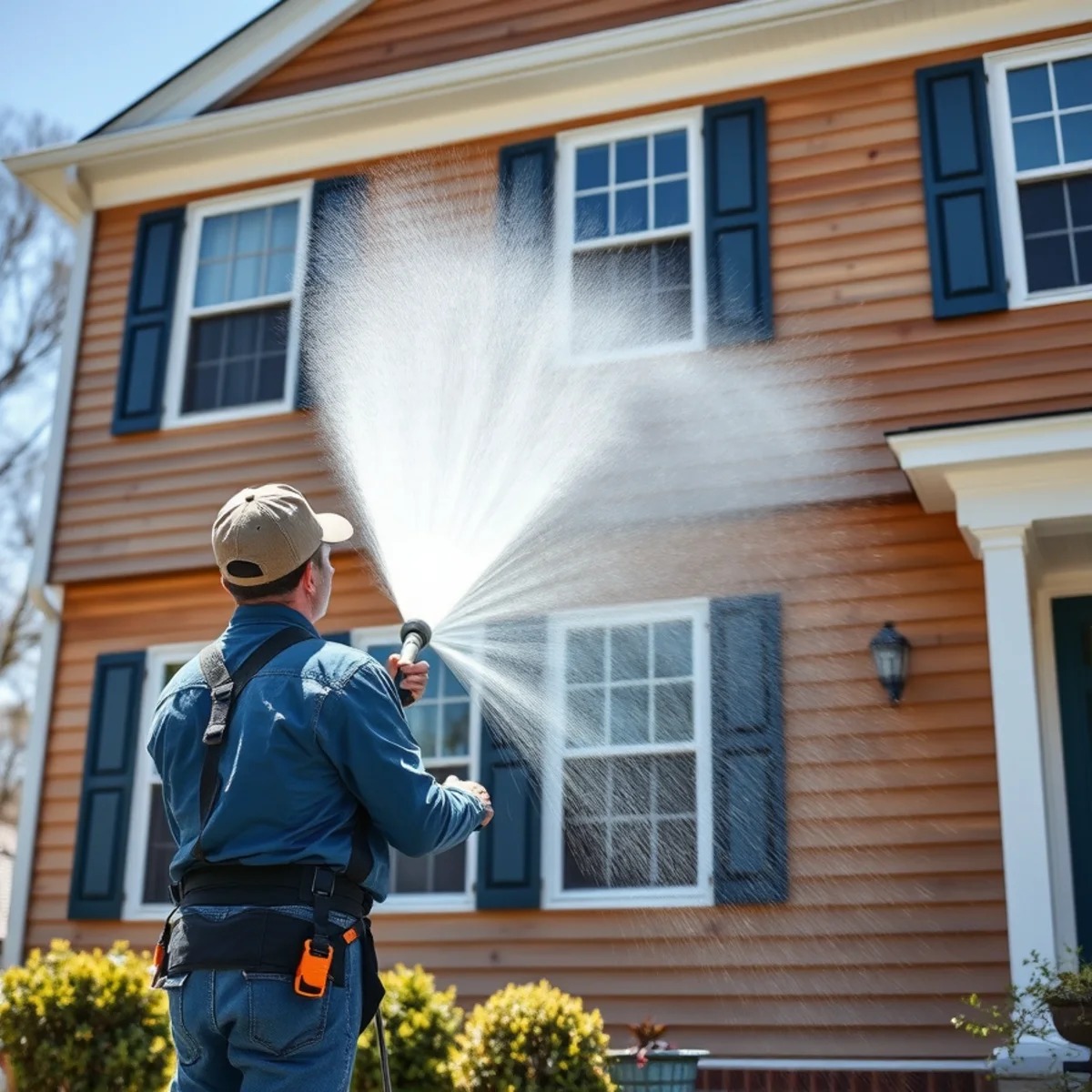
House Washing
Low-pressure soft wash house washing across MA. We kill algae, mold, and black streaks at the root, never blasting your siding.
Read More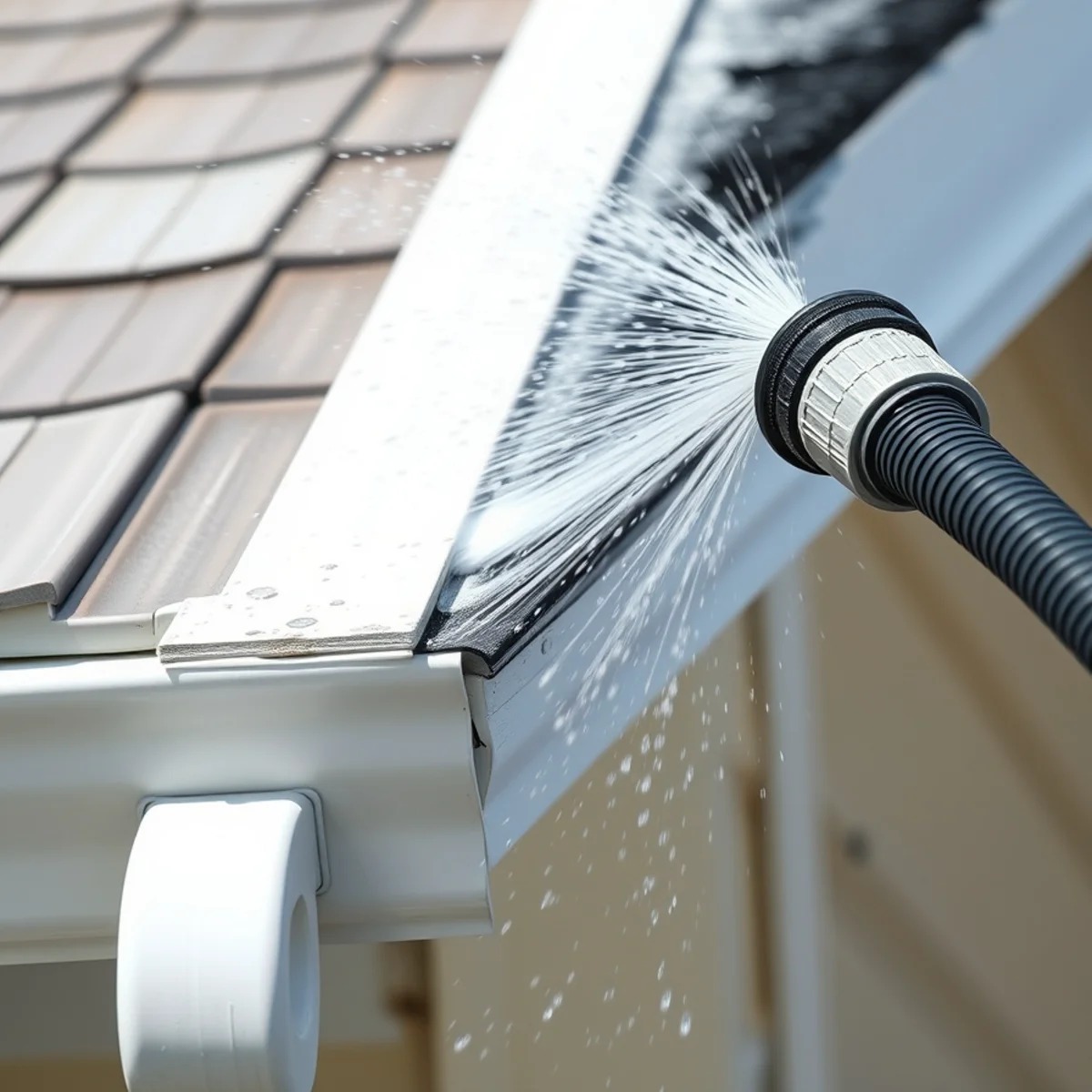
Gutter Brightening
Gutter brightening removes bonded black streaks, tiger stripes, and oxidation from aluminum gutter faces using soft-wash chemistry, not pressure.
Read More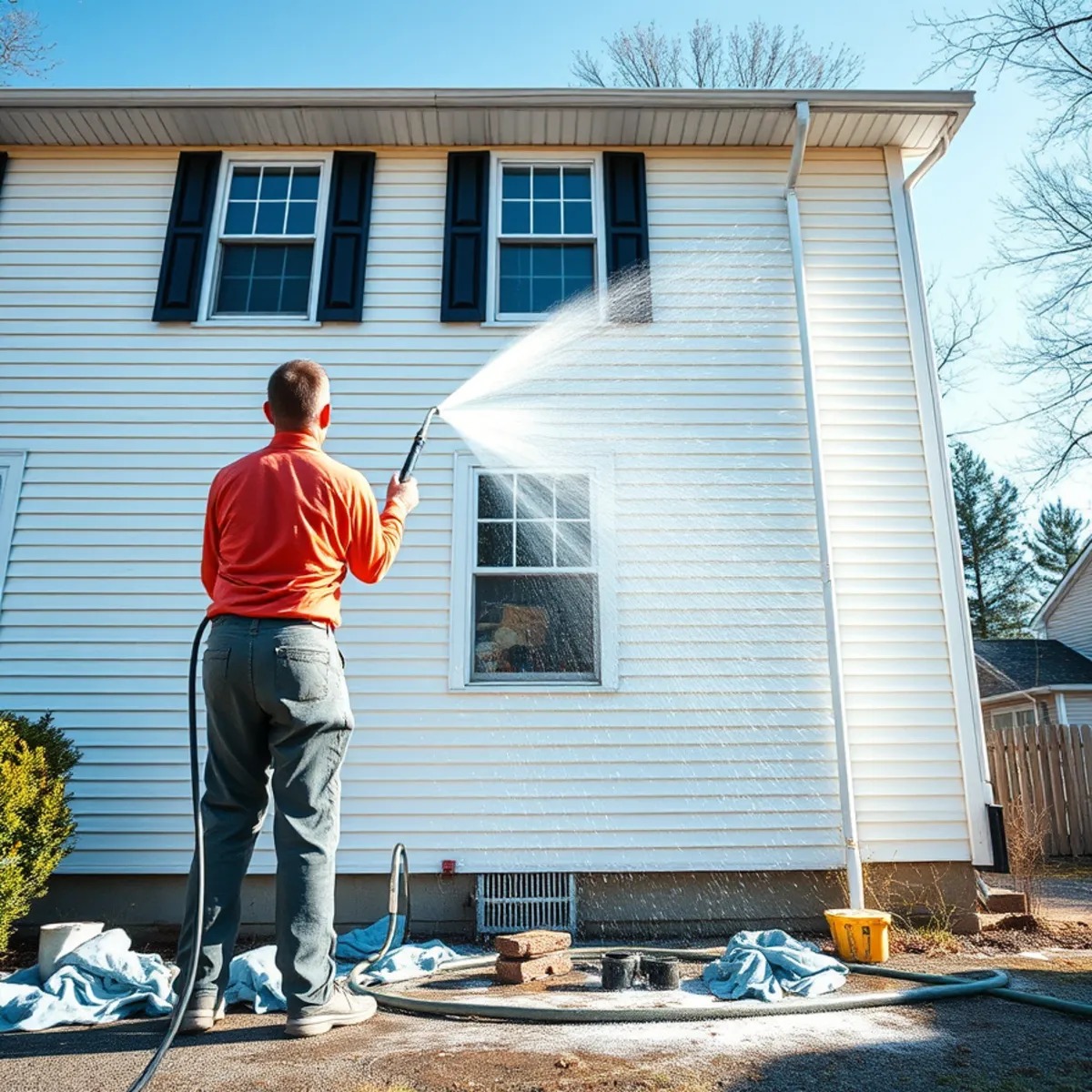
Paint Preparation Washing
Professional pre-paint washing across Massachusetts that strips chalk, mildew, and loose paint so your repaint actually bonds and lasts for years.
Read MoreReady to Schedule Oxidation Removal?
Contact Wash Bros today for a free oxidation removal estimate anywhere in Massachusetts.