Green algae is a living organism, not dirt. Here's how to identify it, remove it safely without cracking your siding, and keep it from returning in MA.
Those green streaks creeping across the shady side of your house aren't dirt, and they won't scrub off the way ordinary grime does. Green algae is a living, photosynthetic organism that feeds on moisture, shade, and the film of pollen and dust on your siding itself. This guide explains exactly what it is, how to remove it safely without damaging your panels, and how to keep it from returning, with advice built around the damp, tree-shaded, freeze-thaw conditions that make Massachusetts homes a magnet for biological growth.
What Is the Green Stuff on My Siding? (Green Algae Explained)
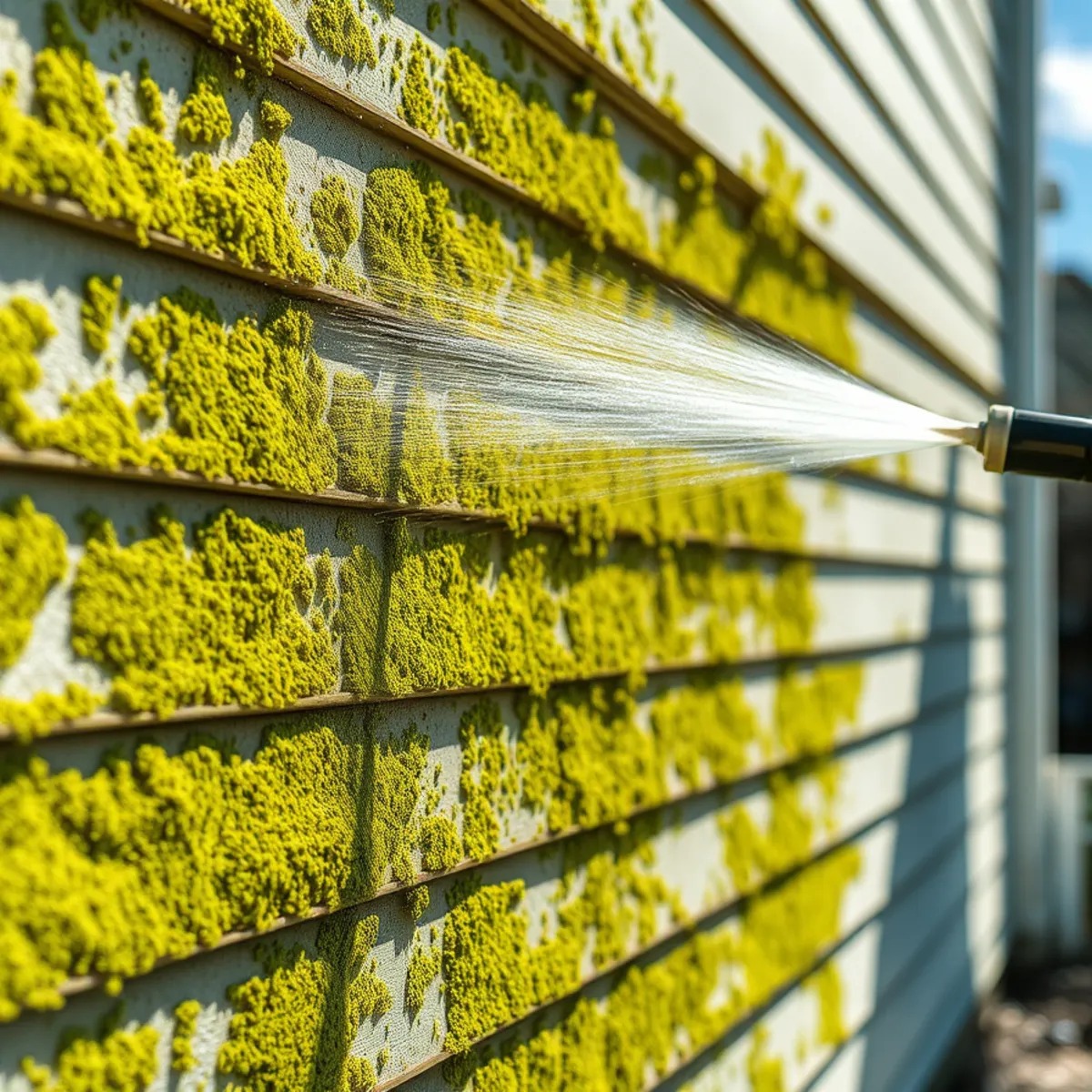
The green film you see is colonial algae, most commonly Gloeocapsa magma, a hardy photosynthetic organism that anchors itself to the surface and slowly multiplies. It is not technically a plant and it is not mold. It is a biological growth that survives on three things: water, sunlight (even weak, indirect light), and a thin layer of organic film, the pollen, dust, and dead spores that settle on every exterior wall.
Because it needs to stay damp to thrive, green algae shows up first in the places that dry slowest. That means north-facing walls, the strip under eaves and overhangs, siding seams where water lingers, and any wall hidden behind shrubs or shaded by mature trees. Once a colony establishes, it produces spores that spread across the wall and onto gutters, soffits, and fascia, which is why a small green patch rarely stays small.
In New England, the conditions are close to ideal. Long wet springs, humid summers, dense suburban tree canopy, and high seasonal pollen give algae spores everything they need to take hold and feed. Add the heavy shade common in older towns like Concord and Lexington, and that green tint can return within a single damp season if it is only knocked off the surface rather than killed at the root.
Algae vs. Mold vs. Mildew: How to Tell What's Growing on Your Siding
Homeowners use these words interchangeably, but they are different organisms with slightly different looks. Identifying yours correctly tells you what you are dealing with, though the safe removal method is the same for all of them.
- Green algae is green, sometimes blue-green or black-green, and forms flat patches, films, or vertical streaks. It looks slick or "painted on" and tends to dominate large, shaded wall areas.
- Mildew appears gray, white, or light brown, feels powdery or dusty, and usually grows in spots or speckles rather than sheets. It is an early-stage surface fungus.
- Mold can be black, dark green, brown, or even orange, often looks fuzzy or slimy, and penetrates deeper into porous surfaces like wood and stucco.
- Moss and lichen are the next stage up: moss is a soft, raised green cushion that holds water like a sponge, and lichen is a crusty, often gray-green growth that bonds aggressively to the surface. Both signal long-standing moisture and usually need a dedicated moss and lichen removal approach.
A quick field test: dab a hidden spot with a diluted household bleach solution. If the stain lightens within a minute, it is almost certainly algae or mildew. If it barely changes, you may be looking at deeper mold or simple staining. Whatever the label, the cure is the right chemistry plus low pressure, never brute force.
What Causes Green Algae to Grow on Siding (Shade, Moisture, North-Facing Walls, Humidity)
Algae is not a sign that you keep a dirty house. It is a sign that one part of your house stays wet. Four conditions drive it:
- Shade. Walls that never get direct sun stay damp for hours longer after rain or morning dew. North-facing and east-facing walls are the usual first victims.
- Moisture and humidity. High ambient humidity, poor drainage, sprinklers hitting the wall, and snowmelt dripping off the roof all keep the surface in the damp zone algae needs.
- Trapped air. Overgrown shrubs and tree branches pressed against the house block airflow, so the wall never fully dries.
- Organic food. Pollen, tree sap, dust, and decaying leaves form the thin film algae spores feed on.
Why does only one side of my house get green algae?
This is the most common question we hear in New England, and the answer is sun exposure. The south and west sides of your home get hours of direct afternoon sun that bakes the wall dry and kills exposed spores before they can colonize. The north and east sides, plus any wall shaded by a neighbor's house or a mature oak, stay cool and damp far longer. Algae always colonizes the slowest-drying surface first. If only your shady side is green, your house is behaving exactly as physics predicts.
Why Green Algae Is More Than Cosmetic: How It Damages Siding Over Time
It is tempting to ignore a little green as long as the house looks acceptable from the street. But algae causes slow, compounding harm that costs far more than a wash.
- It traps moisture against the surface. A wet biological film never lets the siding fully dry, and persistent dampness leads to warping on vinyl, swelling and rot on wood trim, and a perfect breeding ground for mold behind the panels.
- It works into siding seams and caulk lines. As colonies expand into joints and overlaps, they break down caulk and create gaps where water can drive behind the panels into the sheathing.
- It feeds the freeze-thaw cycle. Moisture held by algae freezes in winter, expands, and stresses caulk joints and panel edges, then thaws and refreezes. Over Massachusetts winters, that cycle widens cracks and accelerates wear.
- It spreads. Spores travel to gutters, soffits, fascia, the roof, and adjacent walls, turning a small patch into a whole-house problem.
- It can stain permanently. Left long enough on textured, chalky, or oxidized siding, algae embeds into the surface and leaves a shadow even after it is killed.
There is also the curb-appeal cost. A green-streaked exterior reads as neglected whether you are selling or simply want your home cared for. Routine house washing keeps these organisms from ever establishing, which is far cheaper than replacing rotted trim or warped panels.
Is It Safe to Pressure Wash Green Algae Off Vinyl Siding? (The PSI Damage Risk)
This is where most DIY siding cleaning goes wrong. A pressure washer feels like the obvious tool, but high pressure is the single fastest way to damage vinyl and void your warranty.
Here is the core problem. A standard gas pressure washer puts out 2,500 to 3,500 PSI. Vinyl siding should never see more than roughly 100 to 500 PSI, and even that should be a wide fan held well back. At full pressure, the stream does three destructive things at once:
- It cracks, gouges, or melts the surface of the vinyl, especially the brittle, aged, sun-faded siding common on Massachusetts' older housing stock.
- It drives water up and behind the panels through the seams and weep holes, soaking the sheathing and insulation, where it has no fast way to dry. That hidden moisture causes mold, rot, and rust on fasteners long after the wall looks clean.
- It strips paint and protective coatings off wood, fiber cement, and aluminum.
And after all that risk, high pressure still does not solve the problem. It blasts the visible algae off the surface but leaves the colony's anchoring structure and spores behind, so the green returns within weeks. Worse, most vinyl manufacturers specify approved low-pressure cleaning methods, and using a high-PSI machine can void your manufacturer warranty exactly when you most need it.
The key message every pro will tell you: you don't need more pressure, you need the right chemistry. Pressure does not kill algae. Biodegradable cleaning solutions do.
Soft Washing vs. Pressure Washing for Algae Removal: Which Is Better for Siding
The professional standard for any biological growth on siding is soft washing, not pressure washing. The two are fundamentally different processes.
Pressure washing (or power washing) relies on mechanical force, a high-PSI stream that physically scours a surface. It is the right tool for hard, durable surfaces like concrete driveways (2,000 to 3,000 PSI) and some masonry. It is the wrong tool for siding.
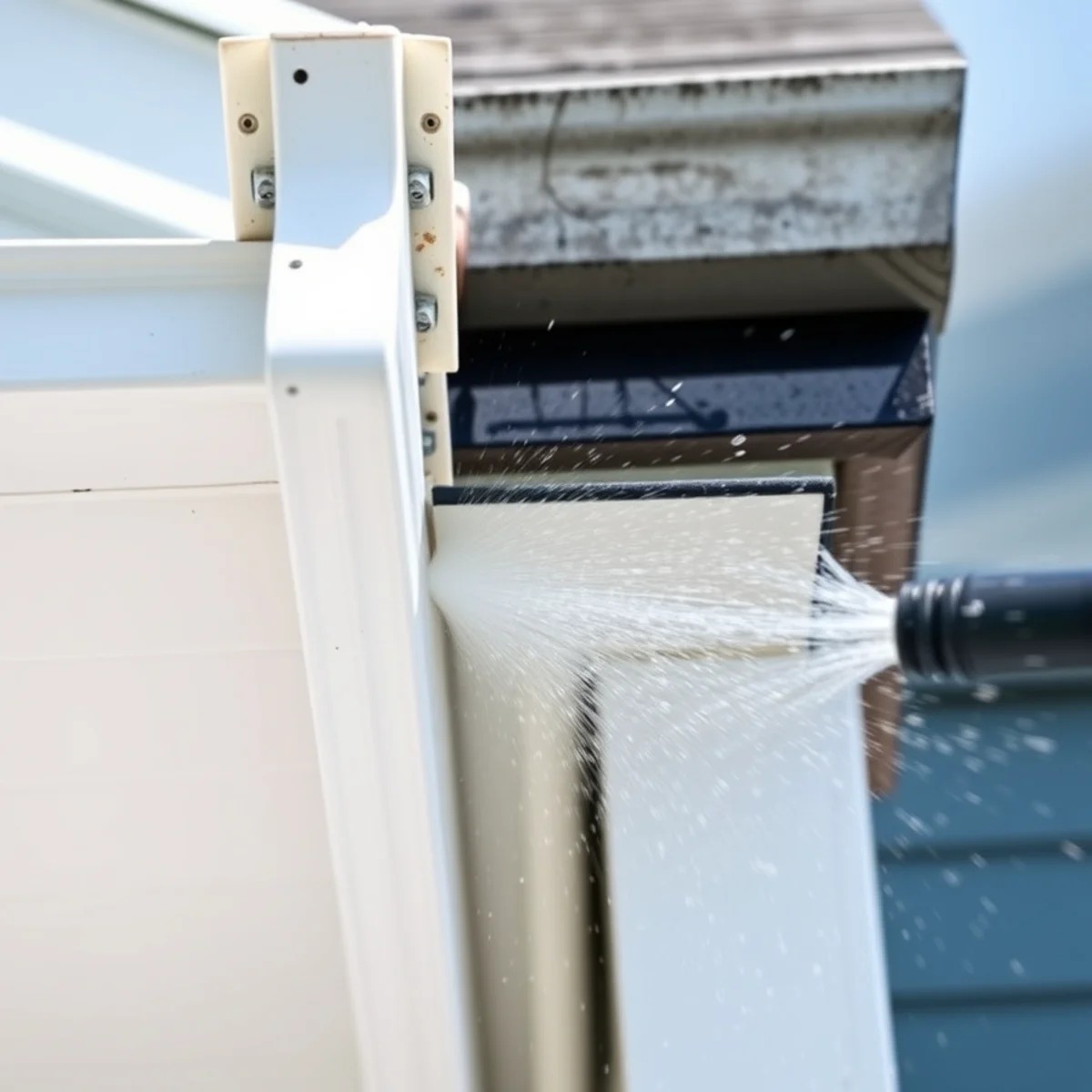
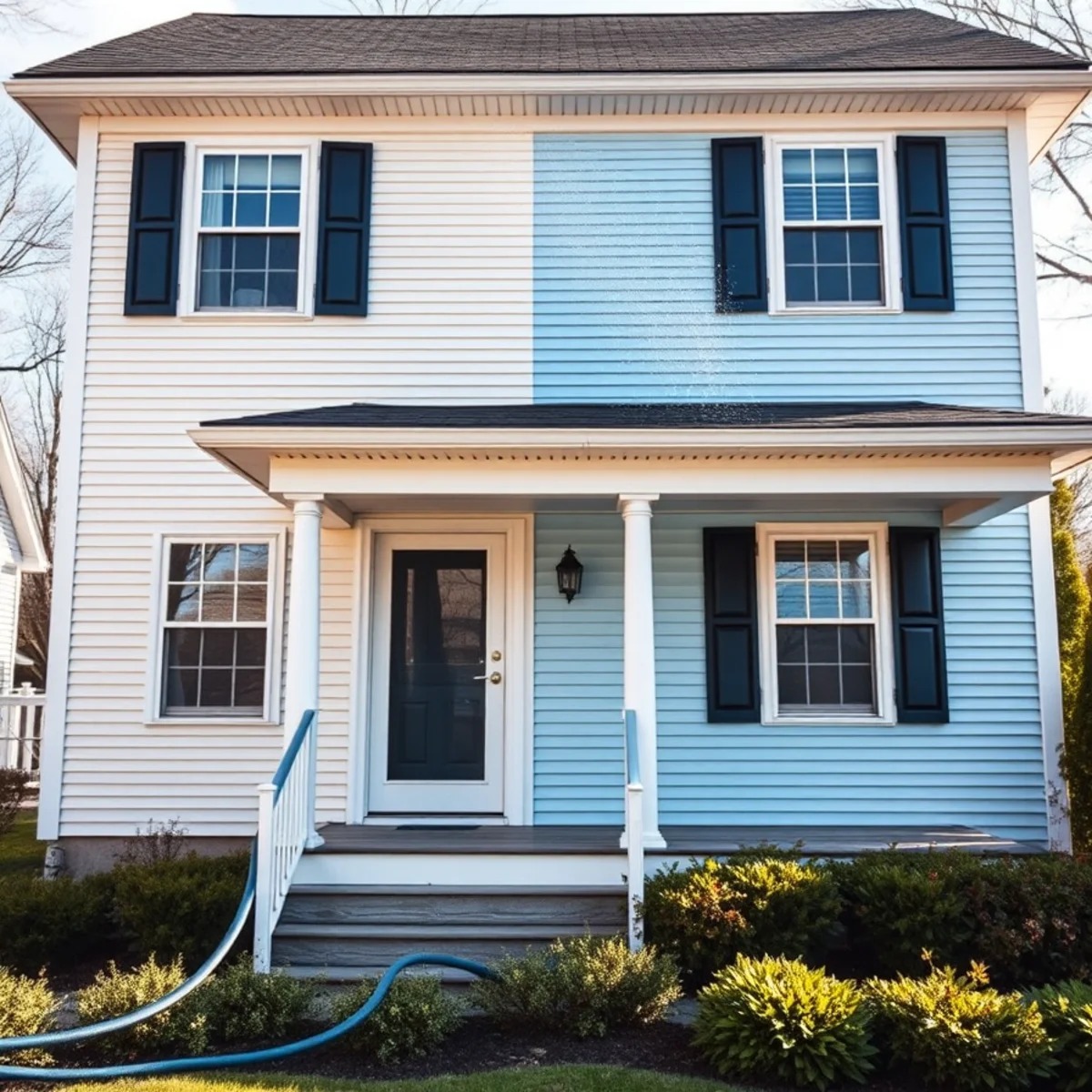
Soft washing relies on chemistry. A professional applies a low-pressure soft washing solution, typically using downstream injection so a measured cleaner is drawn into a low-pressure stream, then lets it dwell so biodegradable surfactants can break down and kill the algae at the root. A gentle, low-pressure rinse then carries the dead growth away. The solution does the work; the water only rinses. Pressure at the wall stays in the safe 100 to 500 PSI range, or lower.
Soft washing wins on siding for three reasons:
- It kills, not just removes. Because the chemistry destroys the colony and its spores, results last months longer than a pressure-only blast.
- It protects the surface. No driven water behind panels, no cracked vinyl, no stripped paint, no voided warranty.
- It is more thorough. The solution reaches into seams, textures, and shaded corners that a pressure stream skips.
For vinyl specifically, our vinyl siding cleaning process is built entirely around this gentle, chemistry-first approach.
How to Remove Green Algae From Vinyl Siding: Step-by-Step
If you want to tackle a small, ground-level area yourself, here is a safe sequence. For full two-story walls, roof-adjacent growth, or anything requiring a ladder, hire a pro; the fall risk and the chance of driving water behind panels are not worth it.
1. Test a small area first
Mix your solution and apply it to a hidden patch, behind a downspout or under a deck. Wait several minutes and check that the siding color is unaffected and the algae lightens. This protects you from surprises on the visible wall.
2. Protect the surrounding area
Algae solutions, especially bleach-based ones, can scorch plants. Before you spray:
- Soak nearby grass, shrubs, and flower beds with plain water so foliage is saturated and less able to absorb runoff.
- Cover delicate plantings with a tarp.
- Rinse and re-wet landscaping again immediately after you finish.
This matters most in spring, when New England gardens are full of fresh, vulnerable growth.
3. Work in shade on a cool day
Pick an overcast day or work on a wall that is in shade. Direct sun dries the solution too fast, which weakens its effect and leaves streaks. Avoid windy days that blow spray onto plants and cars.
4. Apply from the bottom up
Load your solution into a garden pump sprayer and apply it starting at the bottom of the wall and working upward. Applying upward prevents clean-streak "tiger striping," where solution runs down over dry, dirty siding and etches clean tracks.
5. Let it dwell
Give the solution time to break down the algae, usually several minutes. Keep the surface damp; do not let the cleaner dry on the siding. Lightly agitate any stubborn patches with a soft-bristle scrub brush on an extension pole, never a wire or stiff brush that scratches vinyl.
6. Rinse from the top down
Now reverse direction. Rinse from the top down with a regular garden hose or a pressure washer set to its lowest, widest fan tip held well back. Top-down rinsing carries dead algae and residue down a wall you have already loosened. Rinse until the water runs clear and no solution remains in the seams.
7. Inspect and spot-treat
Once dry, check shaded corners for lingering green. A second light application is normal and far safer than reaching for more pressure.
Best Cleaning Solutions for Algae on Siding
The cleaner is what actually kills the algae, so choosing the right one matters more than any tool. Here are the realistic options, with honest trade-offs.
- Sodium hypochlorite (chlorine bleach). The professional active ingredient for biological growth. It kills algae, mold, and mildew at the root quickly. The catch is that it must be properly diluted, paired with a surfactant so it clings and rinses evenly, and handled carefully around plants and metal. DIY bleach mixes often streak because they lack a surfactant and are applied unevenly.
- Oxygen bleach (sodium percarbonate). A gentler, more plant-friendly option. It is slower and less aggressive than chlorine bleach but a good choice for wood and for homeowners worried about landscaping. It will not kill heavy colonies as fast.
- White vinegar solution. A mild DIY option for very light surface algae. It can lighten a thin film but does not reliably kill an established colony, and acetic acid is a weak biocide at household strength. Useful for touch-ups, not for a real algae problem.
- Dish soap or powdered laundry detergent. Not a killer on its own. A small amount of dish soap is sometimes added to a bleach mix as a basic surfactant to help it cling. It does not address the algae itself.
- TSP (trisodium phosphate). A strong cleaner often used in paint-prep washing. It cuts grime and chalky residue but is not primarily a biocide and is restricted in some areas for environmental reasons.
- Commercial siding cleaners. Ready-made, often biodegradable formulas blended with surfactants. Convenient and consistent, though usually pricier than mixing your own.
Will bleach damage vinyl siding, and what is the right mix?
Properly diluted bleach does not damage vinyl. The damage comes from pressure, not chemistry. A common DIY ratio for light algae is roughly one part household bleach to three or four parts water, plus a small squirt of dish soap to help it cling. Always follow the product label, and never mix bleach with ammonia or other cleaners, which creates toxic gas. Professionals adjust concentration to the severity of growth and the surface, which is one reason results are more even.
DIY Homemade Algae Cleaner Recipes and Mix Ratios
If you are treating a small, accessible patch and prefer to mix your own, these are reasonable starting points. Always test a hidden area first and protect your landscaping.
- Standard bleach mix (light to moderate algae): 1 quart household bleach (6 percent sodium hypochlorite), 3 quarts water, and a tablespoon of dish soap as a surfactant. Apply, dwell a few minutes, rinse.
- Oxygen-bleach mix (plant-sensitive areas, wood): follow the oxygen bleach package, generally a few ounces of sodium percarbonate per gallon of warm water. Gentler on foliage and finishes.
- Vinegar touch-up (very light film only): equal parts white vinegar and water for a quick spot treatment on a minor green haze.
Two rules keep DIY mixes from going wrong. Mix only what you will use that day, because bleach loses strength quickly once diluted. And never increase concentration to "speed things up." Stronger mixes streak siding and kill plants without killing algae any faster; dwell time, not strength, does the work.
Tools and Equipment You'll Need
You do not need much to clean a small area safely:
- A garden pump sprayer or a dedicated low-pressure applicator
- A soft-bristle scrub brush on an extension pole
- A bucket and your measured cleaning solution
- A regular garden hose for rinsing
- Tarps or plastic sheeting to protect plants
- Personal protective equipment: chemical-resistant gloves, eye protection, old clothing, and closed shoes
Notice what is not on the list: a high-pressure tip. If you own a pressure washer, the only safe role for it here is rinsing with the widest, lowest-pressure fan, held well back from the wall.
Safety Precautions: Protecting Plants, Landscaping, Pets, and Yourself
Algae cleaners are effective because they are biocides, which means they can harm more than algae. Protect everything around the work:
- Plants and landscaping. Pre-soak all surrounding foliage with plain water before you start, cover what you can, and rinse everything thoroughly afterward. Pre-soaking is the single most important step for saving your garden.
- Pets and people. Keep pets and children inside and away from the work area until everything is rinsed and dry.
- Yourself. Wear gloves and eye protection. Bleach splash on skin and eyes is no joke, and overhead spray drifts back down.
- Well water and runoff. If your home is on a well, be mindful of where runoff drains. Professionals practice runoff containment and dilute responsibly; a careful DIYer should rinse generously and avoid letting concentrated solution pool near wells, gardens, or storm drains.
- Never mix chemicals. Bleach plus ammonia or other cleaners releases toxic gas. One product at a time.
How to Remove Algae From Other Siding Types (Wood, Fiber Cement, Stucco, Aluminum)
Vinyl is the most common siding in Massachusetts, but the same chemistry-first, low-pressure principle applies to every material, with adjustments.
- Wood siding and cedar. Wood is porous and easily damaged by pressure. Keep any rinse pressure under about 200 PSI and favor oxygen bleach over chlorine bleach to protect the finish and avoid raising the grain. Let the solution do the work and agitate gently.
- Fiber cement (HardiePlank and similar). Durable but not invincible. Use low pressure and a standard soft wash solution. Avoid aggressive scrubbing on painted fiber cement so you do not burnish the finish.
- Stucco and EIFS. Highly porous and prone to driven-water damage. Keep pressure very low, around 150 PSI or less, and rely almost entirely on chemistry and dwell time. High pressure on stucco forces water into the wall and can crack the surface. See our brick and stucco cleaning approach for these surfaces.
- Aluminum siding. Older aluminum chalks and oxidizes, and high pressure strips that surface unevenly. Use a gentle solution and low-pressure rinse; heavy oxidation may need a dedicated treatment rather than a simple wash.
When in doubt on any material, start gentler than you think you need to. You can always reapply chemistry. You cannot un-gouge a panel.
How to Prevent Green Algae From Coming Back
Removal is half the job. Prevention protects the work and keeps your home cleaner far longer.
Trim vegetation and improve airflow
Cut back shrubs and tree branches that shade and trap moisture against the walls. Even a few extra inches of clearance dramatically improves drying time. Homes surrounded by mature trees, common across older Newton and Lexington neighborhoods, benefit most from opening up the airflow.
Maintain gutters, downspouts, and drainage
Clogged gutters overflow and keep walls wet; that is algae fuel. Keep gutters flowing and direct downspouts well away from the foundation. Pairing an algae wash with gutter cleaning attacks the moisture source, not just the symptom.
Fix the moisture sources
Aim sprinklers away from the siding, address grading that pools water against the house, and make sure attic and soffit ventilation lets walls breathe. Standing dampness is algae's best friend; remove it and growth slows dramatically.
Wash on a schedule
Consistent cleaning is the most reliable defense. A professional soft wash removes the organic film algae feeds on before a colony can re-establish.
How Often Should You Wash Your Siding to Prevent Algae?
There is no single answer; the right frequency depends on how much sun each wall gets. Use this as a practical Massachusetts guide:
- Full-sun homes (open lots, little tree cover): every 18 to 24 months is usually enough.
- Mixed sun and shade (most suburban homes): about once a year.
- Heavy shade (dense tree canopy, north-facing, low airflow): every 6 to 12 months, since these walls dry slowest and re-green fastest.
For timing, late May through June is the sweet spot in New England. A spring wash strips off winter grime, road-salt spray, and snowmelt residue, then removes the organic film before summer humidity drives a fresh algae bloom. Get ahead of the wet season and you spend the rest of the year clean.
When to Call a Professional Soft Washing Company
DIY is reasonable for a small, ground-level patch on a sound wall. Call a professional when:
- The growth covers large areas or reaches upper stories.
- You would need a ladder to reach it safely.
- The siding is painted, aged, brittle, or under manufacturer warranty.
- The algae keeps returning no matter what you try, which usually means the colony is never fully killed.
- The growth has progressed to moss or lichen, which bond aggressively and need targeted treatment.
A trained crew brings correctly diluted algae removal solutions, surface-appropriate pressure, ladder and roof safety, landscaping protection, and runoff awareness, so the job is thorough and the green stays gone. Importantly, a reputable company carries insurance; ask any contractor for a certificate of insurance before they touch your home.
Green Algae and Massachusetts Homes: Why New England Climate Makes It Worse
Massachusetts is, frankly, an algae greenhouse. Long damp shoulder seasons in spring and fall keep walls wet for weeks. Humid summers feed photosynthetic growth. Dense, mature tree canopy in older suburbs from the South Shore towns of Plymouth and Scituate to MetroWest and Worcester County keeps whole walls in permanent shade. High seasonal pollen lays down the organic film algae eats. And winter snowmelt drips and dries in green-staining streaks down the same shady walls.
Two local factors make the soft-wash case even stronger here. First, much of Massachusetts' housing stock is older, and aged vinyl and painted siding grows brittle, so it is far more easily cracked by high-PSI washing than newer material. Second, coastal homes near Quincy and the North Shore face salt-air corrosion on top of algae, which means metal fasteners and trim are already stressed and do not need driven water behind the panels.
The takeaway: in New England's climate, recurring algae is normal, and DIY bleach rarely keeps it away through repeated wet seasons. A professional soft wash on the right schedule is the safe, lasting way to stay ahead of it.
Get Your Siding Algae-Free
Wash Bros Exterior Cleaning has helped Massachusetts homeowners reclaim clean, bright siding since brothers Louis and Dominic founded the company in 2023. We are fully insured with a certificate of insurance available on request, and we are proud of our 5.0 average across 130 reviews. Our soft washing approach kills green algae at the root, protects your landscaping, and helps keep it from coming back, all without the pressure that cracks panels or voids warranties. Ready to get rid of those green streaks for good? Contact us for a free estimate or call +1 (351) 242-0666, and we will recommend the right approach for your home.
Frequently Asked Questions
Need Professional Exterior Cleaning?
Wash Bros provides affordable, dependable pressure washing across Massachusetts. Get your free estimate today.
Get a Free Estimate