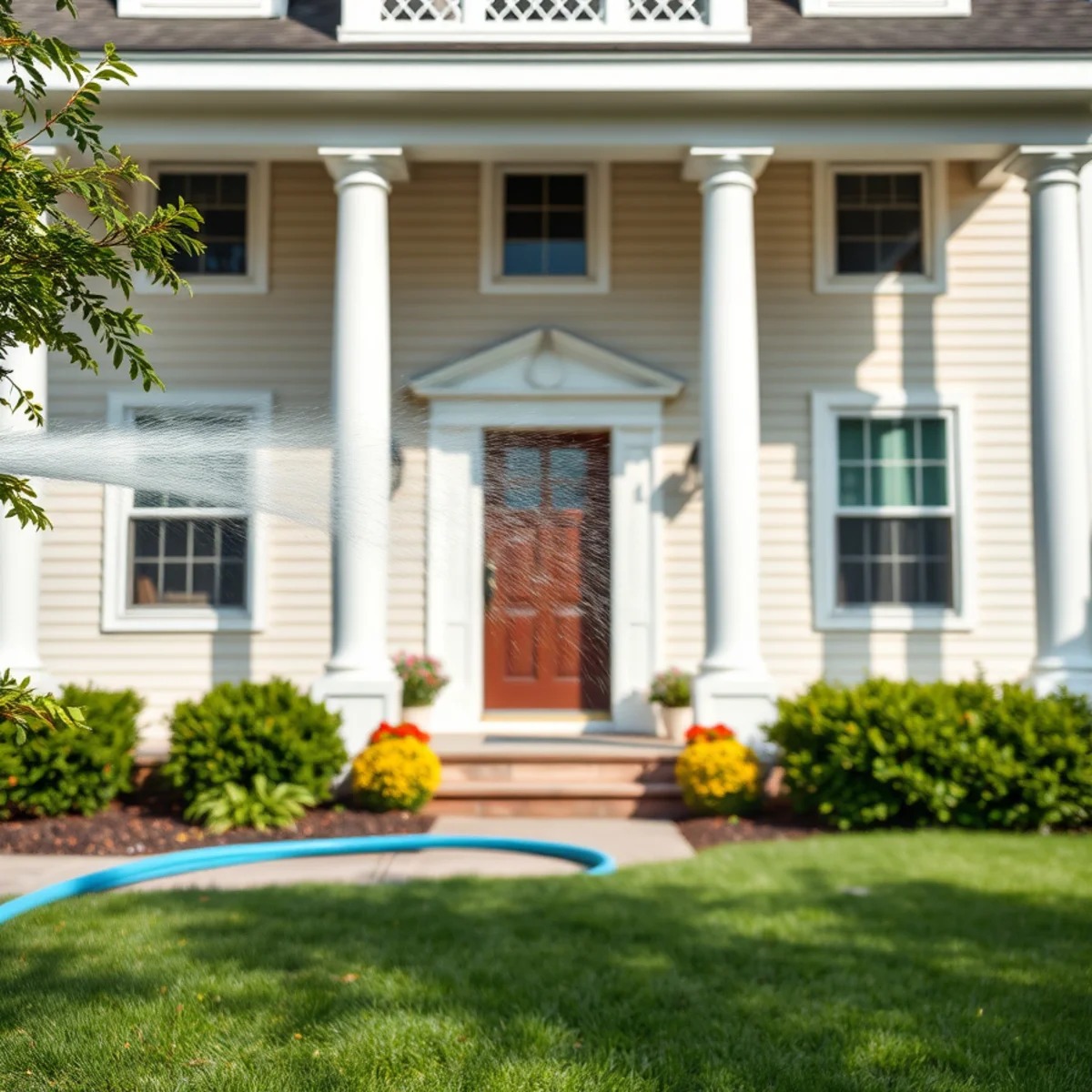
Pressure washing won't show on an appraisal, but it protects value and wins on curb appeal. See the ROI, surface priorities, and MA timing before you list.
If you are getting ready to sell, refinance, or just protect the biggest asset you own, you have probably wondered whether a day of exterior cleaning actually changes what your home is worth. The honest answer is nuanced: pressure washing rarely shows up as a line item on a formal appraisal, but it is one of the cheapest, highest-leverage ways to protect the value you already have and win on curb appeal. This guide breaks down the real numbers, the Massachusetts climate factors, and exactly where your cleaning dollars do the most good.
The Short Answer: Indirect Value Through Curb Appeal, Not an Appraisal Line Item
Let's clear up the most common misconception first. A home appraiser does not assign a dollar figure to a clean roof the way they credit a new furnace or a finished basement. Appraisals are built on comparable sales, square footage, and the condition of permanent systems. A fresh exterior wash will not appear as its own number on the report.
So where does the value come from? It comes through perceived value and curb appeal. A clean, well-maintained exterior tells every buyer, buyer's agent, and even the home inspector that this property has been cared for. Grime, green algae, and black roof streaks read as deferred maintenance, and deferred maintenance gets mentally subtracted from an offer. Strip the buildup away and the same house reads as move-in ready, which protects your asking price and shortens time on market.
In short: pressure washing does not add value on paper. It protects and unlocks the value already there by shaping the first impression that drives offers. Understanding that distinction is what separates honest advice from marketing hype.
The Numbers: ROI, Resale Statistics, and What Studies Show
Pressure washing is attractive precisely because it costs so little relative to its impact. Here is the data that circulates in real estate and home-improvement reporting. Treat every figure as an industry estimate, not a promise, because returns vary by home, neighborhood, and how badly the exterior needed attention.
- Roughly $10,000 to $15,000 in perceived value is the range often cited for a thorough exterior wash on the right home, according to figures attributed to the National Association of Realtors (NAR). This is a perceived-value and negotiation effect, not a guaranteed appraisal gain.
- Around 7% is the boost in sale price that data aggregator HomeLight has associated with strong curb appeal projects, of which pressure washing is among the cheapest.
- Approximately 100% to 200%+ return is the commonly reported ROI range for exterior cleaning, with some sources putting curb-appeal cleaning near or above a roughly 238% return because the cost is so low.
- 94% to 97% of real estate agents recommend improving curb appeal before listing, per NAR member surveys, and exterior washing is the first move most of them name.
Why is the return so high? The denominator is tiny. A professional house washing costs a fraction of a kitchen refresh or new landscaping, yet it changes how the entire property photographs and shows. When the input is small and the perception shift is large, the percentage return looks dramatic. Just remember the direction of the effect is reliable; the exact percentage is not.
How Curb Appeal Drives Sale Price
Most buyers form an opinion within seconds, often before they ever step inside. In today's market the listing photos are the true front door. A buyer scrolling MLS or Zillow at midnight decides in a glance whether your home earns a showing or a swipe past.
A dingy facade or black-streaked roof in those MLS photos quietly costs you clicks, showings, and competing offers. Clean those same surfaces and every first impression sharpens:
- Siding reads brighter and the actual paint or vinyl color comes through again
- Walkways and driveways look smooth and maintained instead of blotchy
- The roof loses its aged, streaky look that signals "old house"
- Trim, fences, and decks photograph as freshly kept
Buyer's agents notice too. When an agent pulls comparable homes for their client, a well-maintained exterior makes yours the obvious choice among similar listings. Better curb appeal means more interested buyers, and more interested buyers mean stronger competing offers and a sale closer to asking. If you want the visual psychology in depth, our companion article on how pressure washing improves curb appeal goes further.
Pressure Washing as Preventative Maintenance: Protecting Value, Not Just Adding It
Here is the part most articles skip. In New England, the grime on your home is not only cosmetic. Much of it is actively degrading your building materials, and that is where the real financial stakes are.
That green or black film on siding is living organic growth. Left alone, it holds moisture against the surface, accelerates wear, and creeps into soffits and trim where it can feed wood rot. The black streaks on your roof are a hardy algae called Gloeocapsa magma that feeds on the limestone filler in asphalt shingles. As it spreads it loosens shingle granules, the protective layer that determines how long a roof lasts. Moss and lichen go further, lifting shingle edges and prying at joints.
Routine, surface-appropriate cleaning is preventative maintenance in the truest sense. Removing algae, moss, and salt before they cause material damage is far cheaper than replacing siding, re-shingling a roof, or repouring concrete. You are not just making the home look better for a sale; you are stopping the slow, expensive decline that would have shown up on a home inspection report and become a negotiation chip for the buyer. A scheduled wash every year or two is one of the lowest-cost forms of property insurance a homeowner can buy.
Which Exterior Surfaces Add the Most Value When Cleaned
If you cannot do everything at once, prioritize the surfaces that are large, visible, and damage-prone. Here is a value-ranked checklist for most Massachusetts homes.
- Siding. The largest visible surface, and it sets the tone for the whole property. Removing oxidation and mildew from vinyl siding cleaning makes the color read true again and is the single biggest "wow" in listing photos.
- Roof. Strongly drives perceived age and condition. A gentle roof cleaning erases black streaks that make buyers wrongly assume the roof is near replacement, which is an expensive assumption that lands directly on your offer.
- Driveway and walkways. Central, high-traffic, and quick to show grime. A clean driveway cleaning often delivers the biggest visual change for the money because the surface is large and right in front of every visitor.
- Deck and patio. Critical for homes where outdoor living is a selling point. A restored deck cleaning or patio helps buyers picture themselves in the space rather than seeing a maintenance chore.
- Fence. The frame around the whole picture. A clean fence cleaning finishes the presentation and signals attention to detail.
Hit the top three and you have addressed roughly 80% of the curb-appeal impact. Add the deck, patio, and fence when the budget allows.
Pressure Washing vs Soft Washing: Choosing the Right Method to Protect Value
This is where the wrong approach can actively lower your value. High pressure aimed at the wrong surface strips, gouges, and forces water where it does not belong, which is the opposite of what you want before a sale.
The key principle: you don't need more pressure, you need the right chemistry. Pressure alone does not kill algae at the root. Biodegradable surfactants do. Blasting a roof or siding only removes the surface bloom while damaging the material, and the algae returns within months.
- Soft washing uses low pressure plus cleaning solutions and is the correct method for asphalt shingles (under 100 PSI), vinyl siding (100 to 500 PSI), cedar (under 200 PSI), and stucco or EIFS (under 150 PSI). This is why professionals recommend soft washing for the most value-sensitive surfaces on the home.
- Higher-pressure power washing is appropriate for harder surfaces. Concrete driveways tolerate 2,000 to 3,000 PSI, and historic brick should stay under 400 PSI to protect the mortar.
Matching method to material protects both the home and the value you are trying to present. Hiring a fully insured company that knows these ranges is cheap protection against an expensive mistake. For the full breakdown, see our guide on pressure washing vs soft washing.
The Before-and-After Effect: Why Clean Exteriors Win in Listing Photos and Showings
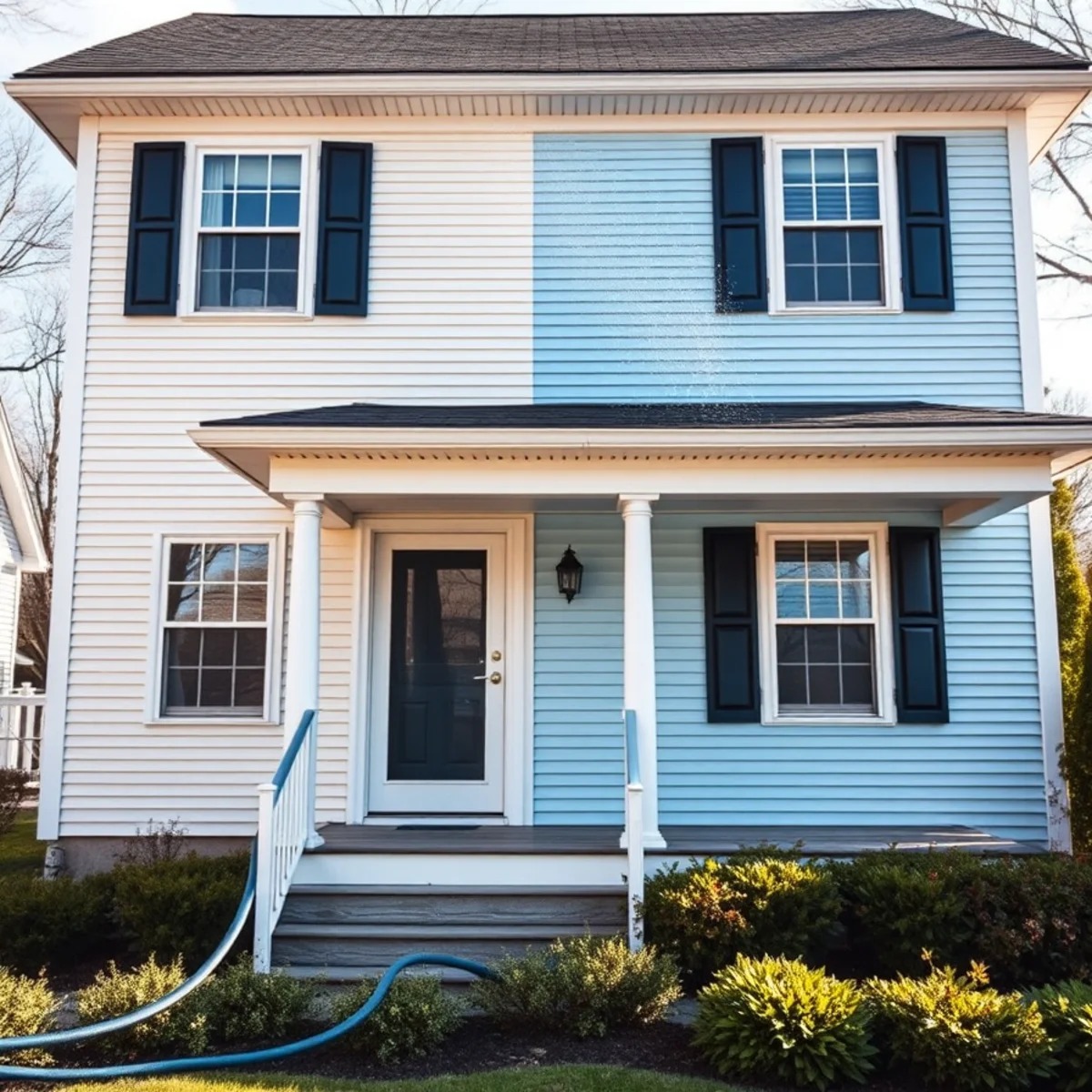
Listing photos are where the value math actually plays out. The difference between a streaked, mildewed exterior and a clean one in the same lighting is the difference between a photo a buyer scrolls past and one they click to schedule a showing.
Think about the sequence. The MLS photo earns the showing. The showing earns the offer. A dirty exterior breaks the chain at step one. And at the showing itself, the walk from the curb to the front door is the buyer's first in-person impression. A clean driveway, bright siding, and a streak-free roof prime them to view everything inside more favorably.
It cuts the other way too. Inspectors and buyer's agents are trained to spot deferred maintenance. Visible algae, moss on the roof, and salt-stained siding invite a closer look and more aggressive inspection-contingency requests. A clean exterior quietly signals a well-kept home and takes negotiation ammunition off the table before anyone picks up a flashlight.
Pressure Washing Before Selling: Timing It Right
Timing is the detail competitors almost never cover. If you are washing for resale, the goal is fresh surfaces in the photos and at the showings, so sequence it deliberately.
Wash 2 to 4 weeks before listing. That window lets a professional clean the full exterior, gives surfaces time to fully dry, and gets you sharp photos while everything still looks its best. Wash too early and pollen, rain spotting, or a fresh algae bloom can dull surfaces before the photographer arrives. Wash the day before and you risk a rain delay with no buffer.
Coordinate the wash so it lands just before your photography date and your first open house. Do the exterior cleaning first, then any touch-up landscaping, then schedule photos. That order means the camera captures the home at its genuine peak.
How Much Does Pressure Washing Cost vs the Value It Returns
We never quote a flat price without seeing the property, because cost depends on real factors: square footage, the number of stories, roof pitch and accessibility, how heavy the algae or salt buildup is, and how many surfaces you want cleaned. A single-story ranch with vinyl siding is a very different job from a three-story Victorian with a steep roof.
What is consistent is the relationship between cost and return. Exterior cleaning is repeatedly described by real estate and home-improvement sources as one of the best dollar-for-dollar exterior projects a seller can do, precisely because the cost per square foot is low and the perception payoff is high. Compared with the replacement cost of siding, a roof, or a concrete driveway, a wash is a rounding error, and it can delay or prevent those replacements entirely.
The smarter comparison is not "what does it cost" but "what does it protect." A wash that costs a few hundred dollars can protect tens of thousands in shingle life, prevent a wood-rot repair, and support an asking price that buyers are comfortable meeting. For a deeper look at what drives pricing locally, see our breakdown of pressure washing cost in Massachusetts.
Why This Matters Even More for Massachusetts Homes
New England weather is unusually hard on exteriors, which makes regular cleaning more valuable here than in drier parts of the country. The same climate that wears down your materials is the reason a clean home stands out so sharply against comparable listings.
- Road salt and plow spray. Through winter, salt and sand coat the bottom few feet of siding and bake onto driveways and walkways. Left through spring, salt stains set in and damage concrete through the freeze-thaw cycle. A spring wash removes it before it bakes on and before your photos.
- Coastal salt-air corrosion. From Boston out to the North Shore, salt air accelerates oxidation and grime on siding and railings, especially in towns like Salem and Quincy.
- Humidity, shade, and nor'easters. Coastal humidity and shaded north-facing and east-facing walls fuel green algae, black roof streaks, and mildew. After a wet stretch or a nor'easter, that growth visibly tanks curb appeal in a presentation-driven market.
- Pollen season. Heavy spring pollen coats everything in a yellow-green film that sticks until washed off, which is why late May into June is prime washing season here.
In competitive suburbs around Worcester and the metro area, a home that has gone a few years without cleaning can look noticeably older than its actual age, while a freshly washed one looks newer. That gap is free leverage at sale.
Best Time of Year to Pressure Wash in Massachusetts for Maximum Value
The Massachusetts selling calendar and the cleaning calendar line up neatly, which works in your favor.
- Spring and early summer (April to June) is the peak, fastest-selling window in Massachusetts and the best time to wash for resale. A spring wash strips off winter road salt and spring pollen right before the hot selling season. House washing is ideally done late May into June, after pollen drops.
- Early fall is the right window for decks before they go into winter, and for concrete sealing before road-salt season returns.
- Avoid hard-freeze days for any cleaning that leaves surfaces wet, since standing water in a freeze-thaw cycle can damage joints and concrete.
If you are listing in the spring market, schedule the wash a few weeks ahead so surfaces are bright for photos. For a fuller seasonal plan, see our guide on the best time of year to pressure wash in Massachusetts.
DIY vs Hiring a Professional for Resale-Ready Results
A rented machine and a Saturday can clean a patio. Resale-ready results across an entire home are a different job, and the stakes are higher because the work is going on camera and in front of buyers.
DIY pressure washing carries real risk to value. Too much pressure on shingles strips granules and shortens roof life. The wrong angle on vinyl drives water behind the siding. Generic detergent without proper surfactants only rinses the surface bloom, so the algae returns within weeks, often before your photos are even shot. And a ladder on a steep New England roof is genuinely dangerous.
A professional brings surface-appropriate PSI, biodegradable surfactants that kill growth at the root, landscaping pre-soak and runoff awareness, and the experience to read older New England materials like historic brick and cedar. The result lasts longer, photographs better, and protects rather than threatens your value. When you are selling, presentation is the product, and the margin for error is small.
Common Mistakes That Can Damage Surfaces and Lower Value
Avoid these and you protect both the home and the sale.
- Pressure washing the roof. High pressure on asphalt shingles strips the granules that protect them. Roofs need a soft wash under 100 PSI, never a power wash.
- Too much pressure on siding. Vinyl belongs in the 100 to 500 PSI range. More than that forces water behind panels, where it feeds mold and wood rot you cannot see.
- Blasting historic brick. Older mortar is soft. Keep historic brick under 400 PSI to avoid eroding joints and causing spalling, especially on colonials and Victorians.
- Relying on pressure instead of chemistry. Pressure does not kill algae at the root. Without biodegradable surfactants, the growth comes right back, and you washed for nothing.
- Ignoring runoff and landscaping. Cleaning solutions need a proper pre-soak of plantings and runoff containment, particularly on well water.
- Bad timing. Washing months before listing lets pollen and new algae undo the work before photos. Wash 2 to 4 weeks out.
Bottom Line and Free Estimate
Pressure washing will not add a new wing of value to your home, and any contractor who promises a guaranteed appraisal bump is overselling. What a proper wash does is reliable and valuable: it protects the materials you already paid for, prevents costly repairs, and transforms the first impression that drives offers, faster sales, and a price closer to asking. In a market shaped by New England salt, humidity, and freeze-thaw cycles, a clean exterior is not a luxury. It is the cheapest pre-listing prep you can make.
Wash Bros offers free, no-pressure estimates for homeowners and businesses across Massachusetts. We are fully insured with a certificate of insurance available on request, we match method and pressure to every surface, and we are trusted with a 5.0 average across 130 Google reviews. Contact us today or call brothers Louis and Dominic directly at +1 (351) 242-0666, and let's get your property looking its best before you list.
Frequently Asked Questions
Need Professional Exterior Cleaning?
Wash Bros provides affordable, dependable pressure washing across Massachusetts. Get your free estimate today.
Get a Free Estimate